Expert Guide to Clean Input Sourcing for Cannabis: Soil, Water, Nutrients

Clean input sourcing for cannabis: soil water nutrients packaging is crucial for both novice and seasoned cultivators. By focusing on the quality of inputs, you can ensure a healthy crop and a sustainable growing process. Let’s dive into how you can source these inputs effectively, focusing on soil, water, nutrients, and packaging.
When it comes to soil, choosing organic soil sourcing for cannabis cultivation is beneficial. Organic soil is rich in essential nutrients and supports the growth of healthy cannabis plants. For example, using a mix of compost, peat, and coco coir can create a nutrient-dense environment. This not only boosts plant health but also aligns with eco-friendly practices.
Recommended Strains

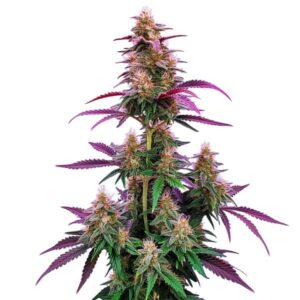
Bruce Banner 2.0

|
THC | 25% - 30% (High) |

|
Type | Feminized |

|
Yield | High |

|
Phenotype | 35% Indica / 65% Sativa |

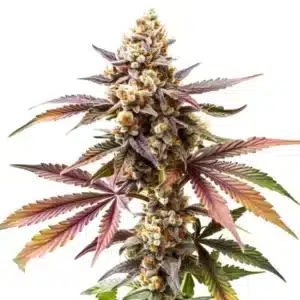
Sour Diesel
|
|
THC | 22% - 25% (High) |
|
|
Type | Feminized |
|
|
Yield | High |
|
|
Phenotype | 30% Indica / 70% Sativa |
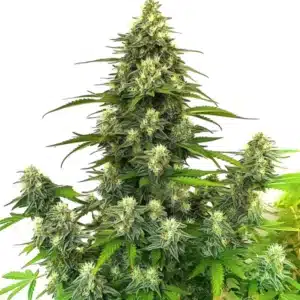
Blimburn Seeds offers strains like GG4, which thrive in organically rich soils. These strains are known for their robust growth and high yield, making them ideal for both beginners and experts. By selecting the right strain and soil, you set the foundation for a successful harvest.
Organic Soil Sourcing for Cannabis Cultivation
The choice of soil can significantly impact the growth and quality of your cannabis plants. Organic soil sourcing for cannabis cultivation ensures your plants get the best start. Organic soils are typically free from synthetic fertilizers and pesticides, offering a natural growing environment.
Using organic soil not only benefits the plants but also the environment. With fewer chemicals leaching into the ground, you contribute to a healthier ecosystem. Moreover, organic soils often require less frequent watering and fertilizing, reducing the overall maintenance effort.
Beyond environmental benefits, organic soil sourcing for cannabis cultivation can enhance flavor profiles and potency in your harvest. The natural compounds present in organic soil often translate to terpene-rich buds, elevating the sensory experience of the final product. This approach also supports biodiversity, fostering beneficial organisms that maintain soil health and plant vitality.
Another advantage of organic soil is its ability to retain nutrients over time, ensuring a slow and steady release that matches the plant’s growth cycle. This gradual nutrient availability aligns with organic cultivation principles, where the focus is on nurturing plants in harmony with nature. By adopting clean input sourcing for cannabis: soil water nutrients packaging, growers can ensure higher quality standards while minimizing contamination risks and supporting a more sustainable and productive cultivation system.
Creating the Perfect Soil Mix
Creating an optimal soil mix involves combining various components that cater to the needs of cannabis plants. A balanced mix might include compost, which adds essential nutrients, and perlite, which improves aeration. This combination helps maintain a healthy root system.
Adding worm castings can further enhance the mineral content of the soil. These castings are a natural fertilizer, rich in nutrients that promote vigorous plant growth. By using a custom soil mix, you can tailor the growing medium to the specific needs of your chosen cannabis strain.
Incorporating biochar into your soil mix can also enhance nutrient retention and improve soil structure. Biochar is a form of charcoal that, when added to soil, boosts microbial activity and nutrient availability, contributing to a more resilient growing environment. This addition can be particularly beneficial in nutrient optimization in cannabis soil, ensuring plants have access to what they need throughout their growth cycle.
Experimenting with different ratios and components in your soil mix allows you to fine-tune conditions and achieve the best results for your chosen strains. For example, customizing the mix for Blimburn Seeds Bruce Banner 2.0 strain can help maximize its growth potential and bud production, leading to a more rewarding harvest.
Promos & Deals

Sustainable Water Management in Cannabis Farming
Water is a critical component in cannabis cultivation. Sustainable water management in cannabis farming not only conserves this vital resource but also ensures consistent plant growth. Efficient watering techniques can prevent overuse and wastage of water.
Drip irrigation is one technique that delivers water directly to the plant roots, minimizing evaporation and runoff. This method is particularly effective in arid climates where water conservation is essential. Additionally, collecting rainwater for irrigation can further reduce reliance on municipal water supplies.
Implementing rainwater harvesting systems can serve as an excellent strategy for sustainable water management in cannabis farming. By capturing and storing rainwater, growers can create a self-sufficient irrigation system that lessens the demand on local water sources. This approach not only supports environmental sustainability but can also reduce operational costs over time.
Utilizing greywater recycling systems is another innovative method to conserve water. By treating and reusing water from sinks and showers, cultivators can supplement their irrigation needs without tapping into fresh water supplies. These systems, when integrated into clean input sourcing for cannabis: soil water nutrients packaging, form a holistic approach to environmentally responsible cultivation.
Implementing Water Conservation Techniques
Water conservation techniques can greatly enhance sustainable cannabis cultivation. Using mulch is one strategy that helps retain soil moisture and reduce evaporation. Mulching materials such as straw or wood chips can be easily sourced and applied around the base of plants.
Another effective method is the use of water-retaining crystals. These crystals absorb and slowly release water, ensuring that plants receive a consistent supply. This technique can be especially useful during dry spells when water availability is limited.
Adopting advanced technologies like soil moisture sensors can further optimize water usage. These sensors provide real-time data on soil conditions, allowing growers to adjust irrigation schedules precisely. By preventing overwatering and ensuring efficient water use, these tools contribute significantly to sustainable water management in cannabis farming.
Incorporating water-efficient plant varieties, such as drought-tolerant strains from Blimburn Seeds, can also aid in conserving resources. These strains require less water to thrive, aligning with eco-friendly cultivation practices and reducing the overall environmental footprint of your cannabis operation.
Nutrient Optimization in Cannabis Soil
Optimizing nutrients in cannabis soil is essential for maximizing plant health and yield. Nutrient optimization in cannabis soil involves providing the right balance of macronutrients and micronutrients. This balance supports various stages of plant development.
Using organic fertilizers such as bone meal and kelp can provide essential nutrients like nitrogen, phosphorus, and potassium. These nutrients are crucial for processes such as photosynthesis and root development. Additionally, they help enhance the flavor and potency of the final product.
Incorporating compost teas into your feeding schedule can enhance nutrient availability and promote beneficial microbial activity. These teas, made from steeping compost in water, are rich in nutrients and microorganisms that improve soil health and plant vigor. This approach complements nutrient optimization in cannabis soil by ensuring a dynamic and living soil ecosystem.
Another strategy is the use of cover crops, which can fix nitrogen in the soil and improve its structure. Planting legumes or clover alongside your cannabis plants can naturally replenish soil nutrients, reducing the need for synthetic fertilizers and promoting a more sustainable cultivation method. This technique aligns well with clean input strategies for cannabis cultivation, fostering a more self-sustaining growing environment.
Balancing Nutrient Levels
Balancing nutrient levels is key to avoiding deficiencies or toxicities, which can hinder plant growth. Regular soil testing can help track nutrient levels and adjust fertilization practices accordingly. This proactive approach ensures that your plants receive the nutrients they need without excess.
For instance, the Sour Diesel strain from Blimburn Seeds has specific nutrient requirements that can be met through careful monitoring and adjustment. By staying attuned to the plant’s needs, you can optimize growth and enhance overall plant health.
Incorporating a foliar feeding regimen can also aid in balancing nutrient levels. By applying nutrients directly to the leaves, you can quickly address deficiencies and support plant health during critical growth stages. This method complements root feeding, providing a comprehensive nutrient delivery system for your cannabis plants.
Utilizing plant probiotics and beneficial fungi, such as mycorrhizae, can further enhance nutrient uptake and improve plant resilience. These organisms form symbiotic relationships with plant roots, facilitating nutrient absorption and protecting against pathogens, thus ensuring optimal growth conditions for your cannabis crops.
Eco-Friendly Packaging for Cannabis Products
Eco-friendly packaging for cannabis products is an important consideration in clean input sourcing for cannabis. Choosing sustainable packaging options helps reduce environmental impact and promotes a greener industry.
Biodegradable packaging materials, such as hemp-based plastics and recycled paper, are excellent choices. These materials break down more easily than traditional plastics, reducing landfill waste and pollution.
Exploring innovative packaging designs, such as compostable pouches and plant-based inks, can further enhance the sustainability of your cannabis products. These options not only reduce environmental impact but also offer unique branding opportunities that appeal to eco-conscious consumers.
Implementing a packaging take-back program can also contribute to reducing waste. By encouraging customers to return used packaging for recycling or reuse, you reinforce your commitment to eco-friendly packaging for cannabis products and foster a circular economy approach.
Choosing Sustainable Packaging Materials
When selecting packaging materials, consider the entire lifecycle of the product. Recyclable and reusable packaging options are not only environmentally friendly but can also appeal to environmentally conscious consumers.
For instance, using glass jars instead of plastic containers for storing cannabis can significantly lower environmental footprints. Glass is infinitely recyclable and helps maintain product freshness, enhancing consumer satisfaction.
Partnering with suppliers who prioritize sustainability in their manufacturing processes can further align your brand with eco-friendly values. By supporting these initiatives, you contribute to a more responsible supply chain and strengthen your brand’s reputation in the marketplace.
Educating consumers on the benefits of sustainable packaging and encouraging responsible disposal practices can also enhance the impact of your efforts. By raising awareness, you empower consumers to make informed choices, thereby supporting broader environmental goals in the cannabis industry.
FAQs about clean input sourcing for cannabis: soil water nutrients packaging
What is the best soil for cannabis cultivation?
The best soil for cannabis cultivation is one that provides a balance of nutrients, good drainage, and aeration. Organic soils enriched with compost, peat, and coco coir are popular choices. These components create a nutrient-rich environment that supports healthy plant growth.
Using organic soil sourcing for cannabis cultivation not only benefits plant health but also supports sustainable farming practices. By selecting organic options, you’re ensuring that your cannabis plants grow in a natural and chemical-free environment.
How can I manage water sustainably in my cannabis garden?
Sustainable water management in cannabis farming involves using techniques that conserve water and reduce waste. Drip irrigation systems can efficiently deliver water directly to plant roots, minimizing evaporation and runoff.
Collecting rainwater and using mulch are additional strategies that help retain soil moisture and reduce reliance on municipal water sources. These practices contribute to a more sustainable and environmentally friendly cultivation process.
Which nutrients are most important for cannabis growth?
Key nutrients for cannabis growth include nitrogen, phosphorus, and potassium. These macronutrients support various plant functions such as photosynthesis, root development, and flowering. Organic fertilizers like bone meal and kelp are excellent sources of these nutrients.
Balancing nutrient levels is crucial to avoid deficiencies or toxicities that can hinder plant health. Regular soil testing can help optimize nutrient availability, ensuring plants receive the right nutrients at each growth stage.
What are some eco-friendly packaging options for cannabis products?
Eco-friendly packaging options for cannabis products include biodegradable materials like hemp-based plastics and recycled paper. These materials break down more easily than traditional plastics, reducing environmental impact.
Choosing recyclable and reusable packaging, such as glass jars, can further minimize waste. These options not only support sustainability but can also enhance product appeal to environmentally conscious consumers.
How do I choose the right cannabis strain for my growing conditions?
Choosing the right cannabis strain involves considering factors like climate, soil type, and available resources. Strains like GG4, Bruce Banner 2.0, and Sour Diesel from Blimburn Seeds offer diverse profiles suitable for various growing conditions.
Researching strain characteristics and consulting with experienced growers can help you select a strain that aligns with your cultivation goals. By matching the strain to your specific environment, you can optimize growth and maximize yield.