When to Remove Fan Leaves Outdoors (and Are Big Ones Good?)

Quick answer: Remove fan leaves on outdoor flowering plants selectively, taking only dead, yellowing or light-blocking leaves, mainly from early to mid flower. Never strip them all: big, healthy fan leaves are a good sign, because they power the buds through photosynthesis. Thin for light and airflow, but keep the plant’s green engine intact.
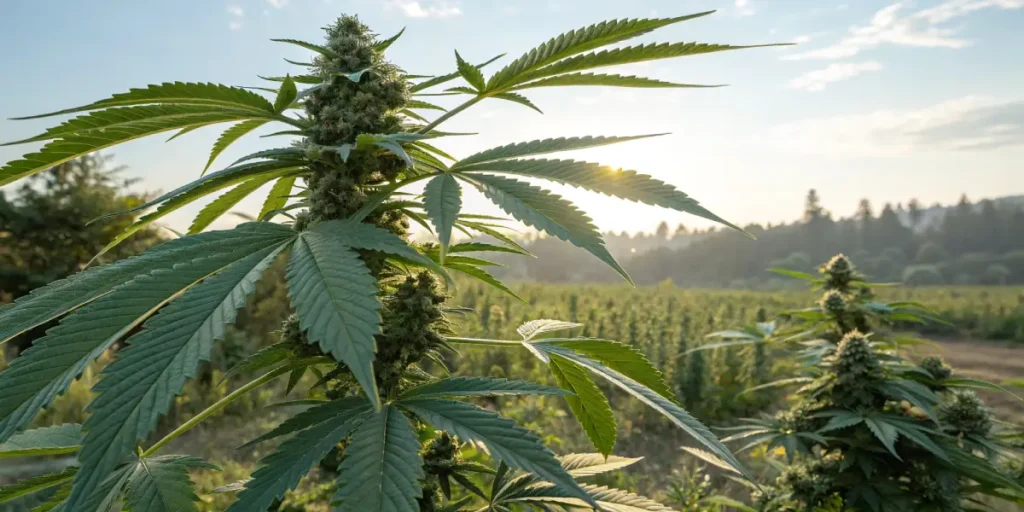
Fan leaves are the plant’s solar panels: they capture sunlight and convert it into the energy that fills out your buds. That is why big, healthy fan leaves are generally a good sign outdoors, they show a vigorous plant with plenty of photosynthetic power. The instinct to strip them off during flower is often a mistake.
Recommended Strains
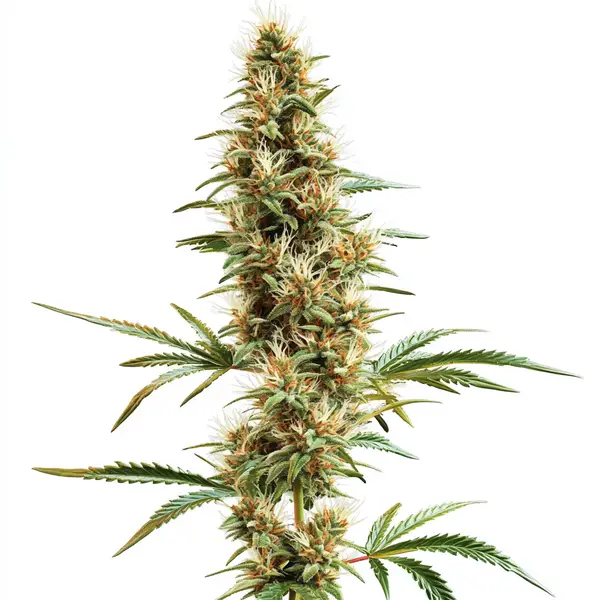
2046 Fast Version

|
THC | 20% - 26% (High) |

|
Type | Fast Flowering |

|
Yield | High |

|
Phenotype | 20% Indica / 80% Sativa |

24k Gold
|
|
THC | 19% - 22% (Medium) |
|
|
Type | Feminized |
|
|
Yield | High |
|
|
Phenotype | 60% Indica / 40% Sativa |
At the same time, in a dense outdoor canopy those large leaves can shade lower bud sites and trap moisture, which invites mold. So the goal is not removal for its own sake but selective thinning: opening up light and airflow while keeping enough healthy foliage to feed the flowers. Timing and restraint are everything.
| Stage | Remove fan leaves? | What to do |
|---|---|---|
| Early flower (wk 1-3) | Light | Remove only leaves clearly blocking bud sites |
| Mid flower (wk 3-5) | Selective | Thin dead/yellowing and inner shade leaves; do not strip |
| Late flower (wk 6+) | Minimal | Remove only dead or molding leaves; avoid stressing buds |
| Any stage | Never ‘all’ | Keep healthy fan leaves; they feed the buds |
Are Big Fan Leaves a Good Sign?
Yes, generally. Large, healthy, deep-green fan leaves are a sign of a strong, well-fed plant with the photosynthetic capacity to grow big, dense buds. Outdoors especially, that leaf area is an asset, driving the energy production that late-season flowering demands, so you do not want to remove them just because they are big.
The exceptions are leaves that are damaged, diseased, yellowing, or so densely packed that they shade bud sites and trap humidity. Those are worth removing. But a plant covered in big, vibrant leaves is usually doing exactly what you want, not signalling a problem.
Promos & Deals
When to Remove Fan Leaves in Flower
Early in flowering, keep most of your fan leaves. The plant is still building the structure and energy reserves that will feed the buds, so heavy removal now just sets it back. Limit yourself to tucking or removing a few leaves that directly shade developing bud sites.
Through mid-flower you can thin a little more: take yellowing leaves, any that are diseased, and dense inner foliage blocking light and airflow, but resist the urge to strip. By late flower, do as little as possible, removing only dead or molding leaves, since the plant has limited time to recover from stress before harvest.”
Can You Remove All Fan Leaves During Flowering?
“No, you should never remove all the fan leaves during flowering. Stripping a plant bare, sometimes called over-defoliation or ‘schwazzing’ taken too far, removes the photosynthetic engine the buds rely on, which can stall growth, stress the plant and reduce your yield rather than improve it.
Selective defoliation is beneficial; total removal is not. Aim to improve light penetration and airflow while leaving plenty of healthy leaves in place. If you are unsure, remove less: you can always take a few more later, but you cannot reattach leaves you have cut.
How to Trim Fan Leaves Safely Outdoors
Use clean, sterilised shears and work slowly to keep stress low. Start low in the canopy, removing leaves that shade bud sites or sit in dead, humid air, and step back often to check you are not overdoing it. Remove a modest amount, then let the plant recover for several days before any further thinning.
Outdoors, airflow and mold prevention are the priority, since plants are exposed to dew and rain. For related techniques, see our guides to removing fan leaves during flowering and defoliating autoflowers, and apply the same restraint.
Benefits and Risks of Removing Fan Leaves
Done right, selective fan-leaf removal has real benefits outdoors. Opening up the canopy lets light reach lower bud sites, which can improve their size and density, and better airflow lowers humidity around the buds, reducing the risk of mold and bud rot that outdoor plants face from dew and rain. It can also make pests easier to spot and treat.
The risks come from overdoing it. Every leaf you remove is lost photosynthetic capacity, so stripping too much stresses the plant, slows growth and can cut your yield. Heavy defoliation late in flower is especially risky, since there is little time to recover. The safe approach is to remove a little, watch the plant, and only continue if it clearly needs it.
FAQs on Fan Leaf Removal
Are big fan leaves a good sign?
Generally, yes. Large, healthy, green fan leaves show a vigorous, well-fed plant with strong photosynthesis, which helps grow bigger, denser buds. Outdoors that leaf area is an asset. Only remove fan leaves that are damaged, yellowing, diseased, or heavily shading bud sites; keep the healthy ones working.
Can you remove all fan leaves during flowering?
No. Removing all fan leaves strips the plant of the photosynthesis that feeds its buds, which stresses it and can lower yield. Defoliate selectively instead, taking dead, yellowing or light-blocking leaves while keeping plenty of healthy foliage. When in doubt, remove fewer leaves rather than more.
When should I remove fan leaves on outdoor plants?
Thin selectively from early to mid flower, removing yellowing, damaged or light-blocking leaves to improve airflow and light. Do very little in late flower, taking only dead or molding leaves. Outdoors, prioritise airflow to prevent mold from dew and rain, and never strip the plant bare.
Does removing fan leaves increase yield?
Only when done selectively. Thinning leaves that shade bud sites or trap humidity can improve light and airflow, which helps lower buds develop. But removing too many reduces photosynthesis and can lower yield instead. The gain comes from careful, modest thinning, not heavy defoliation, so err on the side of removing fewer leaves.
Should I remove yellow fan leaves during flowering?
Yes, yellowing or dying fan leaves can be removed, since they no longer photosynthesise much and can harbour mold or pests. Pluck or snip them cleanly. Leave healthy green leaves in place, as they still feed the buds. Some yellowing of lower leaves late in flower is normal as the plant finishes.