Essential Guide: Difference Between UV, Visible Light, and LED Effects on Cannabinoids

When it comes to cannabis cultivation, the difference between UV, visible light, and LED effects on cannabinoids is significant. Each type of light influences the growth and potency of your plants in unique ways. For first-time cannabis seed buyers, knowing how these lights affect your crop can seem daunting. But don’t worry, we’re here to simplify it for you. Whether you’re growing indoors or outdoors, the right light can make all the difference in maximizing the potency and yield of your cannabis plants.
Imagine you’re cultivating Blimburn Seeds GG4. You want to ensure it reaches its full potential. The impact of UV light on cannabinoid degradation can be both beneficial and detrimental. UV light can increase trichome production, leading to higher THC levels. However, excessive exposure can also degrade cannabinoids over time. Balancing UV exposure is crucial for maintaining your plant’s potency.
Recommended Strains

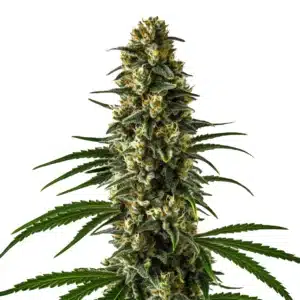
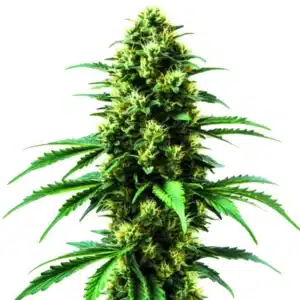
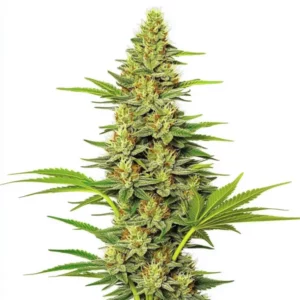
GG4

|
THC | 27% (High) |

|
Type | Feminized |

|
Yield | High |

|
Phenotype | 40% Indica / 60% Sativa |

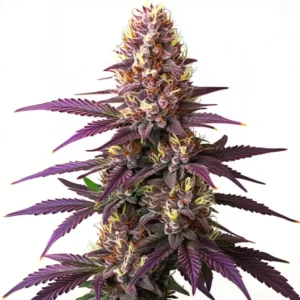
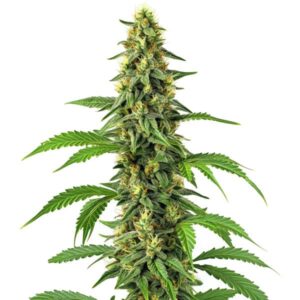
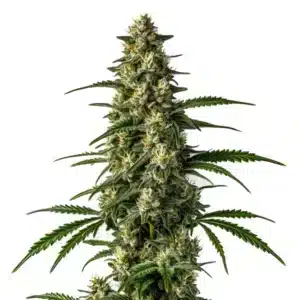
Blue Dream
|
|
THC | 17% - 24% (High) |
|
|
Type | Feminized |
|
|
Yield | High |
|
|
Phenotype | 50% Indica / 50% Sativa |
Visible light, on the other hand, plays a different role. It affects the photosynthesis process, promoting healthy growth and development. The visible light effects on cannabis potency are evident in the vibrancy and health of the plant. Ensuring your plants receive the right spectrum of visible light is key to achieving a robust and potent crop.
UV Light and Its Effects on Cannabinoids
UV light, composed of UV-A, UV-B, and UV-C rays, affects cannabis plants in various ways. UV-A and UV-B are the most relevant for cannabis cultivation. UV-B, in particular, is known to stimulate cannabinoid production. This means that your plants could potentially produce more THC and other cannabinoids, making them more potent.
However, too much UV-B exposure can lead to cannabinoid degradation. It’s a bit like sunbathing; a little bit can give you a healthy tan, but too much can result in a damaging sunburn. For growers using Blimburn Seeds Blue Dream, a balance of UV exposure can enhance THC levels without causing harm. Always ensure your plants receive just the right amount of UV light to boost potency without risking degradation.
The difference between UV, visible light, and LED effects on cannabinoids becomes evident when considering the controlled environments. UV light can be strategically used to enhance specific cannabinoid profiles, but it requires constant monitoring to avoid degradation. The impact of UV light on cannabinoid degradation is a double-edged sword that growers must handle with care.
In regions with high natural UV exposure, outdoor growers might find it challenging to manage UV levels. For Blimburn Seeds’ cultivators, leveraging UV filters or shade nets can help modulate exposure, ensuring plants benefit from UV-induced trichome production without the accompanying risks of degradation. Proper management is key to harnessing the full benefits of UV light.
Visible Light: The Spectrum That Feeds
Visible light is the range of light wavelengths that we can see, and it plays a vital role in photosynthesis. Photosynthesis is the process by which plants convert light energy into chemical energy. This energy is then used for growth and cannabinoid production. The visible light effects on cannabis potency are linked to how efficiently plants can perform this process.
For instance, when growing Blimburn Seeds Girl Scout Cookies, ensuring your plants receive a full spectrum of visible light can lead to healthier growth and higher cannabinoid levels. This spectrum typically includes red, blue, and green light. Each color plays a unique role in plant development. Red light promotes flowering, while blue light supports vegetative growth.
The visible light spectrum is crucial for optimizing plant health and maximizing yield. By providing a balanced range of wavelengths, growers can ensure that their cannabis plants undergo robust photosynthesis, leading to higher potency levels. The visible light effects on cannabis potency are profound, as they directly influence the plant’s ability to produce energy and grow.
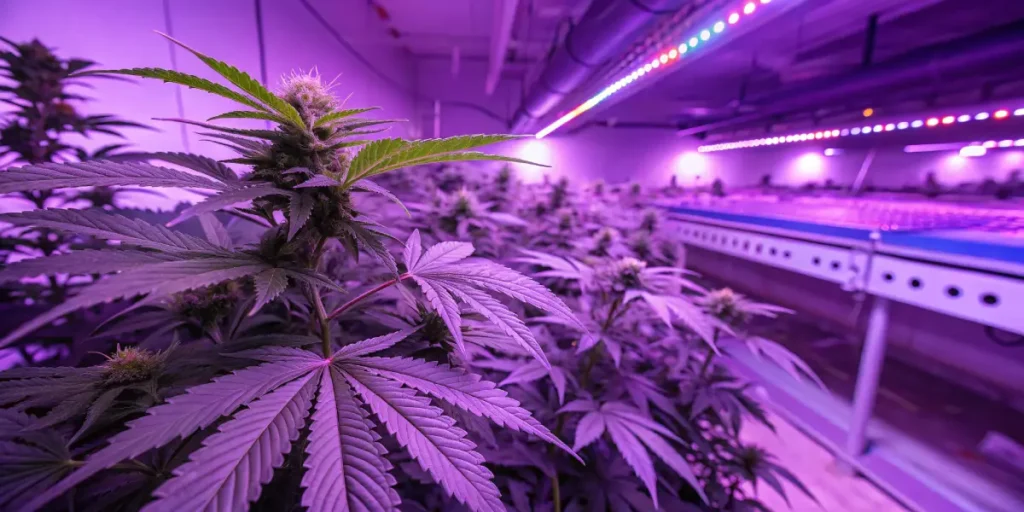
Knowing the difference between UV, visible light, and LED effects on cannabinoids helps growers tailor their lighting strategies. For indoor cultivators using Blimburn Seeds, adjustable LED systems can replicate the full visible spectrum, allowing precise control over the light environment. This customization is essential for achieving the desired balance between growth and potency.
Promos & Deals
LED Lighting: A Modern Solution
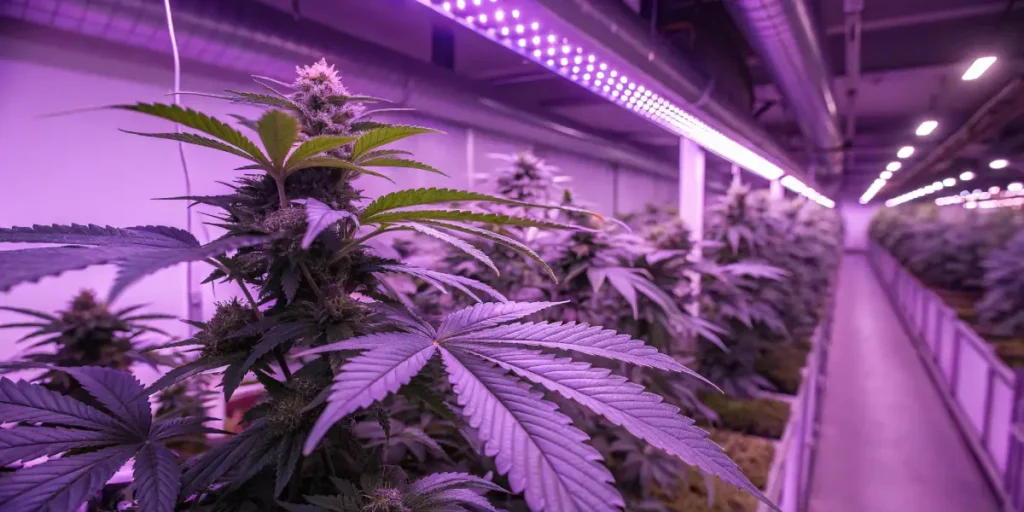
LED lighting has become increasingly popular among cannabis growers. The LED influence on cannabinoid preservation is particularly noteworthy. Unlike traditional lighting methods, LEDs offer a more energy-efficient and customizable solution for indoor growing. They provide a controlled environment, allowing you to adjust the light spectrum according to your plant’s needs.
One of the main benefits of LED lighting is its ability to produce specific wavelengths of light. This allows growers to tailor the light to optimize growth and cannabinoid production. For example, using more red light during the flowering stage can boost bud production. The function of LED lighting in cannabinoid production is significant, offering a modern and efficient way to enhance your crop’s potency.
Another advantage of LEDs is their reduced heat output, which minimizes the risk of heat stress on cannabis plants. This feature is particularly beneficial for indoor growers who need to maintain a stable environment. For Blimburn Seeds enthusiasts, LEDs offer a way to push the limits of cannabinoid production without compromising plant health.
The comparison of UV and visible light on THC stability underscores the importance of using LEDs to manage light exposure effectively. By providing a precise and adjustable light spectrum, LEDs facilitate a balanced approach to cultivation, enhancing potency while preserving cannabinoid integrity. This makes LED lighting an indispensable tool for modern growers.
Comparison of UV and Visible Light on THC Stability
When comparing UV and visible light, it’s essential to consider THC stability. While UV light can increase THC levels, it can also lead to degradation if not properly managed. Visible light, on the other hand, supports overall plant health and growth, indirectly promoting cannabinoid production.
For Blimburn Seeds GG4, the comparison of UV and visible light on THC stability highlights the need for a balanced approach. Utilizing both UV and visible light allows you to take advantage of their benefits while minimizing potential drawbacks. By carefully managing light exposure, you can enhance THC stability and overall potency.
Knowing the difference between UV, visible light, and LED effects on cannabinoids is crucial for strategic cultivation. UV light can be a double-edged sword, enhancing THC while risking degradation. In contrast, visible light consistently supports plant vitality, contributing to cannabinoid production without the risk of degradation.
To maximize the benefits of both light types, growers often employ LED systems that offer a full spectrum of visible light alongside controlled UV exposure. This approach allows for precise management of light conditions, ensuring that Blimburn Seeds’ strains achieve optimal THC stability and potency through a harmonious balance of light sources.
FAQs about difference between UV light and LED effects on cannabinoids
How does UV light affect cannabinoid production?
UV light, particularly UV-B rays, can stimulate the production of cannabinoids like THC in cannabis plants. This is because UV-B exposure triggers a protective response in the plant, leading to increased trichome production. Trichomes are the small, resinous glands where cannabinoids are produced, so more trichomes often mean higher cannabinoid levels.
However, too much UV-B exposure can lead to cannabinoid degradation. It’s crucial to find the right balance. For growers using Blimburn Seeds’ Blue Dream, controlled UV exposure can enhance THC levels without causing harm. Always monitor UV levels to ensure optimal cannabinoid production.
The impact of UV light on cannabinoid degradation is an essential consideration for growers aiming to maximize potency. By carefully balancing UV exposure, growers can ensure that their cannabis plants reach their full potential without sacrificing cannabinoid stability. This balance is critical for achieving desired THC levels.
The difference between UV, visible light, and LED effects on cannabinoids lies in their specific roles and impacts. While UV light can boost cannabinoid production, visible light ensures overall plant health. LEDs can mimic natural light conditions, providing a controlled mix of UV and visible light that optimizes plant growth and potency.
What is the best light spectrum for growing cannabis?
The best light spectrum for growing cannabis is a full spectrum that includes both visible and UV light. Visible light, which includes red, blue, and green wavelengths, is essential for photosynthesis and overall plant health. Red light is important for flowering, while blue light supports vegetative growth.
Including UV light, particularly UV-B, can boost cannabinoid production. For Blimburn Seeds Girl Scout Cookies, a combination of full-spectrum visible light and controlled UV exposure ensures healthy growth and high potency. Tailoring the light spectrum to your plant’s needs is key to successful cultivation.
The function of LED lighting in cannabinoid production is making it easier for growers to customize their light environment. With adjustable spectrums, LEDs provide the precise wavelengths needed at each growth stage, enhancing the visible light effects on cannabis potency and promoting optimal cannabinoid levels.
By knowing the difference between UV, visible light, and LED effects on cannabinoids, growers can make informed decisions about their lighting setups. LEDs offer the flexibility to mimic natural sunlight conditions, ensuring that each plant receives the ideal spectrum for its growth and potency requirements.
Why are LEDs popular among cannabis growers?
LEDs are popular among cannabis growers due to their energy efficiency and customizability. They allow growers to adjust the light spectrum to optimize growth and cannabinoid production. LEDs also produce less heat than traditional lighting methods, reducing the risk of plant damage.
The LED influence on cannabinoid preservation is significant, as it provides a controlled environment for optimal growth. For those using Blimburn Seeds’ Gorilla Glue, LEDs offer a modern solution to enhance potency and yield. The ability to tailor light exposure to your plant’s specific needs makes LEDs a popular choice among growers.
LED technology has advanced significantly, offering features like dimmable settings and programmable light cycles. This level of control allows growers to replicate natural conditions, ensuring that their plants receive the right amount of light at the right time. This adaptability is crucial for maximizing cannabinoid production and preserving plant health.
Moreover, the function of LED lighting in cannabinoid production extends beyond energy efficiency. By providing the exact spectrum needed, LEDs help to stabilize THC levels, ensuring that plants achieve peak potency. This makes LEDs an indispensable tool for both novice and experienced cannabis growers alike.
Can too much light harm cannabis plants?
Yes, too much light, especially UV and excessive visible light, can harm cannabis plants. Overexposure to UV light can lead to cannabinoid degradation and even plant damage. Similarly, too much visible light can cause light burn, resulting in discolored leaves and reduced growth.
It’s essential to monitor light levels and adjust them according to your plant’s stage of growth. For Blimburn Seeds’ Blue Dream, balancing light exposure ensures healthy growth and maximum potency. Always keep an eye on your plant’s response to light to avoid potential damage.
LED systems are particularly useful in preventing light-related stress, as they allow precise control over light intensity and duration. By adjusting these factors, growers can prevent the negative impact of excessive light and maintain the health of their cannabis plants.
The difference between UV, visible light, and LED effects on cannabinoids lies in how each source can be manipulated to avoid harm. LEDs provide a safeguard against overexposure, ensuring that plants receive the optimal amount of light for growth and cannabinoid production without the risk of degradation.
How does visible light affect cannabis potency?
Visible light affects cannabis potency by supporting the process of photosynthesis. This process is crucial for plant growth and development, ultimately impacting cannabinoid production. The visible light effects on cannabis potency are evident in the overall health and vibrancy of the plant.
Ensuring your plants receive a full spectrum of visible light, including red and blue wavelengths, promotes healthy growth and higher cannabinoid levels. For growers using Blimburn Seeds’ Girl Scout Cookies, visible light is essential for achieving a robust and potent crop. Tailoring light exposure to your plant’s needs is key to maximizing potency.
The difference between UV, visible light, and LED effects on cannabinoids highlights the unique role that visible light plays in cultivation. While UV light can directly stimulate cannabinoid production, visible light fuels the underlying processes that support overall plant health and vigor.
By leveraging the visible light spectrum, growers can ensure that their cannabis plants have the energy needed for robust growth. This not only enhances the plant’s structural integrity but also boosts cannabinoid production, resulting in a higher-quality harvest of Blimburn Seeds strains.