Proven Reasons Why UV Light Breaks Down Cannabinoids Easily

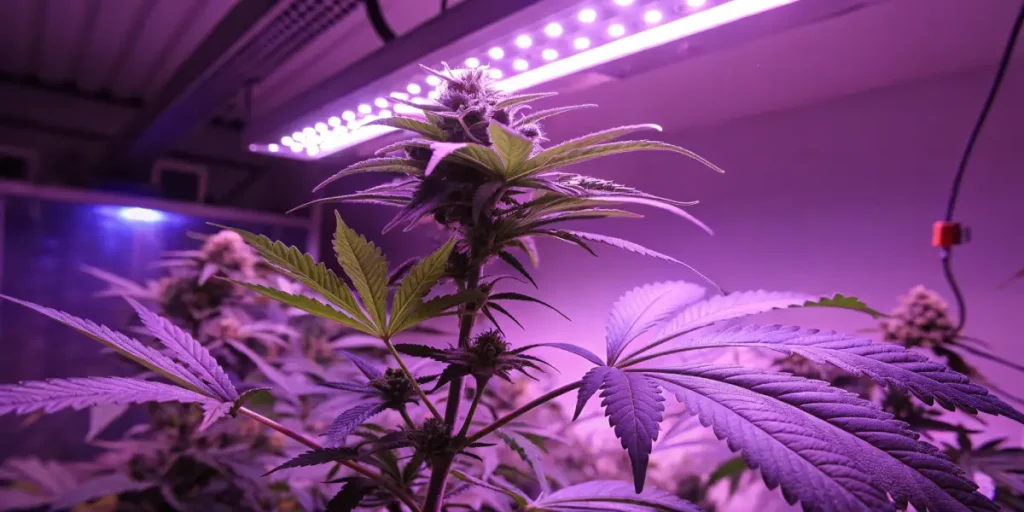
UV light has an undeniable impact on the potency of cannabinoids. Knowing why UV light breaks down cannabinoids is essential, as exposure triggers a natural degradation process that reduces their stability and overall effectiveness. This can be a significant concern for both growers and consumers, as prolonged UV exposure directly affects the quality and potency of cannabis products.
Let’s consider what happens when cannabis plants, like those from Blimburn Seeds, are left under intense sunlight for too long. The cannabinoids in these plants begin to break down, leading to a decrease in their overall quality. This is why UV light breaks down cannabinoids so effectively—it directly affects their chemical structure.
Recommended Strains

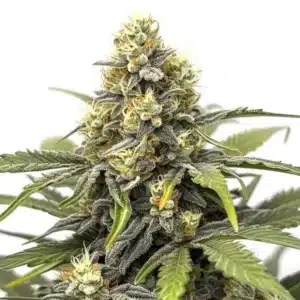
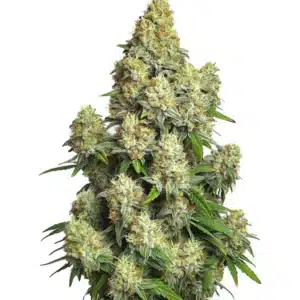
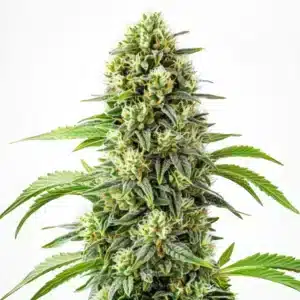
Sour Diesel

|
THC | 22% - 25% (High) |

|
Type | Feminized |

|
Yield | High |

|
Phenotype | 30% Indica / 70% Sativa |

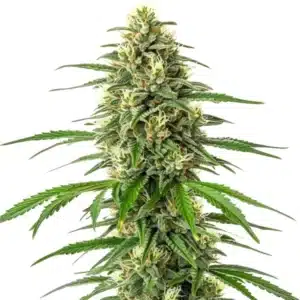
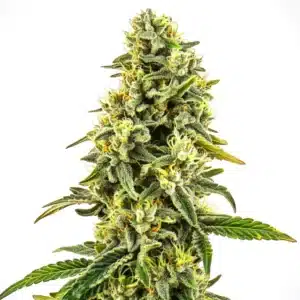
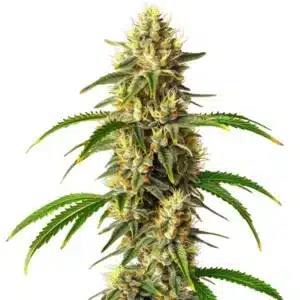
Jack Herer
|
|
THC | 20% (Medium) |
|
|
Type | Feminized |
|
|
Yield | High |
|
|
Phenotype | 40% Indica / 60% Sativa |
Think of cannabinoids as delicate compounds. When exposed to UV light, they undergo changes that weaken their structure. For example, THC, the primary psychoactive compound in cannabis, transforms into CBN (cannabinol) when exposed to UV light. This transformation reduces the plant’s potency, explaining why UV light degradation of cannabinoids is a concern for any grower.
How UV Light Affects Cannabinoid Stability
UV light has enough energy to alter chemical bonds. This is key to knowing how UV light affects cannabinoid stability. When cannabinoids absorb UV light, the energy can break the bonds holding the molecules together. This process leads to breakdown and loss of potency.
One of the reasons why UV light breaks down cannabinoids is the photochemical reactions that occur at the molecular level. These reactions can result in the formation of new compounds, some of which may not have the desired effects, thus affecting the overall therapeutic value of the plant.
To further explore how UV light affects cannabinoid stability, consider the environmental controls that can mitigate this degradation. By using UV-blocking materials and carefully managing exposure times, growers can maintain a higher level of cannabinoid stability, ensuring that strains like those from Blimburn Seeds maintain their intended effects and quality.
Promos & Deals
UV Light Degradation of Cannabinoids
UV light degradation of cannabinoids occurs through a process called photodegradation. This process involves the absorption of light energy, which causes changes in the molecular structure of cannabinoids. These changes can lead to reduced efficacy and altered effects.
Photodegradation is not limited to THC alone; other cannabinoids can also be affected. For example, CBD, known for its non-psychoactive properties, can lose its therapeutic benefits when subjected to prolonged UV exposure. This is why UV light degradation of cannabinoids is a critical factor for both medical and recreational users.
To prevent UV light degradation of cannabinoids, both indoor and outdoor growers must adopt strategies that limit exposure. Indoor growers can utilize specialized lighting systems, while outdoor growers might use UV-filtering greenhouse covers. This ensures that strains like those from Blimburn Seeds retain their robust cannabinoid profiles.
Impact of UV Exposure on Cannabinoids
UV exposure can significantly impact the quality of cannabis products. As cannabinoids break down, the effects of the plant can change. For medical users or those seeking specific effects, this can be a major downside. Therefore, knowing the impact of UV exposure on cannabinoids is crucial.
One major impact of UV exposure on cannabinoids is the potential loss of flavor and aroma, which are largely attributed to terpenes. Terpenes can also degrade under UV light, affecting the overall sensory experience of the cannabis product. This highlights the importance of protecting cannabis at every stage of its lifecycle.
Another aspect to consider is how UV exposure affects the color and appearance of cannabis buds. Excessive UV light can cause discoloration, making the buds less appealing to consumers. This underscores the need for proper storage and handling to maintain the visual and qualitative attributes of strains like those from Blimburn Seeds.
UV Light Influence on Cannabinoid Potency
Cannabinoid potency is directly influenced by UV light. As the light breaks down the chemical compounds, the potency decreases. For growers aiming to produce high-potency cannabis, controlling UV exposure is essential.
The UV light influence on cannabinoid potency is particularly evident in the transformation of THC to CBN. This conversion reduces the psychoactive impact of the cannabis, which can significantly alter the user experience. Therefore, managing UV exposure is crucial for producing cannabis with consistent potency levels.
Additionally, the method of drying and curing post-harvest can play a significant role in preserving cannabinoid potency. Techniques that minimize UV exposure during these stages can help maintain the desired potency of strains like those from Blimburn Seeds, ensuring that the final product meets consumer expectations.
FAQs about why UV light breaks down cannabinoids
What is the best way to protect cannabis from UV light?
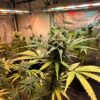
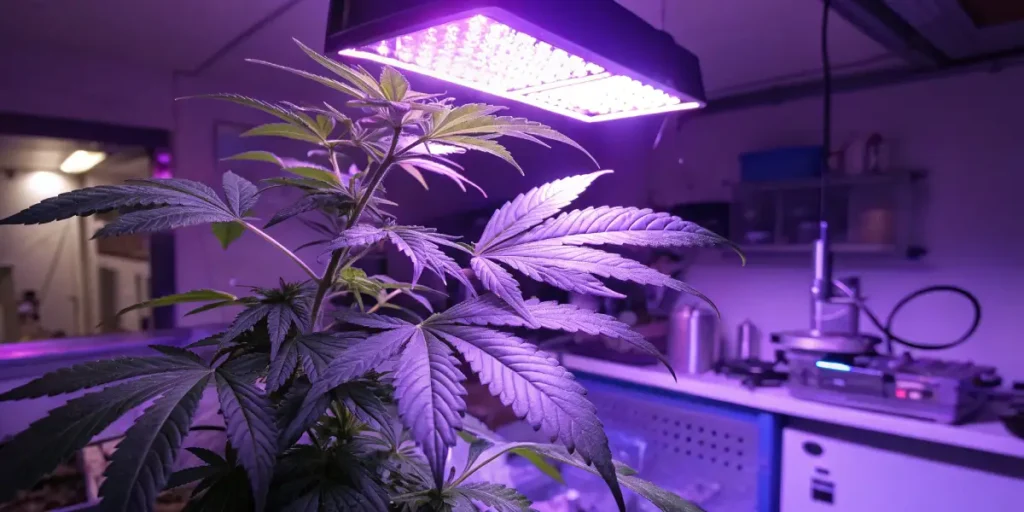
Protecting cannabis from UV light starts with controlling the growing environment. For outdoor growers, using shade cloths or UV-protective greenhouse coverings can significantly reduce exposure. Indoor growers can use grow lights that filter out harmful UV rays, providing a controlled environment that mimics natural sunlight without the damaging effects.
An additional method for protecting cannabis from UV light involves utilizing advanced technologies such as UV-blocking films and coatings. These can be applied to greenhouse windows or grow room lights to further reduce the risk of degradation. This approach is especially helpful for preserving the quality of premium strains from Blimburn Seeds.
Furthermore, monitoring environmental conditions such as temperature and humidity can complement your UV protection strategy. These factors, combined with controlled UV exposure, can greatly enhance the stability and potency of your cannabis plants, ensuring that they develop as intended.
How does UV light affect THC content specifically?
THC, the primary psychoactive compound in cannabis, is particularly susceptible to UV light degradation. When exposed, UV light can convert THC into CBN, a less potent cannabinoid. This conversion reduces the psychoactive effects of the plant, impacting its overall potency.
The susceptibility of THC to UV light degradation highlights the need for stringent light management practices. For growers, this means implementing strategies that minimize UV exposure throughout the plant’s lifecycle, from seedling to harvest, to maintain high THC levels.
Knowing how UV light affects THC content also involves considering the function of genetic factors. Some strains, like those from Blimburn Seeds, may have varying levels of natural resilience against UV light, but all can benefit from controlled exposure to optimize their THC content.
Are some strains more resistant to UV light than others?
Yes, some strains can be more resistant to UV light than others. This often depends on their genetic makeup and environmental adaptations. For instance, certain landrace strains that have evolved in sunny climates might show more resilience to UV exposure.
The variation in UV resistance among different strains can be attributed to their natural habitats and evolutionary history. Strains that have thrived under harsh sunlight conditions over generations may possess inherent mechanisms to protect themselves from UV damage.
However, regardless of natural resistance, managing UV exposure is beneficial for all strains to ensure optimum potency and quality. While strains like Sour Diesel from Blimburn Seeds might handle UV better, they still require careful environmental control for the best results.
Can UV light be beneficial for cannabis plants?
While excessive UV light can be harmful, a controlled amount might benefit cannabis plants by stimulating certain protective responses. This can lead to increased production of cannabinoids and terpenes, enhancing the plant’s overall profile.
Research into how UV light can be beneficial involves knowing the stress responses activated in cannabis plants. These responses can boost the plant’s resilience and potentially lead to increased secondary metabolite production, which includes cannabinoids and terpenes.
However, this needs careful management. The benefits of UV exposure must be balanced with the risk of degradation. Experienced growers often experiment with UV light levels to find the perfect balance, ensuring that strains like Jack Herer from Blimburn Seeds thrive.
What storage methods prevent UV degradation in cannabis products?
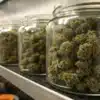
Proper storage is vital to prevent UV degradation in cannabis products. Using opaque, airtight containers can significantly reduce exposure to UV light, preserving cannabinoid content. Keeping these containers in a cool, dark place further protects the cannabis.
Innovative storage solutions, such as UV-blocking jars and packaging, are increasingly popular among consumers and producers. These options provide an extra layer of protection against UV light, helping to maintain the freshness and potency of cannabis products.
By following these methods, consumers can enjoy cannabis products that remain potent and effective over time. This is especially important for maintaining the quality of strains like White Widow from Blimburn Seeds, ensuring a consistent and satisfying experience.