Optimal Timing for Fertilizing Cannabis Plants

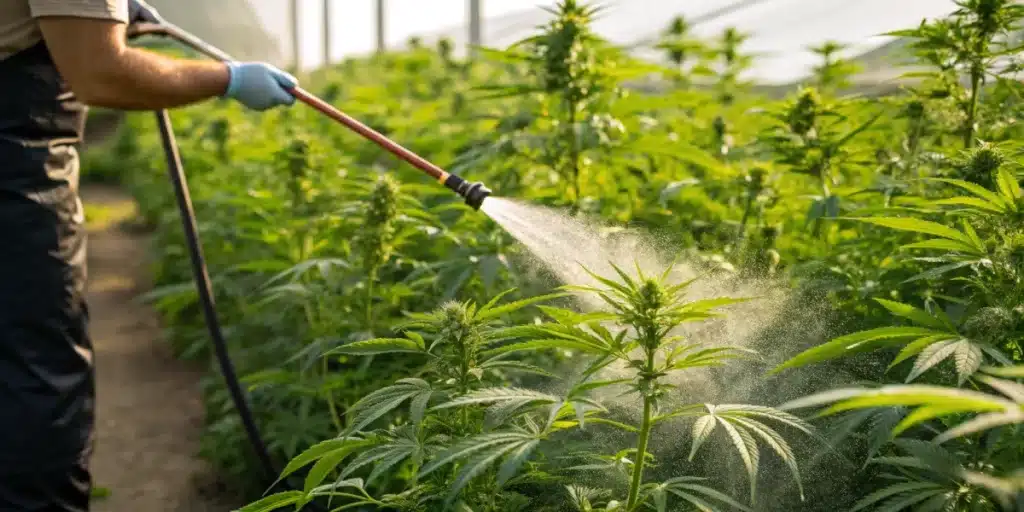
Fertilizing cannabis timing: Begin feeding cannabis plants 3-4 weeks post-germination, once they have 3-4 sets of true leaves. Seedlings rely on initial seed nutrients. Adjust fertilization as plants transition into the vegetative stage, where nutrient needs increase. Tailor your approach to the specific growth stage and medium, whether soil or hydroponics, to optimize nutrient uptake and plant health.
Timing your cannabis fertilization is crucial for maximizing terpene profiles and flowering success. Each growth stage demands specific nutrient ratios, especially during the vegetative phase, which can last 4-8 weeks. Understanding these needs helps in enhancing the plant’s aromatic profile and ensuring robust bud formation. Mastering this timing can lead to a bountiful harvest. Pair good timing with the right inputs, such as Epsom salt for a magnesium boost, and keep the canopy open by trimming your outdoor plants.
Recommended Strains
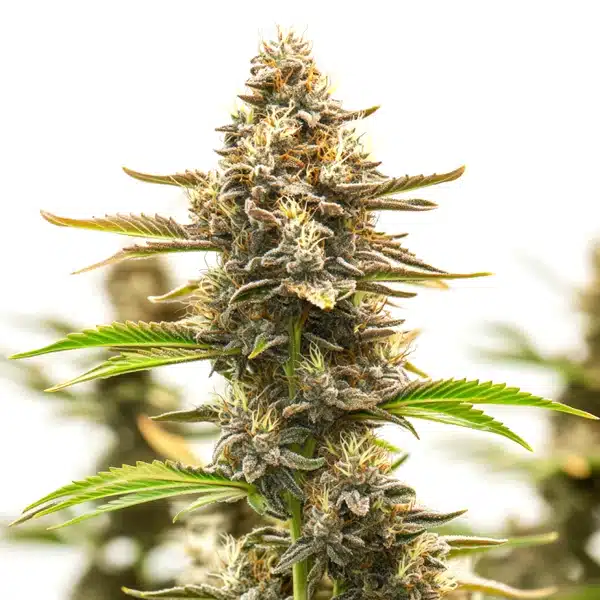
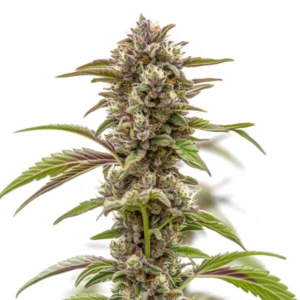
Neville Haze Auto

|
THC | 18% - 22% (Medium) |

|
Type | Autoflowering |

|
Yield | High |

|
Phenotype | 40% Indica / 60% Sativa |
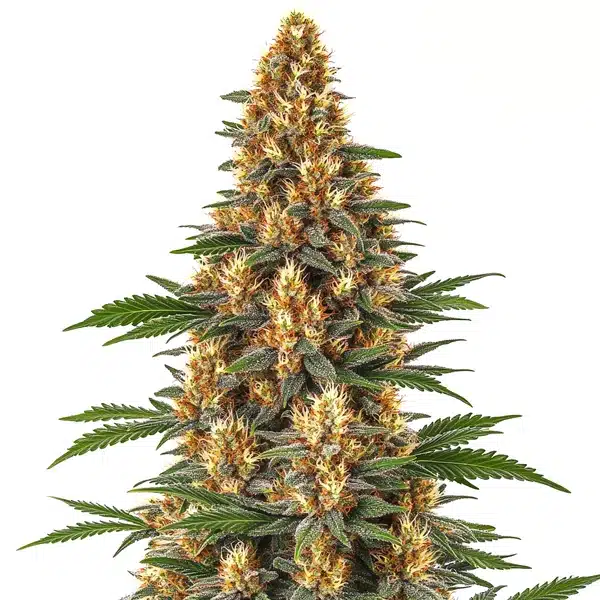
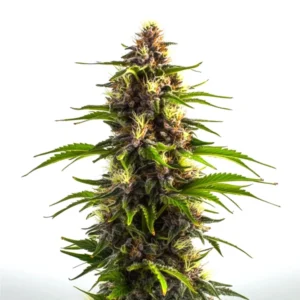
Neville's Haze
|
|
THC | 21% (Medium) |
|
|
Type | Feminized |
|
|
Yield | High |
|
|
Phenotype | 25% Indica / 75% Sativa |
Cannabis Growth Stages and Nutrient Needs
Seedling Stage Nutrient Needs
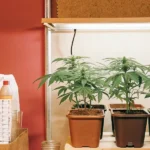
During the seedling stage, cannabis plants primarily rely on the nutrients stored within the seed itself. This stage typically lasts for 2-3 weeks. Introducing fertilizers too early can overwhelm the delicate root system, leading to nutrient burn. Ensure that your growing medium maintains a pH of 6.5 for optimal nutrient uptake.
Seedlings require minimal external nutrients. Focus on maintaining a stable environment with temperatures between 70°F – 75°F (21°C – 24°C) and humidity around 65-70%. This creates an ideal setting for root development, preparing the plant for the more demanding vegetative stage.
Vegetative Stage Fertilization
As plants enter the vegetative stage, their nutrient demands increase significantly. A nitrogen-rich fertilizer with an N:P:K ratio of 3:1:2 is ideal for promoting lush foliage and strong stems. This stage can last from 4 to 8 weeks, depending on the strain and growing conditions.
Monitor your plants closely for signs of nutrient deficiencies, such as yellowing leaves or stunted growth. Adjust your nutrient mix accordingly, and remember that liquid fertilizers provide immediate absorption but increase the risk of over-fertilization. Consider using half the recommended dose to avoid nutrient burn.
Flowering Stage Fertilization
During the flowering stage, nutrient needs shift towards phosphorus and potassium to support bud development. A typical N:P:K ratio for flowering is 1:3:2. This stage requires careful monitoring of the nutrient balance to prevent deficiencies and ensure optimal bud growth.
Fertilize cannabis in the flowering stage every week, adjusting based on plant health and environmental conditions. Avoid excessive nitrogen, which can lead to airy buds. Regularly assess the plant’s response to the fertilizer and make adjustments as needed.
Promos & Deals

Recognizing and Addressing Nutrient Deficiencies
Visual Signs of Deficiency
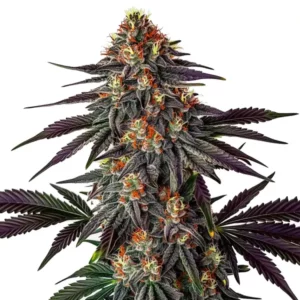
Nutrient deficiencies manifest through various symptoms, primarily visible on the leaves. Yellowing or browning leaves often indicate a lack of nitrogen, while purple stems can signal phosphorus deficiency. Understanding these signs allows you to adjust your fertilization strategy promptly.
Regularly inspect your plants for these signs. Use visual cues combined with environmental data, such as light intensity and humidity, to tailor your nutrient applications. This proactive approach ensures that your plants remain healthy and productive throughout their lifecycle.
Environmental Factors Affecting Uptake
Environmental conditions significantly impact nutrient uptake. Temperature fluctuations and humidity levels can alter how effectively plants absorb nutrients. For instance, high temperatures can increase evaporation, reducing nutrient availability.
Maintain a stable environment with temperatures between 68°F – 77°F (20°C – 25°C) and humidity levels around 50-60%. This stability supports optimal nutrient absorption, helping to prevent deficiencies and promote vigorous growth.
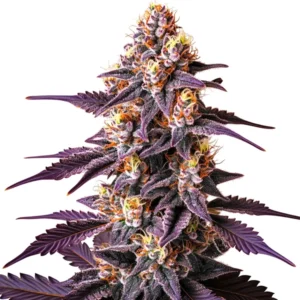
| Feature / Merkmal | Mamba Negra | Lemon Kush F1 | Purple Lemonade Auto |
|---|---|---|---|
| THC Content | 19-22% | 20-24% | 18-20% |
| Dominant Terpene | Myrcene | Limonene | Caryophyllene |
| Aroma Profile | Earthy, Fruity | Citrus, Spicy | Sweet, Berry |
| Flowering Time | 8-9 weeks | 9-10 weeks | 7-8 weeks |
| Yield | 1.6 oz/ft² (500 g/m²) | 1.8 oz/ft² (550 g/m²) | 1.5 oz/ft² (450 g/m²) |
Best Practices for Cannabis Fertilization
Creating a Fertilization Schedule
A consistent fertilization schedule is essential for cannabis growth. Start with a base nutrient solution tailored to your specific strain’s needs. Adjust the nutrient concentration based on the growth stage, increasing phosphorus and potassium during flowering.
Track your plant’s response to the schedule by monitoring growth rates and leaf color. This data-driven approach allows for timely adjustments, ensuring your plants receive the nutrients they need for optimal health and yield.
Integrating Fertigation Techniques
Cannabis fertigation combines irrigation and fertilization, allowing for precise nutrient delivery. This method enhances nutrient uptake efficiency, especially in hydroponic systems. Use a drip system to administer nutrients directly to the root zone, minimizing waste.
Regularly test the nutrient solution’s pH and electrical conductivity (EC) to maintain optimal levels. Aim for a pH of 5.5-6.5 and an EC of 1.2-2.0 mS/cm. This precision ensures that your plants receive a balanced nutrient supply without the risk of over-fertilization.
Expert Tips for Cannabis Fertilization
- Maintain a pH of 6.5 for nutrient solutions in soil. Deviations can lock out essential nutrients, stunting growth.
- Use a N:P:K ratio of 1:3:2 during flowering. Excess nitrogen can lead to airy buds and reduced potency.
- Limit nitrogen in late flowering to prevent nutrient buildup, which affects flavor and aroma.
- Incorporate both slow-release and liquid fertilizers to balance immediate and sustained nutrient needs.
- Adjust fertigation frequency based on environmental conditions like temperature and humidity.
- Flush plants with pH-balanced water 10 days before harvest to clear excess nutrients.
FAQs About Cannabis Fertilization
Is October too late to fertilize?
October can be too late to fertilize cannabis outdoors, especially in regions with early frosts. Indoor growers may continue fertilization if environmental conditions are controlled. Generally, reduce fertilization in late flowering to allow plants to use stored nutrients, improving flavor and aroma.
What fertilizer makes buds bigger?
Fertilizers high in phosphorus and potassium, such as those with an N:P:K ratio of 1:3:2, promote larger bud development. These nutrients support robust flowering and bud density. Avoid excessive nitrogen during this stage, as it can lead to loose buds.
How often should you fertilize cannabis?
Fertilize cannabis every 1-2 weeks during the vegetative stage and every 1 week during flowering. Adjust frequency based on plant health and environmental conditions. Monitor for signs of nutrient deficiency or excess to fine-tune your schedule.
When should I stop fertilizing my cannabis plants?
Cease fertilization 10-14 days before harvest. This allows plants to metabolize residual nutrients, enhancing the final product’s taste and aroma. Flushing with pH-balanced water during this period can further improve quality.
Can I use organic fertilizers for cannabis?
Yes, organic fertilizers are suitable for cannabis cultivation. They provide a balanced nutrient profile and improve soil health. However, they may release nutrients more slowly than synthetic options, requiring careful timing and monitoring to avoid deficiencies.