Cannabis Plant Anatomy Diagram: A Detailed Visual Guide

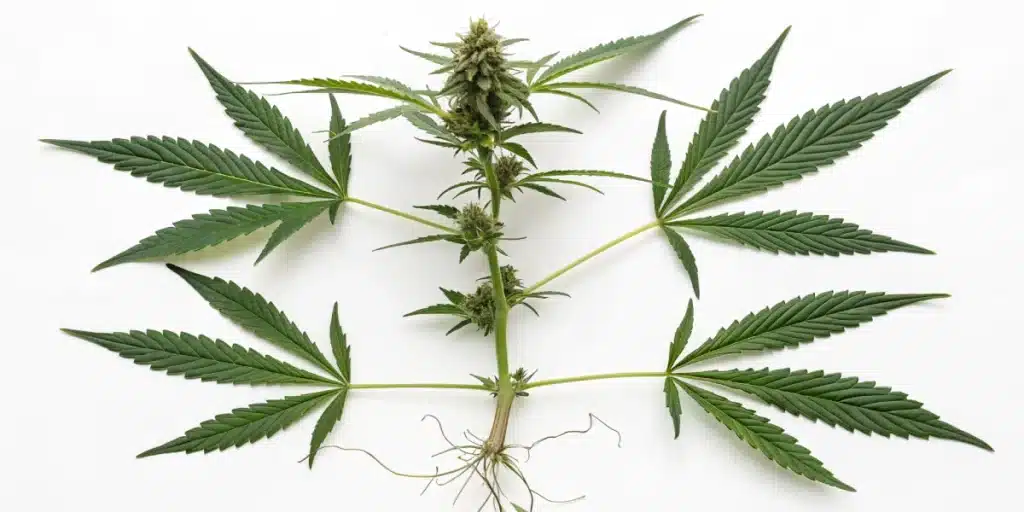
Cannabis Plant Anatomy Diagram: A cannabis plant anatomy diagram is a detailed visual representation of the plant’s structure, highlighting key components such as roots, stems, leaves, and flowers. The diagram aids in understanding the plant’s physiology, including the 28-day sap cycle and optimal pH of 6.5 for soil. Growers can use this information to enhance cultivation practices, ensuring healthy growth and maximizing yield.
Delve into the complex world of cannabis with our detailed anatomy diagram. This guide reveals the plant’s unique structure, from its intricate root systems to the resinous flowers. Did you know cannabis leaves can develop up to 13 leaflets, maximizing photosynthesis? Such features are crucial for optimizing light absorption and enhancing plant health.
Recommended Strains


Overview of Cannabis Plant Anatomy
Importance of Each Plant Part
Each component of the cannabis plant plays a vital role in its growth and productivity. Roots, for instance, anchor the plant and absorb essential nutrients, while stems provide structural support. Leaves act as solar panels, capturing light for photosynthesis, and flowers produce the cannabinoids and terpenes that define the plant’s potency and aroma.
The vascular system, comprising xylem and phloem, transports water and nutrients throughout the plant. This network ensures a steady flow of life-sustaining fluids, supporting the plant’s overall health and resilience. Understanding these parts helps growers optimize conditions for maximum yield and quality.
Detailed Cannabis Plant Structure
The cannabis plant’s structure is a marvel of nature, with each part intricately designed to perform specific functions. Roots spread through the soil, absorbing water and nutrients, while stems rise, carrying these nutrients to the leaves and flowers. This transportation system is crucial for the plant’s development and productivity.
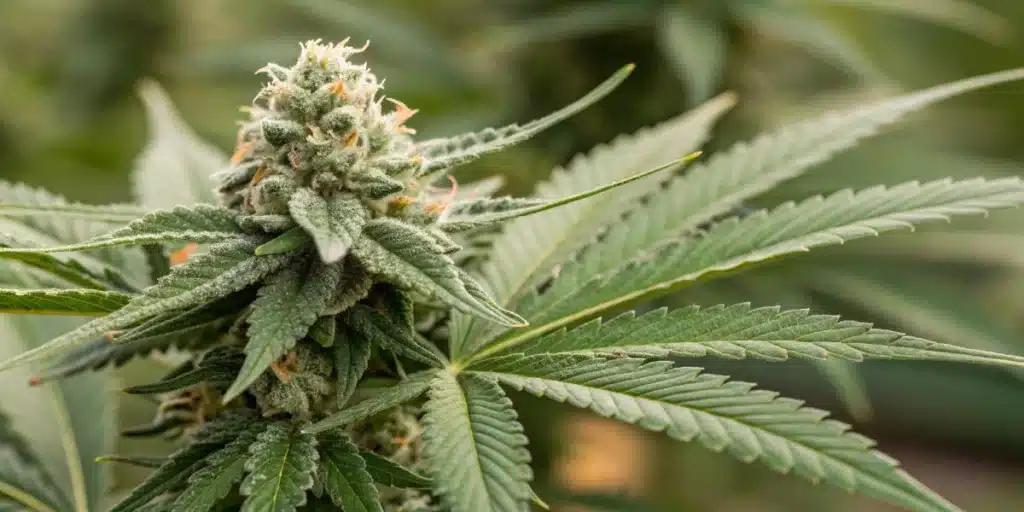
Leaves, with their serrated edges and central vein, play a key role in photosynthesis. They house chloroplasts that capture light energy, converting it into sugars necessary for growth. The leaf structure also includes stomata, which regulate gas exchange, balancing water retention and carbon dioxide intake.
Promos & Deals
The Role of Flowers in Cannabis Plant Morphology
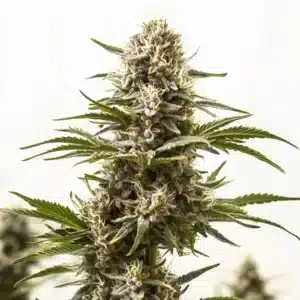
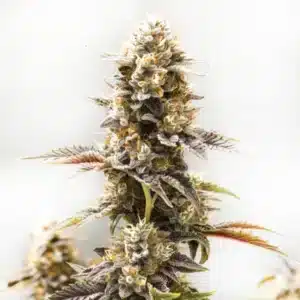
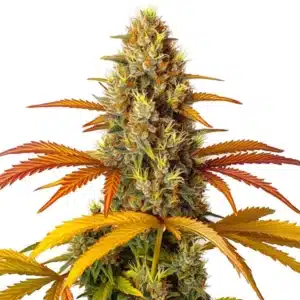
Flowers are the reproductive organs of the cannabis plant and are pivotal in determining the plant’s value. They contain the highest concentration of cannabinoids and terpenes, which are crucial for both medical and recreational uses. The morphology of cannabis flowers includes calyxes, pistils, and trichomes, each contributing to the plant’s potency and aroma. Trichomes, in particular, are glandular structures that produce resin, rich in THC and CBD.
Cannabis Leaf Structure
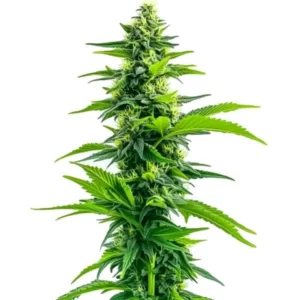
The cannabis leaf structure is designed for optimal efficiency in photosynthesis. Each leaf consists of a petiole and a blade, with the blade featuring multiple leaflets. The arrangement of these leaflets maximizes surface area, enhancing light capture. The stomata on the leaf surface play a crucial role in gas exchange, allowing CO2 to enter for photosynthesis and releasing oxygen as a byproduct.
Visualizing the Cannabis Plant Anatomy Diagram
A cannabis plant anatomy diagram is an invaluable tool for growers. It provides a visual representation of the plant’s structure, aiding in the identification of each part and its function. By understanding the anatomy of the cannabis plant, growers can better manage nutrient delivery, light exposure, and environmental conditions to optimize growth and yield.
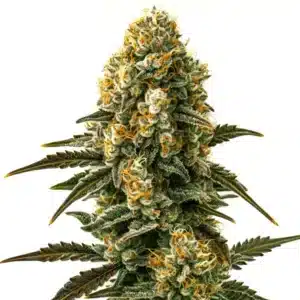
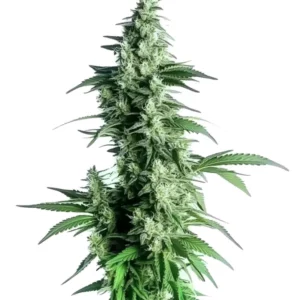
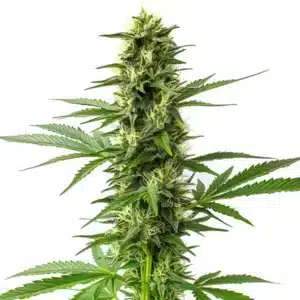
| Feature / Merkmal | Frosted Guava Autoflower | Purple Gelato | Z OG X Bruce Banner Regular |
|---|---|---|---|
| THC Content (%) | 20-24% | 18-22% | 22-26% |
| Dominant Terpene | Myrcene | Limonene | Caryophyllene |
| Flavor Profile | Fruity, Earthy | Citrus, Sweet | Berry, Diesel |
| Effect | Relaxing, Euphoric | Uplifting, Calming | Creative, Energizing |
| Growth Time | 8-9 weeks | 9-10 weeks | 10-12 weeks |
Professional Tips for Cannabis Cultivation
- Maintain a pH of 6.5 in soil for optimal nutrient uptake, preventing deficiencies. Avoid pH fluctuations, which can stress the plant and reduce yield.
- Ensure your cannabis leaves have up to 13 leaflets for maximum light absorption. Prune strategically to avoid overcrowding and ensure each leaf receives adequate light.
- Monitor the sap cycle, which takes 28 days to complete. This understanding helps in timing nutrient applications and other interventions for optimal growth.
- Keep indoor temperatures between 68°F – 77°F (20°C – 25°C) for ideal growth conditions. Temperatures outside this range can slow growth and affect bud quality.
- Use a light schedule of 12/12 for photoperiodic strains to induce flowering. Incorrect light cycles can delay flowering or cause reversion to vegetative growth.
- Check trichome development under magnification to determine the best harvest time. Harvesting too early or late affects potency and flavor.
FAQs about Cannabis Plant Anatomy
What fertilizer makes buds bigger?
High-phosphorus fertilizers boost bud size by enhancing flower development. Use a 1:3:2 NPK ratio during flowering for optimal results. Over-fertilization can lead to nutrient burn, so apply according to the plant’s needs and growth stage.
What is the anatomy of the cannabis plant?
The cannabis plant consists of roots, stems, leaves, and flowers. Roots absorb nutrients, stems provide support, leaves conduct photosynthesis, and flowers produce cannabinoids. Each part is crucial for the plant’s health and yield, with roots and leaves playing key roles in nutrient uptake and energy production.
Does hydrogen peroxide stop bud rot?
Hydrogen peroxide can prevent bud rot by killing fungal spores. Use a 3% solution diluted in water for foliar sprays. However, it can also damage plant tissues if overused, so apply sparingly and monitor plant response.
How do I use a cannabis plant anatomy diagram for better growth?
Use the diagram to identify plant parts and their functions, aiding in targeted interventions. Recognize nutrient deficiencies early by comparing plant symptoms with diagram indicators. This approach enhances growth consistency and maximizes yield potential.