Low-Quality Weed: How to Spot It and Avoid It Every Time

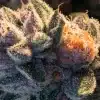
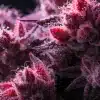
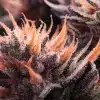
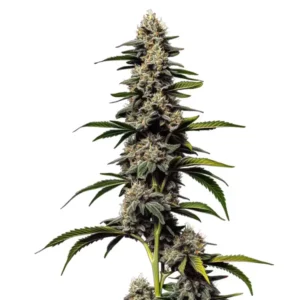
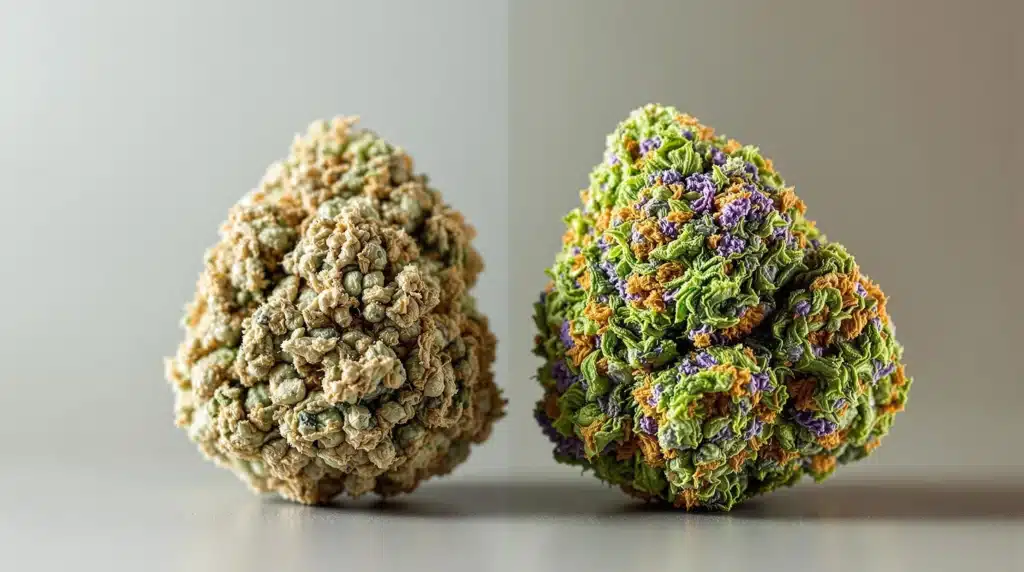
You can spot low-quality weed using four senses-worth of clues: look, smell, feel and content. Low-quality bud typically looks dull brown, yellow or overly pale with few visible trichomes, contains lots of stems and seeds, and is either bone-dry and crumbly or damp and spongy. It often has little to no aroma (or a hay-like, musty, or ‘off’ smell), and it smokes harsh. By contrast, high-quality weed is dense and well-trimmed, frosted with sparkling trichomes, vividly colored (rich greens, sometimes purples, with orange pistils), aromatic and pungent, slightly sticky but properly cured (not wet, not dusty), and free of seeds and excess stem.
The worst signs are mold (fuzzy white/grey growth, musty smell), never smoke that. Quality comes down to genetics, how it was grown, and especially how it was harvested, dried and cured. Below: the detailed signs of low vs high quality, why it matters, and how to make sure you get good bud every time.
Recommended Strains
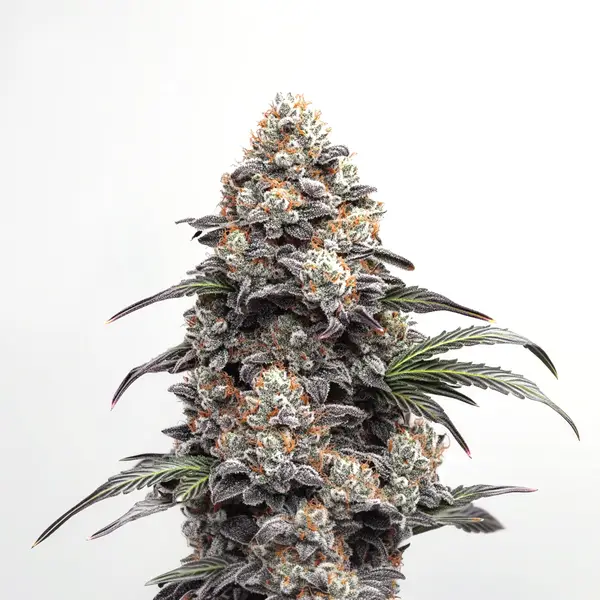
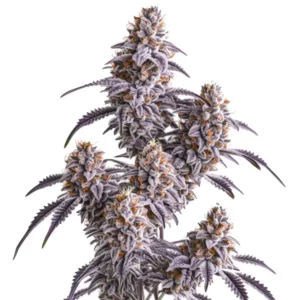
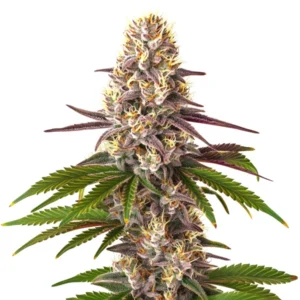
Alien GG

|
Type | Feminized |

|
THC | 23% - 24% (High) |

|
Phenotype | 70% Indica / 30% Sativa |

|
Yield | High |
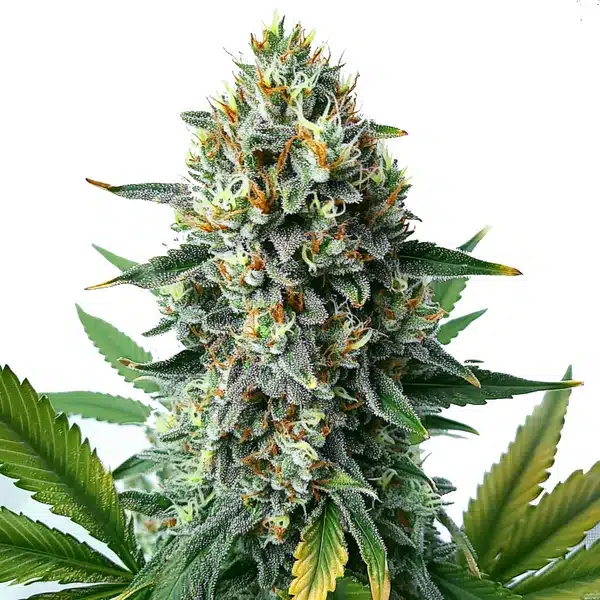
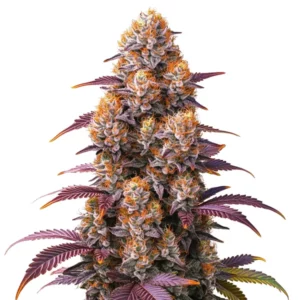
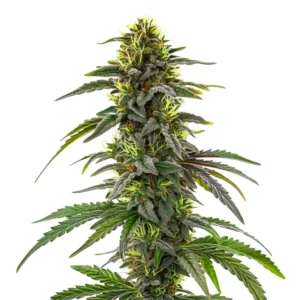
Alien OG Fast Version
|
|
Type | Fast Flowering |
|
|
THC | 14% - 16% (Medium) |
|
|
Phenotype | 70% Indica / 30% Sativa |
|
|
Yield | High |
Low-Quality vs High-Quality: The Signs
How to tell them apart at a glance:
| Clue | Low-quality | High-quality |
|---|---|---|
| Color | Dull brown, yellow, overly pale | Vivid green, purples, orange pistils |
| Trichomes | Few or none; looks flat | Frosty, sparkling coat |
| Smell | Faint, hay-like, musty or off | Strong, pungent, aromatic |
| Texture | Crumbly-dry or damp/spongy | Sticky but properly cured |
| Seeds / stems | Lots of seeds and stem | Clean, well-trimmed, seedless |
| Smoke | Harsh | Smoother, flavorful |
Promos & Deals

What Low-Quality Weed Looks (and Smells) Like
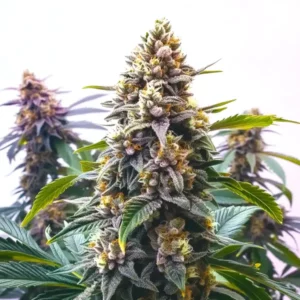
Training your eye and nose is the best defence. Start with appearance: good bud is vivid and frosty with visible trichomes, so dull, brown, yellowed or washed-out flower with little sparkle is a red flag, as are lots of seeds and thick stems (a sign of poor genetics, a stressed/pollinated grow, or just padding out weight). Next, smell: quality cannabis is noticeably aromatic and pungent, so weak, grassy, hay-like or musty smells suggest old, badly cured or low-grade bud, and a sharp, moldy or ammonia-like odor is a serious warning. Texture matters too: properly cured bud is slightly sticky and springy, while bone-dry, dusty, crumbly weed has lost its terpenes, and damp, spongy weed risks mold.
Finally, how it smokes: harsh, headache-inducing smoke that burns black and uneven points to poor flushing/curing. Any single sign isn’t proof, but several together reliably flag low quality. And remember the absolute red line, if you see or smell mold, discard it (see our guide to moldy weed); never smoke it.
Why Quality Varies, and ‘Mids’
Weed quality isn’t random, it comes from genetics, growing conditions and, above all, post-harvest handling. Good genetics set the potential, a healthy grow (proper light, feeding, environment) develops it, and a careful harvest, dry and cure preserve the trichomes and terpenes that define quality, while rushing or mishandling any step produces flat, harsh, low-grade bud even from decent genetics. That’s why ‘quality’ spans a spectrum rather than a simple good/bad split: top-shelf flower at one end, ‘schwag’ or ‘brick weed’ at the other, and ‘mids’ (mid-grade) in between, perfectly usable bud that isn’t premium.
It’s also worth knowing that some buds look ugly (small, airy or odd-colored) without actually being bad, so appearance alone isn’t the whole story. For the nuance, see our guides to mids weed and ugly buds. The practical point: quality matters because it affects potency, flavor, smoothness and safety, and understanding where it comes from helps you judge bud fairly and spot when you’re being shortchanged.
How to Avoid Low-Quality Weed
Avoiding bad bud mostly comes down to source and inspection. Buy from reputable sources, a licensed dispensary or trusted grower is far more likely to provide properly grown, cured and (where applicable) lab-tested cannabis than an unknown street source. When you can, inspect before you commit: check the color and trichome frost, smell for a strong, pleasant aroma, and feel for that cured, slightly-sticky texture, no seeds, minimal stem, no mold. If you grow your own, you control quality end to end: start with good genetics, grow healthy plants, harvest at peak trichome ripeness, and, most importantly, dry slowly and cure properly, which is where a lot of home-grown quality is won or lost.
Store finished bud cool, dark and airtight to keep it fresh. Doing these things means you rarely end up with disappointing weed. Whether buying or growing, the same senses, look, smell, feel, and the same priority on careful curing are what consistently get you good-quality cannabis.

FAQs About Low-Quality Cannabis
How do I spot low-quality weed?
It tends to look dull brown, yellow or washed-out with few visible trichomes, contains lots of seeds and stems, and is either crumbly-dry or damp. It usually has a faint, hay-like or musty smell and smokes harsh. High-quality bud, by contrast, is frosty, vividly colored, aromatic, properly cured and clean. Any fuzzy mold or musty-ammonia smell means discard it.
What are the signs of good weed?
Look for dense, well-trimmed buds coated in sparkling trichomes, vivid color with orange pistils, a strong pleasant aroma, and a slightly sticky, properly cured texture (not wet, not dusty), with no seeds, minimal stem and no mold. It should smoke smoother and more flavorful. Several good signs together indicate quality; mold always means reject it.
Are mids low-quality weed?
Not exactly. ‘Mids’ (mid-grade) sit between top-shelf and bottom-shelf, perfectly usable, decent bud that just isn’t premium, whereas truly low-quality or ‘schwag’ weed is brown, seedy, harsh and poorly cured. Also, some buds look ugly without being bad. So judge by the full picture (look, smell, feel, cure), not appearance alone, mids can still be a fine, affordable choice.
Why does weed turn out low quality?
A mix of poor genetics, a stressed or rushed grow, and especially bad post-harvest handling, a hurried or hot dry and a skipped cure flatten the trichomes and terpenes that define quality, producing harsh, flat bud even from okay genetics. Old age and bad storage also degrade weed. Good genetics, a healthy grow and careful curing are what create quality.