Top Heavy Metals Testing Methods for Cannabis Flower: Expert Guide

Testing for heavy metals in cannabis flower is crucial for ensuring safety and quality. As cannabis cultivation becomes more popular, both first-time buyers and seasoned growers need to be aware of the heavy metals testing methods for cannabis flower. This guide aims to provide practical insights into the process, helping you make informed decisions.
Various testing protocols for cannabis heavy metals have been developed to ensure that the final product is safe for consumption. These methods are designed to detect even the smallest traces of harmful substances. By knowing these protocols, growers can maintain the integrity of their crops.
Recommended Strains


One practical example is the use of ICP-MS cannabis testing. This method involves using advanced technology to detect and quantify metal residues. It is widely regarded as one of the most effective techniques for cannabis flower heavy metals analysis.
Common Heavy Metals in Cannabis
Certain heavy metals are more likely to contaminate cannabis plants than others. These include lead, cadmium, arsenic, and mercury. Each of these metals poses unique risks to human health and must be carefully monitored.
Lead, for instance, can cause serious neurological issues. Even small amounts can be harmful over time. Cadmium is another metal to watch out for; it can accumulate in the body and cause kidney damage. Regular heavy metals screening in marijuana helps prevent these risks.
Moreover, arsenic and mercury, although less common, can still pose significant health threats when present in cannabis plants. Arsenic exposure is associated with skin lesions and cancer, while mercury can affect the nervous system. Accurate testing protocols for cannabis heavy metals are essential to identify these contaminants early on.
Knowing the sources of these heavy metals is crucial for effective prevention. Contaminated soil, polluted water, and industrial activities near growing areas can contribute to metal uptake in cannabis plants. By regularly conducting cannabis heavy metal contamination testing, growers can ensure their products are within safe consumption limits.
Promos & Deals




ICP-MS: A Key Testing Method
ICP-MS, or Inductively Coupled Plasma Mass Spectrometry, is a popular method for cannabis heavy metal contamination testing. This technique is known for its sensitivity and accuracy. It can detect trace levels of metals that other methods might miss.
The process involves ionizing the sample and measuring the mass of ions. This provides precise data on the presence of heavy metals. It’s a preferred method for many labs due to its reliability and efficiency.
The precision offered by ICP-MS cannabis testing is unmatched, making it a cornerstone in modern testing methods. This technique allows for the detection of even the most minute traces of heavy metals, providing a comprehensive analysis of cannabis flower heavy metals.
Laboratories favor ICP-MS for its ability to handle multiple samples simultaneously, increasing throughput without sacrificing quality. This efficiency is crucial for meeting the growing demand for safe cannabis products, ensuring that heavy metals testing methods for cannabis flower are both effective and scalable.
Preparing Samples for Testing
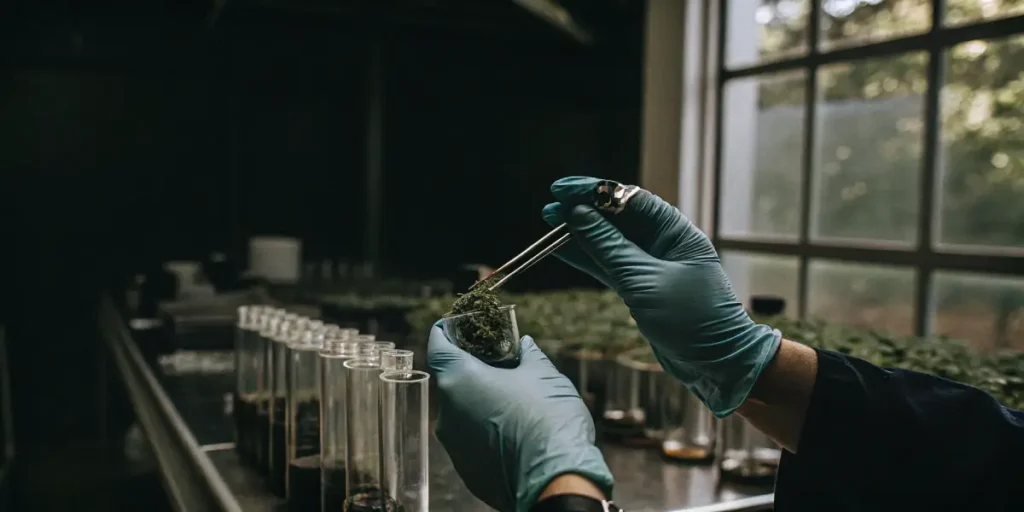
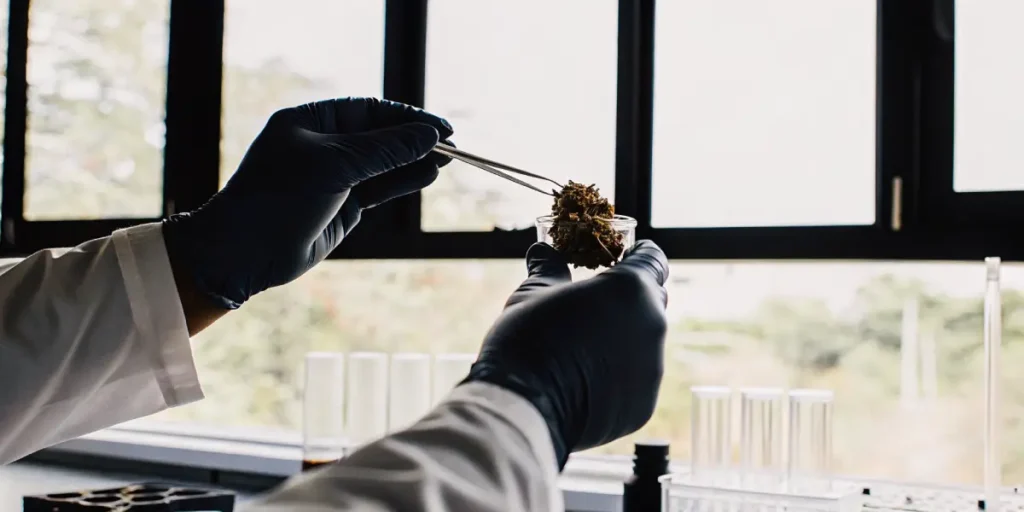
Sample preparation is a vital step in the testing process. Cannabis samples must be carefully handled to avoid contamination. Proper drying and grinding are essential to ensure consistency.
For example, when preparing a batch of Tangie from Blimburn Seeds, meticulous care in sample handling ensures accurate results. Even slight contamination can skew results, leading to inaccurate assessments.
Ensuring that samples are free from cross-contamination is crucial. This involves using clean equipment and maintaining a controlled environment throughout the preparation process. Adhering to stringent protocols guarantees that the results reflect the true composition of the cannabis flower.
The consistency of sample preparation also plays a role in the reliability of the results. By standardizing the drying and grinding processes, labs can produce repeatable and verifiable outcomes, strengthening the overall integrity of heavy metals screening in marijuana.
Interpreting Test Results
Once testing is complete, interpreting the results is crucial. Lab reports will detail the presence and concentration of metals. Knowing these results helps growers take necessary actions to address contamination.
In some cases, results may show high levels of a specific metal. This can prompt a review of cultivation practices. For instance, changing soil or water sources can significantly reduce metal uptake by plants.
It is essential for growers to understand the implications of test results fully. High concentrations of metals may require immediate action to mitigate risks, such as altering nutrient regimens or exploring alternative growing methods.
Furthermore, collaborating with labs to better understand the data can lead to improved cultivation strategies. By integrating feedback from cannabis flower heavy metals analysis, growers can enhance their practices, ensuring a safer and higher-quality product for consumers.
Preventing Heavy Metal Contamination
Preventing contamination starts with selecting the right growing environment. Clean soil, water, and air are critical. Regular testing can identify potential sources of contamination early.
Choosing strains known for their resilience to heavy metals can also be beneficial. Strains like GG4 from Blimburn Seeds are cultivated to withstand environmental stresses, reducing the risk of metal uptake.
Additionally, implementing sustainable agricultural practices can significantly contribute to preventing heavy metal contamination. Employing crop rotation and using biochar in soil amendments can reduce the metal bioavailability to plants.
Educating growers on best practices for contamination prevention is key. Workshops and training sessions focusing on the latest heavy metals testing methods for cannabis flower can empower growers to make informed decisions, promoting long-term sustainability and safety in the industry.
Importance of Testing in Cannabis Industry
Testing for heavy metals is not just a regulatory requirement; it’s a crucial step in ensuring consumer safety. As the cannabis industry grows, so does the importance of maintaining rigorous testing standards.
Quality assurance depends heavily on reliable testing methods. By adhering to established testing protocols, growers can guarantee the safety and efficacy of their products. This builds trust with consumers and supports the industry’s credibility.
Emphasizing the importance of rigorous testing can lead to broader industry improvements. As more stakeholders recognize the value of cannabis heavy metal contamination testing, the collective commitment to safety and quality will strengthen the industry’s reputation.
Furthermore, transparency in testing results can enhance consumer confidence. By openly sharing testing outcomes, companies can demonstrate their dedication to safety and quality, fostering greater loyalty among consumers who prioritize these attributes in their purchasing decisions.
Technology and Advancements in Testing
Advancements in technology have revolutionized the way heavy metals are detected in cannabis. New methods and equipment have made testing more accessible and precise.
Laboratories now use state-of-the-art equipment that provides faster turnaround times and more detailed analyses. This enables more proactive approaches to managing contamination risks and improving product quality.
The evolution of testing technology continues to drive improvements in the cannabis industry. With cutting-edge tools like ICP-MS cannabis testing, labs can deliver more accurate and comprehensive results, bolstering consumer safety and trust.
As technology advances, the potential for innovation in heavy metals screening in marijuana grows. Emerging techniques promise to offer even greater precision and efficiency, further enhancing the industry’s ability to address contamination challenges and ensure product excellence.
FAQs about heavy metals testing methods for cannabis flower
What are the common heavy metals found in cannabis flower?
Common heavy metals include lead, cadmium, arsenic, and mercury. These metals can enter plants through contaminated soil, water, or air. Regular testing helps in identifying their presence and ensures that the cannabis is safe for consumption.
Lead can cause neurological problems, while cadmium affects kidney function. Arsenic and mercury also pose significant health risks. Regular heavy metals screening in marijuana helps prevent these potential dangers from reaching consumers.
Knowing the pathways through which these metals contaminate cannabis is essential for effective prevention. Comprehensive testing protocols for cannabis heavy metals are necessary to identify and mitigate these risks, ensuring consumer safety.
By staying informed about common contaminants and their sources, growers can implement targeted strategies to reduce the presence of these harmful metals in their crops, safeguarding both their products and their reputation.
How does ICP-MS cannabis testing work?
ICP-MS, or Inductively Coupled Plasma Mass Spectrometry, works by ionizing the sample and measuring the mass-to-charge ratio of ions. This allows for the detection of trace levels of heavy metals with high precision.
This method is especially useful for cannabis flower heavy metals analysis due to its accuracy and efficiency. It is a preferred choice for many labs conducting cannabis heavy metal contamination testing.
The advanced nature of ICP-MS technology ensures that even the smallest traces of metals are detected, providing a thorough assessment of the cannabis sample. This accuracy is critical for maintaining high safety standards in the industry.
By leveraging the capabilities of ICP-MS cannabis testing, laboratories can offer reliable and rapid analysis, enabling growers to swiftly address any contamination issues and deliver safer products to market.
How can growers prevent heavy metal contamination?
Growers can prevent contamination by ensuring their growing environment is clean. This includes using uncontaminated soil, water, and air. Regular testing can help identify potential contamination sources early.
Additionally, choosing resilient strains like GG4 from Blimburn Seeds and employing organic growing practices can significantly reduce the risk of heavy metal uptake in cannabis plants.
Adopting a holistic approach to cultivation can further minimize contamination risks. This involves integrating best practices across all aspects of the growing process, from seed selection to harvest and beyond.
Continuous education and adaptation are key. By staying informed about the latest heavy metals testing methods for cannabis flower and emerging prevention strategies, growers can proactively protect their crops and ensure high-quality outcomes.
Why is testing important in the cannabis industry?
Testing ensures the safety and quality of cannabis products. It helps in identifying and mitigating risks associated with heavy metal contamination, which is crucial for consumer safety.
Moreover, adhering to testing protocols for cannabis heavy metals builds trust with consumers and supports the industry’s credibility. It is a key factor in maintaining high standards and ensuring product efficacy.
The function of testing extends beyond regulatory compliance; it is a fundamental component of quality control that underpins the integrity of the cannabis market. Reliable testing methods are essential for fostering consumer confidence and ensuring long-term industry success.
As the cannabis sector continues to expand, the importance of maintaining rigorous testing standards will only grow. By prioritizing safety and quality through comprehensive testing, the industry can continue to thrive and evolve responsibly.
What advancements have been made in heavy metal testing?
Technological advancements have greatly improved testing methods. Modern labs use advanced equipment that offers faster and more detailed analysis, making testing more efficient.
These advancements have made testing more accessible, allowing for proactive management of contamination risks. They have significantly contributed to the overall improvement in the quality and safety of cannabis products.
Innovations in testing technology have opened new avenues for detecting and quantifying heavy metal levels, paving the way for more effective heavy metals testing methods for cannabis flower. This progress ensures that the industry can meet ever-evolving safety standards.
The ongoing development of novel testing techniques promises to enhance the accuracy and efficiency of cannabis heavy metal contamination testing, further solidifying the industry’s commitment to consumer safety and product excellence.