Proven Methods: How to Test Cannabis for Heavy Metals Easily

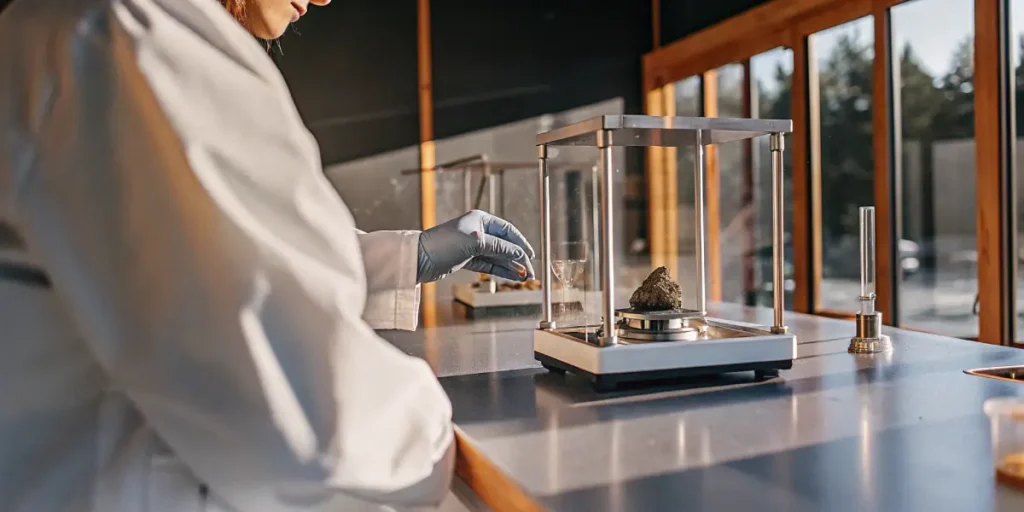
Testing cannabis for heavy metals is crucial for both new and seasoned growers. Contaminants can affect the safety and quality of your cannabis. Whether you’re cultivating cannabis for personal use or commercial purposes, ensuring your buds are safe is paramount. There are several methods you can use to test for heavy metals, each with its own pros and cons. This article will guide you through the best methods for testing cannabis heavy metals.
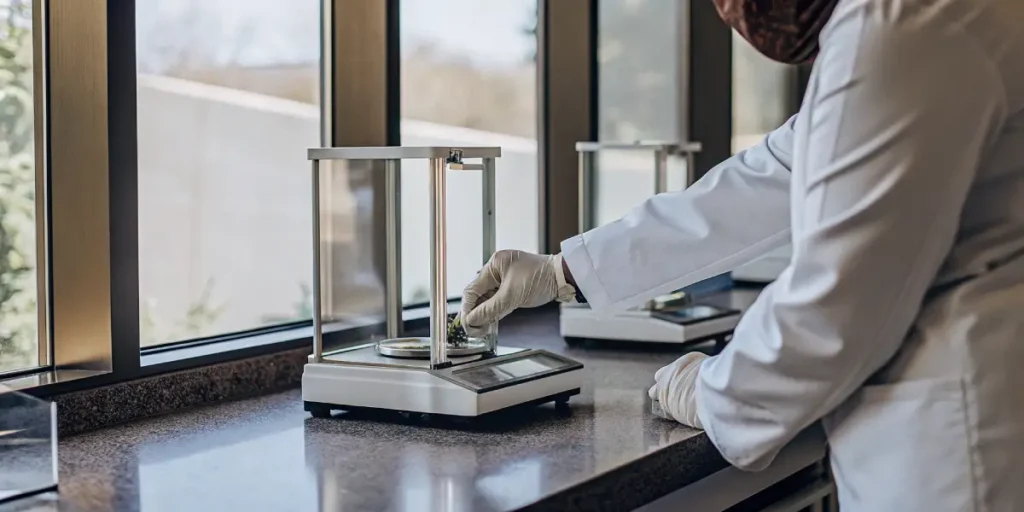
When it comes to laboratory equipment for cannabis heavy metal analysis, it can be overwhelming. However, knowing what tools are necessary can simplify the process. From atomic absorption spectrometry to inductively coupled plasma mass spectrometry, each tool serves a purpose. For hobbyist growers, affordable cannabis heavy metal testing services can be an ideal choice. They offer professional insights without the need for expensive equipment.
Recommended Strains

Fat Bastard

|
THC | 30% - 38% (High) |

|
Type | Feminized |

|
Yield | High |

|
Phenotype | 50% Indica / 50% Sativa |

Granddaddy Purple
|
|
THC | 25% (High) |
|
|
Type | Feminized |
|
|
Yield | High |
|
|
Phenotype | 70% Indica / 30% Sativa |
Among the strains from Blimburn Seeds, the Fat Bastard, Granddaddy Purple, and Girl Scout Cookies are popular choices. These strains require careful monitoring to ensure they are free from heavy metal contamination. By choosing reliable testing methods, you can enjoy these strains with peace of mind.
Key Methods for Testing Heavy Metals in Cannabis
Atomic absorption spectrometry is one of the best methods for testing cannabis heavy metals. It allows for precise detection of metals like lead, cadmium, and mercury. The process involves vaporizing a sample and analyzing the light absorption. This method is highly accurate but requires specialized equipment and expertise.
Inductively coupled plasma mass spectrometry (ICP-MS) is another effective method. It can detect metals at trace levels, making it ideal for thorough analysis. While ICP-MS offers detailed results, it can be costly. For small-scale growers, collaborating with labs that offer affordable cannabis heavy metal testing services might be more feasible.
Another promising method gaining traction is X-ray fluorescence (XRF) spectrometry. This non-destructive technique allows for rapid screening of heavy metals in cannabis samples. XRF is advantageous because it requires minimal sample preparation, making it less labor-intensive. However, its accuracy for detecting trace levels might not match that of ICP-MS, making it more suitable for preliminary assessments.
For growers interested in how to test cannabis for heavy metals using cost-effective methods, portable XRF devices could be considered. These devices offer a balance between precision and convenience, especially for field testing. While they may not replace lab-based methods, they can serve as a valuable tool in the initial screening process, providing quick insights that can guide further testing decisions.
Knowing Cannabis Heavy Metal Testing Regulations in the USA
In the USA, cannabis heavy metal testing regulations vary from state to state. Some states require mandatory testing for specific metals, while others have broader criteria. For example, California mandates testing for arsenic, cadmium, lead, and mercury. Staying informed about local regulations ensures compliance and consumer safety.
Meeting these regulations is not just about legal compliance. It’s about ensuring the health of those consuming the cannabis. By following the guidelines, you protect your product’s reputation and ensure customer satisfaction. Regular testing also helps in identifying any cannabis cultivation heavy metal contamination prevention steps you might need to implement.
It’s critical for growers to stay updated with the evolving cannabis heavy metal testing regulations in the USA. Regulatory bodies frequently update standards based on new research and public health findings, which can impact testing protocols. Engaging with industry associations and subscribing to regulatory updates can keep you informed and prepared for compliance changes.
Knowing these regulations deeply impacts business operations, especially for brands like Blimburn Seeds. By prioritizing compliance, growers not only safeguard their products but also build trust with consumers who demand transparency about the safety of cannabis products. This proactive approach enhances brand loyalty and sets a benchmark for quality in the industry.
Practical Tips for Implementing Heavy Metal Testing
Start by identifying a reliable testing lab. Look for facilities that specialize in cannabis testing and have certified lab technicians. They should offer a range of testing options and have a track record of accuracy. Labs that use state-of-the-art equipment will provide the most reliable results.
Consider the costs associated with each testing method. While some methods like ICP-MS are more expensive, they offer detailed insights. For commercial growers, investing in comprehensive testing pays off in customer trust and product quality. Meanwhile, hobbyists might prefer labs offering affordable cannabis heavy metal testing services.
To streamline the testing process, develop a relationship with a trusted laboratory. Consistent collaboration allows labs to understand your specific needs, leading to more tailored and efficient testing services. This partnership can also facilitate easier navigation of testing logistics and result interpretation.
Incorporating regular internal audits of your cultivation practices can also aid in identifying potential contamination sources. By integrating these audits with external lab testing, you create a robust system for ensuring the purity of strains like Fat Bastard. This comprehensive strategy minimizes risks and promotes high-quality yields.
Promos & Deals




FAQs about how to test cannabis for heavy metals
What are the common heavy metals found in cannabis?
Common heavy metals found in cannabis include lead, cadmium, arsenic, and mercury. These can enter the plant through contaminated soil, water, or fertilizers. Regular testing helps in identifying these metals and ensuring the safety of the cannabis.
Testing is essential, especially for strains like Girl Scout Cookies from Blimburn Seeds. This strain, with its sweet aroma and potent effects, must be free from heavy metals to ensure consumer safety. Timely testing can prevent potential health risks associated with heavy metal exposure.
The presence of heavy metals in cannabis is a significant concern due to their potential to cause serious health issues. Chronic exposure to metals like lead and cadmium can lead to neurological and kidney damage. This makes regular testing not just a regulatory requirement but a necessary step in safeguarding consumer health.
For growers, knowing how these metals accumulate in cannabis plants can inform better cultivation practices. By monitoring environmental factors and opting for clean inputs, you can reduce the likelihood of contamination. This proactive stance supports both compliance with cannabis heavy metal testing regulations in the USA and consumer safety.
How often should I test my cannabis for heavy metals?
The frequency of testing depends on several factors, including the scale of your operation and local regulations. For commercial growers, testing every batch is advisable. This ensures consistent quality and compliance with cannabis heavy metal testing regulations in the USA.
For personal growers, testing at the beginning and end of the growing cycle is often sufficient. This ensures that any contamination is identified early and addressed promptly. Regular testing also helps in maintaining the reputation of strains like Fat Bastard, known for its robust effects.
Implementing a routine testing schedule can greatly enhance the quality control process. By establishing a clear timeline for testing, you can consistently monitor your cannabis for potential contamination throughout its growth cycle. This systematic approach is essential for maintaining the integrity of products from Blimburn Seeds.
Additionally, incorporating regular soil and water tests can complement plant testing, offering a comprehensive view of potential contamination sources. This holistic strategy enables you to address issues proactively, ensuring that your cannabis remains safe and compliant with industry standards.
What should I do if my cannabis tests positive for heavy metals?
If your cannabis tests positive for heavy metals, it’s important to take immediate action. Identify the source of contamination, whether it’s the soil, water, or nutrients. Consider switching to organic, heavy metal-free products to prevent future contamination.
Dispose of the contaminated batch responsibly, adhering to local regulations. For the future, consider investing in more thorough testing methods or collaborating with labs that offer affordable cannabis heavy metal testing services. This ensures that future crops, like those from Granddaddy Purple seeds, remain uncontaminated.
Engaging with experts can provide additional insights into remediation techniques. Consulting with agricultural scientists or environmental specialists can help identify effective methods for detoxifying affected areas, thereby minimizing future risks of contamination.
Incorporating preventive measures is equally crucial. Implementing best practices for cannabis cultivation heavy metal contamination prevention, such as using certified clean inputs and optimizing growing conditions, can significantly reduce the risk of heavy metal uptake in future harvests.
Can I use home testing kits for cannabis heavy metals?
Home testing kits are available, but they often lack the precision of laboratory methods. While they can provide a general indication of contamination, they might not detect trace levels of heavy metals. For peace of mind, professional testing is recommended.
Home kits can serve as a preliminary step, especially for hobbyist growers. However, for commercial operations or strains with high stakes like Girl Scout Cookies, professional testing ensures compliance and safety. Accurate results protect both the grower and the consumer.
When considering home testing kits, it’s important to weigh their limitations against their convenience. While they offer immediate results, the lack of detailed analysis could lead to false negatives or positives, impacting decision-making processes for growers of strains like Granddaddy Purple.
For those who opt for home testing kits, following up with a certified lab test is advisable. This dual approach can validate initial findings and provide a more comprehensive knowing of your cannabis’s safety profile, aligning with best practices for testing cannabis heavy metals.
Are there any preventive measures to avoid heavy metal contamination?
Yes, several measures can help prevent heavy metal contamination. Start by using clean, uncontaminated soil and water. Regularly test these elements to catch any issues early. Organic nutrients and fertilizers can also reduce the risk of contamination.
Regularly rotate your crops and monitor environmental conditions. By maintaining optimal growing conditions, you reduce the risk of contamination in strains such as Gorilla Glue. Prevention not only safeguards your crop but also enhances its quality and yield.
Implementing a comprehensive environmental monitoring plan can further bolster your prevention efforts. This plan should include regular assessments of air quality, soil health, and water sources, facilitating early detection of potential contamination threats.
Additionally, selecting genetically resilient strains from reputable suppliers like Blimburn Seeds can enhance your crop’s resistance to environmental stressors. By prioritizing genetics and optimal growing conditions, you can significantly minimize the risk of heavy metal uptake.