The Smart Shopper’s Guide to Delta 9 Gummies: What to Look for Before You Buy

The Delta 9 gummy market has grown rapidly, often faster than consumer understanding of how to choose Delta 9 gummies correctly. As a result, many people are buying products without fully knowing what separates high-quality options from low-quality ones.
Without the right information, it becomes difficult to judge safety, effectiveness, and overall value before making a purchase.
Recommended Strains

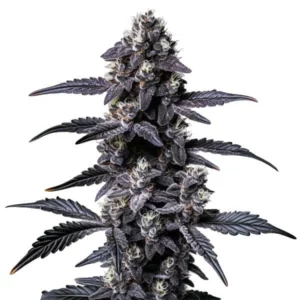
Fat Bastard

|
THC | 30% - 38% (High) |

|
Type | Feminized |

|
Yield | High |

|
Phenotype | 50% Indica / 50% Sativa |

Permanent Marker
|
|
THC | 32% - 34% (High) |
|
|
Type | Feminized |
|
|
Yield | High |
|
|
Phenotype | 50% Indica / 50% Sativa |
Whether you’re new to Delta 9 or looking to make more informed choices about products you’re already using, this guide covers what actually matters before you buy.
What Delta 9 Actually Is
Delta 9 THC is the primary psychoactive compound in cannabis, the same compound found in traditional marijuana products. The legal distinction for hemp-derived Delta 9 gummies in the US comes from the 2018 Farm Bill, which legalised hemp and hemp-derived products containing no more than 0.3% Delta 9 THC by dry weight. Gummies that meet this threshold while delivering a meaningful dose per piece are legal at the federal level in states that haven’t specifically restricted them.
Knowing this legal context matters before purchasing, both to know what you’re legally buying and to understand the dose constraints that this regulatory framework creates.
1. Third-Party Lab Testing Is the Most Important Thing to Check
Any Delta 9 gummy worth buying will have a Certificate of Analysis (COA) from an independent, accredited third-party laboratory, readily accessible before purchase. This document shows the actual cannabinoid content of the product, confirms it meets the legal THC threshold, and screens for contaminants including pesticides, heavy metals, and residual solvents.
A brand that doesn’t publish COAs or makes them difficult to find is a brand worth avoiding. The COA is the only way to verify that a product contains what it claims to contain, and in a market where labelling isn’t consistently regulated, third-party testing is the primary consumer protection available.
2. Source and Extraction Method Affect Quality
The quality of Delta 9 gummies starts with the hemp they’re derived from. Hemp grown in regulated US conditions under state agricultural programmes is subject to oversight that hemp from uncontrolled sources is not. The extraction method used to isolate the cannabinoids also matters, CO2 extraction is the cleanest method and produces the purest output, while solvent-based extraction methods can leave residual chemicals if not properly managed.
According to the FDA’s guidance on cannabis-derived products, consumers should look for products from manufacturers who can document their sourcing and production processes clearly, as quality control varies significantly across the market. Transparent brands publish their hemp sourcing and extraction methods alongside their lab results.
3. Dosing Should Be Clear and Consistent
Delta 9 gummies are available in a range of doses, typically between 5mg and 25mg per piece. The right dose varies significantly between individuals based on tolerance, body weight, metabolism, and experience with cannabinoids. What matters from a product quality perspective is that the dose stated on the label matches the dose in the product, which is exactly what third-party COAs verify.
Consistent dosing between pieces in the same batch is also important. Poorly manufactured gummies can have uneven cannabinoid distribution, meaning one piece delivers significantly more or less than another. This inconsistency makes it impossible to manage your experience predictably.
For a more complete knowing of dosing, effects, and what to expect, CannaBuddy offers both a comprehensive Guide to Delta 9 gummies and a curated range of products, combining education with options that reflect those standards.
4. Ingredients Should Be Clean and Recognisable
Beyond the cannabinoid content, the ingredient list of a Delta 9 gummy tells you what you’re actually consuming. High-quality products use natural flavourings, natural colourants, and clean carriers. Lower-quality products use artificial dyes, synthetic flavours, and cheap filler ingredients that affect both the taste and the overall quality of the experience.
Vegan and allergen-free options are available for consumers with dietary considerations. Brands that offer these formulations typically reflect a higher overall standard of ingredient sourcing and manufacturing care.
5. Brand Reputation and Transparency Matter
In a market with limited regulatory oversight, brand reputation is a meaningful quality signal. Brands that have been operating consistently, have a documented track record, respond to customer questions transparently, and publish comprehensive lab results across their product range are demonstrably more reliable than those that have appeared recently with minimal verifiable history.
Promos & Deals




Final Thoughts
Smart shopping for Delta 9 gummies comes down to prioritising transparency over marketing. A brand that publishes its lab results, sources its hemp cleanly, doses consistently, and uses quality ingredients is a brand worth buying from.
A brand that can’t or won’t provide this information isn’t one you should trust with something you’re putting in your body. The information you need to make a good decision is available, from brands worth choosing, it’s never hard to find.