THCA Flower vs THC Flower: Key Differences

The difference between THCA and THC flower comes down to one thing: heat. THCA (tetrahydrocannabinolic acid) is the raw, non-psychoactive form of the cannabinoid found in living cannabis. When you heat it by smoking, vaping or baking, it converts into THC and becomes psychoactive. So THCA flower and THC flower can come from the very same buds; the difference is whether that conversion has happened yet.
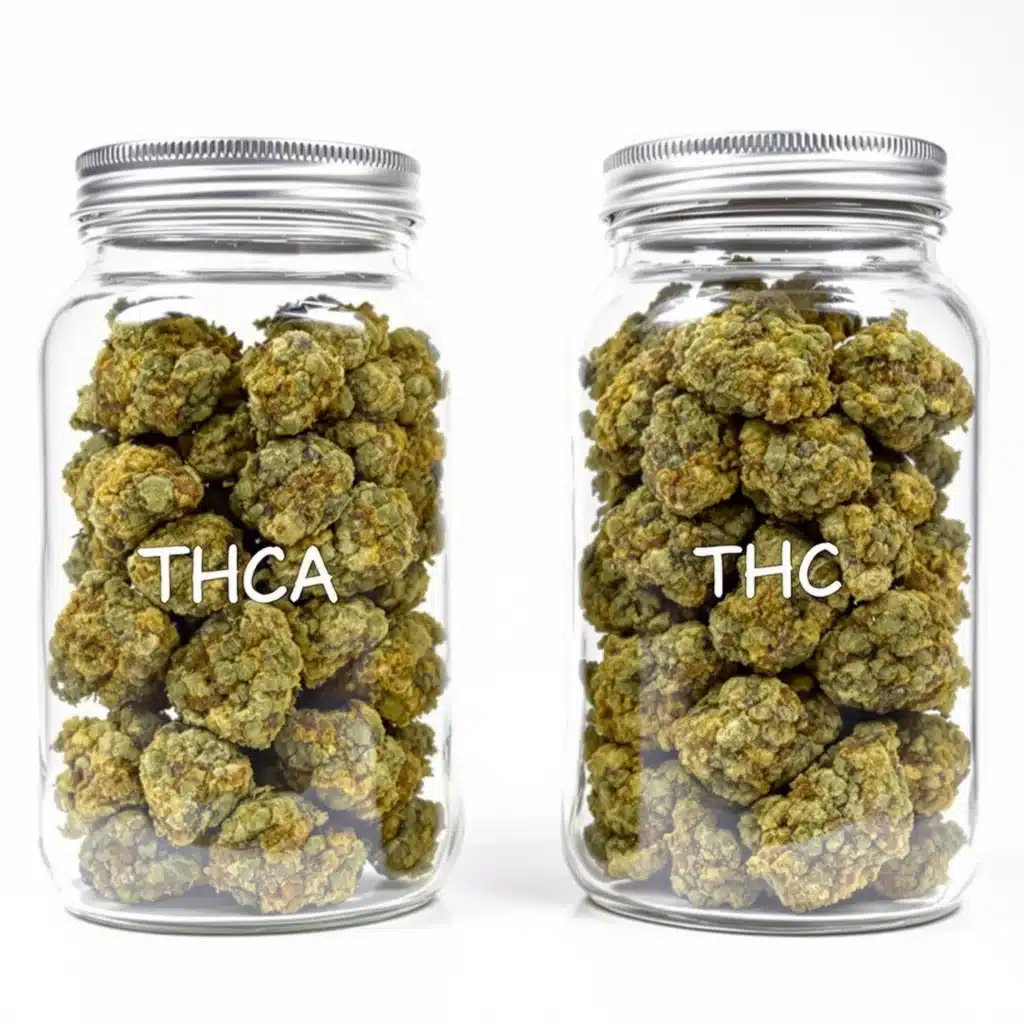
Because they share the same genetics, THCA and THC flower look, smell and grow the same way. A THCA-rich plant carries the same terpenes, such as myrcene at around 0.5-1.0%, and most strains finish flowering in 8-10 weeks. What changes is how you use the harvest: keep it raw for a non-intoxicating option, or heat it to unlock a full THC high.
Recommended Strains
Afghan Kush

|
THC | 16% - 21% (Medium) |

|
Type | Feminized |

|
Yield | High |

|
Phenotype | 90% Indica / 10% Sativa |

Afghan Kush Regular
|
|
THC | 18% - 22% (Medium) |
|
|
Type | Regular |
|
|
Yield | Medium |
|
|
Phenotype | 90% Indica / 10% Sativa |
| Feature | THCA Flower | THC Flower |
|---|---|---|
| Raw cannabinoid | THCA (acidic form) | THC (active form) |
| Psychoactive as-is | No | Yes |
| How it activates | Needs heat (decarboxylation) | Already active |
| Typical potency | 25-30% THCA | 20-30% THC |
| Effect before heating | Non-intoxicating | Already active |
| Effect after heating | Same high as THC | Immediate high |
| Legal status (US) | Often sold as hemp under the 2018 Farm Bill if below 0.3% delta-9 THC; varies by state | Regulated as marijuana in most states |
| Best for | Users who want flexibility | Traditional recreational use |
What is THCA and THC?
Chemical Composition and Effects
THCA and THC are both cannabinoids, but they have slightly different chemical structures. THCA is the acidic form, and it converts into THC through decarboxylation, a reaction triggered by heat. That small change lets THC bind to the CB1 receptors in your brain, which is what produces the high. THCA does not bind well to those receptors, so on its own it stays non-psychoactive.
THCA-rich strains often test at 25-30% THCA, and once decarbed they reach similar THC numbers. Heat also affects the terpenes: raw THCA flower keeps more of the delicate ones like limonene, the terpene behind bright citrus aromas that some research links to mood support. You can grow strains this potent yourself from high-THC seeds.
During decarboxylation, heat removes a carboxyl group from THCA and turns it into THC. This is the step that activates the plant’s psychoactive side. It matters legally too: the federal standard is shifting toward total THC, which counts THCA. The reaction is temperature-sensitive, so precise control gets you the most THC without burning off cannabinoids.
Practical Application & Yield
For growers, understanding the THCA to THC conversion is the key to potency. Aim for about 220°F (104°C) during decarboxylation: hot enough for a full conversion, gentle enough to protect the terpenes. Done right, this can raise the usable THC content by up to 30%. If you want to measure it, our THCA to THC calculator does the math for you.
Curing matters just as much. Keep the environment at 58-62% relative humidity to protect the terpenes, and resist the urge to rush it with heat. Going above 240°F (115°C) is the most common mistake, and it burns off both terpenes and cannabinoids, leaving you with weaker, flatter flower.
Good curing and storage keep both THCA and THC flower potent and flavorful for longer. Steady humidity stops mold from taking hold and protects the active compounds over time. Skip this step and even top-shelf genetics will lose aroma and strength within a few weeks.
| Feature | THCA Flower | THC Flower | Regular Dispensary Weed |
|---|---|---|---|
| Absorption time | 5-10 minutes | 5-10 minutes | 5-10 minutes |
| Bioavailability | 15-30% | 30-50% | 15-50% |
| Duration | 2-3 hours | 2-4 hours | 2-4 hours |
| Peak onset | 30 minutes | 30 minutes | 30 minutes |
| Psychoactivity | Only after heating | Immediate | Immediate |
Promos & Deals

THCA Flower vs THC Flower: Effects and Potency Compared
Psychoactive Effects and Potency
THCA flower stays non-psychoactive until you heat it, which appeals to people who want the plant without the high. THC flower, by contrast, hits right away, so it is the go-to for recreational users. Once THCA converts, the usable potency can climb by up to 30%, depending on the strain and how carefully it is decarbed.
A strain like GG4, for example, can reach 28-32% THC after decarboxylation. That jump also feeds the entourage effect, the idea that cannabinoids and terpenes such as caryophyllene (0.4-0.7%) work together rather than alone, shaping the overall aroma, mood and relaxation you feel.
The entourage effect is one of the most talked-about ideas in cannabis science. It proposes that cannabinoids and terpenes together produce a fuller experience than any single compound on its own. The effect tends to feel most obvious in rich THC flower, where dozens of active compounds are present at once.
Medical and Recreational Uses
Early research is exploring THCA for possible anti-inflammatory and neuroprotective effects, which is part of why some people choose it when they want to avoid intoxication. It is not a proven treatment for any condition, so talk to a doctor about your situation. THC flower, on the other hand, is chosen mainly for its euphoric, mood-lifting effects.
Choosing between THCA and THC flower really comes down to your goal. If you want to stay clear-headed and skip the high, raw THCA flower is the flexible option. If you are after a classic, potent cannabis experience, THC flower delivers it straight away.
Timing can also guide the choice. Used raw, THCA gives a longer, low-key experience with no high, while activated THC tends to feel shorter and more intense. Many people keep both on hand and pick one depending on the moment and how they want to feel.
How to Choose Between THCA and THC Flower
Considerations for Medical Use
If you are looking at cannabis for wellness reasons, start with the cannabinoid profile and the effect you want. Raw THCA flower is non-psychoactive, so some people prefer it for daytime use when they need to stay functional. Any therapeutic use should be discussed with a healthcare professional first.
Strains like Sour Diesel, which can carry 25-27% THCA, are popular with users who want the raw flower without the high. Its limonene content (0.5-1.0%) gives it a bright, citrusy profile that many associate with an uplifting mood.
Scientists believe THCA interacts with the body’s endocannabinoid system, and early studies are investigating whether it plays a role in inflammation. This research is still preliminary, so THCA should not be treated as a substitute for medical care. If you are managing a chronic condition, speak with your doctor before using any cannabis product.
Recreational Preferences
Recreational users usually reach for THC flower because the effects arrive immediately. A classic like Skunk 1, with THC around 20-24%, delivers that familiar, well-rounded experience. Its myrcene content (0.8-1.2%) adds to the relaxed, mellow side of the high.
When you are weighing THCA vs THC flower, think about the experience you want. THCA is the flexible pick: enjoy it raw with no high, or heat it when you do want one. THC flower is the straightforward recreational choice, ready the moment you light it.
A lot of THC flower’s recreational appeal comes from the way it heightens the senses and gets creativity flowing. Researchers link that buzz to the brain’s reward system and the release of dopamine, which drives the feelings of euphoria many users are after.
Professional Tips for THCA and THC Flower
- Keep humidity at 58-62% RH while curing to protect the terpenes. Below 55% stalls terpene development; above 65% invites mold.
- Decarboxylate at 220°F (104°C) for the cleanest THCA to THC conversion. Higher temperatures start degrading cannabinoids and terpenes.
- Choose strains high in myrcene (0.8-1.2%) if you want a more relaxing, sedative-leaning effect.
- Store flower somewhere dark and cool, around 59-70°F (15-21°C), to keep it potent for longer.
- Blend raw THCA and activated THC flower to fine-tune the balance between a clear head and a stronger high.
- Feed for potency: aim for N:P:K ratios near 3:1:2 in veg and 1:3:2 in flower for healthy, resinous growth.

FAQs About THCA and THC Flowers
Is THCa the same high as THC?
Not on its own. Raw THCA is non-psychoactive, so it will not get you high until heat converts it into THC through decarboxylation. Once you smoke, vape or bake THCA flower, it activates and feels just like THC flower, often reaching 25-30% THC after conversion.
Will THCa flower get you stoned?
THCA flower will not get you stoned while it stays raw. It only becomes psychoactive once heat turns the THCA into THC, so smoking or vaping it activates the high. After that conversion, strong THCA flower can behave like THC flower, reaching 28-32% THC in potent strains.
Is THCa flower as good as dispensary flower?
Yes, well-grown THCA flower can match dispensary THC flower once it is heated, because it converts into the same active THC. The real difference is the quality of cultivation, not the cannabinoid itself. Look for properly cured buds testing around 25-30% THCA for a dispensary-level experience.
Do you get stoned from THCa?
No, you do not get stoned from THCA by itself, since it is non-psychoactive in its raw form. You have to decarboxylate it with heat so the THCA becomes THC. Only then does THCA flower produce a high, comparable to THC flower and reaching up to 28-32% THC.
How do you consume THCA and THC flowers?
You can smoke, vape or cook with both THCA and THC flower. Smoking and vaping activate the flower instantly, while edibles take longer to kick in. Bioavailability varies too, roughly 30-50% for vaping and 4-20% for edibles. Remember that THCA flower needs heat to become psychoactive.
Is THCA flower the same as regular weed?
THCA flower is real cannabis, so in that sense it is regular weed. The only difference is that its THC still sits in the raw THCA form until you heat it. Standard dispensary weed has usually been dried and cured the same way, so once you light THCA flower, they behave almost identically.
What does THCA flower look like?
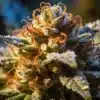
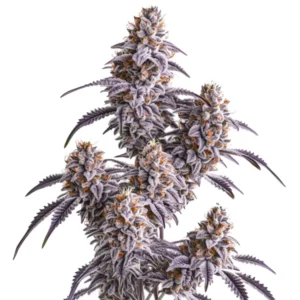
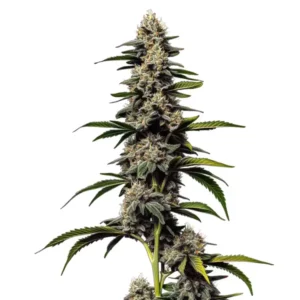
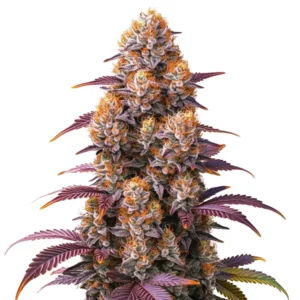
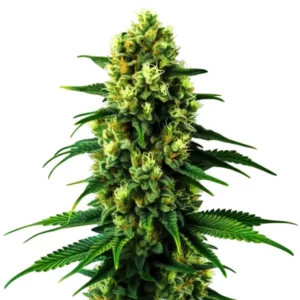
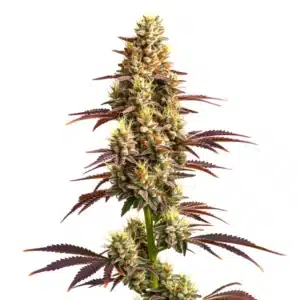
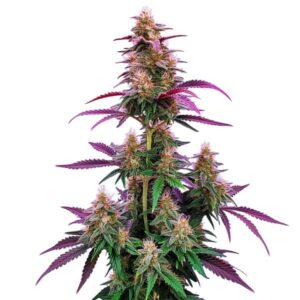
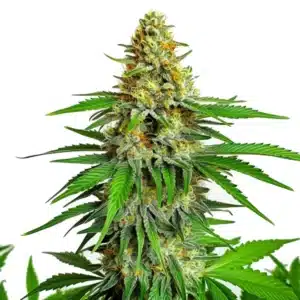
THCA flower looks exactly like any other cannabis bud: dense, trichome-covered nugs in shades of green with orange hairs and a frosty, crystal-like coating. You cannot tell THCA flower from THC flower by sight alone, because the difference is chemical. A lab test is the only reliable way to confirm its THCA content.
Is THCA flower legal?
It depends on where you live. Under the 2018 US Farm Bill, THCA flower is often sold as hemp when it tests below 0.3% delta-9 THC. However, many states regulate it separately, some ban it, and federal rules are moving toward measuring total THC. Always check your current local and state laws before buying THCA flower.