Terpenes and VOCs in Cannabis Aroma

In the world of cannabis, terpenes and VOCs in cannabis aroma are fundamental in crafting each strain’s distinct scent profile. While terpenes like myrcene and pinene contribute to the aroma, VOCs add additional layers of complexity and depth. For example, GG4 is renowned for its earthy and pungent aroma, influenced by a rich terpene profile and diverse VOCs, setting it apart from other strains.
Terpenes and VOCs: A Closer Look
Terpenes in Cannabis
Terpenes are aromatic compounds found in cannabis that significantly influence its scent. These compounds are produced in the plant’s trichomes and vary widely between strains. For instance, limonene provides a citrus aroma, while myrcene offers an earthy scent. Terpenes not only affect aroma but also interact with cannabinoids to enhance therapeutic effects.
Recommended Strains
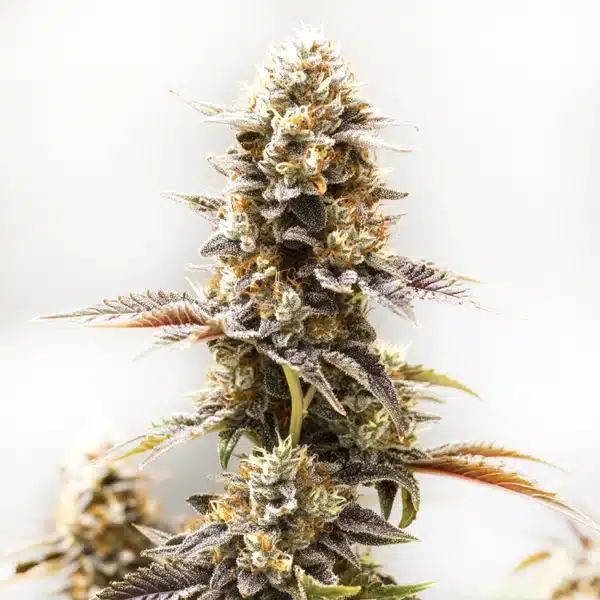


Experienced growers report that terpene concentrations can range from 1% to 5% of the plant’s dry weight. This variation affects the potency and aroma of the strain. Terpenes like myrcene, which can reach up to 1.5%, are known to enhance THC’s effects by increasing cell permeability.
Volatile Sulfur Compounds in Cannabis
Volatile sulfur compounds in cannabis, although present in smaller quantities, play a crucial role in the aroma profile. These compounds are responsible for the skunky and pungent notes found in many strains. They are particularly prominent in strains like GG4, contributing to its distinctive scent.
In the growing community, it’s noted that these sulfur compounds, though less than 0.1% of the plant’s weight, can dramatically alter the aroma. Knowing their role can help cultivators enhance the desired scent profile of their strains.
Promos & Deals
How Terpenes Influence Cannabis Aroma
Key Terpenes in Cannabis
Key terpenes in cannabis include myrcene, limonene, and pinene. Myrcene, often found in higher concentrations, provides an earthy and musky aroma. Limonene offers a citrusy scent and is linked to mood enhancement. Pinene, with its pine-like aroma, is known for its anti-inflammatory properties.
In strains like GG4, myrcene can be as high as 1.2%, contributing to its sedative effects. Limonene, present at around 0.8%, adds a refreshing citrus note. These terpenes not only define aroma but also influence the strain’s therapeutic effects.
Terpenes vs Cannabinoids
Terpenes vs cannabinoids is a common discussion among cannabis enthusiasts. While cannabinoids like THC and CBD are responsible for the psychoactive and therapeutic effects, terpenes enhance these effects through the entourage effect. This synergy can lead to more pronounced effects, such as increased relaxation or heightened alertness.
Master growers emphasize that the balance between terpenes and cannabinoids is crucial. For instance, a strain with 20% THC and a high myrcene content will produce a more sedative effect than one with low myrcene levels. This balance is key to tailoring cannabis experiences.
Function of VOCs in Cannabis Scent
Volatile Sulfur Compounds in Cannabis
Volatile sulfur compounds in cannabis are pivotal in creating its unique aroma. These compounds, although present in trace amounts, contribute to the skunky and pungent notes characteristic of many strains. They are particularly significant in strains like Koji, enhancing its distinctive scent.
Growers note that these compounds, while less than 0.05% of the plant’s composition, can significantly impact aroma. Knowing their role allows cultivators to manipulate the scent profile to achieve desired outcomes.
Benefits and Side Effects of Terpenes
List of Terpenes and Their Effects
The list of terpenes and their effects is extensive. Myrcene, for instance, is known for its sedative properties and can enhance the effects of THC. Limonene is linked to mood elevation and stress relief. Pinene, another common terpene, is noted for its anti-inflammatory effects and ability to improve focus.
Terpenes are not just about aroma; they have profound effects on the body and mind. For example, myrcene’s ability to enhance THC’s effects makes it a valuable component in medicinal strains. Knowing these effects can help users select strains that best meet their needs.
Innovative Uses of Terpenes
Terpenes Spray and Other Applications
Terpenes spray is an innovative way to enhance the aroma and flavor of cannabis products. These sprays can be used to add specific terpene profiles to cannabis, enhancing both scent and therapeutic effects. They are particularly popular in the culinary world, where they are used to infuse dishes with cannabis flavors.
In artisanal cultivation circles, terpenes sprays are used to mimic the aroma of popular strains. This application allows for customization of the cannabis experience, catering to personal preferences and enhancing the overall sensory experience.
Professional Tips for Enhancing Cannabis Aroma
- Maintain 58-62% RH during curing to preserve terpene profiles. Too low and terpenes evaporate; too high risks mold.
- Use a carbon filter in grow rooms to manage VOC emissions effectively.
- For enhanced aroma, consider using organic soil rich in nutrients that support terpene production.
- Monitor light intensity at 800-1000 µmol/m²/s to optimize terpene synthesis without degrading them.
- Store cannabis in airtight containers at 59-70°F (15-21°C) to maintain terpene integrity over time.
- Experiment with terpenes spray to customize and enhance the aroma of your cannabis products.
FAQs about Terpenes aterpenes and VOCs in cannabis aroma
Are terpenes VOCs?
Terpenes are a type of volatile organic compound (VOC) found in cannabis. They contribute significantly to the plant’s aroma and have potential therapeutic effects. While all terpenes are VOCs, not all VOCs are terpenes. This distinction is crucial for knowing their role in cannabis aroma.
Does cannabis emit VOCs?
Yes, cannabis emits VOCs, which include terpenes and other compounds. These VOCs are responsible for the plant’s distinctive aroma. The emission levels can vary based on the strain and cultivation methods, with some strains emitting more potent scents due to higher terpene concentrations.
Are terpenes responsible for the smell of the cannabis plant?
Terpenes are primarily responsible for the smell of the cannabis plant. They are aromatic compounds that provide each strain with its unique scent profile. For example, limonene gives a citrus aroma, while myrcene offers an earthy scent, both contributing to the plant’s overall fragrance.
Which terpenes help with arthritis?
Terpenes like caryophyllene and myrcene are known for their anti-inflammatory properties, which can help with arthritis symptoms. Caryophyllene interacts with CB2 receptors, reducing inflammation, while myrcene enhances relaxation and pain relief. These terpenes are often found in strains used for medicinal purposes.
How do VOCs contribute to the overall scent of cannabis?
VOCs, including terpenes and sulfur compounds, contribute to the overall scent of cannabis by creating complex aroma profiles. These compounds vary in concentration and type, affecting the intensity and character of the scent. For example, sulfur compounds add skunky notes, enhancing the plant’s aromatic diversity.