Plant VOC Emissions: Cannabis Basics

Terpenes, such as myrcene and limonene, are key VOCs emitted by cannabis, contributing to its distinct aroma and flavor profile. For growers learning the plant VOC emissions cannabis basics, these compounds are especially important because they can influence both the environment and human health, particularly in indoor cultivation settings. The flowering time of cannabis, often ranging from 8 to 10 weeks, is a critical period for VOC emission management.
What are VOCs in Cannabis?
Definition and Examples of VOCs
Volatile organic compounds (VOCs) are organic chemicals with high vapor pressure at room temperature, emitted by cannabis plants during their growth cycle. Common VOCs in cannabis include terpenes like myrcene, which provides an earthy aroma, and limonene, known for its citrus scent. These compounds can be present in concentrations of 0.5-2% in cannabis. Preserving them means slowing the oxidation that robs cannabis of aroma, and it helps to know that sulfur compounds add the skunky side of the scent.
Recommended Strains
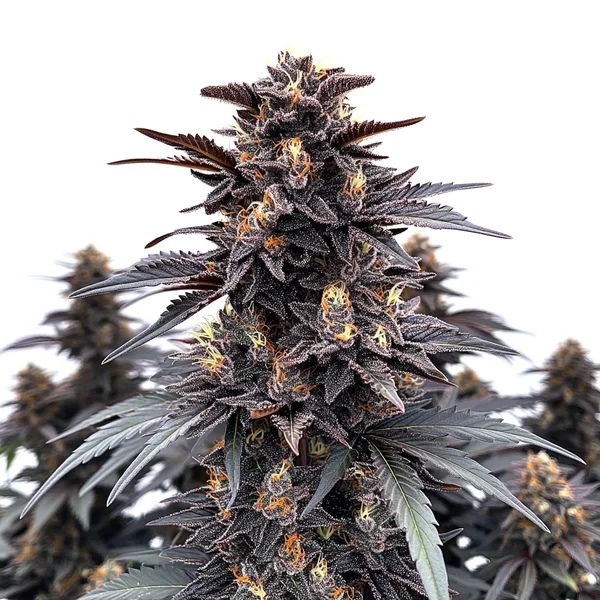
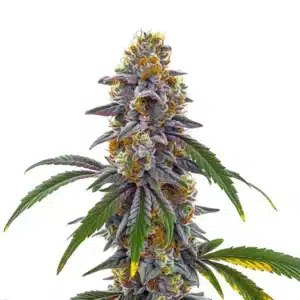
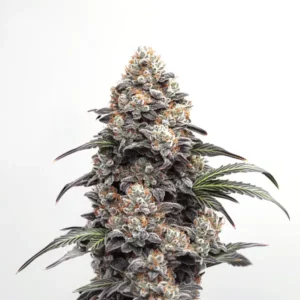
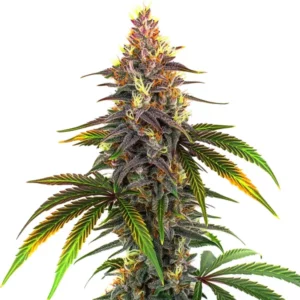
Indigo Sapphire

|
THC | 30% - 33% (High) |

|
Type | Feminized |

|
Yield | High |

|
Phenotype | 60% Indica / 40% Sativa |

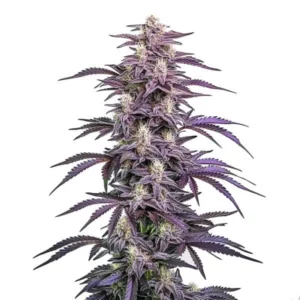
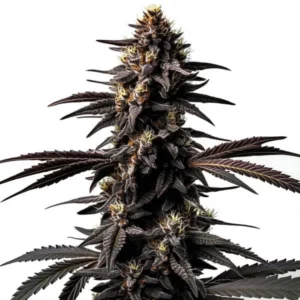
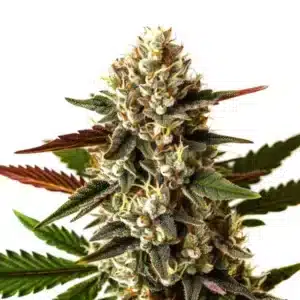
GMO
|
|
THC | 26% - 28% (High) |
|
|
Type | Feminized |
|
|
Yield | High |
|
|
Phenotype | 90% Indica / 10% Sativa |
In cannabis cultivation, VOCs contribute to the plant’s aroma and can also affect the surrounding environment. Terpenes like caryophyllene, which has a spicy note, interact with cannabinoid receptors, enhancing the entourage effect. This interaction can influence the plant’s therapeutic properties, making VOC management crucial for both quality and compliance.
Impact on Air Quality and Human Health
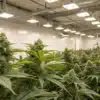
VOCs from cannabis can impact indoor air quality, particularly in enclosed growing environments. High concentrations of VOCs, such as those exceeding 500 µg/m³, can lead to respiratory issues and exacerbate conditions like asthma. Proper ventilation and air filtration systems are essential to mitigate these effects, ensuring a safe growing environment.
Experienced growers emphasize the importance of maintaining air quality to protect both plants and workers, especially when cultivating aromatic strains like Indigo Sapphire. Utilizing carbon filters and HEPA systems can effectively reduce VOC concentrations by 30–50%, minimizing health risks and improving overall air quality in cultivation facilities.
Promos & Deals
Impact of VOC Emissions on the Environment
Effects on Air Quality and Human Health
VOCs released by cannabis plants contribute to the formation of ground-level ozone, a pollutant that can harm human health and vegetation. In regions with dense cannabis cultivation, VOC emissions can significantly impact local air quality, leading to regulatory scrutiny. Monitoring VOC levels is crucial to comply with environmental standards, especially when cultivating potent and terpene-rich strains like GMO, which are known for their strong aromatic profiles and high VOC production.
Master growers report that implementing advanced air filtration systems can reduce VOC emissions by up to 50%, aligning with environmental compliance and enhancing sustainability. This proactive approach not only protects the environment but also supports community health by minimizing exposure to harmful pollutants.
Managing VOC Emissions in Cannabis Cultivation
Effective management of VOC emissions involves integrating technologies such as activated carbon filters and ozone generators. These systems can capture and neutralize VOCs, reducing their presence in the air. Cultivators should regularly monitor VOC levels, aiming to keep them below 200 µg/m³ to ensure compliance and safety.
Many cultivators share that maintaining optimal humidity levels, between 50-60% RH, can also help control VOC emissions. High humidity can increase VOC release, while low humidity can stress plants, affecting terpene production. Balancing environmental conditions is key to managing emissions effectively.
Additionally, knowing the biological mechanisms behind VOC production can aid in their management. Cannabis plants release VOCs through stomata, which are tiny openings on leaves that also facilitate gas exchange. These stomata open and close in response to environmental conditions, influencing VOC emissions. By controlling factors such as light, temperature, and humidity, growers can optimize stomatal behavior, thereby managing VOC output more effectively.
Professional Tips for Managing VOC Emissions
- Maintain 50-60% RH during flowering. High humidity can increase VOC emissions, while low humidity stresses plants, affecting terpene production.
- Use activated carbon filters to capture VOCs. These filters can reduce emissions by up to 50%, improving air quality and compliance.
- Regularly monitor VOC levels, aiming to keep them below 200 µg/m³ to ensure safety and regulatory compliance.
- Implement ozone generators to neutralize VOCs. These devices can significantly reduce emissions but must be used cautiously to avoid plant damage.
- Optimize ventilation systems to enhance air exchange rates, reducing VOC concentrations and improving plant health.
- Consider integrating HEPA filters to capture particulate matter, further improving air quality in cultivation environments.
FAQs about plant VOC emissions cannabis basics
What are VOCs and why are they important in cannabis cultivation?
VOCs, or volatile organic compounds, are chemicals emitted by cannabis plants that affect aroma and air quality. They are crucial in cultivation due to their impact on environmental compliance and plant health. For instance, VOCs like terpenes can account for 0.5-2% of the plant’s weight, influencing its therapeutic properties.
How do VOC emissions from cannabis affect air quality?
VOCs from cannabis can contribute to ground-level ozone formation, impacting air quality and health. In dense cultivation areas, emissions can exceed 500 µg/m³, necessitating advanced filtration systems to mitigate their effects and ensure compliance with environmental standards.
What are the health implications of VOCs from cannabis plants?
High VOC concentrations, such as those above 500 µg/m³, can exacerbate respiratory issues and affect indoor air quality. Effective management, including carbon filtration and proper ventilation, can reduce these risks and protect both workers and plants.
What technologies can reduce VOC emissions in cannabis growing?
Technologies like activated carbon filters, ozone generators, and HEPA systems are effective in reducing VOC emissions by 30-50%. These systems capture and neutralize VOCs, improving air quality and ensuring compliance with environmental regulations.
Are there regulations for VOC emissions in cannabis cultivation?
Yes, many regions enforce regulations on VOC emissions to protect air quality. Cultivators must monitor and manage VOC levels, often keeping them below 200 µg/m³, to comply with these standards and avoid penalties.