Cannabis Sulfur Compounds: Aroma and Impact

Cannabis aroma is a complex interplay of various compounds, with terpenes and sulfur compounds playing pivotal roles. The distinctive cannabis sulfur compounds smell is often responsible for the strong skunky notes associated with certain strains. While terpenes like myrcene and limonene dominate the overall scent profile, sulfur compounds add depth and intensity to the aroma. Knowing these elements can enhance your appreciation of strains like GG4, known for its rich terpene profile and distinctive scent.
Introduction to Cannabis Sulfur Compounds
What Are Sulfur Compounds?
Sulfur compounds in cannabis are responsible for the plant’s pungent aroma, commonly known as the cannabis sulfur compounds smell. These compounds, often referred to as volatile sulfur compounds, are found in various concentrations across different strains. They include thiols and other sulfur-containing molecules that contribute to the skunky scent. Knowing these compounds is crucial for breeders aiming to manipulate and refine aroma profiles. These molecules are part of the wider story of plant VOC emissions in cannabis, and they fade quickly once oxidation starts stealing a plant’s aroma.
Recommended Strains
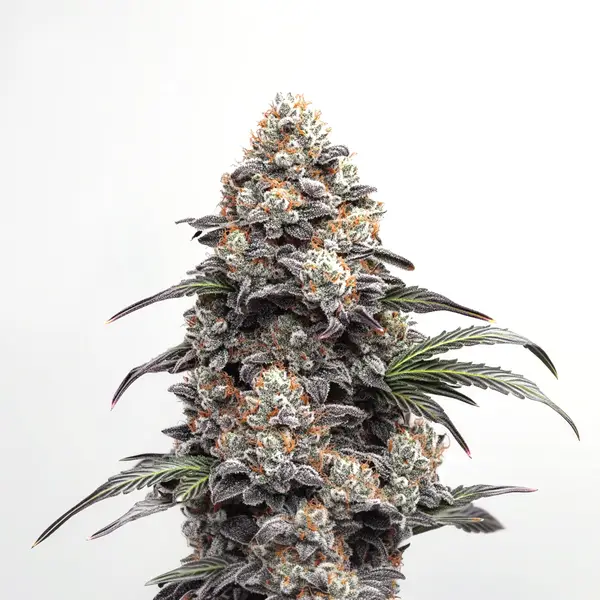


Volatile sulfur compounds in cannabis are chemically similar to those found in garlic and onions. They include compounds like 3-methyl-2-butene-1-thiol, which is known for its potent odor. These compounds are present in trace amounts, yet they significantly impact the overall aroma of the plant.
How Sulfur Compounds Affect Cannabis Aroma
The impact of sulfur compounds on cannabis aroma is profound. These compounds interact with terpenes to create complex scent profiles. For instance, prenylated volatile sulfur compounds can enhance the earthy and musky notes in strains like Alien Gorilla Glue. This interaction is a key factor in the unique aroma of many cannabis varieties.
Experienced growers report that the presence of sulfur compounds can vary based on cultivation methods and environmental conditions. Maintaining optimal humidity and temperature levels during flowering can influence the concentration of these compounds, ultimately affecting the plant’s aroma.
Promos & Deals
Identifying Sulfur Compounds in Cannabis
Prenylated Volatile Sulfur Compounds
Prenylated volatile sulfur compounds are a subset of sulfur compounds that have a significant impact on the cannabis sulfur compounds smell profile. These compounds are characterized by their unique chemical structure, which includes a prenyl group. This structure contributes to the distinct aroma of certain strains, enhancing their exotic appeal and intensifying the complex scent associated with cannabis flowers.
Growers often seek strains with high concentrations of these compounds to create unique and memorable scent profiles. The presence of prenylated volatile sulfur compounds can be a key differentiator in the cannabis market, offering consumers a distinctive sensory experience.
3-Methyl-2-Butene-1-Thiol and Its Impact
3-Methyl-2-butene-1-thiol is a potent sulfur compound known for its strong odor. This compound is present in small quantities but has a significant impact on the aroma of cannabis. It is often associated with the skunky scent found in strains like GG4.
Knowing the presence of 3-methyl-2-butene-1-thiol in cannabis can help growers and consumers appreciate the complexity of cannabis aromas. This compound, along with other sulfur compounds, contributes to the rich and varied scent profiles that define different cannabis strains.
The Science Behind Cannabis Thiols
Skatole and Other Minor Compounds
Skatole is a minor sulfur compound found in cannabis. Despite its low concentration, it plays a role in the overall aroma profile of the plant. Skatole is known for its strong, musky scent, which can enhance the earthy notes in cannabis.
Minor nonterpenoid volatile compounds, like skatole, drive the aroma differences of exotic cannabis strains. These compounds, although present in trace amounts, can significantly influence the sensory experience of cannabis, offering unique and complex aromas.
Professional Tips for Cannabis Aroma
- Maintain 60-70% RH during vegetative growth and 40-50% RH during flowering to optimize sulfur compound preservation and prevent bud rot.
- Monitor temperature at 68-77°F (20-25°C) during flowering. Extreme temperatures can degrade sulfur compounds, affecting aroma quality.
- Use organic fertilizers to enhance sulfur compound production. Synthetic nutrients may not provide the necessary elements for optimal aroma development.
- Harvest at peak maturity to ensure maximum sulfur compound concentration. Early or late harvests can result in diminished aroma profiles.
- Store cannabis in airtight containers to prevent sulfur compound degradation. Exposure to air can lead to oxidation and loss of aroma.
- Consider strain selection based on desired aroma profile. Strains like Alien GG are known for their rich sulfur compound content, offering a distinctive scent.
FAQs about cannabis sulfur compounds smell
What does sulfur compound smell like?
Sulfur compounds in cannabis typically emit a skunky, earthy aroma. This distinctive scent is due to compounds like 3-methyl-2-butene-1-thiol. These compounds are present in trace amounts but significantly impact the overall aroma, contributing to the unique scent profiles of various cannabis strains.
Why do sulfur compounds smell bad?
Sulfur compounds smell bad due to their volatile nature and strong chemical structure. Compounds like 3-methyl-2-butene-1-thiol have a potent odor that can be perceived as unpleasant. Despite this, they add complexity to cannabis aroma, enhancing the sensory experience for many users.
What are the sulfur compounds in cannabis?
Cannabis contains several sulfur compounds, including thiols and prenylated volatile sulfur compounds. These compounds contribute to the plant’s skunky aroma. 3-Methyl-2-butene-1-thiol is a notable example, known for its strong scent and significant impact on cannabis aroma profiles.
Why does my room smell of cannabis?
If your room smells of cannabis, it could be due to the release of volatile sulfur compounds. These compounds are potent and can linger in enclosed spaces. Proper ventilation and storage can help mitigate the spread of these aromas, maintaining a neutral environment.
How can sulfur compounds affect cannabis flavor?
Sulfur compounds can enhance the flavor of cannabis by adding earthy and musky notes. These compounds interact with terpenes to create complex flavor profiles. Strains with high sulfur compound content offer a unique taste experience, appealing to consumers seeking distinctive flavors.