Smart Cannabis Genetics Designed for Humid Climates: Expert Guide

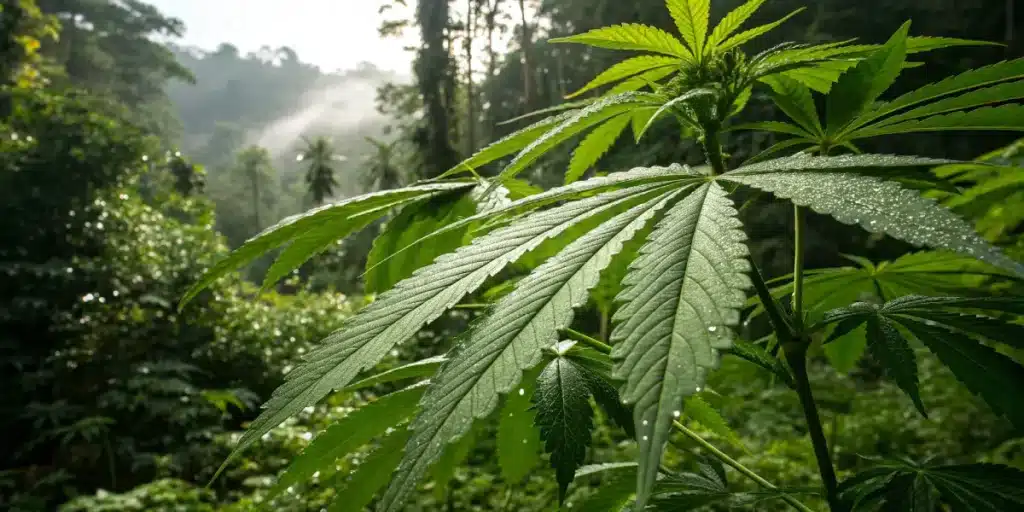
When growing cannabis in humid climates, choosing the right genetics can make or break your harvest. High humidity levels can lead to mold and mildew, which can devastate your crop. That’s why selecting cannabis genetics designed for humid climates is crucial. These strains are bred to resist the challenges posed by tropical environments.
Let’s talk about what makes certain cannabis strains ideal for humid climates. These strains often come from regions where humidity is naturally high, like Southeast Asia or equatorial Africa. They have adapted over time to resist mold and thrive in moist conditions. By choosing these strains, you’re setting yourself up for success. For practical growing tips, see our guide on weed that grows in humid climates.
Recommended Strains
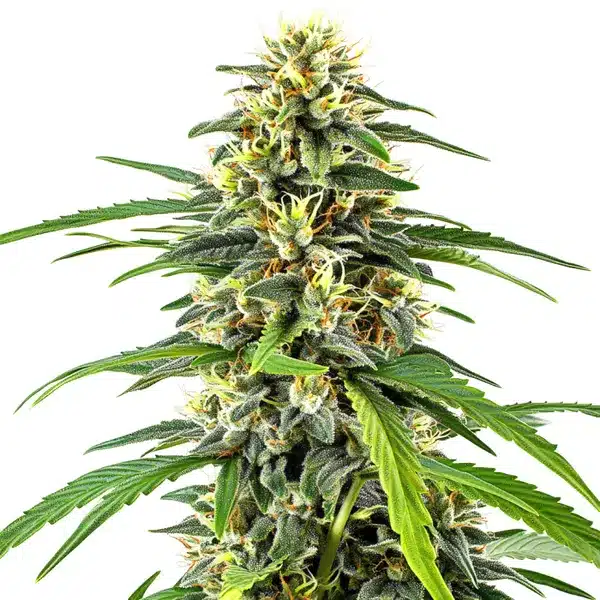
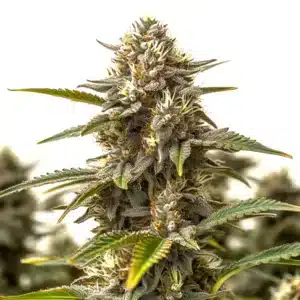
Amnesia Haze

|
THC | 18% - 22% (Medium) |

|
Type | Feminized |

|
Yield | High |

|
Phenotype | 30% Indica / 70% Sativa |
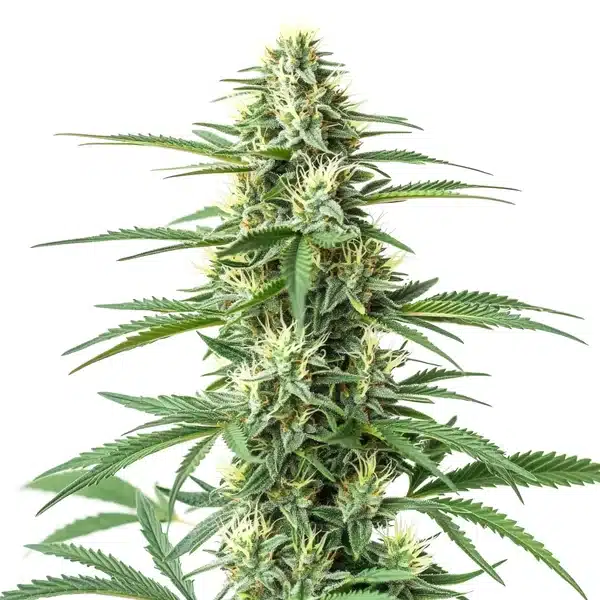
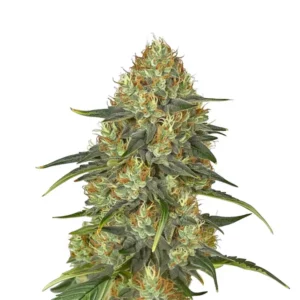
CBD Critical Mass (1:1)

|
CBD | 5% (Low) |
|
|
Type | CBD Feminized |
|
|
Yield | Medium |
|
|
Phenotype | 60% Indica / 40% Sativa |
Blimburn Seeds offers a range of cannabis strains for humid climates. These strains have been tested and selected for their ability to perform well in high humidity. Whether you’re a first-time grower or an experienced cultivator, these strains can provide you with a bountiful harvest even in challenging environments.
Characteristics of Humidity-Resistant Cannabis Varieties
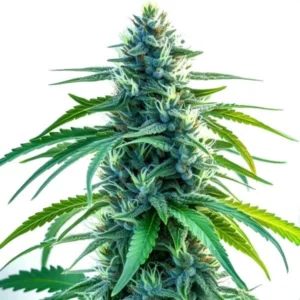
Humidity-resistant cannabis varieties have unique traits that help them flourish in wet conditions. One key characteristic is a more open bud structure. This allows for better air circulation, reducing the risk of mold formation. Dense buds can trap moisture, making them susceptible to rot.
Another important trait is the plant’s natural resilience. These strains often have a robust immune system, enabling them to fight off pathogens more effectively. This means less worry about fungal infections and more focus on growing healthy plants. These resilient genetics are a result of selective breeding, designed to withstand the challenges of humid environments.
Additionally, humidity-resistant cannabis varieties tend to have waxy leaf coatings, which help repel excess moisture and prevent fungal spore adhesion. These structural adaptations are crucial for surviving the relentless moisture in tropical settings. Furthermore, the genetic diversity found in these strains often leads to better adaptability, allowing them to flourish even when weather patterns are unpredictable.
When considering cannabis genetics designed for humid climates, it’s important to look for strains with a history of thriving in similar conditions. Many growers have found success with strains that exhibit vigorous vegetative growth, as these are more capable of quickly recovering from any humidity-induced stress. The ability to bounce back from environmental challenges is a hallmark of effective marijuana genetics for high humidity.
Promos & Deals
Top Cannabis Strains from Blimburn Seeds for Humid Climates
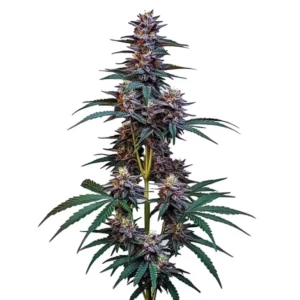
One standout strain from Blimburn Seeds is the Amnesia Haze. Known for its mold resistance and vibrant growth, Amnesia Haze is perfect for tropical climates. It offers a high yield and a euphoric high, making it a favorite among growers in humid regions. Its lineage traces back to Southeast Asian genetics, giving it the resilience needed to thrive.
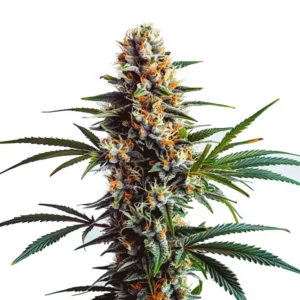
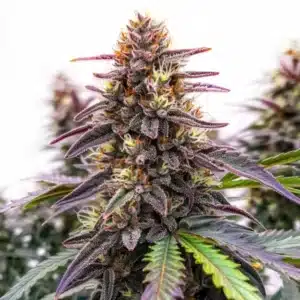
Another excellent choice is Blue Dream. This strain is famous for its adaptability and resistance to harsh conditions. Blue Dream can handle the challenges of high humidity, producing large, potent buds. Its sweet berry aroma is an added bonus, making it both a sensory and growing delight.
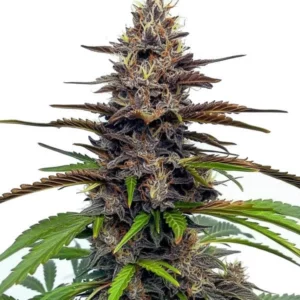
Lastly, consider the Critical Mass from Blimburn Seeds. This strain is renowned for its massive yields and mold-resistant properties. Critical Mass is particularly well-suited for growers facing humid conditions. Its fast flowering time and robust growth make it a reliable option for those looking to maximize their harvest.
These cannabis strains for humid climates have proven themselves through countless growing seasons. Their reputation for resilience and quality production under adverse conditions makes them invaluable in environments where lesser strains might falter. By selecting these strains, growers can leverage the best cannabis seeds for tropical weather, ensuring a rewarding cultivation experience.
Moreover, Blimburn Seeds continually works on improving their catalog by integrating the latest advancements in cannabis genetics designed for humid climates. This commitment to innovation ensures that growers have access to the most effective strains for tackling the challenges that come with high humidity. With these strains, you can look forward to a successful and stress-free grow season.
Practical Tips for Growing in Humid Climates
Start by selecting the best cannabis seeds for tropical weather. Once you’ve chosen your strains, focus on your growing environment. Proper ventilation is key. Use fans to circulate air and reduce moisture levels around your plants. This simple step can significantly decrease the likelihood of mold.
Consider using dehumidifiers in your grow space. These devices can help maintain optimal humidity levels, protecting your plants from excess moisture. It’s also important to monitor your plants regularly. Check for signs of mold or mildew and act quickly if you spot any issues. Early intervention can save your crop from disaster.
Besides to mechanical solutions, integrating natural techniques can also be beneficial. Companion planting with herbs that repel pests and improve air circulation can enhance the environment for your cannabis plants. Herbs such as basil and mint can deter insects while allowing more airflow through the garden.
Employing smart watering techniques is crucial for managing moisture levels. Water your plants early in the day to allow excess moisture to evaporate as temperatures rise. This practice, combined with the use of well-drained soil, can prevent waterlogging and reduce the risk of root rot, ensuring your plants remain healthy and productive.
- Ensure good air circulation with fans and open space between plants.
- Use dehumidifiers to keep moisture at bay.
- Regularly inspect plants for mold or mildew.
- Choose strains known for humidity resistance.
How to Optimize Your Indoor Grow for Humid Conditions
When growing indoors in humid climates, the setup is crucial. Start by controlling the temperature and humidity. Use air conditioning or heating to keep the environment stable. Consistent conditions prevent spikes in humidity and temperature that can stress your plants.
Lighting also plays a role. LED lights are a great choice because they produce less heat than traditional grow lights. This helps maintain a cooler grow room and reduces the evaporation that can contribute to higher humidity levels. Position your lights to prevent hot spots that could affect your plants.
Incorporating automated environmental controls can further enhance your indoor growing setup. Timers, thermostats, and humidity sensors can help maintain optimal conditions with minimal manual intervention, allowing for consistent and precise control over the growing environment.
Consider investing in high-quality air filtration systems to remove excess moisture and potential pathogens from the air. This not only contributes to lower humidity levels but also improves overall air quality, reducing the risk of mold and mildew developing on your plants.
Common Challenges in Humid Climates
Growing in humid climates comes with its own set of challenges. Mold and mildew are the most common issues. These fungi thrive in moist conditions and can quickly spread, ruining your crop. Early detection and prevention are critical to managing these threats.
Another challenge is pest infestations. High humidity can attract pests like spider mites and aphids. These insects can damage plants and spread diseases. Regular monitoring and natural pest control methods can help keep these invaders at bay.
To overcome these challenges, using mold-resistant marijuana strains is essential. These strains have been specifically bred to withstand the high humidity levels that facilitate mold growth, offering a robust defense against these persistent threats.
Adopting an integrated pest management strategy can further protect your plants. This involves using a combination of biological controls, cultural practices, and chemical options to manage pest populations effectively. This holistic approach can be particularly effective in maintaining the health and vitality of your cannabis garden.
FAQs About cannabis genetics designed for humid climates
What makes a cannabis strain suitable for humid climates?
Cannabis strains suitable for humid climates typically have traits that help them resist mold and mildew. These include open bud structures that allow air to flow freely, reducing moisture retention. They may also have a natural resilience to diseases, which is crucial in preventing mold growth.
Such strains often originate from regions where high humidity is common. Their genetics have evolved to handle wet conditions, offering growers more reliable results even when the weather is challenging. Selecting strains with these characteristics is essential for successful cultivation in humid environments.
Moreover, these cannabis strains for humid climates are often developed with a focus on maintaining potency and yield even under less-than-ideal conditions. This ensures that growers do not have to compromise on quality while safeguarding their crops from the detrimental effects of high humidity.
Knowing the lineage and breeding practices behind these strains can provide insights into their capabilities. Many are derived from landrace varieties known for their hardiness, making them a sound choice for growers facing the unpredictability of humid climates.
Can I grow cannabis outdoors in a humid climate?
Yes, growing cannabis outdoors in a humid climate is possible with the right preparation. Choose humidity-resistant cannabis varieties and plan your grow season around the local climate patterns. Ensure your plants have plenty of space for airflow and consider training techniques to further improve circulation.
Protect your plants from rain by using shelters or greenhouses. These structures can help control humidity levels and prevent waterlogged soil. With careful planning and the right strains, outdoor growing in humid climates can be highly rewarding.
Utilizing raised beds is another effective strategy for outdoor growing in humid climates. Raised beds improve drainage and root aeration, reducing the likelihood of root rot and other water-related issues. This method also allows for better control over soil quality and composition.
Incorporating natural barriers, such as hedges or windbreaks, can shield your plants from excessive rain and wind, while still allowing for necessary air movement. This balance helps maintain a stable microclimate, optimizing the conditions for your cannabis plants to thrive.
How does humidity affect cannabis plant growth?
Humidity affects cannabis plant growth by influencing water and nutrient uptake. High humidity levels can lead to excess moisture in the plant’s environment, making it harder for the plant to transpire. This can result in slower growth and nutrient deficiencies.
Conversely, low humidity can cause plants to lose water too quickly, leading to stress and wilting. Maintaining balanced humidity levels is crucial for healthy plant development. Using tools like hygrometers and dehumidifiers can help growers keep conditions optimal.
Moreover, humidity can impact the plant’s physiological processes, such as photosynthesis and respiration. In high humidity, stomatal conductance is often reduced, affecting the plant’s ability to exchange gases efficiently, which in turn can influence growth rates and overall plant health.
Therefore, knowing the specific needs of your chosen marijuana genetics for high humidity is essential. Tailoring your grow environment to meet these needs can mitigate the potential negative impacts of humidity, ensuring your plants achieve their full potential.
What are some mold-resistant marijuana strains?
Mold-resistant marijuana strains are those bred to thrive in high-humidity conditions without succumbing to mold or mildew. Examples from Blimburn Seeds include Amnesia Haze, Blue Dream, and Critical Mass. These strains have been selected for their resilience and ability to produce quality yields despite challenging environments.
These strains often feature genetic traits that make them less susceptible to fungal pathogens. Their open bud structures and robust immune systems help them resist mold, making them ideal for growers in humid climates.
Besides to these well-known strains, ongoing breeding efforts continuously introduce new and improved options for growers. Research into cannabis genetics designed for humid climates is expanding, offering even more choices for those seeking mold-resistant marijuana strains.
By staying informed about the latest developments and selections, growers can take advantage of cutting-edge genetics that promise even greater resistance to mold and mildew, securing the health and productivity of their crops.
Why is Blimburn Seeds a good choice for cannabis genetics in humid climates?
Blimburn Seeds is known for its high-quality cannabis genetics. They offer a variety of strains specifically designed for humid climates. This means you can find seeds that are not only mold-resistant but also capable of producing high yields and potent flowers.
Their commitment to quality ensures that you get reliable seeds that perform well under challenging conditions. With Blimburn Seeds, you have access to genetics that have been tested and proven to succeed in humid environments, giving you peace of mind as you cultivate your plants.
Additionally, Blimburn Seeds puts a strong emphasis on customer support and education, providing growers with the information and tools needed to succeed in humid climates. Their resources include growing guides and expert advice tailored to the needs of growers facing high humidity challenges.
By choosing Blimburn Seeds, you’re not just investing in superior marijuana genetics for high humidity; you’re also gaining a partner in your growing journey. Their dedication to innovation and excellence ensures that you have the best possible resources to achieve a successful harvest.
You may also like
This guide pairs well with two more from our blog. Take a look at Top Best Cannabis Strains Resistant to Mold: Expert Guide and Choose the Right Cannabis Strain for Your Grow Environment to get the full picture and put these ideas into practice with confidence.