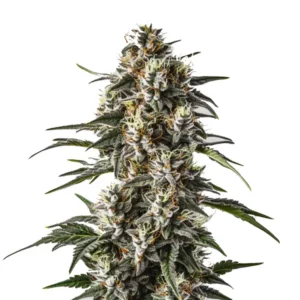
Proven Ways Using Compost Teas to Promote Nutrient Balance in Cannabis

Using compost teas to promote nutrient balance in cannabis is an art and science that cultivators are embracing. Compost teas are natural concoctions made by steeping compost in water. They are rich in beneficial microorganisms and nutrients, making them a valuable asset in organic cannabis nutrient management.
For first-time growers, the idea of brewing a tea for plants might sound odd. However, this method enhances cannabis growth with compost teas by providing a balanced nutrient profile. Experienced cultivators know that a nutrient imbalance can lead to various plant health issues, and compost tea serves as a buffer against such problems.
Recommended Strains

Pink Gorilla

|
THC | 18% - 22% (Medium) |

|
Type | Feminized |

|
Yield | High |

|
Phenotype | 75% Indica / 25% Sativa |

Blue Zushi
|
|
THC | 25% - 30% (High) |
|
|
Type | Feminized |
|
|
Yield | High |
|
|
Phenotype | 60% Indica / 40% Sativa |
Blimburn Seeds offers a variety of strains that benefit from the nutrient balance provided by compost teas. Strains like Pink Gorilla, Blue Zushi, and Mamba Negra thrive under organic conditions, showcasing the benefits of compost tea in cannabis cultivation. By using compost teas, you ensure your plants receive a steady diet of organic goodness.
Making Your Own Compost Tea
Creating compost tea is a straightforward process. Start with high-quality compost; this is the foundation of your tea. The compost should be rich in organic matter and microorganisms. You can use homemade compost or purchase it from a reliable source. Remember, the quality of your compost directly affects the benefits of compost tea in cannabis cultivation.
Next, immerse the compost in water. Use a ratio of about one part compost to five parts water. Aeration is crucial here. It involves adding air to the mixture, promoting the growth of beneficial bacteria. Use an aquarium pump to bubble air through the brew. Let it steep for 24-48 hours, stirring occasionally to enhance the microbial activity.
After brewing, it’s important to strain the compost tea to remove any solid particles. This ensures a smoother application process and prevents clogging in spraying equipment. Many growers opt to use cheesecloth or fine mesh strainers for this purpose. The resulting liquid is now teeming with life, ready to invigorate your cannabis plants.
When considering organic cannabis nutrient management with compost tea, remember to store any unused tea properly. While it’s best used fresh, storing it in a cool, dark place can preserve its potency for a short period. Avoid exposure to sunlight and high temperatures, as these can degrade the beneficial microorganisms, reducing the tea’s effectiveness.
Promos & Deals




Application Techniques for Cannabis
Once your compost tea is ready, it’s time to apply it to your cannabis plants. One method is foliar feeding, where you spray the tea directly onto the leaves. This allows the plants to absorb nutrients quickly, making it a great option for addressing immediate nutrient deficiencies.
Another effective technique is soil drenching. Simply pour the compost tea around the base of your plants. This method helps in boosting cannabis health using compost tea by enhancing the microbial life in the soil. It promotes root development and improves nutrient uptake, leading to stronger, more resilient plants.
For foliar feeding, it’s best to apply compost tea early in the morning or late in the afternoon. This timing helps avoid the intense midday sun, which can cause the tea to evaporate quickly or leave residues on leaves. It’s also crucial to ensure even coverage of the leaves for optimal nutrient absorption.
When soil drenching, consider the plant’s growth stage and nutrient needs. Young plants may require less frequent applications, while flowering plants benefit from regular doses to support bud development. Both methods of application contribute significantly to using compost teas to promote nutrient balance in cannabis.
Benefits of Using Compost Teas in Cannabis
Using compost teas to promote nutrient balance in cannabis offers numerous advantages. First, it’s a natural way to nourish your plants. Unlike chemical fertilizers, compost teas provide nutrients that are easily accessible to cannabis plants without the risk of nutrient burn.
Moreover, compost tea for cannabis nutrient balance helps in building healthy soil ecosystems. The microorganisms in the tea break down organic matter, releasing nutrients slowly. This continuous supply of nutrients ensures your plants are always well-fed.
Besides to nutrient supply, one of the significant benefits of compost tea in cannabis cultivation is its ability to foster a robust microbial community. These microbes play a pivotal role in suppressing soil-borne diseases, making the environment less hospitable for pathogens that could harm your plants.
Furthermore, enhancing cannabis growth with compost teas can lead to improved plant vigor and yield. By promoting better nutrient uptake and root health, plants become more resilient to environmental stresses, ultimately resulting in higher quality and quantity of cannabis harvests.

Common Mistakes and How to Avoid Them
One common mistake when using compost teas is using poor-quality compost. Ensure the compost is well-aged and free from contaminants. Poor compost can introduce harmful pathogens to your plants, negating the benefits of compost tea in cannabis cultivation.
Another mistake is not aerating the tea properly. Aeration is crucial for the growth of beneficial microorganisms. Without adequate oxygen, the tea can become anaerobic, harboring harmful bacteria instead. Always use an aquarium pump to maintain proper airflow throughout the brewing process.
Overlooking the importance of the water source is another potential pitfall. Chlorinated water can kill beneficial microbes in the compost tea. To avoid this, use filtered or dechlorinated water to ensure the microorganisms can thrive and provide maximum benefits.
Additionally, not monitoring the pH level of your compost tea can lead to suboptimal results. Aim to maintain a neutral pH to ensure the microbes remain active and effective. Regular pH checks can help you adjust the brew as needed to support cannabis growth and health.
FAQs about using compost teas to promote nutrient balance in cannabis
What is compost tea and why is it beneficial for cannabis?
Compost tea is a liquid solution made by steeping compost in water. It is rich in beneficial microorganisms and nutrients that are essential for plant growth. In cannabis cultivation, compost tea provides a natural and balanced nutrient supply, promoting healthy plant development.
The benefits of using compost tea for cannabis are numerous. It enhances soil health, boosts plant resilience, and improves nutrient uptake. By creating a thriving microbial ecosystem, compost tea helps in maintaining a nutrient balance that is crucial for optimal cannabis growth.
Moreover, compost tea acts as a catalyst for organic cannabis nutrient management with compost tea. It aids in the decomposition of organic materials in the soil, releasing nutrients slowly and steadily. This process mimics natural soil conditions, which cannabis plants are well-adapted to thrive in.
The microbial diversity introduced by compost tea further enriches the soil, promoting a balanced ecosystem that supports sustainable cannabis cultivation. This approach aligns with organic farming practices, emphasizing long-term soil health and plant vitality.
How often should I apply compost tea to my cannabis plants?
The frequency of compost tea application depends on your cultivation goals and plant needs. Generally, applying compost tea once a week is adequate for most cannabis strains. This schedule ensures your plants receive a consistent supply of nutrients without the risk of over-fertilization.
For first-time growers, it’s advisable to start with bi-weekly applications and observe your plants’ response. Adjust the frequency based on their growth and health. Strains like Gorilla G4 from Blimburn Seeds can benefit from regular compost tea applications, ensuring robust growth and high yields.
Consider the lifecycle of your cannabis plants when determining application frequency. During the vegetative stage, more frequent applications can support vigorous growth, while the flowering stage may require adjustments to prevent nutrient overload. Monitoring your plants closely will guide you in tailoring the application schedule.
It’s also worthwhile to keep track of environmental factors such as temperature and humidity. These can influence how quickly plants absorb nutrients, thereby affecting how often you might need to apply compost tea to maintain optimal plant health.
Can I use any type of compost to make compost tea?
Not all compost is suitable for making compost tea. It’s important to use high-quality, well-aged compost free from contaminants. The compost should contain a balanced mix of organic materials, including plant matter and manure, to provide a rich nutrient profile.
Avoid using compost with harmful substances or from unknown sources. Poor-quality compost can introduce pathogens and disrupt the nutrient balance in your cannabis plants. Always source your compost from reputable suppliers to maximize the benefits of compost tea in cannabis cultivation.
When selecting compost, consider its microbial diversity and nutrient content. A compost with a variety of organic inputs will produce a more balanced tea, offering a comprehensive range of nutrients and beneficial microbes to your cannabis plants.
Additionally, it’s beneficial to periodically test your compost for pH and nutrient levels. Knowing the composition of your compost will help you optimize the brewing process, ensuring that your compost tea consistently supports healthy cannabis growth.
What are the signs of nutrient imbalance in cannabis plants?
Nutrient imbalance in cannabis plants can manifest in various ways. Common signs include yellowing leaves, stunted growth, and poor bud development. Leaf discoloration, such as browning or purpling, can also indicate specific nutrient deficiencies or excesses.
Using compost teas to promote nutrient balance in cannabis can help rectify these issues. Monitor your plants regularly and adjust your nutrient regimen accordingly. Compost tea provides a natural solution to maintaining nutrient balance, ensuring your cannabis plants remain healthy and productive.
Another indicator of nutrient imbalance is irregular leaf shape or curling. This can often be a response to excess or inadequate levels of specific nutrients. By consistently using compost tea, you can help stabilize nutrient levels, preventing such symptoms from developing.
It’s also essential to consider the root system when diagnosing nutrient imbalances. Roots that appear weak or discolored might signal underlying issues that compost tea can help address by enhancing soil microbial activity and nutrient availability.
How does compost tea improve soil health for cannabis cultivation?
Compost tea improves soil health by introducing beneficial microorganisms that enhance soil structure and fertility. These microbes break down organic matter, releasing nutrients in a form that is easily absorbed by cannabis plants. This process enriches the soil ecosystem, promoting sustainable plant growth.
Additionally, the microorganisms in compost tea help suppress soil-borne diseases. They create a competitive environment that inhibits the growth of harmful pathogens. This protective effect is vital for maintaining the overall health of your cannabis plants, especially in organic cultivation systems.
Furthermore, compost tea contributes to the aeration of the soil, improving water retention and drainage. This ensures that cannabis roots receive adequate oxygen, promoting a healthy growth environment. The improved soil structure also supports robust root systems, essential for nutrient uptake and plant stability.
By regularly applying compost tea, you can sustain a dynamic soil ecosystem that fosters resilience to environmental stressors. This holistic approach to soil health underscores the benefits of compost tea in cannabis cultivation, supporting both plant health and yield quality over time.