Proven Ways to Easily Detect Plant Growth Regulator Residues in Cannabis

As cannabis cultivation becomes more prevalent, ensuring the purity and safety of your product is crucial. One key concern is plant growth regulators (PGRs), which can alter the natural growth patterns of your plants. Knowing how to detect plant growth regulator residues in cannabis is essential for maintaining quality and avoiding contaminated products.
Whether you’re a first-time seed buyer or a seasoned grower, knowing the methods for detecting plant growth regulators in marijuana is essential. Let’s look at some practical ways to identify PGR residues in cannabis plants, ensuring a quality product for consumption.
Recommended Strains

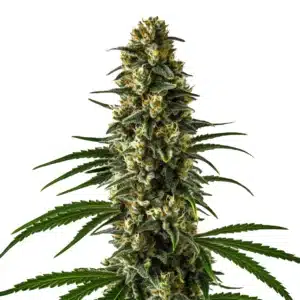
Granddaddy Purple

|
THC | 25% (High) |

|
Type | Feminized |

|
Yield | High |

|
Phenotype | 70% Indica / 30% Sativa |

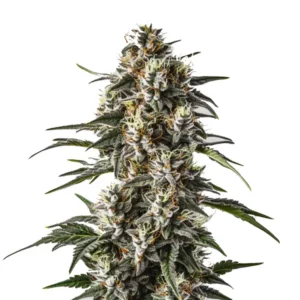
Sour Diesel
|
|
THC | 22% - 25% (High) |
|
|
Type | Feminized |
|
|
Yield | High |
|
|
Phenotype | 30% Indica / 70% Sativa |
Detecting synthetic auxins in cannabis products can be challenging without the right tools. However, knowing the indicators of PGR use can guide you in making informed decisions. This guide will walk you through the steps of cannabis safety testing for growth regulator contamination.
Common Indicators of PGR Residues in Cannabis
Spotting PGR residues in cannabis isn’t always straightforward. These substances can significantly affect the plant’s appearance and growth. One tell-tale sign is the unusual density and compactness of the buds. Natural buds have a fluffy, airy structure, while PGR-treated ones appear denser.
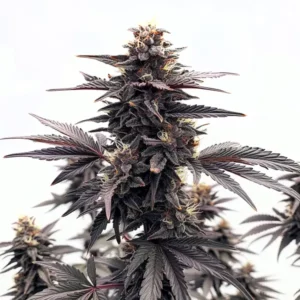
Another indicator is the color of the flowers. Plants treated with PGRs often have darker, more vibrant hues. Additionally, the stems might be thicker than usual. These physical changes, however, aren’t definitive proof but are good starting points for further testing.
Moreover, the texture of the buds can provide clues. PGR-treated cannabis might feel harder and less sticky due to altered resin production. Experienced growers often notice these subtle differences, which serve as early warnings. To enhance accuracy, combine these observations with other methods for detecting plant growth regulators in marijuana.
Besides to visual indicators, the speed of growth can also be a hint. Cannabis plants exposed to PGRs may grow at an accelerated rate, leading to an unusually short lifecycle. This rapid growth can compromise the quality of cannabinoids and terpenes, affecting the overall experience of the product. Regular monitoring and documentation of growth patterns can aid in identifying PGR residues in cannabis plants.
Promos & Deals



Laboratory Testing for PGR Residues
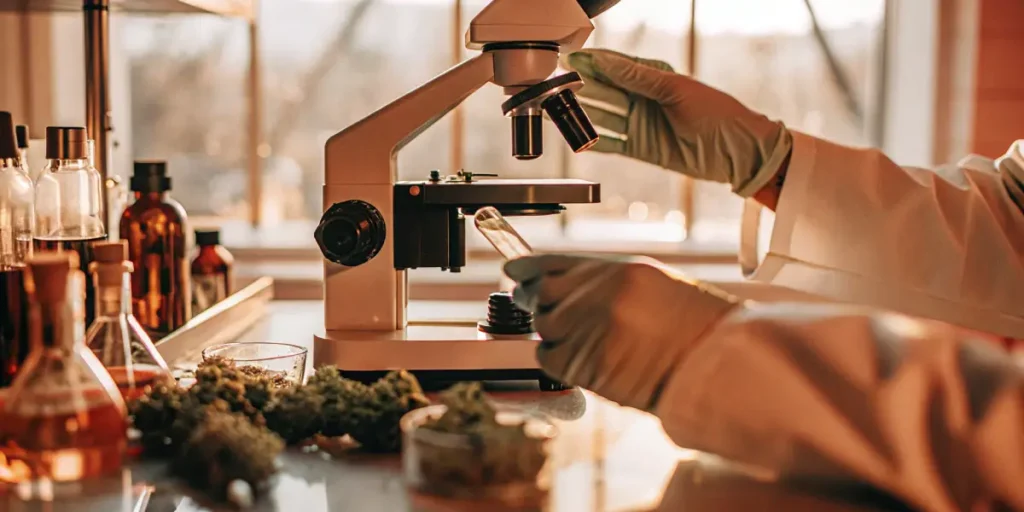
For more accurate results, laboratory testing is recommended. This process involves sophisticated equipment and skilled technicians. Labs use various methods to detect PGR residues, including gas chromatography and mass spectrometry.
These tests break down the plant material and identify the chemical composition. It’s a precise way to detect synthetic auxins in cannabis products. Although it can be costly, lab testing provides peace of mind, especially if you’re cultivating strains like Girl Scout Cookies from Blimburn Seeds, which demand high purity levels.
Furthermore, laboratory testing can also identify other contaminants such as pesticides and heavy metals, which are critical for overall cannabis safety testing for growth regulator contamination. This comprehensive analysis ensures that the final product is not only free of PGRs but also safe for consumption, reinforcing the quality assurance for discerning consumers.
While lab testing is the gold standard for how to detect plant growth regulator residues in cannabis, it is essential to choose a reputable laboratory with experience in cannabis testing. Not all labs are equipped to handle the complexities of detecting synthetic auxins in cannabis products. Checking for certifications and reviewing their methodologies can help ensure that the tests are reliable and accurate, providing confidence in the results.
Home Testing Kits for Cannabis
If lab testing isn’t an option, consider home testing kits. These kits offer a more accessible way to test cannabis for plant growth regulators. They are user-friendly and can detect a range of chemicals, including some PGRs.
Home kits usually involve mixing a sample with a solution that changes color in the presence of specific substances. While not as accurate as lab tests, they provide a quick way to identify potential contamination. For instance, if you’re growing Granddaddy Purple from Blimburn Seeds, a home test can help ensure your plants remain natural.
Home testing kits also provide the advantage of immediacy, allowing growers to make on-the-spot decisions. They can be particularly useful during the harvesting phase, where quick detection of PGRs can prevent contaminated batches from reaching the market. Knowing how to test cannabis for plant growth regulators at home enables proactive quality control.
However, it’s important to remember that home testing kits have limitations. They might not detect all types of PGRs or provide a quantitative analysis. For this reason, they should be used as part of an integrated approach, complementing visual inspections and professional lab tests to offer a more complete picture of the cannabis’s purity.
Visual Inspection and Olfactory Clues
Aside from testing, your senses can be a powerful tool in identifying PGR residues. Inspect your plants regularly. Natural cannabis has a certain look and smell that experienced growers recognize. Any deviation could indicate contamination.
The aroma of cannabis is distinct. PGR-treated plants might lack this characteristic scent. If you’re growing strains like Sour Diesel from Blimburn Seeds, trust your instincts. If something smells off, it might be worth further investigation.
Regular visual inspections can also help in detecting other issues, such as pest infestations or nutrient deficiencies, which might mimic the effects of PGRs. Keeping detailed records of plant health and environmental conditions is crucial in distinguishing between natural variations and signs of PGR contamination.
Olfactory clues are equally invaluable. The loss or alteration of the characteristic cannabis scent can be a significant indicator of PGR use. A thorough knowing of how to detect plant growth regulator residues in cannabis involves training your senses alongside employing scientific methods, creating a robust defense against contamination.

FAQs about how to detect plant growth regulator residues in cannabis
What are plant growth regulators and why are they used?
Plant growth regulators (PGRs) are chemicals designed to alter the growth patterns of plants. They can make plants grow faster, produce larger fruits, or change their flowering cycle. In cannabis cultivation, PGRs are sometimes used to enhance yield and improve the appearance of the buds.
However, the use of PGRs in cannabis is controversial. While they can increase productivity, they may also affect the plant’s natural compounds. This can impact the flavor, aroma, and overall experience of the cannabis. Hence, detecting and preventing PGR residues is crucial for maintaining quality.
Besides to altering growth and yield, some PGRs can influence the plant’s resistance to stress, making them appealing to growers looking to maximize output. However, the trade-off often involves a compromise in the quality and safety of the final product, highlighting the importance of knowing how to test cannabis for plant growth regulators.
Knowing the reasons behind PGR use can also inform better cultivation practices. By focusing on natural growth methods and selecting high-quality seeds from reputable brands like Blimburn Seeds, growers can achieve optimal results without resorting to potentially harmful chemicals.
Are PGR residues harmful to consume?
The potential harm of consuming PGR residues depends on the specific chemicals used. Some PGRs have been linked to health risks, including hormonal disruptions and other long-term effects. This is why many consumers and growers are keen on detecting synthetic auxins in cannabis products.
Regulatory bodies are increasingly scrutinizing the use of PGRs in agriculture. Although more research is needed, it’s wise to err on the side of caution. Ensuring your cannabis is free from these substances promotes both safety and quality.
Consuming PGR residues can result in adverse health outcomes, particularly for vulnerable populations such as those with compromised immune systems. The accumulation of these chemicals in the body is a concern, prompting the need for stringent cannabis safety testing for growth regulator contamination to safeguard consumer health.
Advocacy for stricter regulations and transparent labeling practices is growing among consumers and industry stakeholders alike. By pushing for higher standards, the cannabis community can collectively ensure that products remain both safe and enjoyable, reflecting the true potential of this versatile plant.
Can I rely solely on visual inspection to detect PGRs?
While visual inspection is a helpful starting point, it’s not foolproof. Many factors can affect the appearance of cannabis, including genetics and environmental conditions. Therefore, relying only on visual cues might lead to incorrect assumptions.
For a more comprehensive assessment, combine visual checks with other methods like home testing kits or laboratory analysis. This multi-pronged approach ensures you accurately identify PGR residues in cannabis plants.
Visual inspection, when used in conjunction with scientific methods, can enhance the accuracy of detection efforts. By aligning observational skills with data-driven tools, growers can improve their ability to identify potential issues early and take corrective actions swiftly.
Moreover, educating oneself on the various methods for detecting plant growth regulators in marijuana can empower growers to maintain high-quality standards. Engaging in continuous learning and staying updated with industry advancements ensures that visual inspections remain a valuable component of a broader quality assurance strategy.
How accurate are home testing kits for PGR detection?
Home testing kits offer a practical solution for detecting some PGR residues. They are designed to be easy to use and provide quick results. However, their accuracy can vary based on the brand and the specific chemicals they are designed to detect.
While not as precise as laboratory testing, these kits are beneficial for regular checks. They help maintain the integrity of your cannabis, especially when growing sensitive strains from Blimburn Seeds. For critical analysis, professional lab tests are recommended.
To maximize the effectiveness of home testing kits, it’s essential to follow the instructions carefully and understand their limitations. By doing so, growers can obtain reliable preliminary results that guide further testing decisions, particularly when unexpected outcomes arise.
Investing in high-quality home testing kits from reputable manufacturers can also improve accuracy. By ensuring that these tools are part of a comprehensive testing protocol, growers can make informed decisions that prioritize both product quality and consumer safety.
Why is lab testing for PGRs expensive?
Laboratory testing involves advanced equipment and skilled personnel. The process requires breaking down plant material and analyzing its chemical composition, which is both time-consuming and resource-intensive. This contributes to the cost of lab tests.
Despite the expense, lab testing is the gold standard for ensuring cannabis safety. It provides a level of accuracy and reliability that home methods cannot match. For serious growers, investing in lab tests is a step towards producing high-quality cannabis.
The investment in lab testing can also support brand reputation and consumer trust. By demonstrating a commitment to quality and safety, growers can differentiate their products in a competitive market, appealing to consumers who prioritize transparency and purity.
Furthermore, as regulatory frameworks evolve, compliance with testing requirements becomes increasingly important. By integrating lab testing into standard operating procedures, growers can ensure they meet industry standards, avoiding potential legal and financial repercussions while contributing to the broader goal of consumer safety.