Proven Preventive Controls to Reduce Heavy Metals in Cannabis

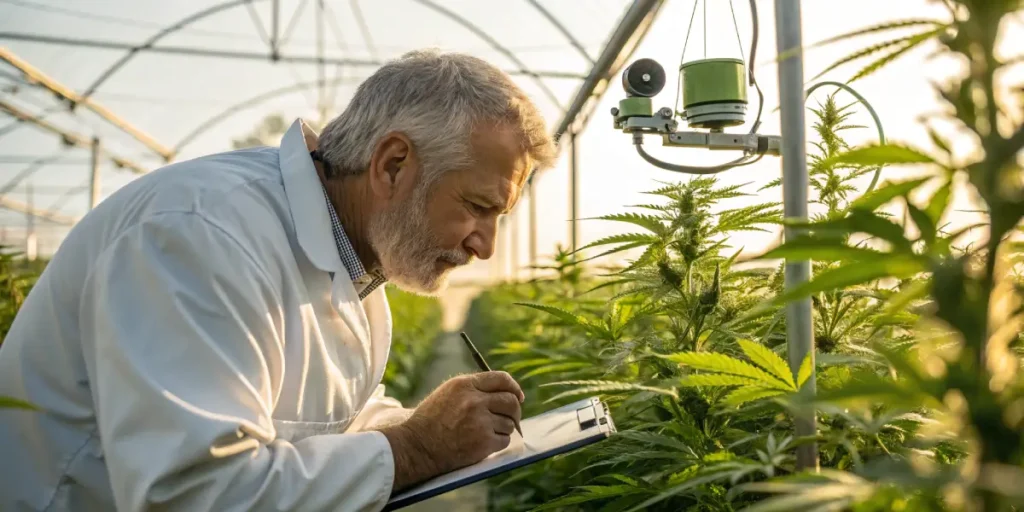
Heavy metals in cannabis can be a silent threat, impacting both quality and safety. By implementing preventive controls to reduce heavy metals in cannabis cultivation, you can significantly lower these risks and ensure a healthy harvest. Growers need to be proactive in addressing heavy metal contamination, which can enter the plant through soil, water, and even air. This guide focuses on practical strategies to keep your crops safe while aligning with preventive controls to reduce heavy metals in cannabis cultivation best practices.
Preventive controls to reduce heavy metals in cannabis cultivation start with knowing the source of contamination. Heavy metals such as lead, cadmium, and arsenic can naturally occur in soil or be introduced through fertilizers and pesticides. Ensuring your growth medium is free from these elements is crucial.
Recommended Strains

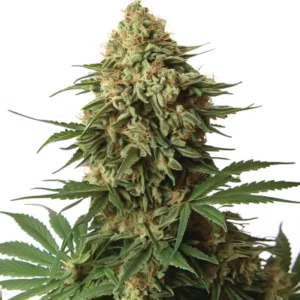
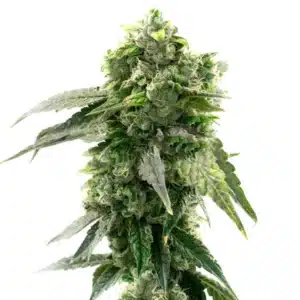
GG4

|
THC | 27% (High) |

|
Type | Feminized |

|
Yield | High |

|
Phenotype | 40% Indica / 60% Sativa |
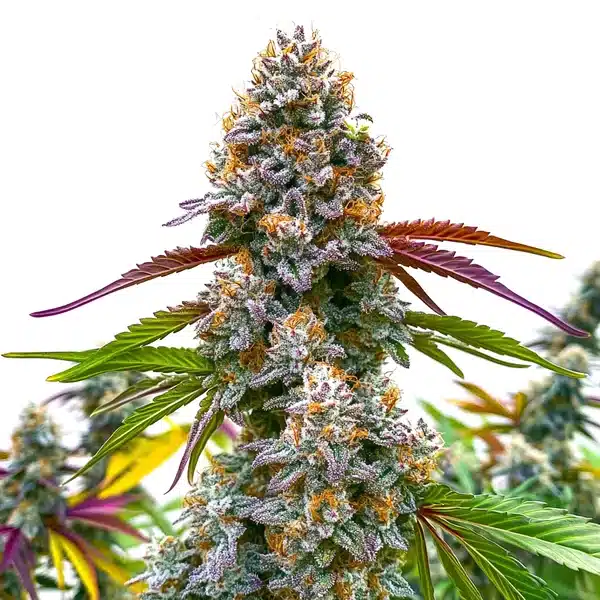
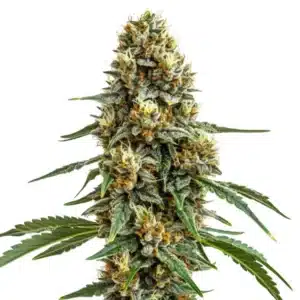
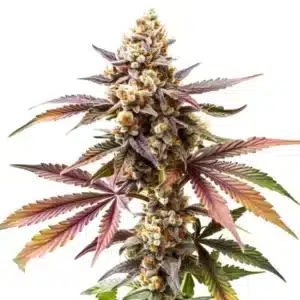
Critical Daddy Purple
|
|
THC | 19% (Medium) |
|
|
Type | Feminized |
|
|
Yield | High |
|
|
Phenotype | 50% Indica / 50% Sativa |
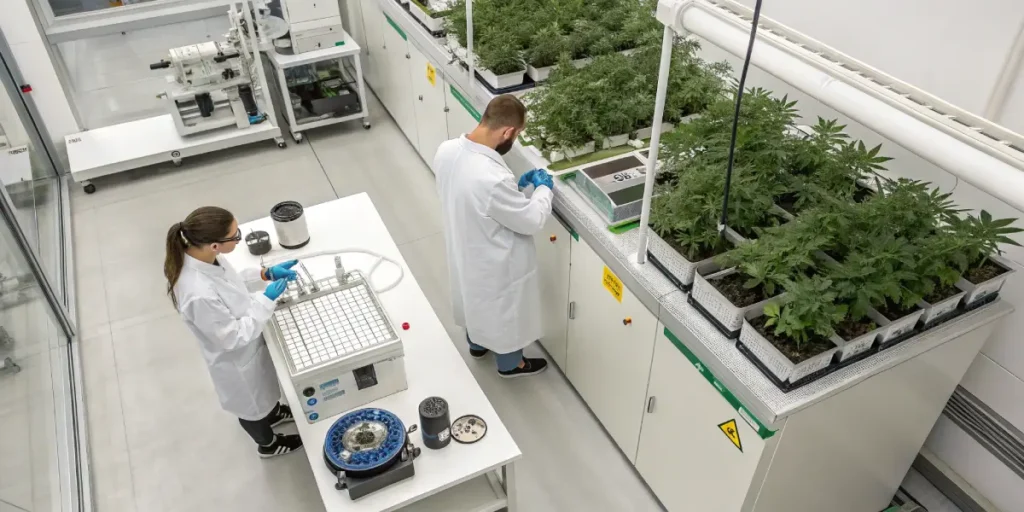
Regular soil testing for heavy metals in cannabis farms is essential. This involves sending soil samples to a laboratory for analysis. You’ll receive a report indicating the presence and concentration of various heavy metals. With this data, you can adjust your cultivation practices accordingly.
Soil and Water Management Techniques
Effective soil and water management are key best practices for heavy metal reduction in cannabis. Start by choosing clean, high-quality soil. If growing outdoors, test the soil before planting. Indoor growers should opt for soil that’s been certified as free from heavy metals.
Water sources can also introduce heavy metals into your plants. Use filtered or distilled water to prevent contamination. If using tap water, have it tested for heavy metals. Consider installing a filtration system to remove impurities and ensure the health of your cannabis crops.
Ensuring the right pH level in the soil and water is another critical aspect of management. A balanced pH can prevent certain heavy metals from becoming soluble and taken up by plants. Regularly testing and adjusting pH levels in your soil and water is a simple yet effective preventive control to reduce heavy metals in cannabis cultivation.
Moreover, adopting drip irrigation systems can help minimize water contact with plant foliage, reducing the potential for heavy metal contamination from water sources. This method also conserves water and delivers nutrients efficiently, supporting sustainable and healthy crop growth.
Organic Methods to Prevent Heavy Metals in Cannabis
Organic methods are an excellent way to prevent heavy metals from entering your cannabis plants. Composting and using organic fertilizers can improve soil health and reduce contamination risks. Organic fertilizers are less likely to contain heavy metals compared to synthetic options.
Cover cropping is another organic method that helps prevent heavy metal contamination. Plant cover crops like clover or alfalfa during off-seasons. These plants can absorb heavy metals, preventing them from reaching your cannabis. They also improve soil quality and provide natural nutrients.
Integrating mycorrhizal fungi into your soil management strategy can significantly aid in heavy metal mitigation. These beneficial fungi form symbiotic relationships with plant roots, enhancing nutrient uptake while also reducing heavy metal absorption. This organic method not only aids in heavy metal contamination prevention in cannabis cultivation but also boosts plant resilience and growth.
Additionally, utilizing biochar as a soil amendment can bind heavy metals, making them less available to plants. Biochar’s porous nature improves soil structure, water retention, and nutrient availability, complementing other organic strategies. It is a sustainable choice contributing to effective heavy metal mitigation strategies in cannabis growing.
Heavy Metal Mitigation Strategies in Cannabis Growing
To effectively mitigate heavy metal risks, consider using strains known for their resilience and ability to thrive in various environments. For example, Blimburn Seeds offers strains like GG4, known for its robust growth and adaptability to different soils.
Another strategy is to rotate crops and avoid planting in the same soil continuously. This can prevent the accumulation of heavy metals in the soil. Crop rotation also helps maintain soil fertility and reduces pest and disease risks.
Utilizing raised beds and containers can be an effective heavy metal mitigation strategy. This approach allows you to control the soil composition more precisely, reducing the risk of contamination from existing soil. It also facilitates better drainage and root health, essential for a thriving cannabis crop.
Incorporating advanced technologies such as remote sensing and GIS mapping can enhance monitoring and management of heavy metal risks. These tools provide valuable insights into soil and environmental conditions, enabling targeted interventions to prevent heavy metal uptake by cannabis plants.
Promos & Deals
Choosing the Right Cannabis Strains
When selecting cannabis strains, consider those that have shown resilience to heavy metal uptake. Strains like Critical Daddy Purple from Blimburn Seeds are bred for robust growth and can be a great addition to your preventive controls.
Choosing the right strain is not just about resistance. It’s also about the quality and yield of your final product. Strains that have been tested and proven to thrive in various conditions can help ensure a successful harvest, free from harmful metals.
Collaborating with breeders and seed banks like Blimburn Seeds can provide access to new and improved strains tailored for specific growing conditions. These partnerships support ongoing research and development in breeding cannabis strains with enhanced resistance to heavy metals.
Moreover, knowing the genetic traits of your chosen strain can inform cultivation practices that optimize growth and minimize heavy metal uptake. Selecting strains that naturally exhibit low heavy metal absorption is a proactive step in heavy metal contamination prevention in cannabis cultivation.
Implementing Best Practices for Heavy Metal Reduction in Cannabis
Implementing best practices starts with education and awareness. Knowing the risks and how to mitigate them is half the battle. Regular training and updates on heavy metal contamination prevention in cannabis cultivation for all team members can be invaluable.
Document all preventive measures and regularly review them for effectiveness. Keep records of soil tests, water quality tests, and any other relevant data. This information is crucial for tracking progress and making informed decisions.
Establishing a comprehensive risk management plan can further enhance your preventive controls. This plan should outline specific actions to address potential heavy metal contamination scenarios, ensuring a swift and coordinated response to any issues that arise.
Networking with other growers and industry experts can provide valuable insights and shared experiences. Engaging in community forums and attending workshops focused on best practices for heavy metal reduction in cannabis can enrich your knowledge and improve cultivation outcomes.
FAQs about preventive controls to reduce heavy metals in cannabis cultivation
What are the primary sources of heavy metals in cannabis cultivation?
Heavy metals can enter cannabis plants through various sources. Common sources include contaminated soil, water, and fertilizers. Industrial activities nearby can also contribute to air contamination, which can settle on plants and soil.
To manage these risks, regularly test your growth medium and water sources. Choose high-quality, certified products, and consider the location of your cultivation site. Keeping an eye on environmental factors can help reduce contamination.
Knowing the local industrial landscape is crucial for determining potential contamination sources. Proximity to factories, waste disposal sites, or past agricultural lands can influence the levels of heavy metals present in your cultivation area.
Implementing buffer zones with vegetation or windbreaks can help reduce air contamination from nearby industrial activities. These natural barriers filter pollutants before they reach your cannabis plants, adding another layer of protection.
How often should soil testing for heavy metals be conducted?
It’s recommended to conduct soil testing at least once a year, preferably before planting new crops. This helps identify any contamination early and allows for timely corrective actions. If you’re using new soil or have changed your cultivation practices, testing should be done more frequently.
Regular testing ensures you are aware of any changes in soil composition. It helps in maintaining optimal growing conditions and reducing the risk of heavy metal uptake by your plants.
For best results, incorporate soil testing as part of your routine management practices. This proactive approach not only aids in heavy metal mitigation but also enhances overall crop health by allowing for tailored nutrient management.
Partnering with accredited laboratories for soil testing ensures reliable results. These facilities provide detailed reports and recommendations, helping you make informed decisions to optimize your cultivation environment.
Are organic methods effective in preventing heavy metals in cannabis?
Yes, organic methods are effective in reducing heavy metal risks. They focus on maintaining soil health and using natural barriers to contamination. Organic fertilizers and composts are less likely to contain heavy metals compared to synthetic options.
Using organic methods not only reduces heavy metal risks but also enhances the overall health of the plant. This leads to better yields and higher-quality cannabis, free from harmful contaminants.
By embracing organic practices, growers contribute to sustainable agriculture, promoting environmental stewardship while safeguarding their crops. This holistic approach aligns with the growing consumer demand for eco-friendly and health-conscious products.
Incorporating continuous learning and adaptation is key to maximizing the benefits of organic methods. Staying informed about the latest techniques and innovations in organic farming can further improve heavy metal contamination prevention in cannabis cultivation.
What strain from Blimburn Seeds is recommended for heavy metal resistance?
For growers looking to minimize heavy metal uptake, strains like Blue Dream from Blimburn Seeds can be a good option. These strains are known for their hardiness and ability to thrive in various conditions. They are less likely to absorb heavy metals from the soil.
Choosing the right strain is an important part of your preventive strategy. It ensures the quality and safety of your harvest, providing peace of mind along with a successful yield.
Strains with a proven track record of performance in regions with known soil contamination issues can offer an extra layer of assurance. Obtaining strain-specific growing guides from Blimburn Seeds can further optimize cultivation practices.
Ultimately, the selection of a suitable strain should be complemented by other preventive controls to reduce heavy metals in cannabis cultivation, ensuring a comprehensive defense against potential contamination.
How can I ensure water quality in cannabis cultivation?
Ensuring water quality is crucial for preventing heavy metal contamination. Regularly test your water source for heavy metals and other impurities. Consider using filters or distilled water to minimize risks.
Installing a water filtration system can greatly improve water quality. It removes heavy metals and other contaminants, providing a safer environment for your cannabis plants to grow.
Integrating rainwater harvesting systems can offer an alternative water source free from heavy metal contamination. This sustainable practice not only conserves water but also reduces reliance on potentially contaminated municipal supplies.
Monitoring and maintaining water storage tanks is also important. Regular cleaning and inspection prevent buildup of sediments and potential contaminants, ensuring consistent water quality for your cannabis crops.