Essential Guide: How to Avoid Heavy Metals in Cannabis Fertilizers

Growing cannabis can be a rewarding experience, but heavy metals in fertilizers pose a significant challenge. These contaminants can harm your plants and health. It’s crucial to know how to avoid heavy metals in cannabis fertilizers and amendments to ensure a safe and productive harvest.
Heavy metals like lead, cadmium, and arsenic can end up in your cannabis plants through fertilizers and soil amendments. These metals accumulate in the plant tissues, potentially making their way into your body upon consumption. Learning how to avoid heavy metals in cannabis fertilizers and amendments is essential to producing a safe product.
Recommended Strains
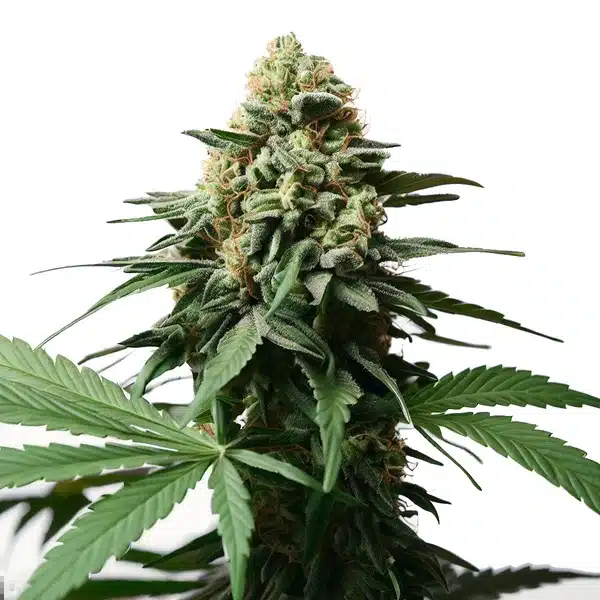
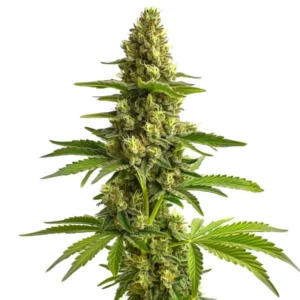
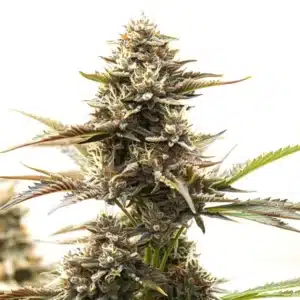
Gorilla Grapefruit

|
THC | 22% - 24% (High) |

|
Type | Feminized |

|
Yield | High |

|
Phenotype | 75% Indica / 25% Sativa |

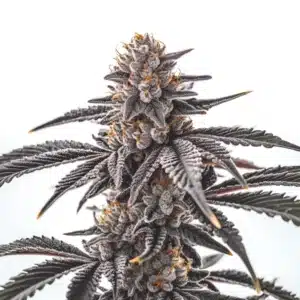
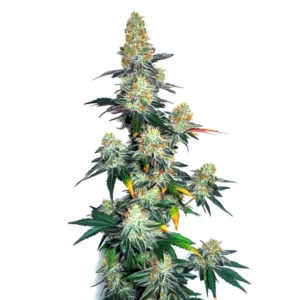
Gelato
|
|
THC | 27% (High) |
|
|
Type | Feminized |
|
|
Yield | High |
|
|
Phenotype | 50% Indica / 50% Sativa |
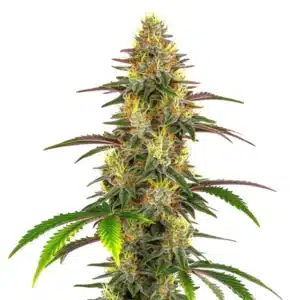
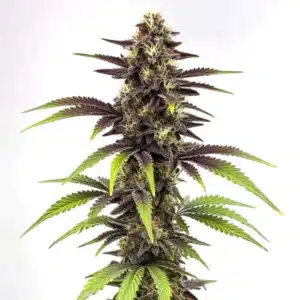
Blimburn Seeds offers cannabis strains that are particularly sensitive to heavy metals, such as Gorilla Grapefruit, Bruce Banner #3, and Gelato. These strains thrive in clean environments, free from harmful contaminants. Cultivating them successfully requires careful selection of fertilizers and amendments.
How to Test Cannabis Fertilizers for Heavy Metals
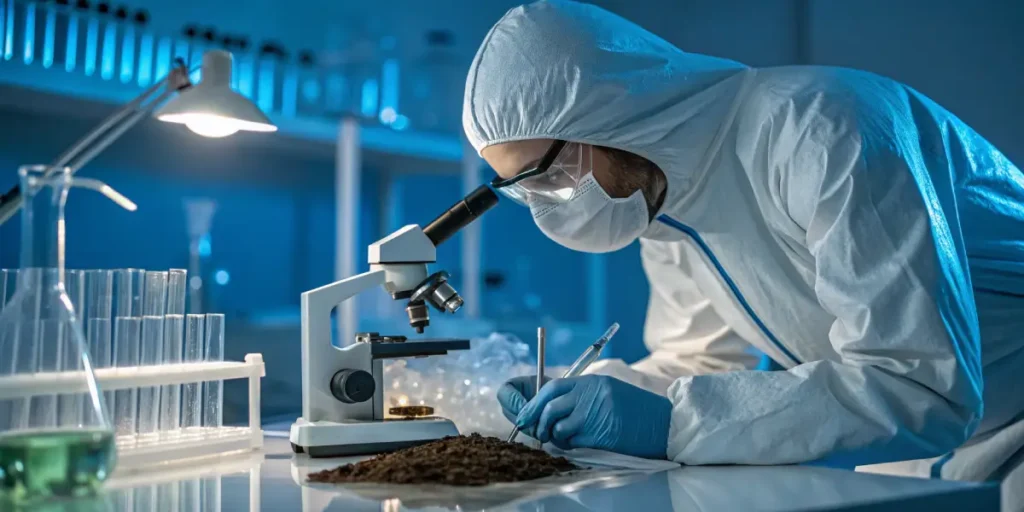
Testing your fertilizers is a critical step in preventing contamination. Be proactive and regularly check for heavy metals. This can be done using commercial testing kits available online or through specialized laboratories. These tests can detect the presence of metals like lead, mercury, and cadmium in your fertilizers, ensuring they’re safe for use.
Once you’ve identified potential sources of contamination, testing allows you to take corrective actions. You can choose to replace contaminated products with safer alternatives or adjust your cultivation practices to minimize risks. Testing should be a regular part of your grow routine, especially if you’re using new products.
When considering how to test cannabis fertilizers for heavy metals, be sure to follow the instructions provided with testing kits carefully to achieve accurate results. It’s also wise to document your testing process and results, maintaining a record for future reference. This practice helps in identifying trends and making informed decisions about fertilizer use.
Engaging with local agricultural extension services or cannabis cultivation forums can also provide insights into the best practices for testing and interpreting results. These communities often share valuable resources and experiences on how to avoid heavy metals in cannabis fertilizers and amendments, enhancing your cultivation knowledge.
- Purchase commercial heavy metal testing kits.
- Send samples to a lab for detailed analysis.
- Review test results to identify contamination sources.
- Adjust cultivation practices accordingly.
Promos & Deals
Organic Alternatives to Cannabis Fertilizers with Heavy Metals
Switching to organic fertilizers can significantly reduce the risk of heavy metal contamination. Organic products are less likely to contain harmful metals, making them a safer choice for your cannabis cultivation. Look for fertilizers certified by reputable organic standards to ensure they’re free from contaminants.
Compost and worm castings are excellent organic alternatives. They provide essential nutrients without the risk of heavy metals. Additionally, they improve soil structure and promote healthy microbial activity, vital for robust plant growth. Utilize these natural amendments for a cleaner growing environment.
Exploring organic alternatives to cannabis fertilizers with heavy metals can also lead to more sustainable cultivation practices. Utilizing locally sourced organic materials not only supports the environment but often results in cost savings. This approach aligns with eco-friendly growing strategies and enhances the overall health of your cannabis plants.
Moreover, integrating organic amendments like biochar can further boost soil health by improving nutrient retention and reducing heavy metal uptake by plants. Biochar, made from organic matter, is a highly porous material that enhances soil quality and helps in reducing heavy metal contamination in cannabis cultivation.
- Use compost to enhance soil quality and nutrient content.
- Incorporate worm castings for a rich, organic fertilizer.
- Choose products with organic certifications.
Identifying Heavy Metals in Cannabis Nutrient Solutions
Nutrient solutions can be a hidden source of heavy metals. They are often overlooked but can have significant impacts on plant health. Regularly monitor and test your nutrient solutions to prevent contamination. Using purified water for mixing nutrients can help reduce risks.
When selecting nutrient solutions, choose those specifically labeled as heavy metal-free. This assures you that they meet safety standards and are suitable for cannabis cultivation. Always read labels carefully and research products before purchase.
Identifying heavy metals in cannabis nutrient solutions is crucial for maintaining a healthy growing environment. By knowing the sources and types of heavy metals that can be present, growers can implement targeted strategies to mitigate their effects. This knowledge is essential for maintaining the integrity and quality of your cannabis crop.
Besides to using heavy metal-free nutrient solutions, consider integrating filtration systems that can remove potential contaminants from water sources. This preventive measure ensures that your nutrient solutions remain pure and free from unwanted metal residues, ultimately contributing to a safer cannabis harvest.
- Test nutrient solutions regularly using reliable kits.
- Select heavy metal-free nutrient solutions from reputable brands.
- Use purified water to prepare nutrient solutions.
Reducing Heavy Metal Contamination in Cannabis Cultivation
Reducing heavy metal contamination requires a multi-faceted approach. Begin with assessing your growing environment. Ensure the soil is tested for heavy metals before planting. This step can save you from future headaches and potential crop loss.
Consider using raised beds or containers filled with clean soil to prevent contamination from the ground. Be mindful of the sources of your soil amendments, opting for those certified as heavy metal-free. This approach is particularly beneficial for sensitive strains like Bruce Banner #3 from Blimburn Seeds.
Implementing strategic practices to reduce heavy metal contamination in cannabis cultivation involves continuous monitoring and adjustments. Regularly review soil and water quality, making necessary improvements to sustain a clean environment. This proactive approach is vital for achieving high-quality yields with minimal contamination risks.
Furthermore, exploring the use of phytoremediation plants in your growing area can help absorb and break down heavy metals in the soil. This natural method involves using specific plants known for their ability to detoxify the soil, contributing to a healthier cultivation environment and safer cannabis products.
- Test soil before planting to check for heavy metals.
- Use raised beds or containers with clean soil.
- Choose certified heavy metal-free soil amendments.
FAQs about how to avoid heavy metals in cannabis fertilizers and amendments
How can I ensure my cannabis fertilizers are free from heavy metals?
To ensure your cannabis fertilizers are free from heavy metals, start by purchasing products from reputable suppliers known for quality. Look for fertilizers that have been tested and certified as heavy metal-free. Always check for product guarantees regarding purity and safety.
Regular testing of your fertilizers is also essential. Use commercial kits or send samples to laboratories for detailed analysis. This proactive approach will help you maintain a clean growing environment, reducing the risk of contamination in your cannabis plants.
Additionally, engaging with suppliers and asking for transparency about their testing processes can provide extra assurance. Many reputable brands are willing to share their testing certifications with customers, providing peace of mind when choosing products for your cultivation needs.
Taking the time to educate yourself on the various testing standards and certifications available for fertilizers can further enhance your ability to select products that meet your safety criteria. This knowledge empowers you to make informed decisions, contributing to a successful and contamination-free cannabis harvest.
What are some organic alternatives to standard cannabis fertilizers?
Organic alternatives are great for reducing heavy metal risks in cannabis cultivation. Consider using compost, which is rich in nutrients and improves soil health. Worm castings are another excellent option, providing a natural fertilizer that supports plant growth without harmful metals.
Additionally, look for organic fertilizers certified by recognized standards. These products are generally safer for your plants and the environment. Transitioning to organic fertilizers can significantly improve the quality and safety of your cannabis harvest.
Exploring the benefits of using cover crops as a natural amendment can also enhance soil fertility while minimizing heavy metal risks. Cover crops fix nitrogen in the soil and suppress weeds, creating a balanced ecosystem that supports healthy cannabis growth.
Moreover, integrating crop rotation practices helps maintain soil health and reduces the buildup of heavy metals over time. By alternating different types of plants in your growing space, you can improve soil structure and nutrient availability, fostering a robust cultivation environment.
Why is testing cannabis nutrient solutions important?
Testing cannabis nutrient solutions is crucial because they can be an overlooked source of heavy metals. Contaminated solutions can harm plant health and lead to poor quality harvests. Regular testing helps you identify and mitigate these risks, ensuring your plants receive only the best nutrients.
Use nutrient solutions labeled as heavy metal-free and always prepare them with purified water. This reduces the likelihood of introducing contaminants into your growing environment. By prioritizing testing, you safeguard both your plants and your health.
Incorporating regular testing into your cultivation schedule ensures that any potential contamination is caught early, allowing for quick corrective actions. This vigilance is key to maintaining a clean growing environment and preventing adverse effects on plant health and yield.
Joining a community of growers who prioritize safety in their cultivation practices can provide additional support and knowledge on effectively testing and managing nutrient solutions. Sharing experiences and strategies ensures that you stay informed about the latest methods for ensuring quality and safety in cannabis cultivation.
How do heavy metals affect cannabis plants?
Heavy metals can have detrimental effects on cannabis plants, affecting their growth and overall health. These metals can interfere with nutrient absorption, leading to deficiencies and poor plant development. In severe cases, heavy metal toxicity can cause plant death.
Moreover, heavy metals accumulate in plant tissues, posing health risks if consumed. It’s essential to prevent contamination by using clean fertilizers and amendments. This ensures not only the health of your plants but also the safety of the end product.
The presence of heavy metals can also alter the soil’s chemical balance, making it more difficult for cannabis plants to thrive. This imbalance can stunt growth, reduce yields, and lead to compromised plant immunity, making them more susceptible to diseases and pests.
Knowing how heavy metals affect cannabis plants is crucial for implementing effective prevention strategies. By maintaining rigorous testing and utilizing heavy metal-free cannabis soil amendments, you can protect your plants and ensure a successful harvest.
What precautions should I take when choosing soil amendments?
When selecting soil amendments, choose products certified as heavy metal-free. This is vital for maintaining a clean growing environment. Pay attention to the labels and research the brands to ensure they meet safety standards.
Consider using amendments like organic compost or biochar, which are generally safer options. These materials not only nourish your plants but also enhance soil structure and microbial activity. Taking these precautions helps you avoid heavy metals in your cannabis cultivation.
Conducting your research and consulting with local agricultural experts can provide additional insights into the best practices for selecting soil amendments. This guidance helps you make informed decisions about the products you introduce to your growing environment.
Additionally, engaging in periodic soil testing can help you monitor the effectiveness of your chosen amendments and ensure ongoing safety. This proactive measure is essential for maintaining a healthy cultivation space and preventing potential contamination from unnoticed sources.