How to Prevent Bud Rot: Essential Tips for Growers

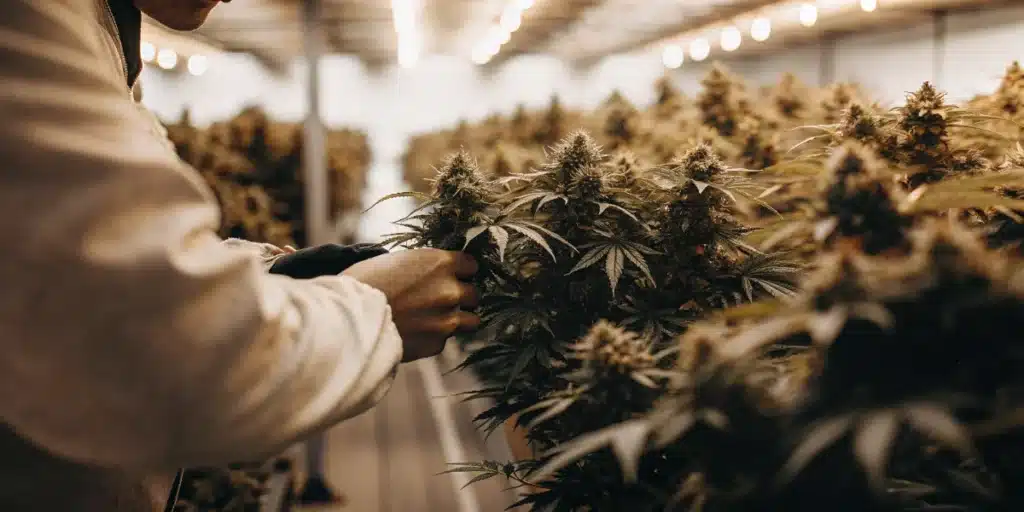
Preventing bud rot: Combat bud rot by managing your growing environment effectively. Keep relative humidity under 50% during the flowering stage, enhance airflow through the plant canopy, and conduct daily inspections of your cannabis colas. This strategy helps prevent the irreversible spread of the Botrytis fungus, which typically starts from the inside of the bud and works its way out.
Bud rot, a common issue in cannabis cultivation, can severely impact your yield if not addressed. This fungal disease thrives in humid environments, making climate control crucial. By optimizing terpene profiles, such as Myrcene and Caryophyllene, and adhering to a flowering time of 8-9 weeks, you can maintain plant health and prevent bud rot effectively.
Recommended Strains

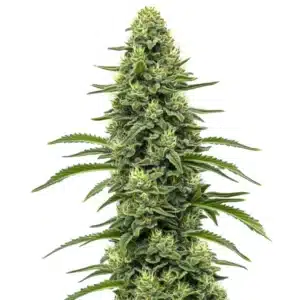
Lemon Haze Autoflower F1

|
THC | 24% - 28% (High) |

|
Type | Autoflowering F1 |

|
Yield | High |

|
Phenotype | 35% Indica / 65% Sativa |

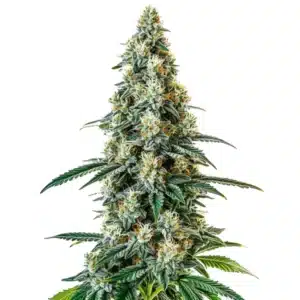
Mango
|
|
THC | 20% - 22% (Medium) |
|
|
Type | Feminized |
|
|
Yield | High |
|
|
Phenotype | 70% Indica / 30% Sativa |
Knowing Bud Rot
What Does Bud Rot Look Like?
Bud rot, or Botrytis cinerea, is a fungal disease that manifests as gray mold on cannabis flowers. It starts internally, causing the buds to turn mushy and brown. Growers often refer to bud rot pictures to identify the early stages, which can help in taking swift action. The fungus thrives in conditions where humidity exceeds 55%, making visual inspection crucial.
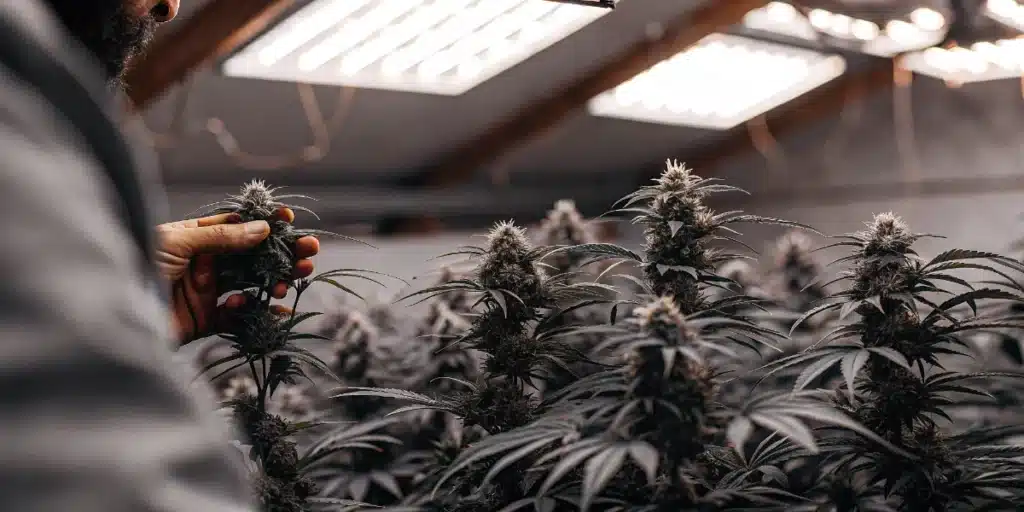
Identifying bud rot early is key. Look for discolored spots or a fuzzy gray mold. As the disease progresses, it can cause the entire bud to collapse. Maintaining a humidity level below 50% and ensuring good airflow can prevent these symptoms. Regular inspections are advised, especially during the flowering phase.
Does Bud Rot Spread?
Yes, bud rot spreads rapidly if not contained. The spores can travel through the air, infecting nearby plants. This is why it’s essential to remove affected buds immediately and dispose of them far from your grow area. Does bud rot spread quickly? Absolutely, especially in dense canopies with poor air circulation.
To prevent the spread, maintain a consistent airflow around your plants. Use oscillating fans to keep the air moving, and consider pruning lower branches to improve ventilation. This practice not only helps in preventing bud rot but also enhances overall plant health by reducing humidity pockets.
Promos & Deals


How to Prevent Bud Rot Indoor and Outdoor
How to Prevent Bud Rot Indoor
Indoor growers must focus on controlling environmental conditions to prevent bud rot. Keep humidity levels below 50% and ensure adequate ventilation. Using a dehumidifier can help maintain optimal conditions, especially during the flowering stage. How to prevent bud rot indoor involves regular monitoring and adjustments to your grow setup.
Lighting plays a crucial role in indoor environments. Ensure your lights do not raise the temperature excessively, as this can increase humidity. Aim for a temperature range of 68°F – 77°F (20°C – 25°C) to keep your plants healthy. Adjust your light schedule to a 12/12 cycle during flowering to promote bud development without excessive moisture.
How to Prevent Bud Rot Outdoor
Outdoor growers face different challenges. How to prevent bud rot outdoor involves selecting a site with good air circulation and sunlight exposure. Avoid planting in low-lying areas where moisture can accumulate. Using raised beds can improve drainage and reduce the risk of fungal infections.
Consider the local climate when planning your grow. In humid regions, choose strains that are resistant to mold, such as GG4. Regularly prune your plants to improve airflow and reduce the risk of bud rot. This practice also helps sunlight reach lower branches, promoting even growth.
Effective Strategies to Get Rid of Bud Rot
Salvaging Bud Rot: What to Do
Once bud rot is detected, immediate action is required. Salvaging bud rot involves carefully removing affected buds and any surrounding material that may be contaminated. Use sterilized tools to prevent spreading spores. Dispose of infected plant material far from your grow area to avoid recontamination.
After removal, adjust your environmental controls. Increase airflow and reduce humidity to prevent further spread. Consider using a bud rot prevention spray to protect remaining plants. These sprays often contain natural fungicides that can help control the spread of Botrytis without harming your plants.
Bud Rot Prevention Spray Options
Bud rot prevention sprays are an effective tool for combating Botrytis. These sprays typically contain sulfur or copper-based compounds that inhibit fungal growth. When choosing a spray, ensure it’s safe for use on consumable plants. Apply during early flowering and repeat every 7-10 days as a preventive measure.
Organic options include neem oil and potassium bicarbonate, which are safe and effective against bud rot. Always follow the manufacturer’s instructions for application rates and timing. Regular use of prevention sprays can significantly reduce the incidence of bud rot in both indoor and outdoor grows.
Daily Practices to Avoid Bud Rot
Importance of Airflow in Preventing Bud Rot
Airflow is critical in preventing bud rot. Proper ventilation reduces humidity and helps disperse fungal spores. Use oscillating fans to ensure air moves evenly throughout your grow space. This practice is vital in dense canopies where stagnant air can create ideal conditions for Botrytis.
Position fans to cover the entire plant, including lower branches. This setup helps prevent moisture buildup and keeps your plants healthy. Regularly check your fans to ensure they are functioning correctly and adjust their position as your plants grow.
| Feature | GG4 | Lemon Haze Autoflower F1 | Mango |
|---|---|---|---|
| THC Content | 27% | 24-28% | 20-22% |
| Flowering Time | 8-10 weeks | 9-10 weeks | 8-10 weeks |
| Dominant Terpene | Humulene | Limonene | Myrcene |
| Yield | 24.69 – 28.22 oz/plant | 4.23 – 7.05 oz/plant | 21.16 – 24.69 oz/plant |
| Resistance to Mold | High | Moderate | High |
Professional Tips for Preventing Bud Rot
- Maintain 45-50% RH during flowering to prevent Botrytis. Use a digital hygrometer for accurate readings, avoiding analog devices that can be off by 10%.
- Ensure a temperature range of 68°F – 77°F (20°C – 25°C) to reduce humidity. Excessive heat can increase moisture levels, promoting fungal growth.
- Prune lower branches to enhance airflow. This reduces humidity pockets and prevents mold development, a common mistake in dense canopies.
- Use a sulfur-based bud rot prevention spray bi-weekly. It’s effective against Botrytis but avoid overuse as it can affect flavor.
- Inspect plants daily for signs of bud rot. Early detection allows for immediate action, preventing widespread infection.
- Choose mold-resistant strains like GG4 for outdoor grows. Their genetics offer natural resistance to fungal diseases.
FAQs on Bud Rot Prevention
How common is bud rot?
Bud rot is a frequent issue in cannabis cultivation, especially in humid climates. It can affect up to 30% of outdoor crops if not managed properly. Indoor growers can reduce this risk by maintaining optimal environmental conditions, such as humidity levels below 50% and adequate airflow.
How to beat bud rot?
To beat bud rot, maintain a controlled environment with humidity below 50% and temperatures between 68°F and 77°F. Regularly inspect plants and remove any infected material immediately. Using a prevention spray can also help protect your crop from future outbreaks.
Can a plant with bud rot be saved?
Yes, a plant with bud rot can be salvaged if caught early. Remove all affected buds and improve environmental conditions to prevent further spread. Ensure humidity is below 50% and increase airflow to aid recovery. Prompt action is crucial to save the remaining healthy parts.
Does airflow help prevent bud rot?
Airflow is essential in preventing bud rot. It helps disperse moisture and fungal spores, reducing the risk of infection. Use oscillating fans to maintain consistent air movement around your plants, especially in dense canopies where stagnant air can lead to mold development.
What are the best strains for mold resistance?
Strains like GG4, Lemon Haze Autoflower F1, and Mango are known for their mold resistance. They thrive in various climates and offer robust genetics that can withstand high humidity levels, making them ideal for outdoor cultivation.