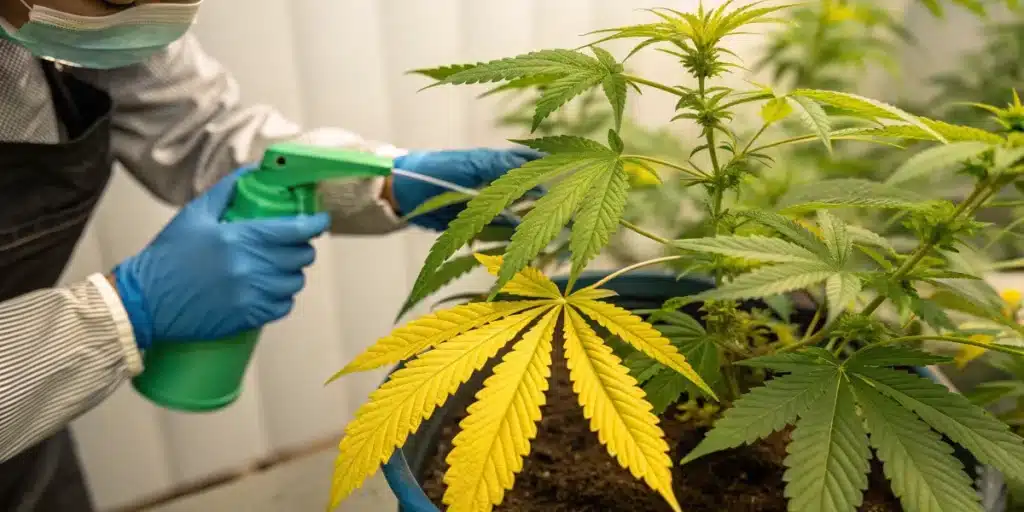
How to Treat Leaf Septoria in Cannabis Plants

Leaf Septoria Treatment: To manage Septoria leaf spot effectively, promptly remove and destroy affected leaves to prevent further spread. Use a fungicide, such as organic copper-based sprays or chlorothalonil, every 7 to 10 days. Ensure watering is directed at the base of the plant to keep foliage dry. This approach helps maintain plant health and yield.
Leaf septoria is a fungal ailment that manifests as yellow and brown spots on cannabis leaves, potentially impacting plant health. Early detection and treatment are crucial to prevent yield loss. By understanding the lifecycle of the fungus and implementing targeted interventions, growers can safeguard their crops and ensure robust growth.
Recommended Strains

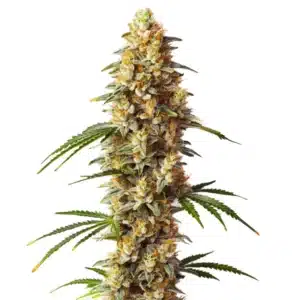
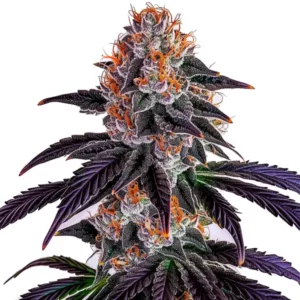
Blue Dream

|
THC | 17% - 24% (High) |

|
Type | Feminized |

|
Yield | High |

|
Phenotype | 50% Indica / 50% Sativa |
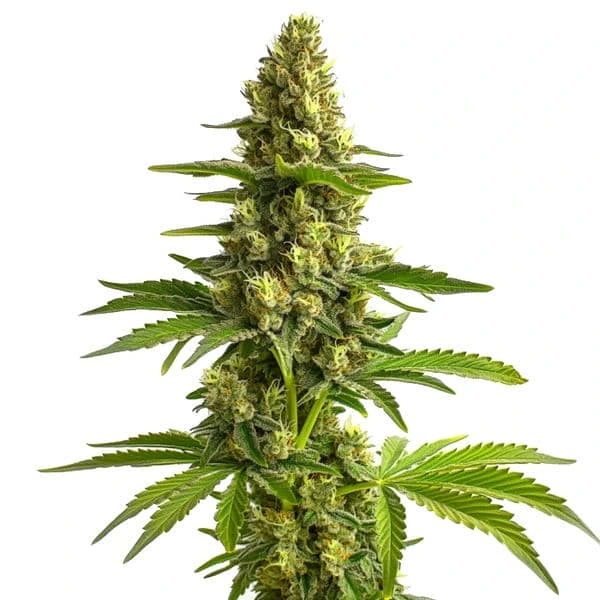
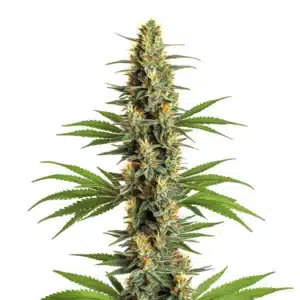
Bruce Banner #3
|
|
THC | 20% - 29% (High) |
|
|
Type | Feminized |
|
|
Yield | High |
|
|
Phenotype | 50% Indica / 50% Sativa |
Leaf Septoria: Symptoms and Diagnosis
Identifying Leaf Septoria
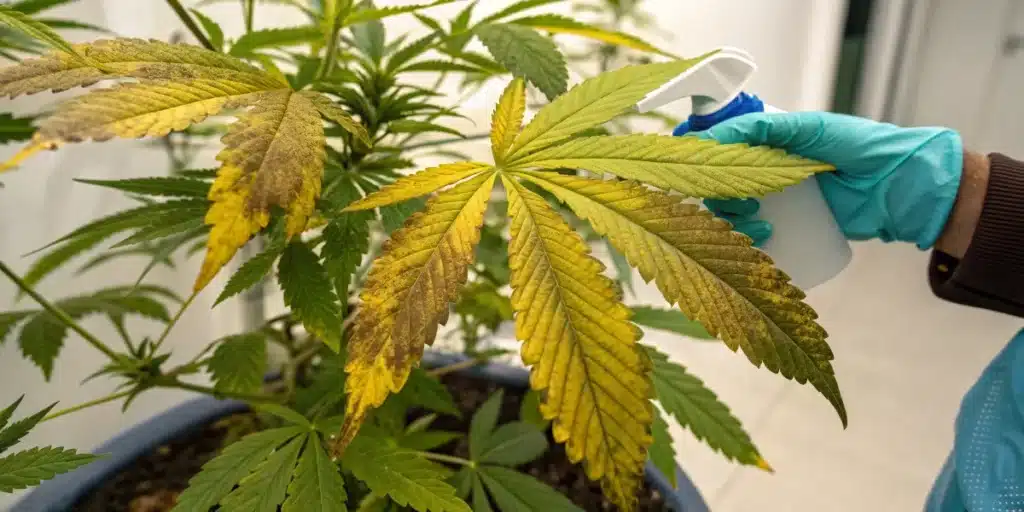
Leaf septoria typically presents as brown spots on fan leaves during veg, which can quickly escalate if not addressed. These spots often start as small, water-soaked lesions that expand and turn brown. Fan leaves turning yellow with brown spots are a hallmark sign, indicating the need for immediate action. In autoflowering strains, such as Critical X GG4 Auto, these symptoms can appear rapidly due to their shorter life cycle.
Accurate diagnosis is crucial to differentiate leaf septoria from other issues like calcium deficiency. While both conditions cause leaf discoloration, calcium deficiency often results in more uniform yellowing, whereas septoria shows distinct spotting. This distinction is vital for applying the correct treatment and ensuring plant recovery.
Impact on Buds
Once leaf septoria establishes itself, it can affect buds within a matter of weeks, particularly if environmental conditions favor fungal growth. High humidity and poor air circulation accelerate the spread, potentially compromising bud development and reducing overall yield. Experienced growers report that monitoring environmental conditions and maintaining optimal airflow can significantly slow the progression.
To manage this risk, it’s essential to implement preventive measures and act swiftly at the first sign of infection. This proactive approach helps protect the plant’s reproductive structures, ensuring a healthy harvest.
Promos & Deals
How to Treat Leaf Septoria
Step-by-Step Treatment Guide
Begin treatment by pruning and disposing of infected leaves to halt the spread. This physical removal is the first line of defense. Next, apply a fungicide every 7 to 10 days. For organic growers, copper-based sprays are effective, while conventional growers might opt for chlorothalonil. It’s crucial to follow the manufacturer’s instructions for application rates and safety precautions.
During treatment, adjust watering practices to prevent moisture accumulation on leaves. Base-level watering ensures that foliage remains dry, reducing the likelihood of fungal proliferation. This is particularly important during flowering, as excess moisture can lead to additional issues like mold.
Treating Brown Spots During Flowering
When treating brown spots on fan leaves during flowering, focus on maintaining optimal environmental conditions. Keep humidity levels between 40-50% and temperatures around 68°F – 77°F (20°C – 25°C). These conditions help prevent further fungal growth and protect developing buds. Regularly inspect plants for new signs of infection and continue fungicide applications as needed.
Master growers emphasize the importance of consistent monitoring and environmental control. Neglecting these aspects can lead to rapid disease spread and significant yield loss, underscoring the need for vigilance throughout the flowering phase.
| Feature | GG4 | Blue Dream | Bruce Banner 3 |
|---|---|---|---|
| THC Content | 27% | 17-24% | 20-29% |
| Dominant Terpene | Humulene | Myrcene | Limonene |
| Yield | High | High | High |
| Flowering Time | 8-10 weeks | 8-10 weeks | 8-10 weeks |
| Resistance | Moderate | High | Moderate |
Preventing Leaf Septoria
Best Practices for Prevention
Prevention begins with environmental control. Maintain humidity levels at 40-50% and ensure good air circulation to discourage fungal growth. Regularly clean and sanitize tools and equipment to prevent the spread of pathogens. Implement crop rotation and avoid planting cannabis in the same location consecutively to reduce soil-borne pathogens.
Another critical aspect is selecting disease-resistant strains. For instance, GG4 is known for its moderate resistance to common diseases, making it a viable choice for growers looking to minimize risks.
Leaf Septoria vs Other Issues
Distinguishing leaf septoria from other issues, such as calcium deficiency, is essential for effective treatment. Calcium deficiency typically results in uniform yellowing and leaf curl, while septoria presents as distinct spots. Understanding these differences ensures accurate diagnosis and application of the appropriate remedy.
Growers should also be aware of the impact of environmental factors. High humidity and poor air circulation can exacerbate both conditions, highlighting the importance of maintaining optimal growing conditions to prevent misdiagnosis and ineffective treatments.
Professional Tips for Managing Leaf Septoria
- Maintain 40-50% humidity to prevent fungal growth. High humidity encourages leaf septoria, while low levels can stress plants.
- Use copper-based fungicides every 7-10 days. Overuse can lead to resistance, so alternate with other treatments.
- Ensure base-level watering to keep leaves dry. Wet foliage promotes fungal spread within 48 hours.
- Prune infected leaves immediately. Delaying can allow the fungus to spread rapidly.
- Rotate crops to prevent soil-borne pathogens. Repeated planting in the same area increases disease risk.
- Regularly sanitize tools to avoid pathogen transmission. Dirty tools can introduce new infections.
Frequently Asked Questions About Leaf Septoria
What kills Septoria leaf spot?
Effective treatments for Septoria leaf spot include copper-based fungicides and chlorothalonil. Apply these every 7 to 10 days, ensuring thorough coverage of affected areas. These fungicides disrupt the fungal lifecycle, preventing further spread. Consistent application is key to managing the disease and protecting your plants.
Does neem oil help with Septoria?
Neem oil can be used as a preventive measure against Septoria, but it’s less effective as a treatment once the disease is established. It works by disrupting fungal growth and reproduction. Apply neem oil weekly, especially during high-risk periods, to reduce the likelihood of infection.
Is leaf Septoria contagious?
Leaf Septoria is highly contagious among plants, spreading through water splashes and contaminated tools. It thrives in humid conditions, making environmental control crucial. Regular monitoring and sanitation practices help prevent its spread, protecting both individual plants and entire crops.
What fungicide is used for leaf Septoria?
Copper-based fungicides and chlorothalonil are commonly used to treat leaf Septoria. These fungicides are effective when applied every 7 to 10 days. They work by inhibiting fungal growth, ensuring that the disease does not spread further. Proper application and timing are essential for success.
How does leaf Septoria spread among plants?
Leaf Septoria spreads through water splashes, wind, and contaminated tools. High humidity and poor air circulation facilitate its transmission. To prevent spread, maintain dry foliage and sanitize tools regularly. Monitoring environmental conditions and implementing preventive measures are key to controlling this disease.