Best Outdoor Seeds for Cold Climates: Top Picks

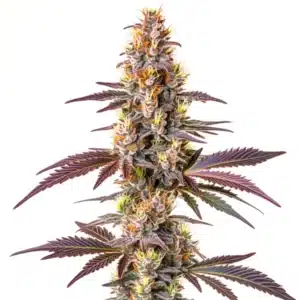
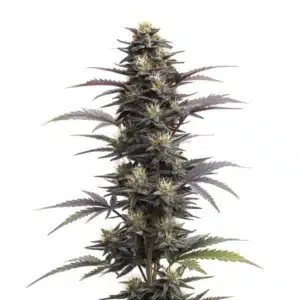
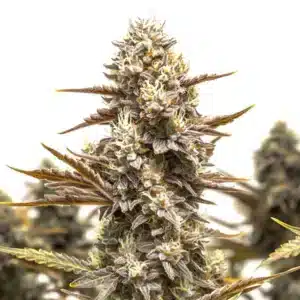
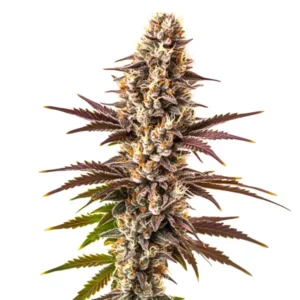
Choosing the right strains: Selecting the best outdoor seeds for cold climates is essential for successful cannabis cultivation. Strains like Northern Lights and White Widow are known for their resilience to low temperatures and harsh weather conditions. These varieties not only withstand frost but also produce high yields, making them ideal for growers facing cold conditions.
When growing cannabis in cold climates, selecting strains with robust terpene profiles and shorter flowering times is crucial. Strains like Northern Lights and Afghan Kush are known for their earthy and piney aromas, thanks to terpenes like Pinene and Myrcene. These strains typically flower within 8-9 weeks, making them suitable for regions with shorter growing seasons.
Recommended Strains

AK 47

|
THC | 16% - 19% (Medium) |

|
Type | Feminized |

|
Yield | High |

|
Phenotype | 35% Indica / 65% Sativa |
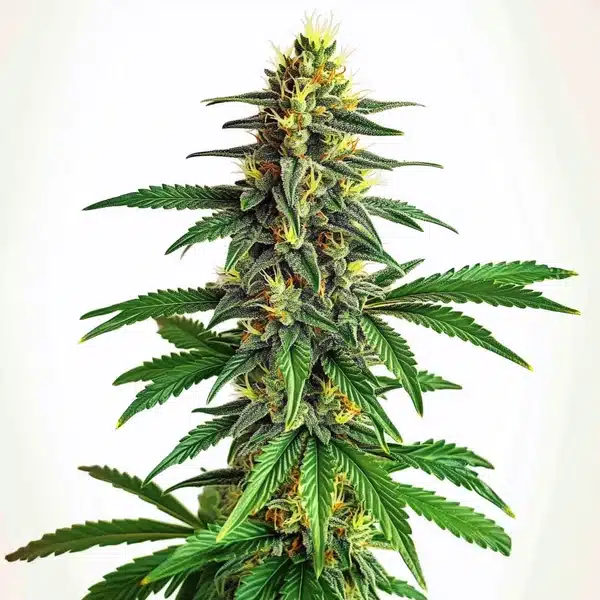
AK 47 Fast Version
|
|
THC | 19% - 22% (Medium) |
|
|
Type | Fast Flowering |
|
|
Yield | High |
|
|
Phenotype | 35% Indica / 65% Sativa |
Characteristics of Cold-Resilient Strains
Adaptation to Low Temperatures
Cold-resilient cannabis strains have evolved unique adaptations to thrive in cooler climates. These strains often originate from regions with harsh weather, such as mountainous areas or northern latitudes. Their genetic makeup allows them to maintain metabolic functions even when temperatures drop, ensuring continuous growth and development.
One key adaptation is their ability to photosynthesize efficiently in cooler temperatures, converting sunlight into energy for growth. Additionally, these strains often have a robust structure, with sturdy stems and leaves that minimize damage from cold snaps. This structural integrity helps them withstand the weight of frost or light snow, providing a natural shield against the elements.
Resistance to Frost and Wind
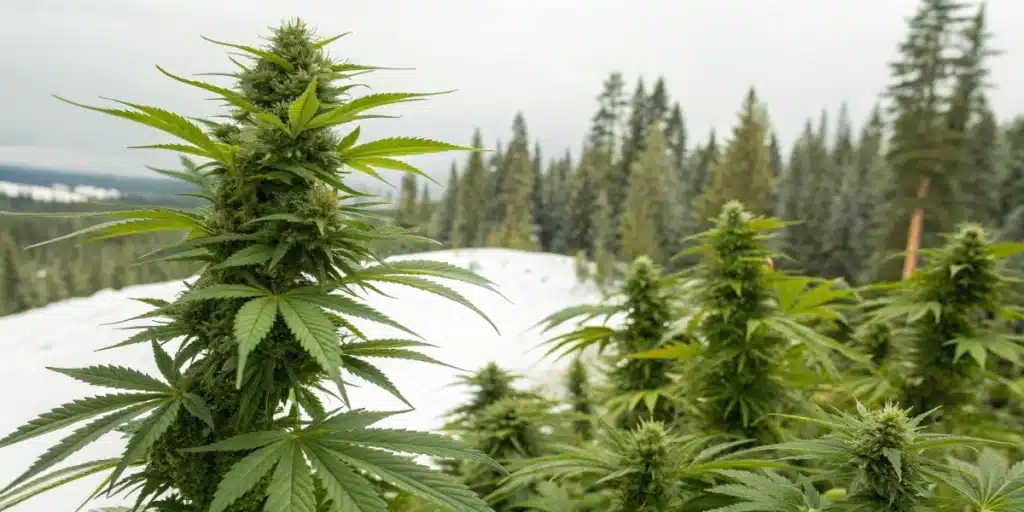
The best outdoor strains for cold climates not only handle low temperatures but also resist frost and wind. Frost can damage or kill the delicate tissues of cannabis plants, but certain strains have developed mechanisms to survive frost events. For example, they may produce a thicker layer of protective trichomes or possess a waxy leaf coating that minimizes frost penetration.
Wind resistance is another crucial attribute. Strong winds are common in open, cold areas and can cause physical damage, increasing the risk of plant stress and disease. Strains with a compact growth habit and strong branches are less likely to suffer from wind damage. Additionally, these plants may have a flexible stem structure that allows them to bend rather than break, reducing the likelihood of structural failure.
Promos & Deals
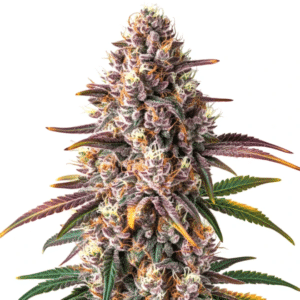
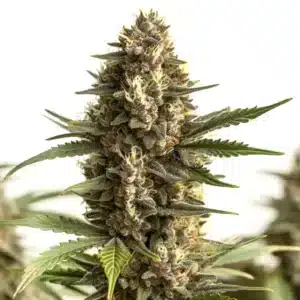
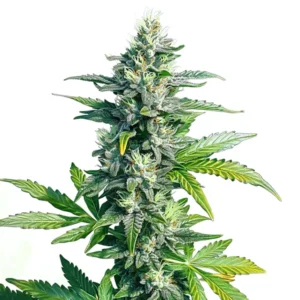
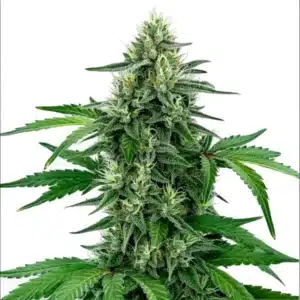
Top Cannabis Strains for Cold Climates
Northern Lights
Northern Lights is a legendary strain renowned for its resilience in cold climates. With a THC content of 18-22%, it offers a potent and relaxing effect. The dominant terpene, Myrcene, contributes to its earthy and piney aroma, enhancing the calming experience. Its short flowering time of 7-8 weeks makes it ideal for regions with brief growing seasons.
Its compact structure and thick foliage provide natural protection against frost and wind, ensuring a successful harvest even in challenging conditions. Northern Lights is a reliable choice for growers looking to maximize yield in colder climates.
White Widow
White Widow is another excellent choice for cold climates, known for its robust genetics and high resin production. With THC levels ranging from 20-25%, it delivers a balanced and euphoric high. The dominant terpene, Limonene, imparts a citrusy aroma, adding a refreshing note to its flavor profile.
This strain’s resilience to mold and pests, combined with a flowering period of 8-9 weeks, makes it a favorite among growers in cooler regions. Its ability to withstand adverse weather conditions ensures a bountiful harvest.
Afghan Kush
Afghan Kush is a pure indica strain with a rich history of thriving in mountainous regions. Its THC content ranges from 16-20%, providing a deeply relaxing effect. The dominant terpene, Caryophyllene, gives it a spicy and peppery aroma, enhancing its soothing qualities.
With a flowering time of 7-8 weeks, Afghan Kush is well-suited for short growing seasons. Its robust structure and natural resistance to harsh weather make it a top choice for outdoor cultivation in cold climates.
| Feature | Northern Lights | White Widow | Afghan Kush |
|---|---|---|---|
| THC Content | 18-22% | 20-25% | 16-20% |
| Dominant Terpene | Myrcene | Limonene | Caryophyllene |
| Aroma | Earthy, Piney | Citrusy | Spicy, Peppery |
| Flowering Time | 7-8 weeks | 8-9 weeks | 7-8 weeks |
| Resilience | High | High | High |
Cultivation Tips for Cold Climates
Site Selection and Microclimates
Choosing the right site is paramount for cultivating cannabis outdoors in cold climates. Microclimates localized areas with unique climate conditions can significantly impact the success of outdoor cultivation. Identifying a site with favorable microclimate characteristics can provide cannabis plants with a more hospitable environment, even in colder regions.
South-facing slopes, for example, receive more sunlight and can offer a warmer microclimate that encourages growth. Additionally, natural windbreaks such as trees or hedges can protect plants from harsh winds, while bodies of water can moderate temperature fluctuations. Selecting a site that offers these features can enhance the growing conditions for cannabis plants.
Seasonal Preparation and Care
Seasonal preparation and ongoing care are critical for optimizing the performance of outdoor cannabis strains in cold climates. Before planting, growers should amend the soil with organic matter to improve its structure and fertility. This step ensures that plants have access to the nutrients they need to thrive.
Employing mulching techniques can help retain soil moisture and regulate temperature, creating a more stable environment for root development. Regular monitoring and maintenance are also essential. As temperatures fluctuate, growers should be vigilant about protecting their plants from sudden cold snaps.
Professional Tips for Cold Climate Cultivation
- Maintain soil temperatures between 60°F and 70°F (15°C and 21°C) to promote root health. Cold soil can stunt growth and reduce nutrient uptake, so consider using mulch or ground covers.
- Ensure adequate drainage to prevent waterlogging, which can lead to root rot. Raised beds can improve drainage in areas with heavy rainfall.
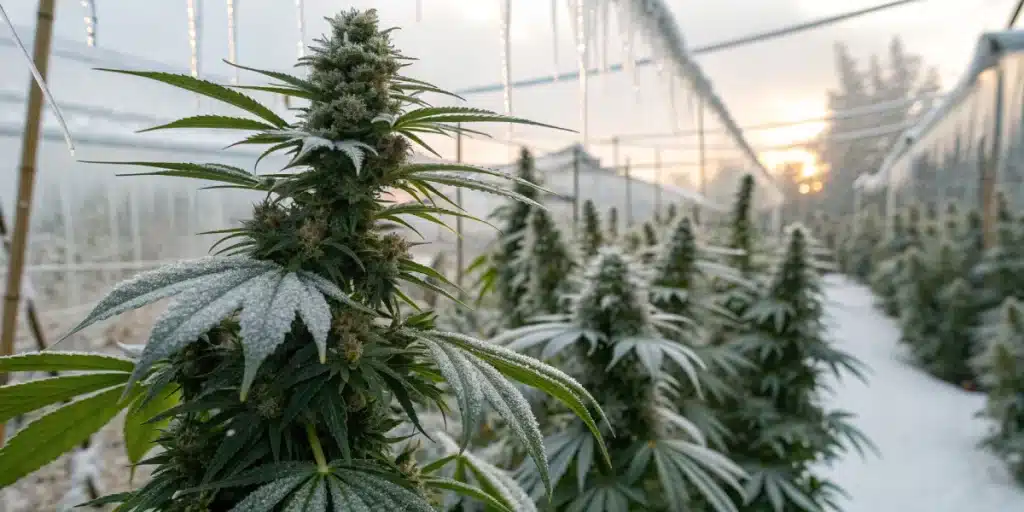
- Use row covers to protect plants from frost. These covers can increase temperatures by 2-5°F, providing a buffer against cold snaps.
- Monitor humidity levels, keeping them between 40-60% to prevent mold and mildew. High humidity can exacerbate these issues, especially during flowering.
- Choose strains with a flowering time of 7-9 weeks to ensure harvest before the first frost. Early-maturing strains are less likely to be affected by cold weather.
- Regularly check for pests, as cold-stressed plants are more susceptible. Use organic pest control methods to maintain plant health.
FAQs about Cold Climate Cultivation
What strains are good for bipolar disorder?
Strains like Blue Dream and Harlequin are often recommended for bipolar disorder due to their balanced THC and CBD levels. Blue Dream offers 17-24% THC, providing uplifting effects, while Harlequin has a 5:2 CBD to THC ratio, promoting relaxation. Always consult with a healthcare professional before use.
What fertilizer makes buds bigger?
High-phosphorus fertilizers, like those with an N:P:K ratio of 1:3:2, are ideal for promoting larger buds. Phosphorus supports flower development and enhances bud density. Ensure the fertilizer is applied during the flowering stage for maximum effectiveness. Avoid over-fertilization, which can lead to nutrient burn.
What terpenes are good for fibromyalgia?
Terpenes like Myrcene and Linalool are beneficial for fibromyalgia due to their anti-inflammatory and analgesic properties. Myrcene, found in strains like Granddaddy Purple, can enhance THC effects, while Linalool, present in Lavender, provides calming effects. Consider strains with these terpenes for potential symptom relief.
What strains are good for seizures?
High-CBD strains like Charlotte’s Web and ACDC are known for their seizure-reducing properties. Charlotte’s Web contains less than 0.3% THC, while ACDC offers a 20:1 CBD to THC ratio. These strains provide therapeutic benefits without psychoactive effects, making them suitable for seizure management.
How to protect outdoor cannabis plants from frost?
To protect cannabis plants from frost, use row covers or hoop houses to create a warmer microclimate. These structures can raise temperatures by 2-5°F. Additionally, water plants before frost events, as hydrated plants are less susceptible to frost damage. Combine these methods for effective frost protection.