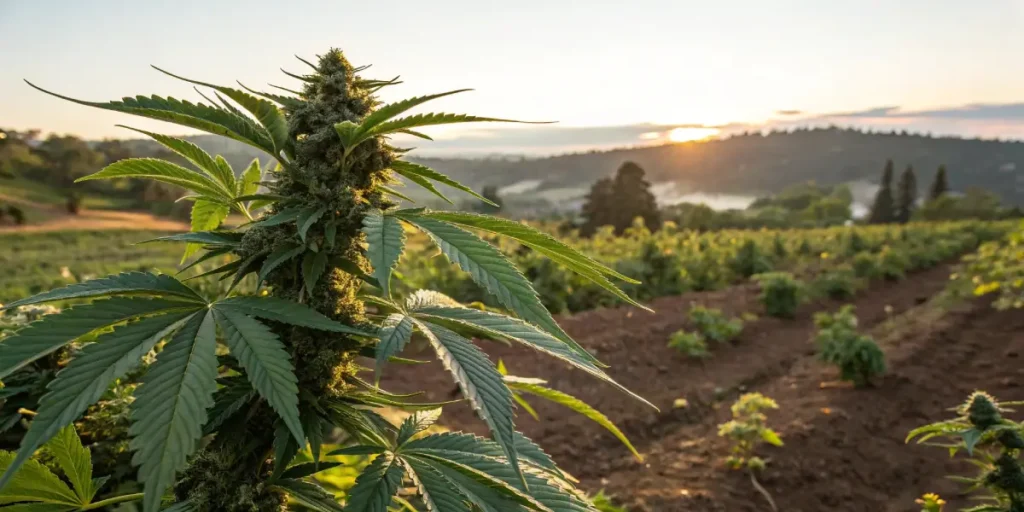
How to Grow an Outdoor Half Pound Plant Successfully

Growing an outdoor half-pound plant: To achieve a half-pound yield from an outdoor cannabis plant, start seeds indoors in early spring. Ensure the plant receives ample sunlight and nutrients, and support it with stakes. With proper care, including regular watering with a pH of 6.5, a half-pound yield is achievable. This process requires strategic planning and execution.
Maximizing terpene production and optimizing flowering time are crucial for growing a robust outdoor half-pound cannabis plant. Focus on strains with high myrcene content for enhanced THC uptake, and aim for a flowering period of 8-10 weeks. By carefully managing these factors, you can cultivate a plant that delivers both high yield and quality.
Recommended Strains
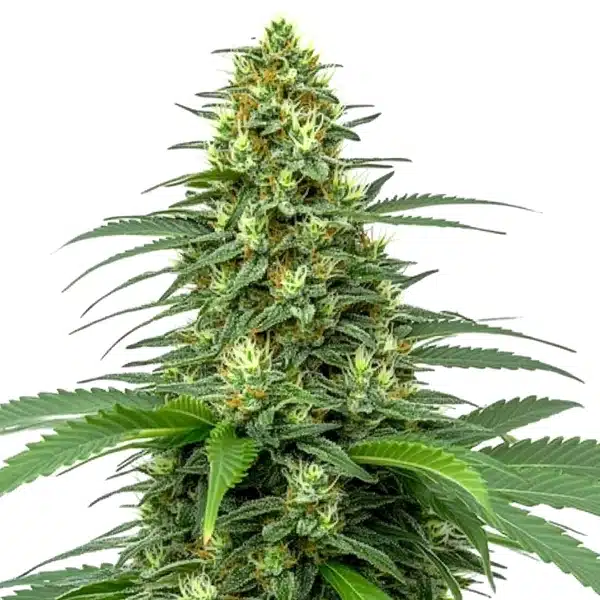
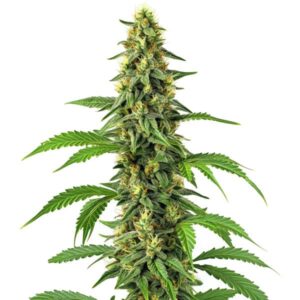
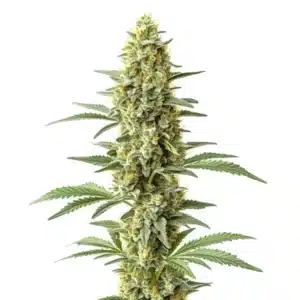
Amnesia Auto

|
THC | 10% - 19% (Medium) |

|
Type | Autoflowering |

|
Yield | High |

|
Phenotype | 30% Indica / 70% Sativa |
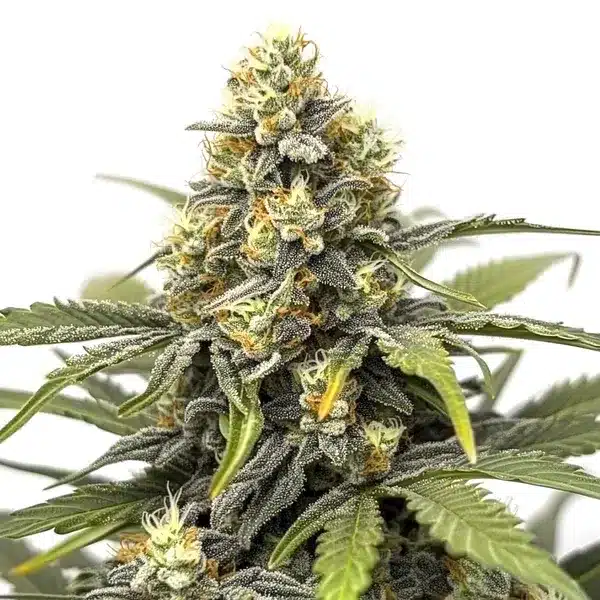
Amnesia
|
|
THC | 15% - 20% (Medium) |
|
|
Type | Feminized |
|
|
Yield | High |
|
|
Phenotype | 30% Indica / 70% Sativa |
Outdoor Half Pound Plants: Aiming for the Perfect Harvest
Why Aim for a Half Pound Yield?
Achieving a half-pound yield from a single outdoor cannabis plant is a rewarding goal for any grower. It requires a combination of optimal growing conditions and strategic planning. By aiming for this yield, you ensure that your efforts result in a substantial harvest, providing ample supply for personal use or sale.
To reach this yield, you need to focus on factors like sunlight exposure, nutrient availability, and pest management. A plant’s ability to produce a half-pound of bud depends on its growth during the vegetative stage, which should last at least 12-16 weeks. This extended period allows the plant to develop a robust structure capable of supporting heavy buds.
The Half-Pound Harvest: A Simple Recipe for a Monster Outdoor Plant
Start by planting seeds indoors in early spring, around March or April, to give your plant a head start. This early start maximizes the vegetative period, allowing the plant to grow large and strong. Transplant outdoors after the last frost, ensuring a location with full southern exposure for maximum sunlight.
Prepare the soil by digging a hole at least 3 feet wide and deep, mixing in organic compost for nutrient-rich soil. This setup supports a strong root system, essential for a half-pound yield. Use a thick layer of mulch to retain moisture and protect roots from heat.
Promos & Deals
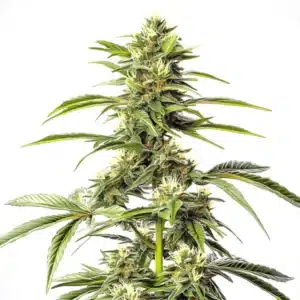
Essential Ingredients for Success
Time: Starting Early for Maximum Growth
Time is your most valuable asset when aiming for a half-pound yield. Begin by germinating seeds indoors under 18 hours of light per day. This simulates a long vegetative period, crucial for developing a large plant. By starting in March or April, you ensure the plant has ample time to grow before flowering begins.
Transplanting should occur only after the last frost, typically in late May or early June. This timing ensures the plant is not shocked by cold temperatures, which can stunt growth. A long vegetative period allows the plant to build a strong framework, essential for supporting heavy buds.
A Perfect Home: Soil and Sunlight
The foundation of a successful outdoor half-pound plant is its growing environment. Choose a site with southern exposure to provide the maximum sunlight, crucial for photosynthesis and growth. The soil should be well-aerated and rich in organic matter, supporting a robust root system.
Dig a hole at least 3 feet wide and deep, mixing in organic compost to enhance soil fertility. This preparation ensures the plant has access to the nutrients it needs for vigorous growth. Additionally, a thick layer of mulch helps maintain soil moisture and temperature, reducing the need for frequent watering.
| Feature / Merkmal | Critical Jack Auto | Northern Lights 5 X Amnesia Haze | Banana Kush |
|---|---|---|---|
| THC Content | 18-22% | 20-24% | 22-26% |
| Dominant Terpene | Myrcene | Limonene | Caryophyllene |
| Yield (oz/plant) | 14-18 oz | 18-22 oz | 20-24 oz |
| Flowering Time (weeks) | 8-9 | 9-10 | 8-9 |
| Height (ft) | 3-4 ft | 4-5 ft | 3-5 ft |
Advanced Tips for Higher Yields
What Fertilizer Makes Buds Bigger?
To enhance bud size, use a fertilizer high in phosphorus and potassium during the flowering stage. A typical N:P:K ratio of 1:3:2 is ideal. Phosphorus supports bud development, while potassium strengthens plant tissues, aiding in nutrient transport and water regulation. Avoid over-fertilizing, which can lead to nutrient burn.
Regular soil testing can help adjust nutrient levels, ensuring optimal conditions for bud growth. Incorporate organic amendments like bat guano or bone meal to naturally boost phosphorus levels. Always monitor pH levels, keeping them between 6.0 and 6.5 for optimal nutrient uptake.
How to Fatten Buds Outdoors
Fattening buds outdoors involves several key practices. Ensure your plants receive at least 6-8 hours of direct sunlight daily. This light exposure is crucial for photosynthesis and energy production, directly impacting bud size. Additionally, maintain consistent watering, ensuring soil remains moist but not waterlogged.
Pruning lower branches and leaves can redirect energy to the main colas, promoting larger bud development. Implementing a trellis or support system can also help by preventing branch breakage and allowing better light penetration. Regularly inspect for pests and diseases, as these can severely impact bud growth.
Professional Tips for Outdoor Cannabis Cultivation
- Maintain a pH of 6.5 in your water supply. This ensures nutrient availability and prevents lockout, a common mistake that stunts growth.
- Ensure 6-8 hours of direct sunlight daily. Less sunlight reduces photosynthesis efficiency, limiting bud development.
- Use a N:P:K ratio of 1:3:2 during flowering. This supports bud growth but avoid over-fertilizing to prevent nutrient burn.
- Apply a thick layer of mulch to retain soil moisture and regulate temperature, reducing the frequency of watering.
- Prune lower branches to focus energy on top colas, enhancing bud size and quality.
- Install a support system to prevent branch breakage from heavy buds, ensuring a healthy harvest.
FAQs About Outdoor Cannabis Cultivation
What fertilizer makes buds bigger?
Fertilizers rich in phosphorus and potassium, with an N:P:K ratio of 1:3:2, enhance bud size. Phosphorus aids in bud development, while potassium strengthens plant tissues. Ensure pH levels remain between 6.0 and 6.5 for optimal nutrient uptake. Over-fertilization can lead to nutrient burn, so apply cautiously.
How to fatten buds outdoors?
To fatten buds outdoors, ensure plants receive 6-8 hours of direct sunlight daily and maintain consistent watering. Prune lower branches to direct energy to main colas. Use a trellis for support and inspect regularly for pests. This approach maximizes bud size and health.
Can I harvest the top half of my plant?
Yes, harvesting the top half of your plant allows the lower buds to mature further. This method, known as staggered harvesting, can improve overall yield quality. Ensure the top buds are fully mature, typically after 8-10 weeks of flowering, before proceeding with this technique.
What does a 1 pound plant look like?
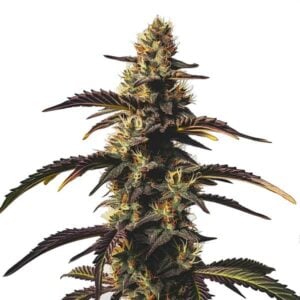
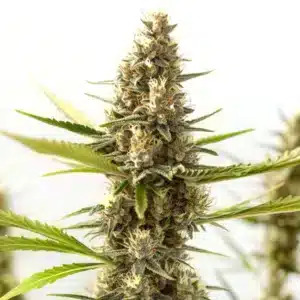
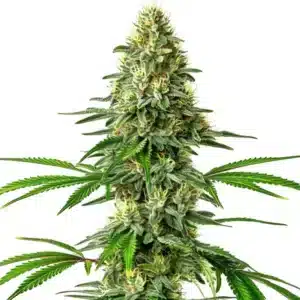
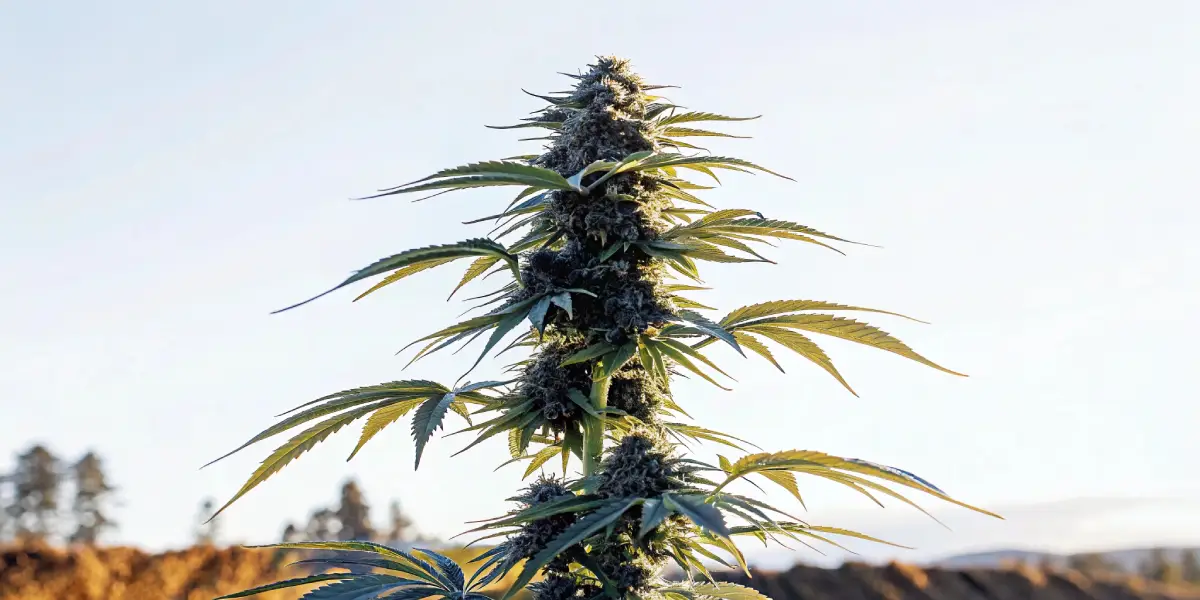
A 1 pound plant typically stands 5-7 feet tall with a wide canopy. It features dense, resinous buds and a robust branching structure. Achieving this size requires optimal sunlight, nutrients, and a long vegetative period of at least 16 weeks. Proper support and pest management are also crucial.
How to harvest half a weed plant?
To harvest half a weed plant, cut the mature top colas first, leaving the lower buds to continue developing. This method, called staggered harvesting, allows the remaining buds to receive more light and resources. Ensure the top buds have reached full maturity before harvesting, typically after 8-10 weeks of flowering.