Outdoor Autoflower Yield: Tips for a Bountiful Harvest

Quick answer: a single outdoor autoflower usually yields around 50-150 g (about 2-5 oz), with vigorous strains in large pots and full sun reaching more. Because autoflowers run on a fixed clock, most of the yield is set in the first few weeks, so early conditions matter most: big containers, maximum sun, light feeding and gentle training. This guide covers how to maximize outdoor autoflower yield. For general per-plant yield see how much a weed plant produces, and for buying the biggest autos see XXL-yield autoflower seeds.
Optimizing Outdoor Autoflower Yield
Autoflowers reward getting the basics right early. The biggest levers outdoors are strain choice, pot size, sunlight and a healthy, stress-free start.
Recommended Strains

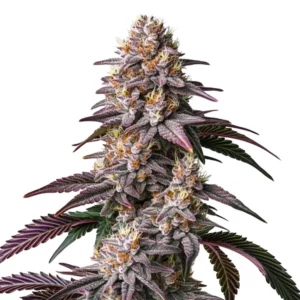
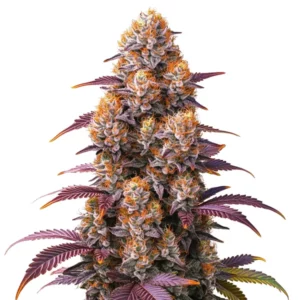
Colombian Gold

|
THC | 16% - 19% (Medium) |

|
Type | Feminized |

|
Yield | Medium |

|
Phenotype | 25% Indica / 75% Sativa |
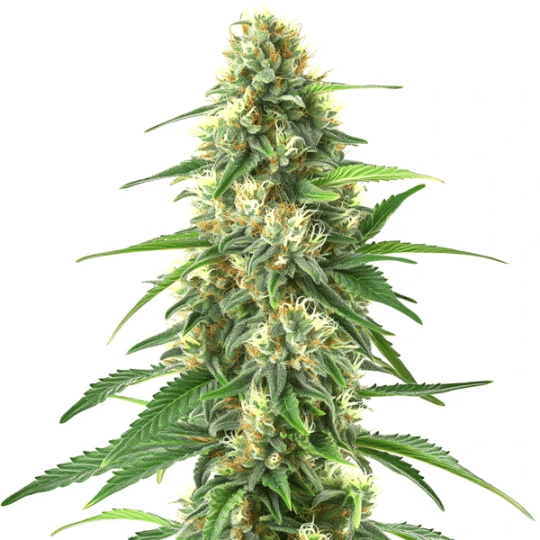
Colombian Gold Auto
|
|
THC | 21% - 25% (High) |
|
|
Type | Autoflowering |
|
|
Yield | High |
|
|
Phenotype | 25% Indica / 75% Sativa |
Choosing High-Yield Autoflower Strains
Start with vigorous, high-yield autoflower genetics suited to your climate. XXL-type autos and robust, mold-resistant varieties give the biggest outdoor harvests; browse the autoflower range to compare.
Planting Time and Location
Sow after the last frost in a spot with 6-8+ hours of direct sun. Because autos ignore day length, you can stagger plantings for multiple harvests across the warm season, maximizing total yield.
Promos & Deals
Feeding and Watering for Yield
Autoflowers are light feeders with a short life, so gentle, consistent inputs beat heavy feeding.
Feeding Schedule
Feed lightly (around half the dose of a photoperiod), with more nitrogen early and a shift to phosphorus and potassium in flower, plus Cal-Mag. Overfeeding stunts autos, so build up slowly and watch the plant.
Watering Techniques
Keep the medium evenly moist but never waterlogged, watering when the top inch dries. In big outdoor pots or ground, deep, less frequent watering encourages strong roots that support bigger buds.
Environmental Factors
Sun, temperature and protection from the elements shape how big an outdoor auto gets.
Sunlight and Temperature
Maximum direct sunlight is the single biggest yield driver outdoors. Aim for a warm, sunny position; extreme heat or cold both slow growth, so some shelter in harsh climates helps.
Wind Protection and Microclimate
Shelter plants from strong wind with barriers or placement, and use walls or paving that hold warmth to create a favorable microclimate, extending growth and protecting buds.

Training for Bigger Autoflower Yields
Gentle training early opens the canopy and lifts yield, but heavy techniques are risky on short-lived autos.
Low-Stress Training (LST)
LST, gently tying branches down, is the safest way to boost autoflower yield, exposing more bud sites to light without the recovery time that topping demands.
Strategic Pruning
Light defoliation of large fan leaves blocking bud sites improves light and airflow, but keep it minimal: autos have no time to recover from heavy pruning.
Harvesting to Preserve Yield
Harvesting and curing well protects the weight and quality you grew.
Harvest Timing
Check trichomes and harvest when most are milky with some amber for peak weight and potency. Harvesting too early sacrifices yield; too late can degrade it.
Drying and Curing
Dry slowly in a dark, ventilated space at 45-55% humidity, then cure in jars. Proper drying preserves weight, aroma and potency, protecting the harvest you worked for.
How Many Harvests Outdoors Per Season
One of the biggest outdoor advantages of autoflowers is multiple harvests in a single season. Because they flower by age rather than day length, you can plant in succession, early spring, again in summer, and sometimes a late run, and harvest several times where a photoperiod plant gives only one autumn crop. In warm climates with a long season, two or three staggered autoflower runs are realistic. This spreads out the workload and the harvest, reduces the risk of losing everything to one bad weather event, and keeps a steady supply coming through the season.
Pot Size and Yield Outdoors
Container size strongly influences how big an outdoor autoflower gets. Because autos have a short, fixed life, they need to establish roots fast and never be transplanted late, so starting them in their final container matters. Larger pots, often 5-10 gallons, or planting straight into good ground, let roots expand and support bigger plants and heavier yields. Fabric pots improve aeration and prevent waterlogging in rain. Too small a pot caps the plant’s size permanently, since there is no time to recover from being root-bound. Right-sizing the container from day one is key to maximizing outdoor autoflower yield.
Protecting Autoflowers From Weather
Outdoor autoflowers face wind, rain, heat and pests, and their tight schedule leaves little room to recover from damage. Shelter plants from strong wind with stakes or a barrier, and move pots or cover plants during heavy rain to prevent bud rot on dense colas late in flower. In extreme heat, light shade during peak sun reduces stress. Scout regularly for pests and mold, since a short-lived plant cannot afford a prolonged setback. A little proactive protection through the season preserves the yield you have worked toward right up to harvest.
| Factor | Impact on outdoor autoflower yield |
|---|---|
| Strain genetics | Biggest ceiling; choose XXL/high-yield autos |
| Pot size | Bigger root space = bigger plant |
| Sunlight | 6-8+ hrs direct; top yield driver |
| Early start | No transplant shock; strong first weeks |
| Training | LST boosts; heavy topping risky |

FAQs about Outdoor Autoflower Yield
What are some simple ways to improve Outdoor Autoflower Yield?
Give maximum direct sun, use a large pot or rich ground, start in the final container to avoid transplant shock, feed lightly and consistently, and apply gentle LST early. Choosing a high-yield autoflower strain sets the ceiling for everything else.
What nutrient and watering practices boost Outdoor Autoflower Yield?
Feed light (about half a photoperiod dose), higher nitrogen early then more P-K in flower, with Cal-Mag, and keep pH in range. Water deeply but let the top inch dry between waterings. Steady, gentle inputs outperform heavy feeding for autoflowers.
How does proper environmental management impact Outdoor Autoflower Yield?
Hugely. Full sun drives photosynthesis and bud density, stable warmth keeps growth fast, and wind protection plus a warm microclimate prevent stress and damage. Since autoflowers set most of their size early and cannot be revegged, dialing in the environment from day one is what separates a small plant from a heavy harvest.
How many times can I grow autoflowers outdoors in one season?
In a warm climate with a long season, two or three staggered autoflower runs are realistic, since they flower by age rather than day length. Plant in succession from spring through summer for multiple harvests. In cooler regions with a short season, one or two runs are more typical. Timing each sowing to the weather is the key.