Optimal Timing for Low Stress Training in Cannabis

Optimal LST Timing: Begin Low Stress Training (LST) when your cannabis plants have developed 3-5 nodes. This stage ensures the plant is mature enough to endure bending and manipulation, enhancing light exposure and promoting lateral growth. Properly timed LST can significantly boost yields, making it a crucial technique for maximizing cannabis production.
Low Stress Training (LST) is a pivotal method for enhancing cannabis plant growth, particularly for strains like Blue Dream Auto. This technique involves gently bending stems to allow more light penetration, leading to increased bud sites. LST is especially beneficial for autoflowering strains, which have a limited vegetative period, ensuring they maximize their potential within their short lifecycle.
Recommended Strains

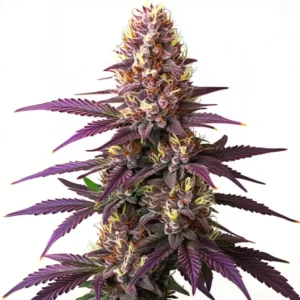
Blueberry Kush Regular

|
THC | 15% - 19% (Medium) |

|
Type | Regular |

|
Yield | High |

|
Phenotype | 80% Indica / 20% Sativa |

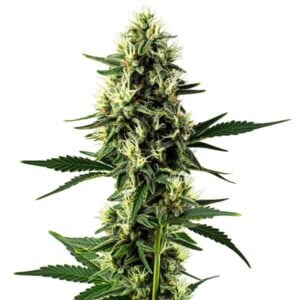
Blue Dream Autoflower
|
|
THC | 10% - 13% (Low) |
|
|
Type | Autoflowering |
|
|
Yield | Medium |
|
|
Phenotype | 30% Indica / 70% Sativa |
Low Stress Training Explained
What is Low Stress Training?
Low Stress Training (LST) is a cultivation technique used to manipulate the shape of cannabis plants. By gently bending and tying down branches, growers can increase light exposure to lower nodes, promoting a more even canopy. This method is particularly effective in indoor grows where light is a limiting factor, allowing for better light distribution across the plant.
Experienced cultivators report that LST can lead to a 20-30% increase in yield. This is achieved by optimizing the plant’s exposure to light, which in turn enhances photosynthesis. The technique is non-invasive and does not involve cutting, which minimizes stress on the plant and reduces recovery time.
Benefits of Low Stress Training
Implementing LST offers several advantages, including improved airflow and light penetration, which are crucial for preventing mold and mildew. By creating a more uniform canopy, LST helps in maintaining consistent humidity levels, ideally between 50-60% RH. This is vital for maintaining plant health and maximizing growth potential.
Many cultivators share that LST also enhances the plant’s ability to produce more bud sites. This is particularly beneficial for strains like GG4, known for their resin production. By increasing the number of flowering sites, growers can achieve higher yields without increasing plant height, which is advantageous in space-constrained environments.
Promos & Deals
When to Start Low Stress Training
Ideal Time for Different Strains
The optimal time to start LST varies depending on the cannabis strain. For photoperiod strains, begin LST when the plant has developed 3-5 nodes, usually around 3-4 weeks into the vegetative stage. This timing ensures the plant is robust enough to handle the stress of bending without causing damage.
For autoflowering strains, timing is more critical due to their shorter lifecycle. Begin LST as soon as the plant has 3 nodes, typically around 2-3 weeks from germination. This early start allows the plant to adjust and maximize its growth potential before transitioning into the flowering stage.
Signs Your Plant is Ready
Identifying when your plant is ready for LST involves observing its growth patterns. Look for a strong central stem and healthy, vibrant leaves. The plant should show no signs of nutrient deficiency or pest infestation, which can hinder its ability to recover from stress.
Master growers have pointed out that a plant ready for LST will exhibit a vigorous growth rate and a sturdy structure. It’s crucial to ensure the plant is well-hydrated and has a stable root system. This foundation supports the plant as it adapts to the new growth pattern induced by LST.
LST Training Step by Step
Preparing Your Tools
Before starting LST, gather essential tools such as low stress training clips, wire, and stakes. These tools help secure branches in place without causing damage. Clips are particularly useful for beginners as they provide a gentle hold, reducing the risk of snapping branches.
Low stress training wire is flexible and can be easily adjusted as the plant grows. It’s important to check the tension regularly to prevent cutting into the plant tissue. Stakes can provide additional support, especially for larger branches that need extra stability.
Implementing LST on Autoflowers
When applying LST to autoflowering strains, timing and gentleness are key. Start when the plant has 3 nodes, using training clips to gently bend the main stem. This encourages lateral growth, allowing more light to reach lower branches.
Low stress training autoflower techniques require careful monitoring of the plant’s response. Given their rapid lifecycle, autoflowers have less time to recover from stress, so it’s crucial to avoid over-bending. Regularly adjust the ties to accommodate growth and prevent constriction.
Implementing LST on Photoperiods
For photoperiod strains, LST can be more intensive due to their longer vegetative period. Begin by bending the main stem and securing it with wire or clips. This encourages the plant to develop multiple colas, enhancing yield.
Low stress training photoperiod techniques allow for more aggressive training as the plant has ample time to recover. Ensure the plant is well-nourished with an N:P:K ratio of 3:1:2 during the vegetative stage to support robust growth.
| Feature | Blue Dream Auto | GG4 | Blueberry Kush Regular |
|---|---|---|---|
| THC Content | 10-13% | 27% | 15-19% |
| Dominant Terpene | Myrcene | Humulene | Limonene |
| Yield Indoor | 1.31 oz/ft² | 400 g/m² | 1.64 – 1.97 oz/ft² | 500 – 600 g/m² | 1.97 – 2.29 oz/ft² | 600 – 700 g/m² |
| Flowering Time | 7 – 9 weeks | 8-10 weeks | 8 – 10 weeks |
| Height | 4.92 ft | 1.5 m | 6.56 ft | 2 m | 4.92 ft | 1.5 m |
Tools and Accessories for LST
Low Stress Training Clips and Wire
Low stress training clips are essential for securing branches without causing damage. These clips are designed to hold branches in place gently, allowing for gradual bending. They are reusable and can be adjusted as the plant grows, making them a cost-effective option for continuous training.
Low stress training wire is another versatile tool. It’s flexible, allowing for precise adjustments. Ensure the wire is coated to prevent cutting into the plant tissue. Regularly check the tension to avoid constriction as the plant expands.
Using Stakes for Support
Stakes provide additional support for larger branches that might need extra stability. They are particularly useful in outdoor grows where wind and weather can affect plant structure. Stakes should be placed carefully to avoid damaging the root system.
Low stress training stakes are often used in conjunction with wire or clips to create a comprehensive support system. This combination ensures that even the heaviest branches remain upright, reducing the risk of breakage and promoting optimal growth.

Professional Tips for Low Stress Training
- Maintain 58-62% RH during LST to prevent mold and mildew. Use a digital hygrometer for accurate readings.
- Start LST when plants have 3-5 nodes for optimal results. This ensures they are mature enough to handle stress.
- Use low stress training clips for gentle bending. Avoid over-tightening to prevent branch damage.
- Adjust low stress training wire as plants grow. Check weekly to prevent constriction.
- For autoflowers, begin LST early, around 2-3 weeks from germination, to maximize growth potential.
- Ensure plants are well-nourished with an N:P:K ratio of 3:1:2 during LST to support robust growth.
FAQs about Low Stress Training
How many nodes before LST?
Start Low Stress Training when your cannabis plant has 3-5 nodes. This stage indicates the plant is mature enough to endure bending and manipulation without undue stress. Starting too early can stunt growth, while starting too late may not yield optimal results in terms of increased bud sites.
Does LST really increase yield?
Yes, Low Stress Training can significantly increase yield by 20-30%. By optimizing light exposure and promoting even canopy growth, LST enhances photosynthesis and bud site development. This method is especially effective in indoor grows where light distribution is crucial for maximizing plant potential.
How to start low stress training?
Begin LST by gently bending the main stem and securing it with training clips or wire. Start when the plant has 3-5 nodes to ensure it can handle the stress. Regularly adjust the ties as the plant grows to maintain even light exposure and prevent constriction.
Can I LST during flowering?
It’s not advisable to start LST during the flowering stage as it can stress the plant and reduce yield. However, if LST was initiated during the vegetative stage, minor adjustments can be made to maintain canopy shape. Always handle plants gently to avoid disrupting flower development.
What are the best tools for LST?
Essential tools for LST include training clips, wire, and stakes. Clips provide gentle support, while wire allows for precise adjustments. Stakes offer stability for larger branches. Ensure all tools are clean and adjusted regularly to prevent plant damage and promote healthy growth.