How to Flush Cannabis: A Complete Guide

Flushing cannabis: Involves using plain, pH-balanced water to eliminate excess salts and nutrients from the growing medium, compelling the plant to utilize its internal nutrient stores before harvest. This process typically begins one to two weeks prior to harvest, depending on trichome maturity, and can significantly enhance the final product’s quality and flavor.
Flushing cannabis is crucial for enhancing terpene profiles, which contribute to the plant’s aroma and flavor. Typically, growers initiate flushing based on trichome development, ensuring optimal potency. The process, lasting 1-2 weeks, can significantly impact the plant’s final quality, with terpene levels like myrcene and limonene reaching 0.8-1.2% and 0.5-0.9% respectively, enriching the sensory experience.
Recommended Strains

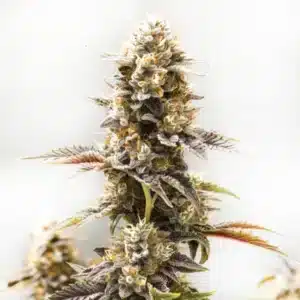
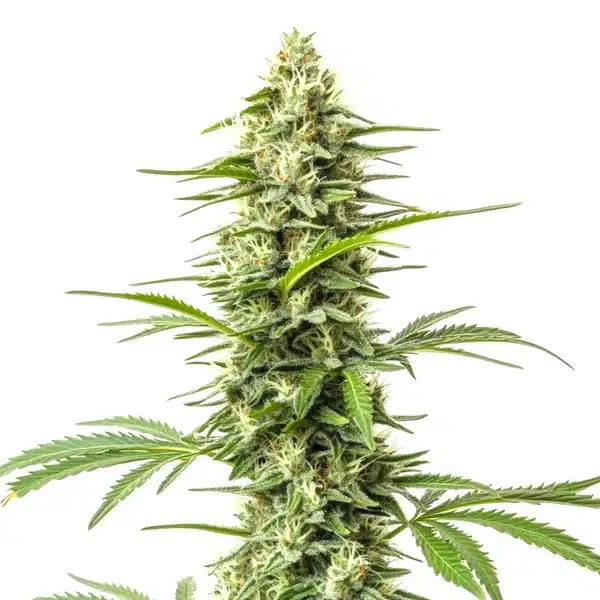
GG4

|
THC | 27% (High) |

|
Type | Feminized |

|
Yield | High |

|
Phenotype | 40% Indica / 60% Sativa |
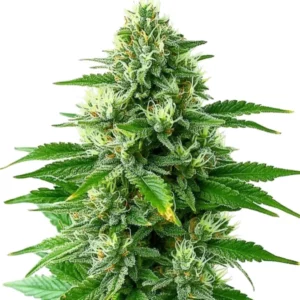
Northern Lights x Do-Si-Dos
|
|
THC | 17% - 23% (Medium) |
|
|
Type | Feminized |
|
|
Yield | High |
|
|
Phenotype | 75% Indica / 25% Sativa |
Flushing Cannabis Explained
What is Flushing?
Flushing is the process of using pH-balanced water to remove residual salts and nutrients from the growing medium. This practice ensures that the cannabis plant consumes its internal nutrient reserves, which can lead to a cleaner and more flavorful product. Experienced growers recommend maintaining a pH of 6.5 for soil and 5.5-6.5 for hydroponics during this phase.
Flushing typically begins one to two weeks before harvest, aligning with the trichome development stages. Trichomes, the tiny resin glands on the cannabis plant, serve as indicators for the optimal flushing period. When they shift from clear to cloudy and eventually amber, it signals the right time to start flushing.
Why is Flushing Important?
Flushing is vital for removing excess nutrients that can affect the taste and smoothness of the smoke. It also helps prevent nutrient lockout, a condition where the plant cannot absorb nutrients due to salt buildup. By flushing, you ensure that the plant’s final product is free from harsh chemical residues, resulting in a smoother and more enjoyable smoking experience.
Master growers emphasize the importance of timing when it comes to flushing. Starting too early or too late can affect the plant’s potency and yield. Monitoring trichome development is crucial, as it provides a visual cue for the perfect flushing window.
Promos & Deals
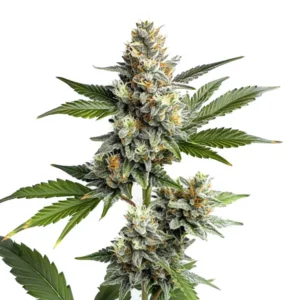
How to Flush Cannabis Plants
Step-by-Step Flushing Process
Begin by ensuring your water is pH-balanced. For soil, aim for a pH of 6.5, while hydroponic systems require a pH of 5.5-6.5. Use enough water to thoroughly saturate the growing medium, allowing it to drain completely. This process helps to leach out any excess nutrients and salts.
Repeat the flushing process every few days, ensuring the plant is well-hydrated but not overwatered. Overwatering can lead to root rot, a common mistake among novice growers. It’s essential to strike a balance, allowing the medium to dry out slightly between flushes.
Flushing Cannabis Plants in Soil
Flushing cannabis plants in soil requires a careful approach to avoid overwatering. Start by using three times the volume of the pot in water. For example, a 3-gallon pot would require 9 gallons of water. This ensures thorough leaching of salts and nutrients.
Monitor the runoff water’s pH and EC (electrical conductivity) levels. The goal is to achieve a runoff pH of 6.5 and an EC of 0.4-0.6 mS/cm. This indicates that the excess nutrients have been adequately flushed from the soil.
| Feature | GG4 | Northern Lights X Do Si Dos | Lemon Haze Auto |
|---|---|---|---|
| THC% | 27% | 17-23% | 15-17% |
| Dominant Terpene | Caryophyllene | Limonene | Myrcene |
| Yield Outdoor | 24.69 – 28.22 oz/plant | 21.16 – 28.22 oz/plant | 14.11 – 21.16 oz/plant |
| Flowering Time | 8-10 weeks | 8-10 weeks | 8-10 weeks |
| Effect | Happy, Relaxed, Talkative | Calming, Hungry, Sleepy | Creative, Focused, Uplifted |
When to Flush Cannabis
Timing Based on Trichomes
Trichomes are the primary indicator for determining the right time to flush cannabis plants. These tiny, crystal-like structures on the buds change color as the plant matures. Initially clear, they turn cloudy and then amber as the plant approaches peak ripeness.
For most strains, begin flushing when trichomes are mostly cloudy with some turning amber. This stage typically occurs 1-2 weeks before the anticipated harvest. Monitoring trichome color with a magnifying glass or digital microscope ensures precise timing.
Flushing Before Harvest
To flush before harvest, start by using pH-balanced water without any added nutrients. This encourages the plant to use up its internal nutrient reserves, enhancing flavor and aroma. The process should last 7-14 days, depending on the strain and growing conditions.
During this period, observe the plant’s leaves for signs of nutrient depletion, such as yellowing or leaf drop. These are normal indicators that the plant is utilizing its stored nutrients. Ensure the plant remains hydrated but not overwatered to prevent root issues.
Common Flushing Myths and Tips
Cannabis Flushing Myth Debunked
A common cannabis flushing myth is that it is unnecessary for hydroponic systems. However, even in hydro setups, salts and nutrients can accumulate, affecting the plant’s final quality. Flushing ensures a clean, smooth smoke by removing these residues.
Another misconception is that flushing can be skipped if using organic nutrients. While organic nutrients are less likely to cause buildup, flushing still benefits the plant by enhancing natural flavors and aromas.
Flushing Plants Without Overwatering
Flushing without overwatering involves careful water management. Use a volume of water that is three times the pot size, allowing it to drain completely. This method effectively leaches out excess nutrients without saturating the roots.
Allow the growing medium to dry out slightly between flushes to prevent root rot. Overwatering can lead to oxygen deprivation in the root zone, which can stunt growth and affect yield.
Troubleshooting Flushing Issues
Flushing Cannabis for Nutrient Lockout
Nutrient lockout occurs when the plant cannot absorb nutrients due to salt buildup. Flushing with pH-balanced water helps dissolve these salts, restoring nutrient uptake. Monitor the runoff’s EC levels to ensure effective flushing.
For severe lockout cases, consider using a flushing agent designed to break down salt deposits. These agents can accelerate the flushing process and help restore plant health.
Choosing a Cannabis Flushing Agent
Flushing agents are formulated to aid in the removal of nutrient buildup. They work by breaking down salts and facilitating their removal from the growing medium. When selecting a flushing agent, consider its compatibility with your growing system and medium.
Look for agents that are pH-neutral and free from harsh chemicals. These products should enhance the flushing process without introducing new residues. Always follow the manufacturer’s instructions for optimal results.
Professional Tips for Flushing Cannabis
- Maintain a pH of 6.5 for soil and 5.5-6.5 for hydroponics. Incorrect pH can lead to nutrient lockout.
- Use three times the pot size in water to ensure thorough flushing. Insufficient water volume may not remove all residues.
- Monitor trichomes with a magnifying glass. Begin flushing when they are mostly cloudy with some amber.
- Allow the medium to dry slightly between flushes. Overwatering can cause root rot within 48 hours.
- Consider a flushing agent for severe nutrient lockout. These can expedite the removal of salt deposits.
- Observe leaf color and condition during flushing. Yellowing indicates nutrient depletion, a normal part of the process.
FAQs on Flushing Cannabis
How do you flush a plant properly?
To flush a plant properly, use pH-balanced water and apply three times the pot’s volume. Ensure complete drainage to remove excess nutrients. Monitor the runoff’s pH and EC levels, aiming for 6.5 pH and 0.4-0.6 mS/cm EC. Repeat every few days until harvest.
How long is the flush for cannabis?
The flush for cannabis typically lasts 7-14 days, depending on the strain and growing conditions. Start when trichomes are mostly cloudy with some amber. This period allows the plant to use up internal nutrients, enhancing flavor and smoothness.
Can I flush cannabis with distilled water?
Yes, you can flush cannabis with distilled water. It’s free from impurities and minerals, making it ideal for removing nutrient buildup. Ensure the water is pH-adjusted to 6.5 for soil or 5.5-6.5 for hydroponics to prevent nutrient lockout.
What week do I start flushing?
Start flushing cannabis one to two weeks before harvest, typically when trichomes are mostly cloudy with some amber. This timing ensures the plant uses its internal nutrient reserves, improving the final product’s taste and aroma.
What makes flushing cannabis important?
Flushing cannabis is important for removing residual nutrients and salts, which can affect flavor and smoke quality. It ensures a cleaner, smoother product by encouraging the plant to utilize its internal nutrient stores before harvest.