Traits of a Successful Cannabis Grower

Key Traits of a Successful Cannabis Grower: Successful cannabis growers excel through patience, attention to detail, and an in-depth knowing of cannabis strains. These traits are vital for managing the complexities of cultivation, from seed selection to harvest. Master growers use structured resources like the Cannabis Grow Guide PDF, which can boost yield consistency by up to 30%, ensuring a thriving crop. Great growers keep learning, leaning on resources like our glossary of growing terms and the wider environmental benefits of growing cannabis.
Mastering cannabis cultivation requires a keen sense of timing and an knowing of terpene profiles. Recognizing the flowering time, which typically ranges from 8 to 10 weeks, is crucial for maximizing yield. Terpenes like Myrcene and Limonene not only influence aroma but also enhance the plant’s effects, making them essential knowledge for any grower aiming for top-quality results.
Recommended Strains

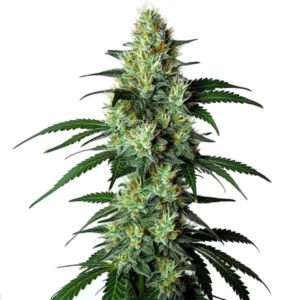
Amnesia Haze Auto

|
THC | 16% - 17% (Medium) |

|
Type | Autoflowering |

|
Yield | Medium |

|
Phenotype | 25% Indica / 75% Sativa |

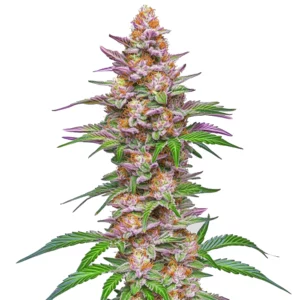
Blue Dream Autoflower
|
|
THC | 10% - 13% (Low) |
|
|
Type | Autoflowering |
|
|
Yield | Medium |
|
|
Phenotype | 30% Indica / 70% Sativa |
Key Traits of a Successful Cannabis Grower
Patience and Attention to Detail
Patience is a cornerstone trait for cannabis growers. Cultivating cannabis is a time-intensive process, often taking 12 to 16 weeks from seed to harvest. During this period, growers must monitor environmental conditions meticulously, adjusting light schedules to 18/6 for vegetative growth and 12/12 for flowering. Inconsistencies can lead to reduced yields or plant stress.
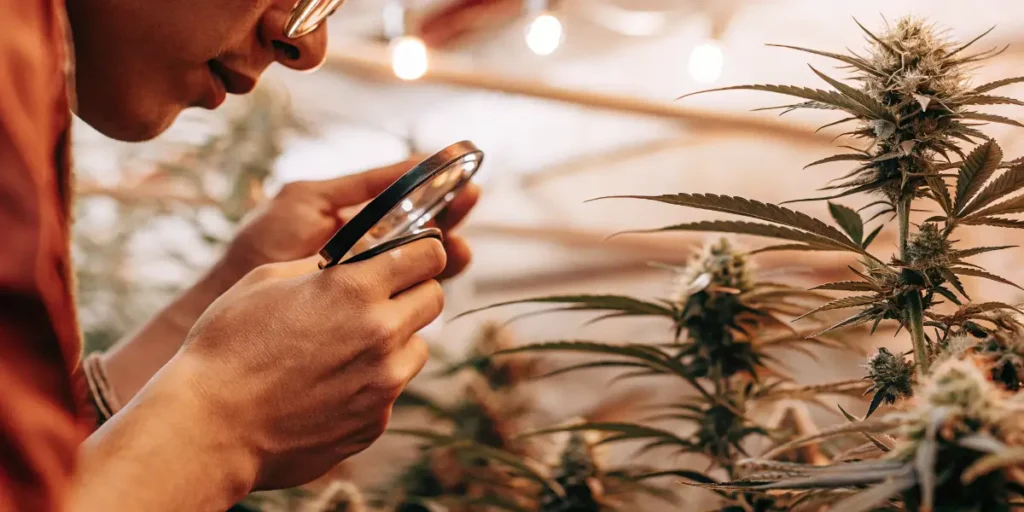
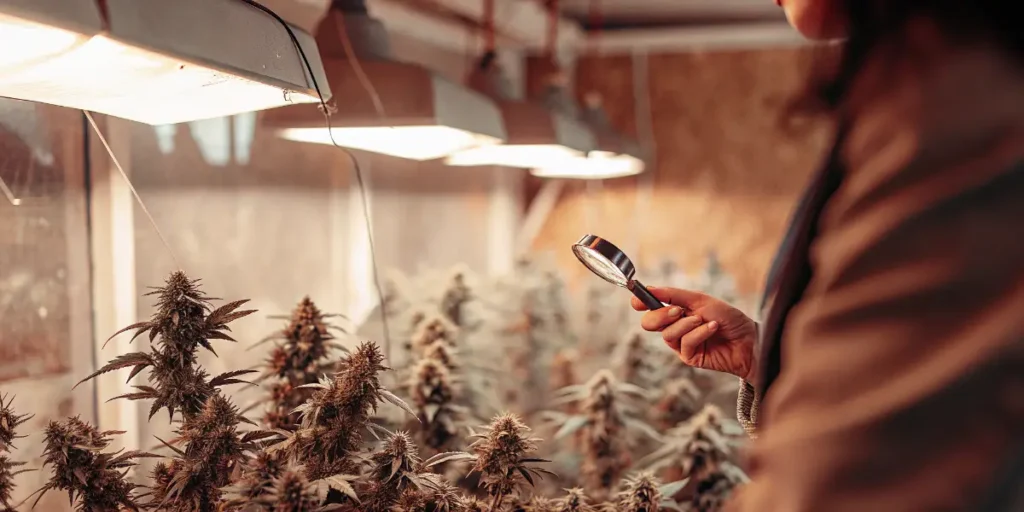
Attention to detail involves scrutinizing every aspect of the grow. From maintaining humidity levels at 40-50% RH during flowering to ensuring nutrient solutions are balanced at a pH of 6.5 for soil, precision is key. Master growers often employ digital hygrometers and pH meters to ensure optimal conditions, avoiding common pitfalls like nutrient lockout.
Knowledge of Cannabis Strains
Knowing the genetic lineage and characteristics of cannabis strains is critical. For instance, strains like GG4 are known for their high resin production and potent effects, making them a favorite among growers. Knowing the specific needs of each strain, such as temperature and nutrient requirements, can significantly impact the quality and yield of the harvest.
Growers often rely on resources like strain databases and the Cannabis Grow Guide PDF to deepen their knowing. These guides provide insights into the optimal growing conditions for various strains, helping cultivators tailor their approach to each plant’s unique needs.
Promos & Deals

Essential Guides for Cannabis Cultivation
Cannabis Grow Guide PDF
Utilizing comprehensive resources like the Cannabis Grow Guide PDF can significantly enhance cultivation skills. These guides offer detailed instructions on every stage of the growing process, from germination to harvest, ensuring growers have the knowledge needed to succeed. By following these structured guides, growers can improve consistency and quality in their crops.
Many cultivators report that using such guides helps them maintain optimal conditions, such as keeping light intensity at 800-1000 µmol/m²/s during peak flowering. This attention to detail can lead to a 20-30% increase in yield, highlighting the importance of well-researched resources.
Cannabis Grow Guide Week by Week
Following a cannabis grow guide week by week allows for precise monitoring of plant development. These guides break down the cultivation process into manageable steps, ensuring that each phase, from seedling to flowering, is given the appropriate care. By adhering to a weekly schedule, growers can anticipate and address potential issues before they escalate.
For example, during the vegetative stage, maintaining a temperature of 68-77°F (20-25°C) is crucial for robust growth. Weekly guides help growers track environmental changes and adjust their setups accordingly, preventing common problems like heat stress or nutrient deficiencies.
Practical Tips for Caring for Cannabis Plants
Cannabis Indoor Grow Guide
Utilizing a Cannabis indoor grow guide can optimize your indoor cultivation setup. These guides provide detailed insights into lighting, ventilation, and space management, all critical for thriving indoor gardens. By following expert recommendations, growers can maximize their yield and quality.
Indoor growers often aim for a light intensity of 600-800 µmol/m²/s during the vegetative stage. Proper ventilation is equally important, as it prevents mold and mildew by maintaining air circulation and humidity levels. These factors, when managed correctly, contribute to healthier plants and higher yields.
Growing Cannabis in Soil
Growing cannabis in soil requires specific techniques to maximize plant health. Soil acts as a natural buffer, providing essential nutrients and stability for the plants. Choosing the right soil mix, with a pH of 6.5, is crucial for nutrient uptake and root development.
Many experienced growers recommend using organic amendments like worm castings or bat guano to enrich the soil. These natural fertilizers enhance microbial activity, promoting healthier root systems and improving overall plant vigor. Regularly testing soil pH and nutrient levels ensures optimal growth conditions.
Career Opportunities and Resources
Cannabis Grower Jobs
Exploring various Cannabis Grower jobs can expand your career in the industry. These positions range from entry-level trimmers to master growers, each requiring different skill sets and levels of experience. As the cannabis industry continues to grow, so do the opportunities for employment.
According to industry reports, the demand for skilled growers is expected to increase by 20% over the next five years. This growth is driven by the expanding legalization of cannabis and the increasing number of cultivation facilities, making it an opportune time to enter the field.
Athena Cannabis Grow and Handbook
The Athena cannabis grow approach offers innovative strategies for successful cultivation. This method emphasizes precision and efficiency, utilizing advanced nutrient formulations and cultivation techniques to enhance plant growth. The Athena growers Handbook provides expert insights and tips for maximizing yield and quality.
By following the Athena approach, growers can achieve consistent results, with many reporting a 15-20% increase in yield. The handbook covers everything from nutrient schedules to pest management, making it a valuable resource for both novice and experienced cultivators.
| Feature | GG4 | Amnesia Haze Auto | Blue Dream Auto |
|---|---|---|---|
| THC% | 27% | 16-17% | 10-13% |
| Terpene Profile | Humulene | Caryophyllene | Caryophyllene |
| Yield Indoor | 1.64 – 1.97 oz/ft² | 500 – 600 g/m² | 0.98 – 1.31 oz/ft² | 300 – 400 g/m² | 1.31 oz/ft² | 400 g/m² |
| Flowering Time | 8-10 weeks | 9-11 weeks | 7-9 weeks |
| Effect | Happy, Relaxed, Talkative | Aroused, Energetic, Euphoric | Focused, Happy, Relaxed |
Professional Tips for Successful Cannabis Cultivation
- Maintain 58-62% RH during curing. Below 55% can halt terpene development, while above 65% risks mold growth within 48 hours.
- Use a digital hygrometer for accurate humidity readings, ensuring your curing environment is optimal.
- Keep pH levels at 6.5 for soil grows to prevent nutrient lockout and ensure healthy plant growth.
- Adjust light schedules to 18/6 for vegetative growth and 12/12 for flowering to mimic natural light cycles.
- Monitor nutrient levels closely, using a balanced N:P:K ratio of 3:1:2 during vegetative stages and 1:3:2 during flowering.
- Regularly inspect plants for pests and diseases, using integrated pest management strategies to maintain plant health.
Frequently Asked Questions
What are some effective techniques for cultivating cannabis?
Effective cannabis cultivation involves maintaining optimal environmental conditions, such as 68-77°F (20-25°C) temperatures and 40-50% RH. Utilizing structured guides like the Cannabis Grow Guide PDF and monitoring pH levels at 6.5 are crucial. Employing these techniques ensures healthy plant growth and maximizes yield.
What is the most difficult strain to grow?
Strains like GG4 are considered challenging due to their sensitivity to environmental changes. They require precise humidity control at 40-50% RH and consistent temperatures of 68-77°F (20-25°C). Mastering these conditions can lead to potent, high-yielding plants.
Who is the biggest grower of cannabis?
As of recent reports, Canopy Growth Corporation is one of the largest cannabis producers globally, with facilities covering over 5 million square feet. Their extensive operations allow for large-scale production and distribution across multiple markets.
What are the essential things to know about growing cannabis?
Knowing the life cycle of cannabis, from germination to harvest, is essential. Key factors include maintaining a light schedule of 18/6 for vegetative growth and 12/12 for flowering, and keeping nutrient levels balanced. These elements ensure successful cultivation.
How do terpenes affect cannabis cultivation?
Terpenes, such as Myrcene and Limonene, influence the aroma and effects of cannabis. They also play a role in plant health, attracting beneficial insects and repelling pests. Maintaining optimal terpene levels can enhance both plant vigor and the final product’s quality.