How to Build and Optimize a Wick Hydroponic System

Wick Hydroponic System Overview: A wick hydroponic system is a straightforward, passive form of soil-less gardening. It operates without pumps or electricity, using materials like cotton or felt as wicks. One end of the wick is placed in a nutrient solution, while the other end remains in the growing medium. This setup allows water to naturally travel up the wick, nourishing plant roots efficiently.
The wick hydroponic system offers a beginner-friendly approach to growing plants without soil. This method uses capillary action to deliver nutrients, making it cost-effective and low-maintenance. Ideal for small spaces, it supports a variety of plants, though selecting the right wick material is crucial for optimal performance. Explore how terpenes and flowering times can be optimized in this setup.
Recommended Strains
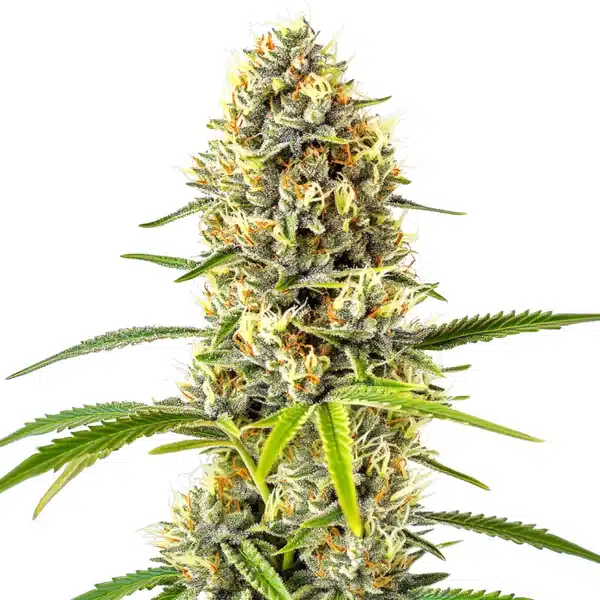
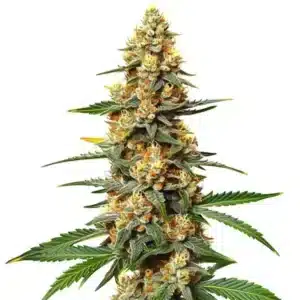
GG x Grapefruit Regular

|
THC | 22% - 24% (High) |

|
Type | Regular |

|
Yield | High |

|
Phenotype | 75% Indica / 25% Sativa |
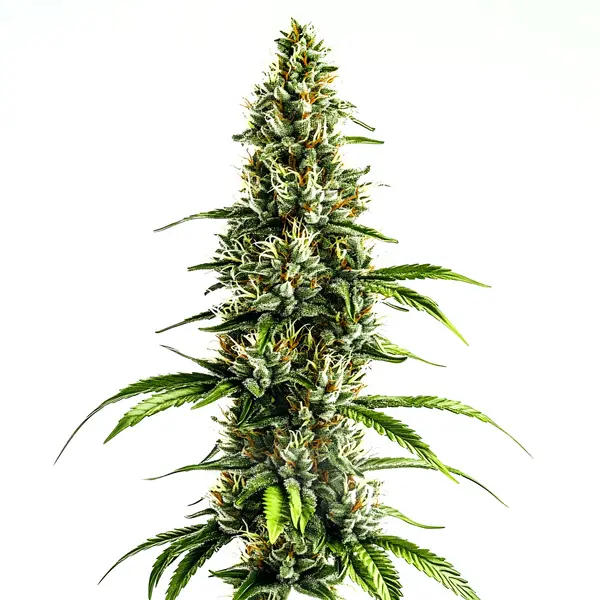
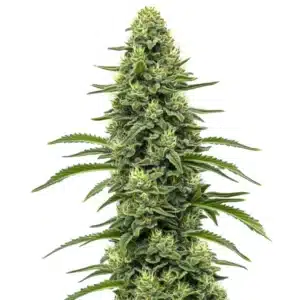
Chocolopez
|
|
THC | 18% - 20% (Medium) |
|
|
Type | Feminized |
|
|
Yield | High |
|
|
Phenotype | 30% Indica / 70% Sativa |
Wick Hydroponic System Basics
What is a Wick Hydroponic System?
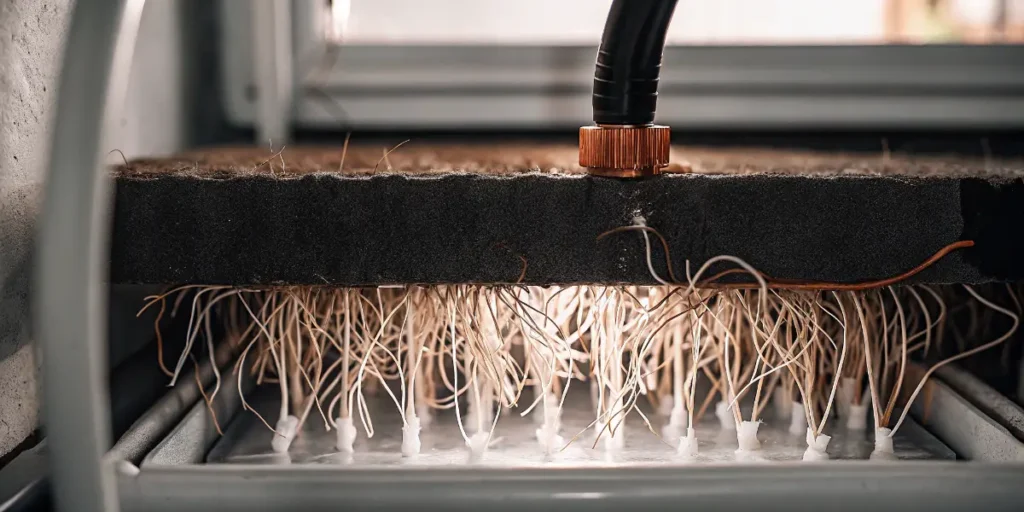
A wick hydroponic system is a passive hydroponic method that relies on capillary action. This system is particularly appealing to novice growers due to its simplicity and low cost. It involves a wick, typically made of cotton or nylon, which draws nutrients from a reservoir into the growing medium. The absence of pumps or electricity makes it an energy-efficient option.
In this system, the wick acts as a conduit for water and nutrients, moving them from the reservoir to the plant roots. The efficiency of this method depends on the wick’s material and the nutrient solution’s composition. The system is best suited for small-scale operations, with a typical nutrient solution concentration of 1.0-1.5 EC (electrical conductivity).
Wick System Hydroponics PDF
For those interested in a more detailed knowing, a downloadable PDF guide is available. This resource provides comprehensive information on setting up a wick hydroponic system, including diagrams and step-by-step instructions. Such guides are invaluable for visual learners and those who prefer a structured approach to building their systems.
Experienced growers often emphasize the importance of maintaining a balanced pH level, ideally between 5.5 and 6.5, to ensure optimal nutrient uptake. Additionally, knowing the limitations of wick systems, such as slower nutrient delivery compared to active systems, is crucial for successful cultivation.
Promos & Deals

Materials Needed for a Wick Hydroponic System
Choosing the Right Wick Material
The choice of wick material significantly impacts the efficiency of the hydroponic system. Common materials include cotton, nylon, and felt, each with unique absorption properties. Cotton is favored for its natural capillary action, while nylon offers durability. The best hydroponic wick material should provide consistent moisture delivery to the roots.
Growers typically use a wick diameter of 0.25-0.5 inches for optimal water absorption. The length of the wick should be sufficient to reach from the reservoir to the plant roots without causing excessive water retention, which can lead to root rot. Regular monitoring and adjustment of the wick are recommended to maintain system efficiency.
Wick Hydroponic System for Sale
While DIY setups are popular, pre-assembled wick hydroponic systems are also available for sale. These kits often include all necessary components, such as reservoirs, wicks, and growing media, providing a convenient option for beginners. Prices typically range from $30 to $100, depending on the system’s size and complexity.
Investing in a quality system ensures reliable performance and minimizes the need for frequent adjustments. When purchasing, consider the system’s capacity and compatibility with your chosen plants. A well-designed system can support a variety of herbs and small vegetables, making it a versatile addition to any indoor garden.
Step-by-Step Guide to Setting Up a Wick Hydroponic System
Wick Hydroponic System Setup
Setting up a wick hydroponic system involves several key steps. First, select a suitable container for your plants and a reservoir for the nutrient solution. The setup process is crucial for the system’s efficiency, ensuring that the wick is properly positioned to deliver nutrients effectively. A detailed manual is essential for successful setup.
Next, install the wick, ensuring it reaches from the reservoir to the plant roots. Fill the reservoir with a balanced nutrient solution, maintaining an EC of 1.0-1.5 and a pH of 5.5-6.5. Regularly check the solution levels and adjust as needed to ensure continuous nutrient delivery. A wick system hydroponics diagram can aid in visualizing the setup.
DIY Wick Hydroponic System
Building a DIY wick hydroponic system at home is a rewarding project. Start by sourcing materials such as a container, a wick, and a nutrient solution. Assemble the components following a step-by-step guide, ensuring each element is correctly positioned. This setup allows for customization, enabling you to tailor the system to your specific needs.
Regular maintenance is key to a successful DIY system. Monitor the nutrient solution’s pH and EC levels, and adjust the wick’s position as needed to maintain optimal moisture levels. This hands-on approach provides valuable insights into hydroponic cultivation, allowing you to refine your techniques over time.
| Feature | Gorilla Glue X Grapefruit Regular | Chocolopez | Critical 47 |
|---|---|---|---|
| THC Content | 22-24% | 18-20% | 15-18% |
| Dominant Terpene | Caryophyllene | Caryophyllene | Limonene |
| Flavor Profile | Citrus, Fruity, Orange | Fruity, Herbal | Cheese, Fruity, Hashish, Lemon |
| Effect | Focused, Happy, Relaxed | Happy, Relaxed, Talkative | Happy, Relaxed, Talkative |
| Yield Indoor | 1.31 – 1.64 oz/ft² | 400 – 500 g/m² | 1.31 – 1.8 oz/ft² | 400 – 550 g/m² | 1.47 – 1.8 oz/ft² | 450 – 550 g/m² |
Advantages and Disadvantages of Wick Systems
What are the Disadvantages of a Wick System?
While wick systems are easy to set up, they have limitations. The primary disadvantage is the slower nutrient delivery compared to active systems. This can lead to nutrient deficiencies in fast-growing plants. Additionally, the system is less suitable for large plants with high water demands, as the wick may not supply enough moisture.
Another challenge is the potential for root rot if the wick retains too much moisture. To mitigate this, ensure the wick is appropriately sized and regularly monitor moisture levels. Despite these drawbacks, wick systems remain a viable option for small-scale growers seeking a low-maintenance solution.
Advantages of Wick Systems
Wick systems offer several advantages, including simplicity and cost-effectiveness. They require minimal maintenance, making them ideal for beginners or those with limited time. The absence of pumps and electricity reduces operational costs, and the system’s passive nature means fewer mechanical failures.
These systems are also versatile, supporting a variety of plants, such as herbs and small vegetables. The ability to customize the setup allows growers to experiment with different configurations, optimizing the system for specific plant needs. Overall, wick systems provide an accessible entry point into hydroponic gardening.
Best Practices for Maintaining Your System
Troubleshooting Common Issues
Maintaining a wick hydroponic system involves regular monitoring and adjustments. Common issues include nutrient imbalances and wick clogging. To address these, ensure the nutrient solution is properly mixed and the wick is free from debris. Regularly check the system’s pH and EC levels, adjusting as needed to maintain optimal conditions.
Another common problem is algae growth in the reservoir, which can be mitigated by covering the reservoir to block light. Additionally, ensure the wick is not submerged too deeply in the nutrient solution, as this can lead to over-saturation and root rot. Regular maintenance is key to a successful system.
Best Wick Hydroponic System
When selecting the best wick hydroponic system, consider factors such as system size, material quality, and ease of maintenance. A high-quality system will feature durable materials and a well-designed layout for efficient nutrient delivery. Comparing different systems can help identify the best option for your needs.
Look for systems that offer flexibility in terms of plant types and sizes. A system that can accommodate a range of plants provides greater versatility and allows for experimentation. By carefully selecting the right system, you can optimize your hydroponic garden for maximum efficiency and yield.
Recommended Plants for Wick Hydroponics
Plants to Avoid in Hydroponics
While many plants thrive in hydroponic systems, some are less suitable for wick systems. Large plants with high water demands, such as tomatoes and cucumbers, may struggle due to the wick’s limited moisture delivery. Additionally, plants with extensive root systems can overwhelm the system, leading to nutrient deficiencies.
Instead, focus on smaller plants like herbs and leafy greens, which are well-suited to wick systems. These plants require less water and nutrients, making them ideal for passive hydroponic setups. By selecting the right plants, you can ensure a successful and productive hydroponic garden.
Professional Tips for Wick Hydroponic Systems
- Maintain a nutrient solution EC of 1.0-1.5 to ensure adequate nutrient delivery without overloading the system.
- Ensure the wick diameter is between 0.25-0.5 inches for optimal water absorption and prevent root rot.
- Regularly check the pH level, keeping it between 5.5 and 6.5 to promote nutrient uptake and prevent deficiencies.
- Use a light-blocking cover for the reservoir to prevent algae growth, which can disrupt nutrient delivery.
- Monitor moisture levels to avoid over-saturation, which can lead to root rot and plant stress.
- Choose small plants like herbs and leafy greens, which are better suited to the wick system’s passive nature.
FAQs about Wick Hydroponic Systems
What is wick system in hydroponics?
A wick system in hydroponics is a passive method that uses a wick to draw nutrients from a reservoir to the plant roots. It operates without pumps or electricity, making it energy-efficient. The system is ideal for small plants and requires a wick material like cotton or nylon for effective nutrient delivery.
What are the disadvantages of a wick system?
The main disadvantages of a wick system include slower nutrient delivery, which can lead to deficiencies in fast-growing plants. It is less suitable for large plants with high water needs. Additionally, improper wick sizing can cause root rot due to excessive moisture retention.
How do I build a DIY hydroponic wick system?
To build a DIY hydroponic wick system, gather materials such as a container, wick, and nutrient solution. Assemble the components, ensuring the wick reaches from the reservoir to the plant roots. Monitor the nutrient solution’s pH and EC levels regularly to maintain optimal conditions.
What are three plants that are not recommended for hydroponics?
Large plants like tomatoes, cucumbers, and squash are not recommended for wick hydroponics due to their high water demands and extensive root systems. These plants may struggle with the slower nutrient delivery of a wick system, leading to deficiencies and reduced growth.
Can I use a wick hydroponic system for indoor gardening?
Yes, a wick hydroponic system is well-suited for indoor gardening, particularly for herbs and small vegetables. Its compact design and passive operation make it ideal for limited spaces. Ensure adequate light and maintain proper nutrient levels for successful indoor cultivation.