Deep Water Culture Hydroponic Systems: A Complete Guide

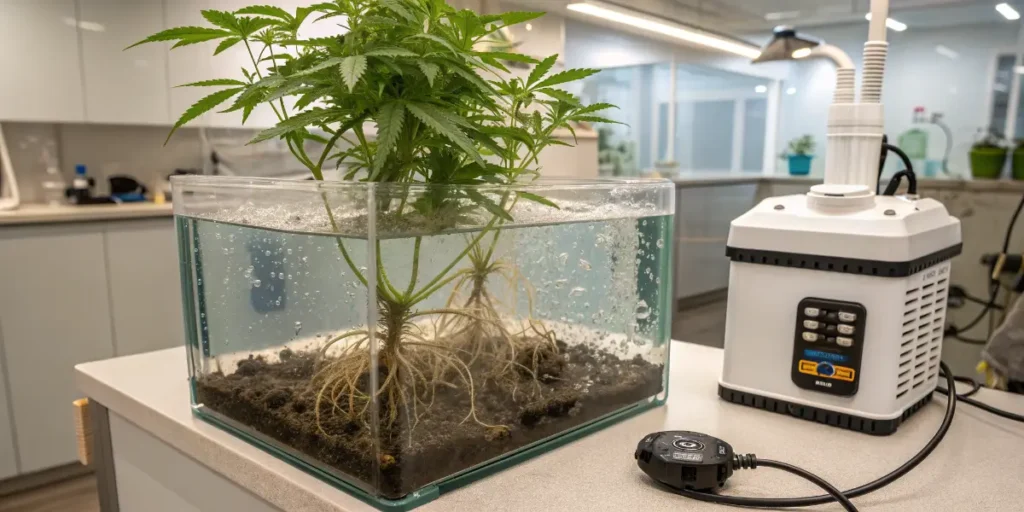
Deep Water Culture Hydroponic Systems: A Deep Water Culture (DWC) hydroponic system immerses plant roots in a nutrient-rich, oxygenated water reservoir. An air pump and air stone ensure continuous oxygenation, allowing roots to efficiently absorb nutrients. Complete DWC kits, like those from Vivosun or VEVOR, typically range from $85 to $130, offering a cost-effective solution for rapid plant growth.
Deep Water Culture (DWC) systems revolutionize hydroponic gardening by submerging roots in nutrient-rich water, enhancing growth rates by up to 25%. Unlike traditional soil methods, DWC systems optimize nutrient uptake and oxygenation. This guide explores the intricacies of DWC, from design to troubleshooting, ensuring you maximize your hydroponic potential. If you want a simpler, pump-free build, compare it with a wick hydroponic system.
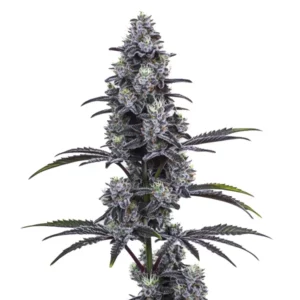
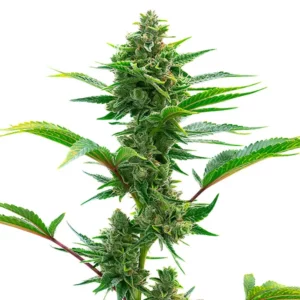
Recommended Strains
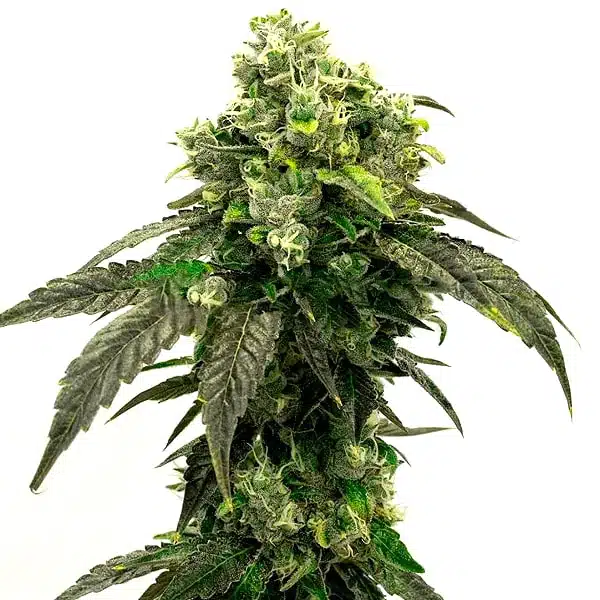
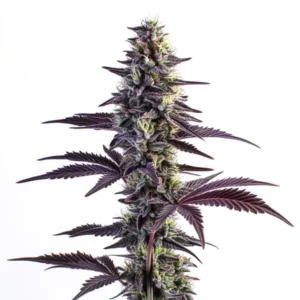
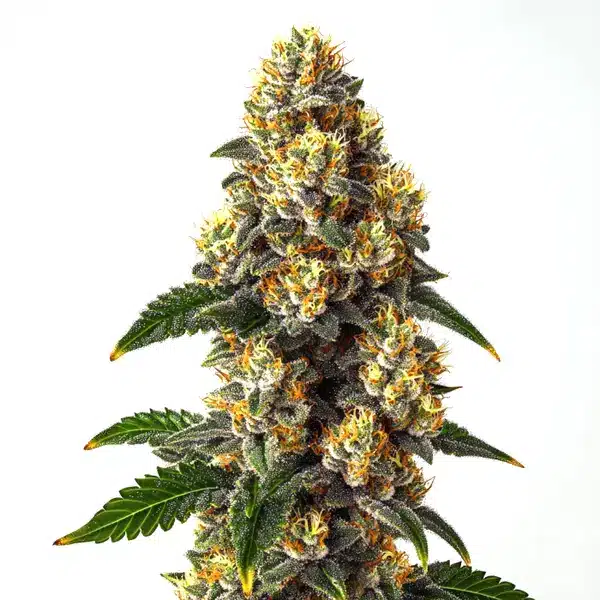
Hindu Kush

|
THC | 15% - 19% (Medium) |

|
Type | Feminized |

|
Yield | High |

|
Phenotype | 75% Indica / 25% Sativa |
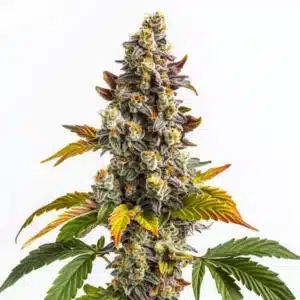
Bubba Kush
|
|
THC | 14% - 19% (Medium) |
|
|
Type | Feminized |
|
|
Yield | High |
|
|
Phenotype | 80% Indica / 20% Sativa |
Deep Water Culture Hydroponic Systems Overview
What is DWC?
In a DWC system, plant roots are directly suspended in a nutrient-rich water reservoir. This setup ensures that roots receive a constant supply of oxygen and nutrients, promoting faster growth compared to soil cultivation. The system relies on air pumps and stones to maintain oxygen levels, crucial for preventing root rot and promoting healthy plant development.
Experienced growers report that DWC systems can increase growth rates by up to 25% compared to traditional soil methods. This efficiency is due to the direct nutrient uptake and the oxygen-rich environment, which supports robust root health and overall plant vitality.
Benefits and Disadvantages of DWC
DWC systems offer numerous advantages, such as rapid growth and higher yields. The oxygen-rich environment allows for faster nutrient uptake, resulting in vigorous plant growth. Additionally, DWC systems are relatively easy to set up and maintain, making them ideal for both beginners and experienced growers.
However, DWC systems also have disadvantages. They require constant monitoring of pH and nutrient levels to prevent imbalances. Additionally, power outages can disrupt oxygen supply, leading to root damage. Proper maintenance and backup systems are essential to mitigate these risks.
Promos & Deals


Designing Your Deep Water Culture System
Essential Components
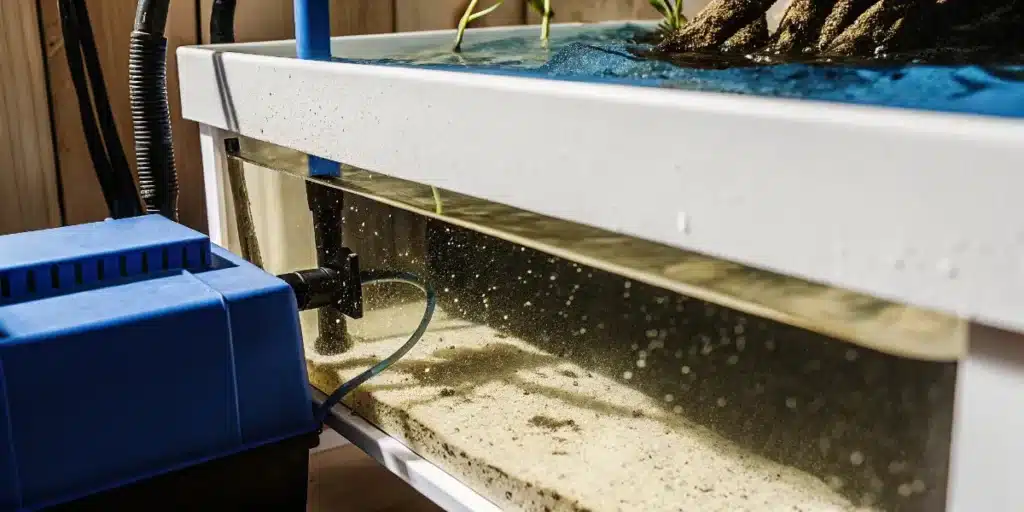
A successful DWC hydroponic system with reservoir includes several key components: a water reservoir, air pump, air stones, and net pots. The reservoir holds the nutrient solution, while the air pump and stones ensure adequate oxygenation. Net pots support the plants, allowing roots to dangle into the nutrient-rich water.
When incorporating a recirculating deep water culture approach, you enhance nutrient distribution and oxygenation. This setup involves circulating the nutrient solution through multiple reservoirs, ensuring consistent nutrient availability and oxygen levels across all plants.
Custom Designs
When considering deep water culture system designs, it’s crucial to tailor the setup to your specific needs. Custom designs can range from single-bucket systems for small-scale operations to multi-bucket systems for larger grows. Each design should prioritize efficient nutrient delivery and oxygenation.
Customizing your DWC system allows for scalability and flexibility. By adjusting the number of buckets and the size of the reservoir, you can optimize the system for different plant types and growth stages. This adaptability makes DWC systems a versatile choice for various cultivation goals.
| Feature | Hindu Kush | Blue Grape Fuel | Bubba Kush |
|---|---|---|---|
| THC Content | 15-19% | 24-26% | 14-19% |
| Terpene Profile | Myrcene | Caryophyllene | Myrcene |
| Flavors | Berry, Citrus, Earthy, Lemon, Sweet | Grape, Sour | Chocolate, Coffee, Sweet |
| Effects | Energetic, Euphoric, Uplifted | Energetic, Euphoric | Creative, Energetic, Uplifted |
| Yield Indoor | 1.47 – 1.8 oz/ft² | 450 – 550 g/m² | 1.47 – 1.8 oz/ft² | 450 – 550 g/m² | 1.15 – 1.64 oz/ft² | 350 – 500 g/m² |
Building a DIY Deep Water Culture System
Step-by-Step Guide
Creating a DIY DWC system is accessible for enthusiasts and beginners alike. Begin by selecting a suitable container for your reservoir, ensuring it can hold at least 5 gallons of nutrient solution. Drill holes in the lid to accommodate net pots, which will support your plants.
Install an air pump and air stones to maintain oxygen levels in the nutrient solution. A comprehensive deep water culture hydroponic systems manual can be found in various online forums and guides, providing detailed instructions and troubleshooting tips for successful setup.
DWC Hydroponics for Beginners
This section is perfect for DWC hydroponics for beginners, providing a straightforward approach to setting up your first system. Focus on maintaining a stable pH level between 5.5 and 6.5 and monitor nutrient concentration using an EC meter. Consistent monitoring ensures optimal plant health and growth.
For beginners, it’s crucial to start with resilient strains like Hindu Kush or Bubba Kush, which thrive in hydroponic environments. These strains offer robust growth and high yields, making them ideal choices for novice growers.
Best Plants for DWC Systems
When selecting plants for DWC systems, consider those that thrive in high-nutrient environments. Leafy greens like lettuce and spinach are excellent choices due to their rapid growth and minimal nutrient requirements. Additionally, herbs such as basil and mint perform well in DWC setups, offering fresh flavors for culinary use.
Cannabis strains like Gelato X Gorilla and Green Crack X Somango are also well-suited for DWC systems, providing high yields and potent effects. These strains benefit from the oxygen-rich environment and consistent nutrient delivery, resulting in robust growth and impressive cannabinoid profiles.
Professional Tips for DWC Systems
- Maintain a pH level of 5.5-6.5 to ensure optimal nutrient uptake. Deviations can lead to nutrient lockout and stunted growth.
- Use an EC meter to monitor nutrient concentration, keeping it between 1.0-2.5 mS/cm for cannabis. High EC levels can cause nutrient burn.
- Ensure air stones are functioning properly to maintain oxygen levels. Poor oxygenation can lead to root rot within 48 hours.
- Regularly check for algae growth in the reservoir, as it can compete with plants for nutrients and oxygen.
- Use a backup power supply for air pumps to prevent oxygen deprivation during power outages.
- Start with resilient strains like Hindu Kush to minimize the risk of failure while learning the DWC system.
FAQs on Deep Water Culture Systems
What are the disadvantages of DWC?
DWC systems require constant monitoring of pH and nutrient levels, which can be labor-intensive. Power outages pose a risk, as they can disrupt oxygen supply, leading to root damage. Additionally, algae growth in the reservoir can compete with plants for nutrients, necessitating regular cleaning and maintenance.
Can I build a DIY Deep Water Culture hydroponic system myself?
Yes, building a DIY DWC system is feasible with basic materials. You’ll need a container for the reservoir, an air pump, air stones, and net pots. Ensure the reservoir holds at least 5 gallons of nutrient solution. Follow online manuals for detailed instructions and troubleshooting tips to ensure success.
What plants grow best in a Deep Water Culture system?
Leafy greens like lettuce and spinach thrive in DWC systems due to their rapid growth and minimal nutrient needs. Herbs such as basil and mint also perform well. Cannabis strains like Gelato X Gorilla and Green Crack X Somango are ideal for DWC, offering high yields and potent effects.
Which is better, NFT or DWC?
Both NFT and DWC systems have advantages. DWC offers simpler setup and maintenance, while NFT provides faster nutrient delivery. DWC is ideal for beginners due to its straightforward design, whereas NFT suits advanced growers seeking precise control over nutrient flow and plant growth.
How does DWC compare to NFT systems?
When comparing deep water culture vs hydroponics, DWC systems provide a simpler setup and maintenance process. NFT systems, however, offer faster nutrient delivery and are better suited for advanced growers. DWC is ideal for beginners, while NFT requires more precise control over nutrient flow.