Essential Guide to Aspergillus Contamination in Cannabis: Expert Tips

Aspergillus contamination in cannabis is a concern for both medical and recreational users. This type of mold can potentially harm users, especially those with weakened immune systems. Thus, knowing how to prevent and identify aspergillus contamination is crucial for growers.
For those new to cannabis cultivation, the idea of mold might seem intimidating. However, with some practical tips and preventive measures, you can significantly reduce the risk. Experienced growers know that maintaining a clean environment is key.
Recommended Strains

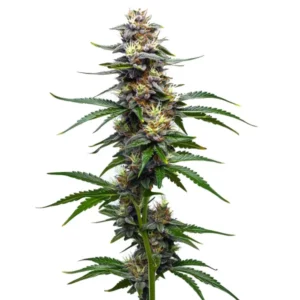
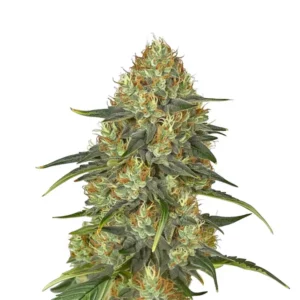
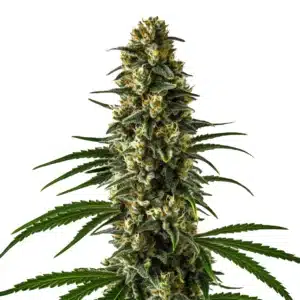
Mamba Negra

|
THC | 18% (Medium) |

|
Type | Feminized |

|
Yield | High |

|
Phenotype | 55% Indica / 45% Sativa |
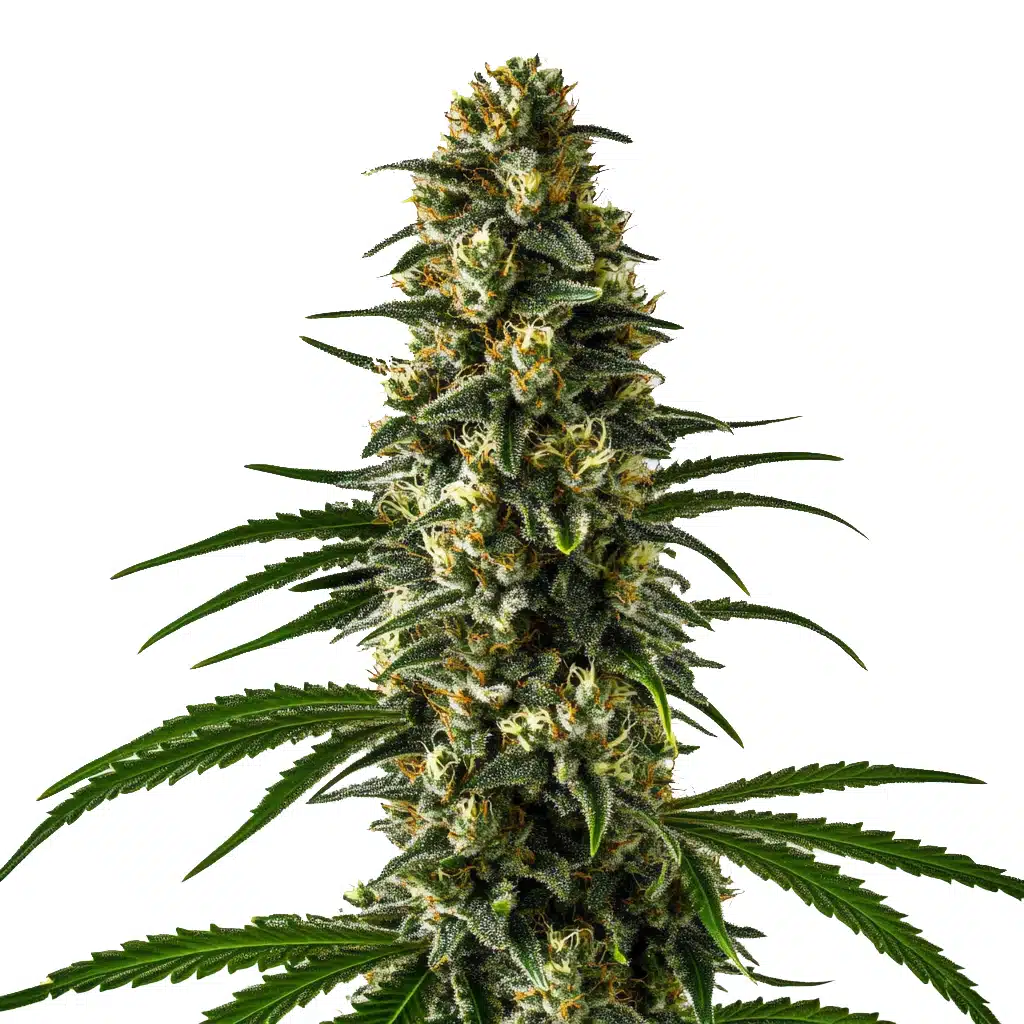
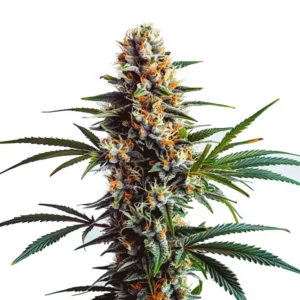
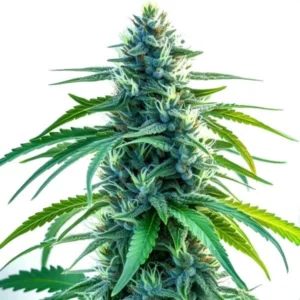
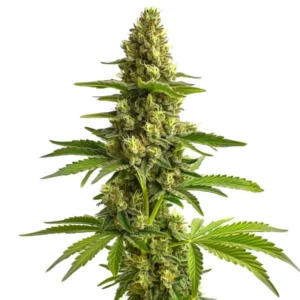
Girl Scout Cookies
|
|
THC | 18% - 25% (High) |
|
|
Type | Feminized |
|
|
Yield | High |
|
|
Phenotype | 60% Indica / 40% Sativa |
Using high-quality seeds from reputable sources like Blimburn Seeds can make a difference. Strains such as Blue Dream, Girl Scout Cookies, and Mamba Negra are not only popular for their effects but also for their resilience against mold when grown properly.
Preventing Aspergillus in Cannabis Cultivation
Preventing aspergillus in cannabis cultivation starts with the right environment. Mold thrives in damp, dark conditions, so controlling humidity is crucial. Aim for a relative humidity of around 40-50% during the flowering stage.
Ventilation is equally important. Make sure your grow space has good airflow to prevent stagnant air, which can lead to mold growth. Fans and vents can help. Check them regularly to ensure they’re functioning well.
Another critical aspect of preventing aspergillus in cannabis cultivation is the cleanliness of your tools and equipment. Always sanitize your tools before use to minimize the risk of introducing mold spores. This simple practice can go a long way in safeguarding your crop.
Regularly rotating your crops and avoiding overcrowding can also help in reducing the risk of aspergillus contamination in cannabis. By providing each plant with enough space, you allow for better air circulation which is essential in keeping mold at bay.
- Use dehumidifiers to control moisture levels.
- Ensure air circulation with oscillating fans.
- Keep the grow room clean and dry at all times.
- Regularly inspect your plants for any signs of mold.
Promos & Deals
Knowing Aspergillus Testing Procedures for Cannabis
Aspergillus testing procedures for cannabis are essential for ensuring product safety. Testing usually involves sampling the cannabis and analyzing it in a lab for mold presence. This process is especially vital for medical cannabis.
Many regions require mandatory testing for aspergillus contamination in medical cannabis before it can be sold. This ensures that patients receive safe products. Growers should familiarize themselves with local regulations regarding mold testing.
Knowing the importance of aspergillus testing procedures for cannabis can not only help in compliance but also in gaining consumer trust. Knowing that a product has been tested can reassure users about its safety, which is crucial for both medical and recreational markets.
It’s important to choose a reliable laboratory for aspergillus testing procedures for cannabis. Not all labs have the same capabilities, so make sure they are certified and have a good reputation for accurate and timely results. This can make a significant difference in ensuring the quality and safety of your cannabis.
- Obtain testing kits from licensed laboratories.
- Follow the instructions carefully to collect samples.
- Send samples to a certified lab for analysis.
Health Risks of Aspergillus in Cannabis
The health risks of aspergillus in cannabis should not be underestimated. This mold can cause allergic reactions and respiratory issues. For medical cannabis users, particularly those with compromised immune systems, exposure can lead to severe health problems.
Symptoms of aspergillus cannabis contamination include coughing, wheezing, and shortness of breath. If you’re a medical cannabis user, it’s especially important to be vigilant about the quality of your supply. Always choose products that have passed safety tests.
Besides to respiratory issues, prolonged exposure to aspergillus contamination in cannabis can lead to more severe conditions such as aspergillosis, a serious infection that can affect the lungs and other organs. This makes regular testing and quality assurance critical for users.
Medical professionals often advise individuals with existing lung conditions to be particularly cautious. The health risks of aspergillus in cannabis for this group can be more pronounced, making it essential to only use products that have undergone thorough testing procedures.
For recreational users, the risks are generally lower, but caution is still advised. If you ever notice any musty smell or visible mold on your cannabis, it’s best to discard it. Prevention is better than cure, especially when it comes to your health.
Recognizing Aspergillus Cannabis Contamination Symptoms
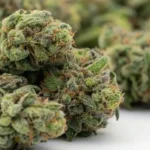
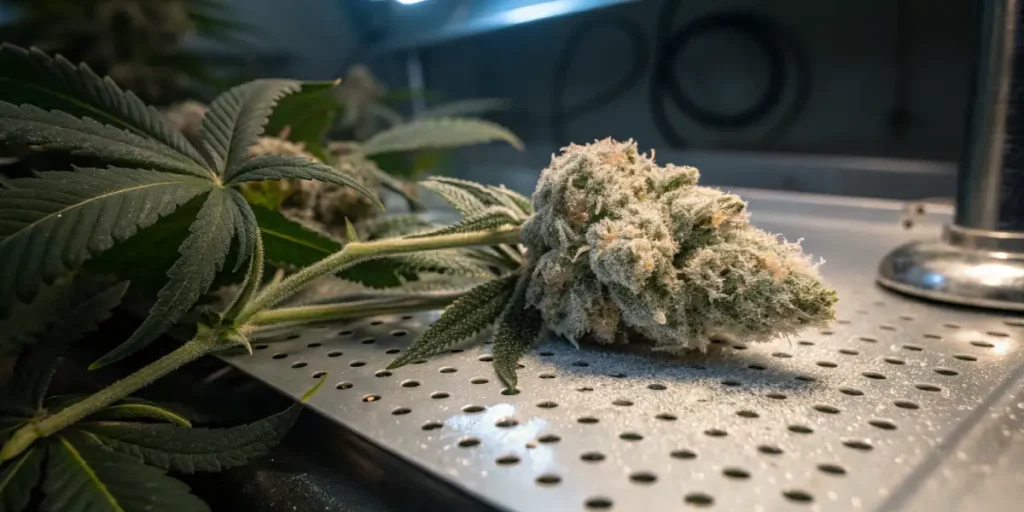
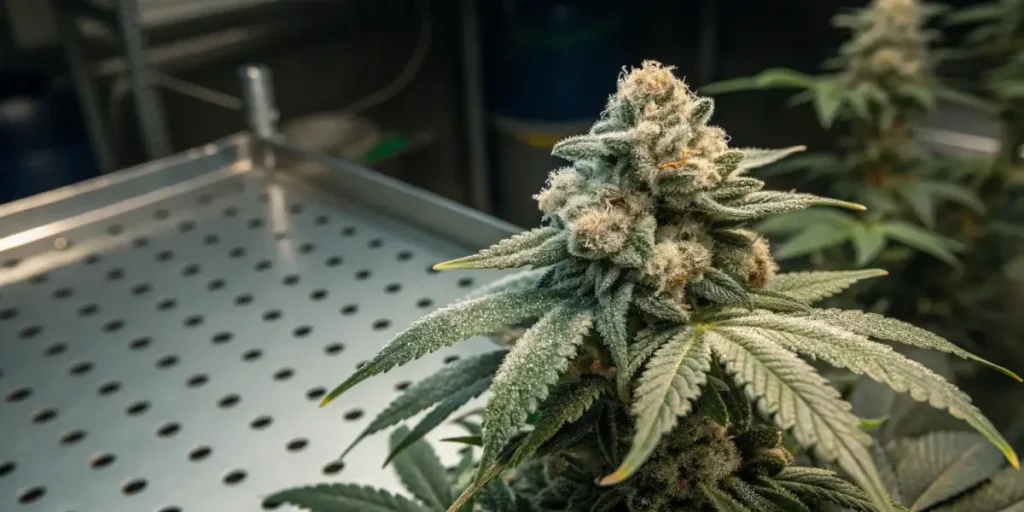
Aspergillus cannabis contamination symptoms can be tricky to spot if you’re not familiar with them. The mold often appears as a powdery white or greenish layer on the buds. If you see anything unusual, it’s best to err on the side of caution.
Besides to visual cues, smell is a powerful indicator. A musty or earthy odor can be a giveaway sign of mold presence. While cannabis naturally has a strong scent, any odd change in smell should be taken seriously.
Another symptom to watch out for includes discoloration of the cannabis buds. If you notice any unusual patches or changes in color, it may be a sign of aspergillus contamination in cannabis. Swift action in such cases can prevent further spread.
Regular inspections and familiarity with your plants are key in recognizing aspergillus cannabis contamination symptoms early. If you’re unsure, consult with other experienced growers or professionals, as they might spot symptoms you could have missed.
Remember, even if your cannabis doesn’t show visible signs of mold, it could still be contaminated. Regular testing and close inspection are your best allies in ensuring a safe product. Strains like Girl Scout Cookies from Blimburn Seeds are known for their mold resistance, making them a reliable choice.
FAQs about aspergillus contamination in cannabis
How can I prevent aspergillus contamination in my cannabis grow room?
Preventing aspergillus contamination in your grow room involves maintaining a clean and controlled environment. Keep humidity levels between 40-50% and ensure good ventilation. Regularly check your plants and equipment for any signs of mold.
Utilize dehumidifiers and fans to manage moisture and air circulation. Inspect your plants daily, and clean your grow space thoroughly after each cycle. Using mold-resistant strains like those offered by Blimburn Seeds can also help reduce the risk.
Another effective strategy in preventing aspergillus contamination in cannabis grow rooms is to implement a schedule for regular cleaning and maintenance. This includes sanitizing surfaces and equipment and removing any dead plant material that could harbor mold.
Investing in high-quality environmental monitoring tools can be beneficial. These devices can provide real-time data on humidity and temperature levels, allowing you to make necessary adjustments promptly to prevent aspergillus contamination in cannabis.
What are the health risks associated with aspergillus contamination in cannabis?
Aspergillus contamination poses several health risks, particularly to individuals with weakened immune systems. It can cause allergic reactions and respiratory problems. In some cases, it may lead to severe lung infections.
Symptoms include coughing, wheezing, and shortness of breath. If you’re a medical cannabis user, ensure your supply is rigorously tested for mold. Recreational users should also be cautious and avoid using cannabis that shows any signs of contamination.
The health risks of aspergillus in cannabis extend beyond immediate allergic reactions. Chronic exposure can lead to long-term health issues, including chronic respiratory conditions, which can severely impact the quality of life for users.
It’s vital for users, particularly those using cannabis for medical reasons, to consult with healthcare providers if they suspect exposure to aspergillus contamination in medical cannabis. Early intervention and treatment can mitigate some of the more severe health outcomes.
How do aspergillus testing procedures work for cannabis?
Aspergillus testing procedures for cannabis involve collecting samples and sending them to a lab for analysis. This ensures the product is free from harmful mold before it reaches consumers. The testing process is crucial for medical cannabis to ensure patient safety.
Growers should use certified testing kits and follow the instructions carefully. Results from the lab will confirm whether the cannabis is safe for consumption. Regular testing is a proactive step to maintain quality control.
Knowing the nuances of aspergillus testing procedures for cannabis can enhance a grower’s ability to produce a quality product consistently. Familiarizing oneself with the latest testing technologies and methodologies can provide a competitive edge in the market.
Many growers opt for third-party testing to verify their products. This independent verification can serve as an additional assurance of quality, especially important in regions where aspergillus contamination in cannabis is a significant concern among consumers.
What symptoms should I look for to identify aspergillus contamination in cannabis?
Look for visual signs like a powdery white or greenish mold on the buds. A musty or earthy smell can also indicate contamination. If you notice any of these symptoms, it’s best to discard the affected cannabis.
Even strains known for their resistance, such as Blimburn Seeds’ “Mamba Negra”, should be inspected regularly. Regular testing and vigilance are key to identifying contamination early and ensuring a safe product.
Besides visual and olfactory indicators, changes in the texture of the cannabis buds could also signal aspergillus contamination in cannabis. A sticky or slimy feel can be a red flag, prompting further inspection or testing.
For those who are not confident in identifying aspergillus cannabis contamination symptoms, consider reaching out to local agricultural extension services or cannabis growing forums for advice. Community input can provide insights and tips on managing mold issues effectively.
Are certain cannabis strains more resistant to aspergillus contamination?
Yes, some strains are bred for resilience against mold, making them less likely to suffer from aspergillus contamination. Strains like “Blue Dream” and “Girl Scout Cookies” from Blimburn Seeds are known for their mold resistance.
Choosing mold-resistant strains is a smart preventive measure. However, even these strains require proper growing conditions to minimize the risk of mold. Always maintain a clean and well-ventilated grow space to support healthy plant growth.
It’s crucial to understand that while certain strains may offer increased resistance to aspergillus contamination in cannabis, they are not completely immune. Continuous monitoring and adherence to best growing practices remain essential.
Investing in mold-resistant strains can also be economically beneficial. By reducing the chances of crop loss due to mold, growers can achieve higher yields and better quality products, enhancing their overall profitability.