CBD for Dog Anxiety: A Careful, Vet-First Guide

Some owners use CBD (cannabidiol) to try to ease anxiety in dogs, and early research is promising, but it’s important to be clear: evidence in dogs is still preliminary, CBD is not an approved treatment, and you should always consult your veterinarian first, especially if your dog takes other medications. If you and your vet choose to try it, use a pet-specific, THC-free, lab-tested (COA) CBD product, and dose low and by your dog’s weight per the vet’s guidance. One critical safety point: THC is toxic to dogs, so never give a dog cannabis, marijuana or any THC product, choose CBD only, confirmed THC-free.
This article is general information, not veterinary advice. Below: what to look for, dosing basics, and safety.
Recommended Strains

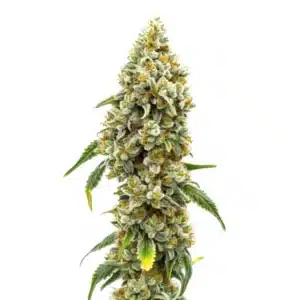
Cannatonic

|
THC | 4% - 6% (Low) |

|
Type | Feminized |

|
Yield | High |

|
Phenotype | 50% Indica / 50% Sativa |

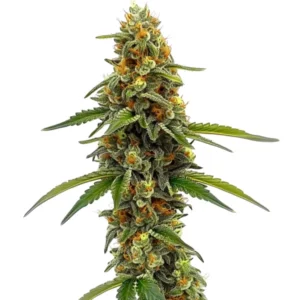
CBD Kush Auto

|
CBD | 6% – 7% (Low) |
|
|
Type | CBD Autoflowering |
|
|
Yield | Medium |
|
|
Phenotype | 75% Indica / 25% Sativa |
What to Look for in a Dog CBD Product
If your vet approves trying CBD, choose carefully:
| Factor | What to look for |
|---|---|
| THC content | THC-free (critical, THC is toxic to dogs) |
| Made for pets | Pet-specific formulation, not a human product |
| Lab testing | Third-party COA confirming CBD and no contaminants |
| Quality | Clean ingredients, reputable brand |
| Dosing | By weight, start low; follow your vet |
Always involve your veterinarian; this is general information, not veterinary advice.
Promos & Deals



A Critical Safety Warning: THC Is Toxic to Dogs
This is the single most important thing to know. THC is toxic to dogs, even amounts that are harmless or enjoyable to humans can make a dog seriously ill. Dogs are far more sensitive to THC, and cannabis (marijuana) toxicity in pets is a real veterinary emergency, with signs like loss of coordination, lethargy, dribbling urine, vomiting, tremors, or in severe cases worse. So you must never give a dog marijuana, THC oil, edibles or any THC-containing product to treat anxiety or anything else, and you must keep all your own cannabis (especially edibles) securely away from pets. When people talk about ‘CBD for dogs’, they mean cannabidiol products that are THC-free, which is completely different from giving a dog cannabis.
If you ever suspect your dog has ingested THC, contact a vet or pet poison line immediately. Choose CBD only, confirmed THC-free, and keep THC away from animals entirely.
What the Research Says (Honestly)
CBD has become popular for pets, and there is genuine, growing scientific interest, some early studies and a lot of anecdotal reports suggest it may help with anxiety, discomfort and other issues in dogs. But honesty matters here: the research in dogs is still early and limited, CBD is not an approved or proven treatment for canine anxiety, and results vary between animals. It is not a guaranteed fix or a substitute for addressing the root causes of anxiety (training, routine, environment) or for veterinary care.
That’s exactly why the first step is always a conversation with your veterinarian, who knows your dog’s health, medications and history and can advise whether CBD is appropriate, since CBD can interact with other drugs. Treat CBD as something to explore with professional guidance, not a cure to reach for on your own.
Choosing a Safe, Quality Pet CBD Product
If your vet gives the go-ahead, product quality and safety are everything. Choose a CBD product made specifically for pets, rather than a human product, so the formulation and concentration suit dogs. Insist on THC-free (broad-spectrum or isolate) products, confirmed by a third-party Certificate of Analysis (COA), both to protect against THC toxicity and to verify the actual CBD content and the absence of contaminants like pesticides or heavy metals, since the pet CBD market is poorly regulated and quality varies widely. Favor reputable brands with clean ingredients and transparent lab results.
Avoid unlabeled, untested or suspiciously cheap products. Note: some content online confuses high-CBD cannabis strains (which are for human growers/users and can contain THC) with dog products, don’t give your dog cannabis strains; use a dedicated, THC-free pet CBD product only.
Dosing and Giving CBD to a Dog
Dosing should be low, weight-based and vet-guided. The general principle is to start with a low dose appropriate to your dog’s weight and increase slowly only if needed, watching how your dog responds, but the specific amount should come from your veterinarian and the product’s guidance, not guesswork. CBD oil (tincture) is common and lets you measure drops, given directly or with food; CBD pet treats are easier but less precise. Give it consistently and allow time, effects aren’t instant. Watch for side effects (below) and stop if your dog reacts badly.
Keep a record to discuss with your vet. And remember CBD is best used alongside, not instead of, addressing anxiety’s causes, such as training, exercise, routine and a calm environment. Patience, low doses and veterinary oversight are the safe approach.
Side Effects and When to Call the Vet
Even THC-free CBD can have side effects in dogs. Reported ones include drowsiness or lethargy, dry mouth (increased thirst), lowered blood pressure, and digestive upset; CBD can also affect liver enzymes and interact with other medications, which is a key reason to involve your vet, particularly if your dog is on other drugs or has health conditions. Start low to minimise these, and stop and consult your vet if your dog seems unwell.
Critically, distinguish mild CBD side effects from THC toxicity: if your dog shows loss of balance, severe lethargy, tremors, vomiting or dribbling urine, suspect THC exposure (from cannabis, not CBD) and seek emergency veterinary help immediately. For pregnant or nursing dogs, puppies, or dogs with medical conditions, extra caution and veterinary guidance are essential.
This article is general information, not veterinary advice, your vet is the right source for your dog.
The Bottom Line on CBD for Dog Anxiety
CBD is being explored for dog anxiety, with promising but still-early evidence, so treat it as something to try under veterinary guidance, not a proven cure. If you and your vet proceed, use a pet-specific, THC-free, lab-tested (COA) CBD product, dose low and by weight, and watch your dog’s response. Above all, remember THC is toxic to dogs: never give a dog cannabis or any THC product, and keep your own securely away from pets.
Pair CBD with addressing anxiety’s root causes, and contact your vet with any concerns or suspected THC exposure. This is general information, not veterinary advice.

FAQs
Is CBD safe for dogs?
Potentially, when it’s a pet-specific, THC-free, lab-tested product used under veterinary guidance, but the research in dogs is still early and CBD isn’t an approved treatment. It can cause side effects and interact with medications, so always consult your vet first, especially if your dog is on other drugs. This is general information, not veterinary advice.
Can dogs have THC for anxiety?
No, never. THC is toxic to dogs, even amounts harmless to humans can make a dog seriously ill, and marijuana toxicity is a veterinary emergency. Only ever consider THC-free CBD products made for pets, not cannabis or THC. Keep all your own cannabis, especially edibles, away from pets, and call a vet immediately if your dog ingests THC.
What should I look for in dog CBD oil?
A pet-specific product that is THC-free (critical, THC is toxic to dogs), backed by a third-party Certificate of Analysis confirming the CBD content and no contaminants, from a reputable brand with clean ingredients. Avoid human products and untested, unlabeled ones. Dose by weight, start low, and follow your veterinarian’s guidance.
How do I dose CBD for a dog?
Start low and base it on your dog’s weight, increasing slowly only if needed while watching how they respond, but get the specific dose from your veterinarian and the product’s guidance rather than guessing. Give it consistently and allow time. Stop and consult your vet if your dog has side effects. This is general information, not veterinary advice.