How Long Can a Weed Plant Live? Lifespan Insights

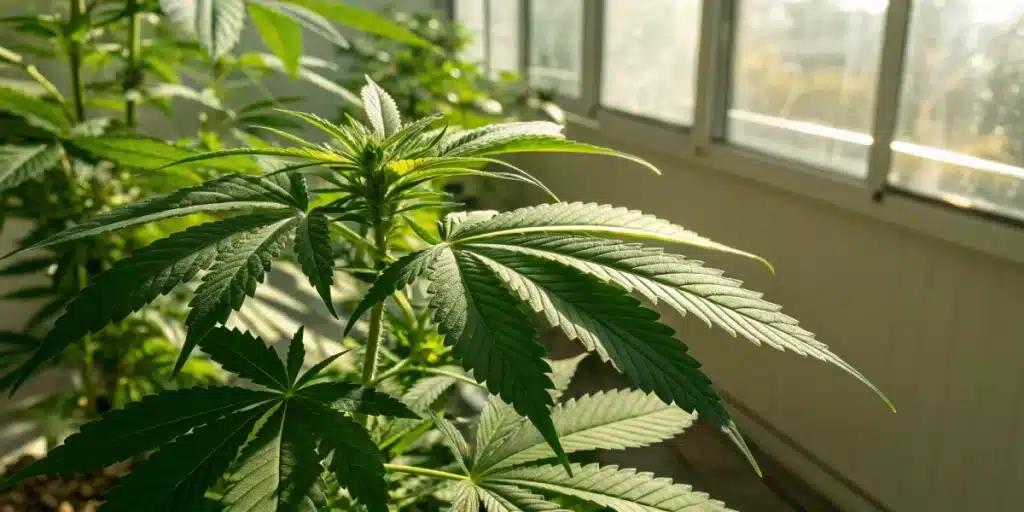
Cannabis Plant Lifespan: A cannabis plant generally spans 3 to 8 months in its natural annual cycle, transitioning from seed to harvest. However, in indoor environments with controlled lighting, photoperiod plants can remain in a vegetative state for years. Autoflowering strains, on the other hand, complete their life cycle in approximately 3-4 months, irrespective of light exposure.
The lifespan of cannabis plants is determined by growth stages from seedling to maturity. Outdoor plants typically complete their cycle within months, but indoor cultivation can extend their life significantly. Factors like lighting, nutrients, and genetics play crucial roles. Photoperiod strains can be kept in vegetative states indefinitely under controlled conditions.
Recommended Strains
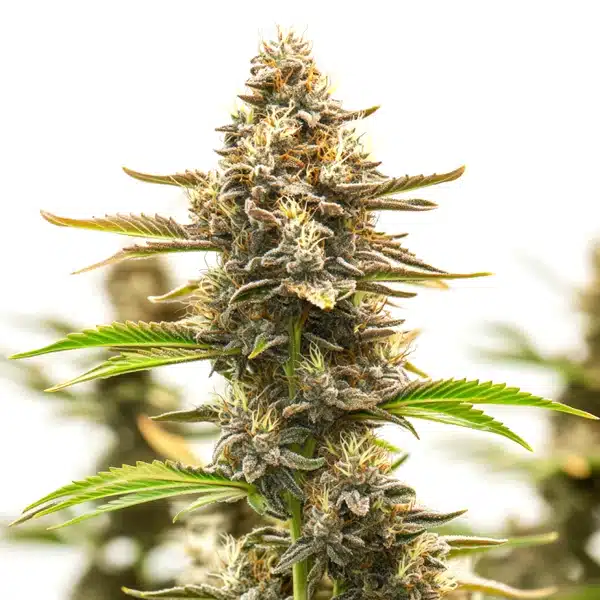
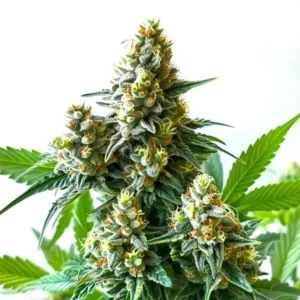
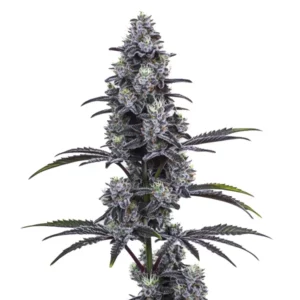
Neville Haze Auto

|
THC | 18% - 22% (Medium) |

|
Type | Autoflowering |

|
Yield | High |

|
Phenotype | 40% Indica / 60% Sativa |
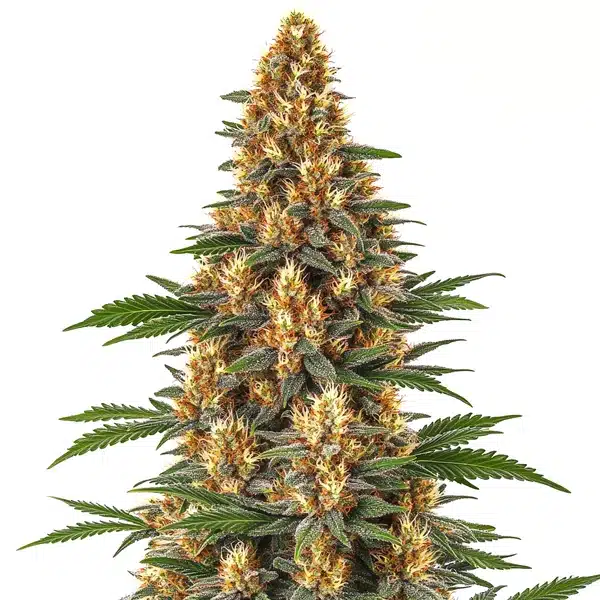
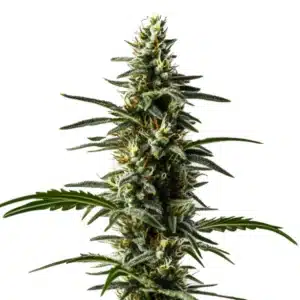
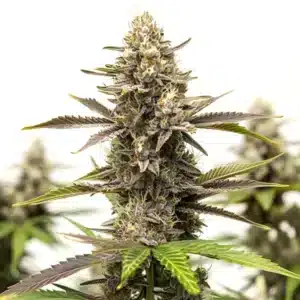
Neville's Haze
|
|
THC | 21% (Medium) |
|
|
Type | Feminized |
|
|
Yield | High |
|
|
Phenotype | 25% Indica / 75% Sativa |
Natural Life Cycle of Cannabis
From Seed to Harvest
A cannabis plant begins its life as a seed, germinating under optimal conditions of 70°F to 77°F (21°C to 25°C) and 70% to 90% relative humidity. During this seedling phase, which lasts 2 to 3 weeks, the plant develops its first true leaves, essential for photosynthesis. This stage is critical for establishing a strong root system.
As the plant transitions to the vegetative phase, it requires increased light intensity, typically 18 hours of light per day, to promote robust growth. Nutrients such as nitrogen, phosphorus, and potassium in a 3:1:2 ratio are vital for stem and leaf development. This phase can last from 3 to 16 weeks, depending on the desired plant size.
During the vegetative phase, the plant’s metabolism is highly active, utilizing CO2, water, and light to produce carbohydrates and oxygen. This process, known as photosynthesis, is crucial for energy production and growth. The plant’s stomata, tiny openings on the leaves, facilitate gas exchange, releasing oxygen and water vapor while absorbing carbon dioxide.
The flowering stage is triggered by a strict 12/12 light cycle, where the plant receives 12 hours of light followed by 12 hours of complete darkness. This photoperiod change signals the plant to shift its energy towards reproductive growth, producing buds. Maintaining optimal environmental conditions, such as temperatures between 68°F and 77°F (20°C to 25°C) and humidity levels of 40% to 50%, is essential for maximizing yield and potency.
Typical Lifespan and Aging Process
In the flowering stage, triggered by a 12/12 light cycle, cannabis plants focus energy on bud production. This phase can last 8 to 12 weeks, with environmental factors like temperature (68°F to 77°F or 20°C to 25°C) and humidity (40% to 50%) influencing yield and potency. The plant’s aging signs include yellowing leaves and slower growth.
During this period, maintaining a balanced nutrient regimen, such as a 1:3:2 NPK ratio, is crucial. As the plant ages, trichome development peaks, enhancing THC levels, often reaching 20% to 30% in certain strains. Monitoring trichome maturity with a magnifying glass helps determine the optimal harvest time.
As the plant matures, its metabolic rate decreases, and energy is redirected towards the production of secondary metabolites like cannabinoids and terpenes. These compounds contribute to the plant’s aroma, flavor, and psychoactive effects, as seen in varieties grown from Power Plant seeds. The aging process is marked by the degradation of chlorophyll, leading to the yellowing of leaves, and the accumulation of sugars and starches in the buds.
Promos & Deals


Extending Lifespan Indoors
The Role of Artificial Lighting
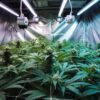
Indoors, cannabis plants can live indefinitely in a vegetative state with 18 hours of light daily. This photoperiod manipulation prevents flowering, allowing growers to maintain mother plants for cloning. High-intensity discharge (HID) lamps or LED panels delivering 400-600 µmol/m²/s are ideal for vegetative growth.
Light spectrum plays a role in plant health; blue light encourages compact growth, while red light supports flowering. Maintaining a consistent light schedule is crucial to avoid stress, which can lead to hermaphroditism. Growers should use timers to ensure precise light cycles.
In addition to light manipulation, maintaining optimal environmental conditions is crucial for extending a plant’s lifespan. Daytime temperatures should be kept between 68°F and 77°F (20°C to 25°C), with a nighttime drop of 8°C to 11°C (15°F to 20°F) to mimic natural conditions. Humidity levels should be adjusted according to the plant’s growth stage, with 60% to 70% relative humidity during the vegetative phase and 40% to 50% during flowering.
Managing Stress and Nutrition
Stress management is vital for extending a plant’s life. Factors like pests, overwatering, or nutrient imbalances can shorten lifespan. Regular monitoring for pests and adjusting nutrient solutions to maintain an EC of 1.2 to 1.6 mS/cm helps prevent stress.
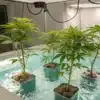
Providing a balanced diet with micronutrients like calcium and magnesium supports robust growth. Avoiding nutrient lockout by maintaining a pH of 5.8 to 6.2 in hydroponic systems ensures optimal nutrient uptake, promoting longevity.
To further enhance plant longevity, CO2 enrichment can be employed. CO2 is essential for photosynthesis, and increasing its concentration in the grow space can boost growth rates and yield. However, it is crucial to maintain an arid, CO2-rich environment to prevent issues like bud rot or botrytis, which thrive in humid conditions.
| Feature / Merkmal | Master Kush | Bruce Banner X Mochalope | Critical Bilbo |
|---|---|---|---|
| THC Content | 20% – 24% | 25% – 28% | 18% – 22% |
| Flowering Time | 8 – 9 weeks | 9 – 10 weeks | 7 – 8 weeks |
| Yield | 1.5 oz/ft² (450 g/m²) | 1.8 oz/ft² (550 g/m²) | 1.6 oz/ft² (500 g/m²) |
| Terpene Profile | Myrcene: 0.8% – 1.2% | Caryophyllene: 0.6% – 0.9% | Limonene: 0.7% – 1.0% |
| Resistance | High | Medium | High |
Professional Tips for Cannabis Cultivation
- Maintain 58-62% RH during curing to preserve terpenes and cannabinoids. Lower RH can halt terpene development, while higher RH can lead to mold.
- Use a 20/4 light schedule for autoflowers to maximize growth and yield. Deviating can stress plants, reducing potency.
- Ensure a pH of 6.0 to 6.5 in soil to optimize nutrient uptake. Incorrect pH leads to nutrient lockout, stunting growth.
- Monitor trichomes with a 60x magnifying glass to determine harvest time. Clear trichomes indicate immaturity, while amber suggests peak potency.
- Use a balanced NPK ratio of 1:3:2 during flowering to enhance bud development. Imbalances can cause nutrient burn or deficiencies.
- Rotate crops and use organic soil amendments to maintain soil health and prevent pest buildup. Neglecting soil health can deplete nutrients and harbor pests.
FAQs about Cannabis Plant Lifespan
How long can a weed plant stay alive?
A weed plant can live from 3 to 8 months naturally, depending on environmental conditions and strain. Indoors, with controlled lighting, photoperiod plants can survive for years in a vegetative state, while autoflowers typically last 3-4 months. Proper care and environmental control are key to extending a plant’s life.
Can I smoke a 2 year old bud?
Yes, you can smoke a 2-year-old bud if it has been stored properly. Keep it in an airtight container at 59-70°F (15-21°C) with 58-62% RH. Over time, potency may decrease, and flavors can degrade. Proper storage helps maintain quality and potency over extended periods.
How long does one weed plant grow?
One weed plant typically grows for 3 to 8 months from seed to harvest, depending on strain and conditions. Photoperiod strains require 8-12 weeks of flowering, while autoflowers complete their cycle in 70-80 days. Growth duration varies with light cycles, nutrients, and environmental factors.
Do weed plants go bad?
Weed plants can go bad if exposed to adverse conditions like pests, mold, or nutrient deficiencies. Proper care, including pest management and balanced nutrition, is essential. Once harvested, buds can degrade if not stored correctly, losing potency and flavor over time.
Is marijuana a perennial?
Marijuana is not a perennial; it is an annual plant. It completes its life cycle in one season. However, indoors, photoperiod plants can be kept in a vegetative state indefinitely, mimicking perennial characteristics. This requires maintaining 18 hours of light daily to prevent flowering.