Proven Insights: GC-MS vs HPLC for Cannabinoid Degradation

When it comes to studying cannabinoid degradation, two main methods stand out: GC-MS and HPLC. Knowing GC-MS vs HPLC for cannabinoid degradation studies is essential for anyone interested in how compounds like THC and CBD break down over time. As a cannabis enthusiast or grower, knowing how these analytical techniques work can help you better manage the quality, stability, and potency of your plants.
GC-MS, or Gas Chromatography-Mass Spectrometry, is a powerful tool that separates compounds in a sample and identifies them. It’s widely used for analyzing the chemical composition of substances, including cannabinoids. On the other hand, HPLC, or High-Performance Liquid Chromatography, uses liquid to carry the sample through a column filled with a solid absorbent material. This method is highly effective for separating and identifying compounds.
Recommended Strains

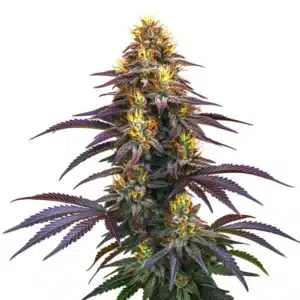
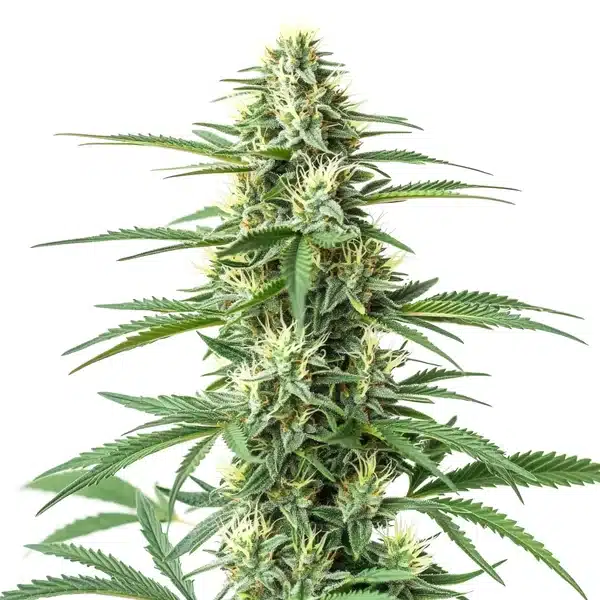
OG Kush

|
THC | 20% - 24% (High) |

|
Type | Feminized |

|
Yield | High |

|
Phenotype | 55% Indica / 45% Sativa |
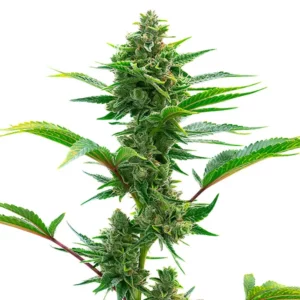
CBD Critical Mass (1:1)

|
CBD | 5% (Low) |
|
|
Type | CBD Feminized |
|
|
Yield | Medium |
|
|
Phenotype | 60% Indica / 40% Sativa |
For those exploring the differences between GC-MS vs HPLC for cannabinoid degradation studies, it’s crucial to consider factors like sensitivity, accuracy, and specific applications. Each method has its strengths and weaknesses, and choosing the right one depends on your specific needs.
GC-MS vs HPLC Sensitivity in Cannabinoid Studies
Sensitivity is a critical aspect when comparing GC-MS and HPLC for cannabinoid studies. GC-MS is known for its high sensitivity, making it suitable for detecting even trace amounts of cannabinoids. This can be particularly useful when you’re dealing with samples where cannabinoids are present in low concentrations.
In contrast, HPLC also offers excellent sensitivity, especially when equipped with the right detectors. For instance, using UV or fluorescence detectors can enhance its ability to detect cannabinoids. For growers focusing on strains like GG4 from Blimburn Seeds, which are known for their high cannabinoid content, HPLC might offer the precision needed for detailed analysis.
GC-MS vs HPLC sensitivity in cannabinoid studies is not just about detecting low concentrations but also about the selectivity of the methods. GC-MS can differentiate between similar compounds, which is crucial when analyzing complex mixtures. HPLC, with its adjustable parameters and selection of different columns, can be tailored to enhance sensitivity and selectivity, providing comprehensive insights for researchers.
For cultivators and researchers, knowing the nuances of GC-MS vs HPLC sensitivity in cannabinoid studies helps in selecting the right analytical method. Those dealing with highly complex matrices or needing to distinguish between closely related cannabinoids might lean towards GC-MS. Meanwhile, HPLC offers versatility in method development, which can be advantageous in exploratory studies.
Promos & Deals

Comparing GC-MS and HPLC for THC Degradation
THC degradation is a major concern for cannabis growers and consumers alike. GC-MS can effectively identify the breakdown products of THC through its mass spectrometry component, which provides detailed molecular information. This is particularly important for preserving the psychoactive properties of strains like OG Kush from Blimburn Seeds.
HPLC, however, offers an advantage in terms of the variety of detection methods available. It can be tailored to detect specific degradation products of THC, providing more flexibility. For those interested in the long-term stability of their cannabis products, knowing the HPLC advantages over GC-MS in cannabinoid analysis is key.
Comparing GC-MS and HPLC for THC degradation also involves evaluating the operational conditions of each method. GC-MS requires samples to be volatile or derivatized, which may alter the original chemical structure of THC. HPLC, on the other hand, maintains the integrity of the analyte, allowing for a more accurate assessment of THC as it naturally degrades.
Another factor in comparing GC-MS and HPLC for THC degradation is the throughput and efficiency of each method. While GC-MS may provide detailed information with high specificity, HPLC can process a larger number of samples in a shorter time. This efficiency makes HPLC a preferred choice for high-throughput environments where detailed THC degradation profiles are essential.
Accuracy of GC-MS vs HPLC for CBD Breakdown
When it comes to the accuracy of GC-MS vs HPLC for CBD breakdown, both methods have their merits. GC-MS is renowned for its ability to provide precise molecular identification, which is crucial for identifying various degradation products of CBD. This accuracy is particularly beneficial when working with CBD-rich strains like CBD Critical Mass from Blimburn Seeds.
HPLC, on the other hand, excels in its ability to separate compounds effectively, which can enhance accuracy. Its use of different detectors ensures that even minor degradation products are not overlooked. This makes HPLC a preferred choice for comprehensive CBD analysis.
The accuracy of GC-MS vs HPLC for CBD breakdown can also be influenced by the calibration and standardization methods used. GC-MS often requires precise calibration with standards to ensure its mass spectrometric results accurately reflect the concentration of CBD degradation products. HPLC, with its array of detection options, can employ gradient elution techniques to improve accuracy in quantifying CBD and its breakdown products.
For researchers, the choice of GC-MS vs HPLC for cannabinoid degradation studies, particularly for CBD breakdown, often hinges on the complexity of the matrix and the need for detailed molecular information versus rapid and effective separation. Both methods, when correctly applied, offer high levels of accuracy, making them indispensable tools in cannabinoid research.
Cannabinoid Degradation Detection Using GC-MS vs HPLC
Detecting cannabinoid degradation is essential for maintaining the quality of cannabis products. GC-MS is favored for its ability to provide detailed structural information, allowing for precise identification of degradation compounds. This can be vital when verifying the purity and potency of cannabis extracts.
HPLC offers a different approach by focusing on the separation process. This method can effectively isolate various cannabinoids and their degradation products, providing a clear picture of their stability over time. For growers using strains like Gorilla Glue, this can be crucial for knowing how storage conditions affect product quality.
Cannabinoid degradation detection using GC-MS vs HPLC requires an knowing of the specific contexts in which each method thrives. GC-MS, with its robust detection capabilities, is particularly suited for complex matrices where detailed identification of degradation compounds is necessary. Meanwhile, HPLC, with its ability to handle a wide range of samples, provides flexibility in method development for various cannabis strains.
Moreover, the choice between GC-MS vs HPLC for cannabinoid degradation detection can influence how data is interpreted in relation to strain stability and product shelf life. By selecting the appropriate method, researchers can gain insights into the degradation pathways of cannabinoids, ultimately aiding in the development of more stable cannabis products.

FAQs about GC-MS vs HPLC for cannabinoid degradation studies
What are the main differences between GC-MS and HPLC?
GC-MS and HPLC are both analytical techniques used to analyze chemical compounds, but they operate differently. GC-MS uses gas to carry the sample through a column and a mass spectrometer to identify compounds. It’s known for its sensitivity and ability to provide detailed molecular information.
HPLC, however, uses a liquid to carry the sample through a column filled with a solid absorbent. It’s especially useful for separating and identifying compounds in complex mixtures. Each method has its unique strengths, and the choice depends on the specific needs of your study.
Knowing the main differences between GC-MS and HPLC is crucial when selecting a method for specific applications. While GC-MS is particularly advantageous for volatile substances and provides comprehensive molecular insights, HPLC is often preferred for its versatility and adaptability to a wide range of non-volatile samples. This makes it a go-to choice for detailed cannabinoid studies.
Choosing between GC-MS and HPLC often involves weighing the benefits of detailed compound identification against the efficiency of separation and analysis. For example, GC-MS might be preferred for its superior ability to identify complex degradation products, while HPLC might be favored for its high-throughput capabilities and adaptability to different detection methods.
Why is sensitivity important in cannabinoid studies?
Sensitivity is crucial in cannabinoid studies because it determines the lowest concentration of a compound that can be reliably detected. This is important when analyzing cannabis samples with low cannabinoid content or when looking for trace degradation products.
Higher sensitivity ensures that even minor components are not missed, providing a more complete picture of the sample’s chemical composition. This can impact the overall knowing of the plant’s quality and stability.
Sensitivity is particularly significant in studies focusing on strain development and quality control. By employing methods with high sensitivity, researchers can identify minute changes in cannabinoid profiles, which is essential for breeding programs and optimizing cultivation practices.
In the context of GC-MS vs HPLC sensitivity in cannabinoid studies, selecting an appropriately sensitive method can lead to more accurate assessments of plant health and product quality. This can be particularly important for strains that are marketed for specific therapeutic properties, where cannabinoid content must be consistently monitored.
How does THC degradation affect cannabis quality?
THC degradation can significantly impact the quality of cannabis products. As THC breaks down, it can lose its psychoactive properties, affecting the product’s potency and overall experience for the user. This is why monitoring THC degradation is essential for growers and consumers.
By knowing how THC degrades, growers can better manage storage conditions and processing methods to preserve the quality of strains like OG Kush. This ensures that consumers receive a product that meets their expectations in terms of potency and effect.
Furthermore, THC degradation can lead to the formation of secondary compounds, which may alter the aroma and flavor profile of the cannabis product. This can affect consumer satisfaction and marketability, making it crucial for producers to monitor degradation closely.
Addressing THC degradation also involves implementing best practices in post-harvest handling and storage. By utilizing insights from comparing GC-MS and HPLC for THC degradation, producers can develop strategies to minimize degradation and optimize the shelf life of their products.
Are there any advantages of using HPLC over GC-MS?
HPLC offers several advantages over GC-MS, particularly in its versatility and ability to handle a wide range of compounds. It’s highly effective for separating and analyzing cannabinoids, making it a popular choice for detailed studies.
The ability to use different detectors with HPLC further enhances its utility, allowing for more targeted analysis of specific degradation products. This flexibility can be beneficial in comprehensive cannabinoid studies where various compounds need to be identified and quantified.
One of the primary HPLC advantages over GC-MS in cannabinoid analysis is its ability to handle thermally unstable compounds without requiring derivatization. This makes HPLC a more straightforward option for analyzing complex mixtures where thermal sensitivity is a concern.
Additionally, HPLC’s adaptability extends to its use in a variety of detection methods, including UV, fluorescence, and mass spectrometry, providing a broader range of analytical possibilities compared to GC-MS. This makes it a versatile tool for tailored cannabinoid analysis.
What impact does cannabinoid degradation have on strain selection?
Cannabinoid degradation can influence strain selection by highlighting the stability and longevity of specific strains. For example, strains like CBD Critical Mass may be preferred for their resilience and ability to maintain cannabinoid content over time.
Knowing degradation patterns helps growers choose strains that align with their cultivation goals, whether they prioritize potency, yield, or longevity. This knowledge can guide decisions on which strains to cultivate for specific applications.
Knowledge of cannabinoid degradation also informs breeding programs aimed at developing strains with enhanced stability. By focusing on strains that exhibit favorable degradation profiles, breeders can create new varieties that meet market demands for consistency and quality.
Moreover, insights into cannabinoid degradation detection using GC-MS vs HPLC can aid in tailoring cultivation practices to optimize the preservation of desirable cannabinoid profiles. This ensures that the end products meet both consumer expectations and regulatory standards.