Expert Guide: UV-Vis Spectroscopy for Monitoring Cannabinoid Degradation

When it comes to UV-Vis spectroscopy for monitoring cannabinoid degradation, the science can be both a friend and a foe. It’s an accessible tool for many, offering a straightforward way to keep an eye on cannabinoid stability. But like any tool, it has its quirks, and knowing when to rely on it is key.
Imagine you’re growing a popular strain like Blue Dream from Blimburn Seeds. You want to ensure its potency remains intact over time. UV-Vis spectroscopy can help. This technology measures how much light a sample absorbs, giving clues about chemical changes. For cannabinoids, certain wavelengths can indicate degradation.
Recommended Strains

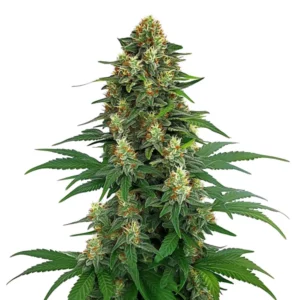
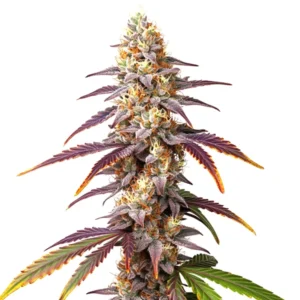
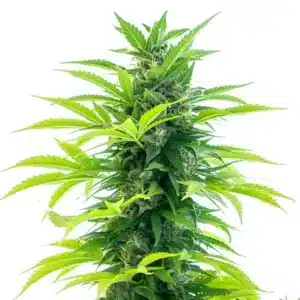
Blue Dream

|
THC | 17% - 24% (High) |

|
Type | Feminized |

|
Yield | High |

|
Phenotype | 50% Indica / 50% Sativa |

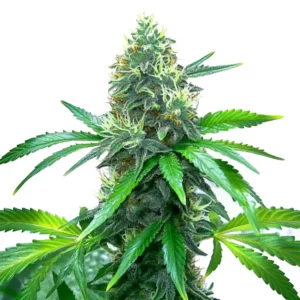
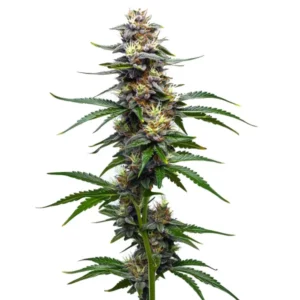
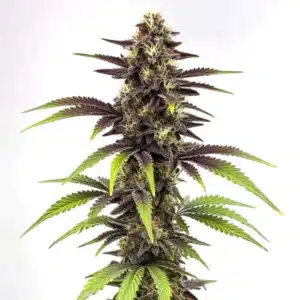
GG4
|
|
THC | 27% (High) |
|
|
Type | Feminized |
|
|
Yield | High |
|
|
Phenotype | 40% Indica / 60% Sativa |
However, there are times when UV-Vis spectroscopy simply doesn’t deliver. Factors like sample purity, presence of other compounds, and instrument calibration can impact results. So, while it’s great for quick checks, it might not always provide the detailed picture needed for in-depth analysis.
How UV-Vis Spectroscopy Works with Cannabinoids
UV-Vis spectroscopy shines when it comes to quick assessments. For cannabis strains like GG4 from Blimburn Seeds, growers often use it to gauge the freshness of their product. The process involves passing light through a sample and measuring absorption at different wavelengths.
Each cannabinoid absorbs light differently. By knowing the specific wavelengths for cannabinoids like THC and CBD, it’s possible to monitor changes over time. This makes UV-Vis a handy tool for assessing cannabinoid stability analysis, especially for those new to cannabis cultivation.
Additionally, UV-Vis spectroscopy for monitoring cannabinoid degradation (when it works, when it doesn’t) offers a cost-effective solution for many small-scale growers and researchers. The equipment required is generally less expensive than other analytical technologies, making it a popular choice. However, the choice of wavelength is crucial; selecting incorrect parameters can lead to misleading data.
Moreover, knowing the interactions between cannabinoids and other compounds present in the sample can provide insights into the degradation process. This is particularly valuable for strains that are rich in terpenes and flavonoids, such as those from Blimburn Seeds, where knowing these interactions can lead to better product quality and consistency.
Challenges in UV-Vis Spectroscopy for Cannabinoids
Despite its utility, there are challenges in UV-Vis spectroscopy for cannabinoids. For instance, it requires a certain level of sample purity. If your cannabis sample contains residues from pesticides or nutrients, the results can be skewed. This can be particularly true for strains like OG Kush from Blimburn Seeds, known for its rich terpene profile.
Another limitation of UV-Vis in cannabinoid monitoring is the presence of multiple cannabinoids. When cannabinoids degrade, they can form new compounds that also absorb UV light, complicating the analysis. This is a common issue, especially for growers experimenting with breeding new strains.
Moreover, UV-Vis accuracy in detecting cannabinoid degradation can be hampered by the overlapping absorption spectra of various cannabinoids. This makes it difficult to isolate the specific degradation of one compound without interference from others. Advanced techniques may be needed to resolve these spectra effectively.
Additionally, the reliance on UV-Vis spectroscopy for monitoring cannabinoid degradation (when it works, when it doesn’t) can lead to overconfidence in results. It is essential to understand its limitations and complement it with other analytical methods to achieve a comprehensive knowing of cannabinoid stability.
Promos & Deals
Optimizing UV-Vis for Cannabinoid Research
For those diving into cannabinoid research, optimizing UV-Vis can make a significant difference. Start by ensuring your samples are clean and free from contaminants. This involves using proper extraction methods and solvents.
Calibration standards should be used regularly. This means running known concentrations of cannabinoids through your UV-Vis to set a baseline. When applied consistently, this practice helps in improving the reliability of the readings.
Knowing the limitations of UV-Vis in cannabinoid monitoring is crucial for optimization. This includes recognizing its sensitivity to changes in sample composition and environmental factors. By controlling these variables, researchers can enhance the reliability of their analyses.
Furthermore, developing a robust protocol for sample preparation and analysis can significantly improve the outcomes. This includes precise measurement of sample concentrations and maintaining consistent conditions during each measurement to ensure reproducibility in UV-Vis spectroscopy cannabinoid stability analysis.
Real-Life Applications and Examples
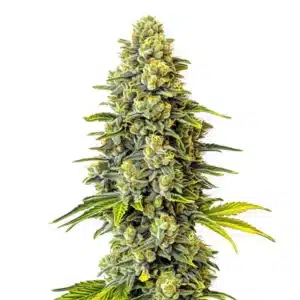
Let’s consider a practical example. Suppose you’re cultivating a batch of Tangie from Blimburn Seeds. You want to ensure the cannabinoids retain their potency throughout the storage period. By using UV-Vis, you can periodically check for signs of degradation.
In another scenario, imagine you’re a grower who’s developed a new hybrid strain. You want to ensure it maintains its unique cannabinoid profile. UV-Vis spectroscopy can provide ongoing insights into the stability of your creation over time.
Real-life applications of UV-Vis spectroscopy for monitoring cannabinoid degradation (when it works, when it doesn’t) extend beyond cultivation. In the production of cannabis-infused products, it can help validate the consistency of cannabinoid concentrations, ensuring that consumers receive a reliable product.
Moreover, researchers exploring new therapeutic applications of cannabinoids can use UV-Vis to monitor the stability of their formulations under different conditions. This can be crucial for developing stable, effective medicinal products that meet regulatory standards.
FAQs about UV-Vis spectroscopy for monitoring cannabinoid degradation
Can UV-Vis spectroscopy detect all types of cannabinoid degradation?
While UV-Vis spectroscopy is a valuable tool, it cannot detect all forms of cannabinoid degradation. Its effectiveness largely depends on the specific cannabinoids present and the purity of the sample. It is best used for initial screenings rather than comprehensive analysis.
For more detailed insights, complementary methods like HPLC may be necessary. This approach ensures a more accurate assessment of the cannabinoid profile and any degradation products that may form over time.
Knowing the UV-Vis accuracy in detecting cannabinoid degradation is important for researchers who rely on it for preliminary assessments. While it can identify major changes, subtle transformations might be missed without supplementary techniques.
Furthermore, the choice of complementary methods can depend on the specific requirements of the research or production process. Techniques like mass spectrometry, in combination with UV-Vis, can offer a more detailed picture of cannabinoid degradation pathways.
What are the limitations of UV-Vis in cannabinoid monitoring?
The limitations of UV-Vis in cannabinoid monitoring include its sensitivity to impurities and the presence of multiple cannabinoid compounds. These factors can affect the accuracy of the results, especially in complex samples.
Additionally, UV-Vis may not distinguish between similar compounds that absorb light at similar wavelengths. This can lead to inaccuracies in the reported cannabinoid concentrations.
One significant limitation is the inability to differentiate between certain cannabinoids that have overlapping UV absorption peaks. This can complicate the analysis and make it challenging to quantify individual cannabinoids accurately.
Moreover, the sample preparation process can introduce variability, affecting the overall reliability of UV-Vis spectroscopy for monitoring cannabinoid degradation (when it works, when it doesn’t). Ensuring standardized procedures can help mitigate these issues.
How can I optimize UV-Vis for my cannabis research?
To optimize UV-Vis for cannabis research, ensure your samples are clean and use reliable calibration standards. Regular instrument maintenance and calibration are critical to obtaining consistent results.
Moreover, knowing the specific absorption characteristics of the cannabinoids you are studying can enhance the accuracy of your analyses.
Besides to maintaining clean samples, optimizing UV-Vis for cannabinoid research involves selecting appropriate solvents that do not interfere with the absorption measurements. This step is crucial for obtaining clear, interpretable data.
Furthermore, documenting and regularly reviewing the calibration process can help identify any deviations over time, allowing for timely interventions and ensuring the continued accuracy of UV-Vis spectroscopy cannabinoid stability analysis.
Is UV-Vis spectroscopy suitable for all cannabis strains?
UV-Vis spectroscopy is suitable for a wide range of cannabis strains, including popular ones like Blue Dream and OG Kush from Blimburn Seeds. However, its effectiveness may vary based on the complexity of the strain’s cannabinoid and terpene profiles.
For strains with complex profiles, additional methods may be required to obtain a comprehensive knowing of their chemical composition and stability.
UV-Vis spectroscopy for monitoring cannabinoid degradation (when it works, when it doesn’t) can provide valuable insights for many strains, but it may require customization based on the unique profiles of each strain. This includes selecting appropriate wavelengths that match the specific cannabinoids of interest.
Additionally, integrating UV-Vis with other analytical techniques can provide a fuller picture, especially for strains with rich and varied chemical compositions. This holistic approach ensures that all relevant changes in the cannabinoid profile are captured accurately.
What are the challenges in UV-Vis spectroscopy for cannabinoids?
Challenges in UV-Vis spectroscopy for cannabinoids include ensuring sample purity and managing the instrument’s calibration. Variations in these factors can significantly influence the accuracy of the results.
Furthermore, the presence of degradation products that absorb light can complicate the analysis, making it essential to use complementary techniques for a more thorough evaluation.
Interference from non-target compounds is a persistent challenge in UV-Vis spectroscopy for cannabinoids. Strains from Blimburn Seeds, known for their complex profiles, may pose difficulties due to their diverse chemical makeup, necessitating careful sample preparation.
Addressing these challenges requires a detailed knowing of the specific strains being analyzed and the establishment of rigorous protocols for sample handling and instrument calibration. By doing so, the limitations of UV-Vis in cannabinoid monitoring can be effectively managed.