
Essential LC-MS/MS Insights for Cannabinoid Photodegradation

When growing cannabis, knowing how light affects cannabinoids is crucial. Photodegradation refers to the breakdown of these compounds when exposed to light, which can significantly impact potency and overall quality. For both novice and experienced growers, recognizing these changes is essential. Advanced analytical methods like LC-MS/MS for cannabinoid photodegradation products allow researchers and cultivators to accurately study how light degrades cannabinoids and better preserve their chemical profile.
LC-MS/MS, short for Liquid Chromatography-Tandem Mass Spectrometry, is a technique that helps identify and quantify the breakdown products of cannabinoids. This method is particularly useful in ensuring that cannabis retains its desired effects and potency. By using LC-MS/MS for cannabinoid photodegradation products, growers can better understand how light exposure affects their crops.
Recommended Strains

Bruce Banner #3

|
THC | 20% - 29% (High) |

|
Type | Feminized |

|
Yield | High |

|
Phenotype | 50% Indica / 50% Sativa |

Tangie Autoflower
|
|
THC | 20% - 23% (Medium) |
|
|
Type | Autoflowering |
|
|
Yield | Medium |
|
|
Phenotype | 40% Indica / 60% Sativa |
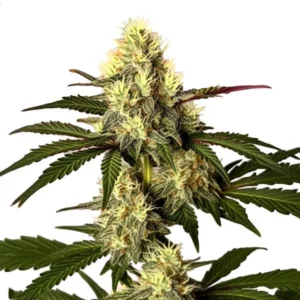
Consider a scenario where you’re growing a strain like GG4 from Blimburn Seeds. You want to maintain its high THC content. With LC-MS/MS, you can track how light exposure might degrade THC into other compounds. This insight helps in adjusting light conditions to preserve the strain’s quality.
LC-MS/MS Analysis of Cannabinoid Degradation
Photodegradation products of cannabinoids can vary significantly. LC-MS/MS analysis of cannabinoid degradation provides precise data on these changes. The technique separates the compounds, allowing detailed examination of each component. This is particularly beneficial for growers aiming to maximize the quality of their yield.
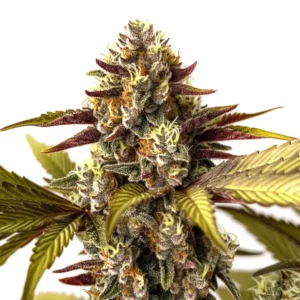
Imagine growing Bruce Banner 3, another popular strain from Blimburn Seeds. You want to ensure its high THC levels are consistent throughout the growth cycle. LC-MS/MS helps by offering insights into how the cannabinoid profile changes under different light conditions. This knowledge aids in optimizing your growth strategy.
LC-MS/MS analysis of cannabinoid degradation is not only about tracking changes but also about predicting potential outcomes in different environmental conditions. By knowing these dynamics, growers can implement more effective cultivation techniques that proactively address photodegradation. This foresight can lead to more resilient strains that maintain their quality despite environmental stresses.
For those cultivating commercial strains, LC-MS/MS analysis of cannabinoid degradation provides a competitive edge. The ability to consistently deliver high-quality cannabis products is essential in the market. By harnessing LC-MS/MS insights, growers can produce batches with predictable potency and effects, thereby enhancing consumer trust and satisfaction.
Promos & Deals

Photodegradation Products of Cannabinoids Study
Studying the photodegradation products of cannabinoids can reveal unexpected transformations. For instance, light exposure might convert THC into cannabinol (CBN), a less psychoactive compound. This transformation can alter the effects of the cannabis, impacting user experience. With advanced LC-MS/MS techniques for cannabinoids, growers can pinpoint these changes.
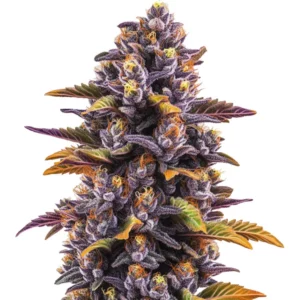
Consider the strain Tangie Auto from Blimburn Seeds. Known for its citrusy aroma and uplifting effects, maintaining its cannabinoid profile is essential. LC-MS/MS identifies cannabinoid photodegradation pathways, helping growers preserve the strain’s unique characteristics. By knowing these pathways, you can take preventive measures against unwanted changes.
The photodegradation products of cannabinoids study also provides valuable information for improving storage techniques. By knowing how cannabinoids break down over time, growers can develop better storage solutions that prolong the shelf life of their products. This is crucial for maintaining potency and ensuring that consumers receive a consistent experience.
Furthermore, the photodegradation products of cannabinoids study can guide the development of new cannabis products. By identifying specific degradation pathways, producers can create formulations that either resist degradation or take advantage of it to produce desired effects. This innovation can lead to diverse product lines that cater to a wide range of consumer preferences.
Advanced LC-MS/MS Techniques for Cannabinoids
LC-MS/MS is not just about identifying degradation; it’s about knowing stability. Advanced techniques allow for detailed monitoring of cannabinoid stability over time. This is crucial for growers who want to ensure their strains maintain potency after harvest.
By using LC-MS/MS in cannabinoid stability research, you can track how environmental factors like light and humidity affect your plants. This information is essential for planning harvest times and storage conditions. For example, knowing when a strain like GG4 reaches peak potency can guide your harvesting decisions.
Advanced LC-MS/MS techniques for cannabinoids also enable a deeper knowing of the interactions between different cannabinoid compounds during photodegradation. This knowledge can be used to optimize cannabinoid profiles for specific effects, allowing growers to tailor their products to meet consumer demands more accurately.
Besudes to optimizing cultivation practices, advanced LC-MS/MS techniques for cannabinoids help in breeding programs by identifying genetic traits associated with stability. This allows breeders to select parent plants that are less susceptible to photodegradation, leading to more robust strains that maintain their potency and aroma even under challenging conditions.
Identifying Cannabinoid Photodegradation Pathways
Identifying cannabinoid photodegradation pathways is key to managing cannabis quality. Advanced analytical methods such as LC-MS/MS for cannabinoid photodegradation products help reveal the chemical reactions that occur when cannabinoids are exposed to light. By mapping these reactions, growers can better control the growing environment and minimize unwanted degradation, preserving potency and overall product quality.
For instance, if you’re cultivating a strain like Bruce Banner 3, knowing its specific degradation pathways helps in making informed decisions about light exposure. This can mean the difference between a high-quality yield and one that’s lost its desired effects.
By identifying cannabinoid photodegradation pathways, growers can also pinpoint which environmental factors most significantly impact degradation. This allows for the implementation of targeted interventions that protect the cannabinoids, such as adjusting light spectrums or using protective coverings during critical growth phases.
Furthermore, knowing these pathways provides insights into creating hybrid strains that are more resilient to photodegradation. This knowledge empowers breeders to experiment with genetic combinations that enhance stability, resulting in cannabis varieties that maintain their efficacy and appeal in diverse growing conditions.

FAQs about LC-MS/MS for cannabinoid photodegradation products
How does LC-MS/MS help in cannabis cultivation?
LC-MS/MS plays a crucial role in cannabis cultivation by providing detailed analysis of cannabinoid profiles. This technique allows growers to monitor how cannabinoids degrade over time, especially when exposed to light. By knowing these changes, growers can adjust their cultivation practices to maintain the desired potency and quality of their strains.
For example, when growing a strain like Tangie Auto, LC-MS/MS can help ensure its characteristic effects are preserved. By identifying the degradation products, growers can make informed decisions on light exposure and other environmental factors.
Moreover, LC-MS/MS helps in optimizing resource allocation. By knowing which stages of the growth cycle are most susceptible to degradation, growers can focus their efforts on mitigating these risks during critical periods. This strategic approach can lead to healthier plants and more efficient use of time and resources.
LC-MS/MS also aids in troubleshooting cultivation challenges. If unexpected changes in cannabinoid profiles occur, growers can use LC-MS/MS to identify the underlying causes, enabling them to address issues promptly and prevent future occurrences. This level of control enhances both the quality and reliability of cannabis products.
What are the benefits of using LC-MS/MS in cannabinoid stability research?
LC-MS/MS is beneficial in cannabinoid stability research as it offers precise and reliable data on how cannabinoids change over time. This information is invaluable for growers who want to ensure their cannabis maintains its intended effects after harvest. By using this technology, you can plan effective storage and preservation strategies.
In practical terms, for strains like GG4, knowing stability helps in scheduling the optimal harvest time and storage conditions. This ensures the strain retains its potency and delivers the expected user experience.
LC-MS/MS in cannabinoid stability research also supports compliance with industry standards and regulations. By documenting stability data, growers can demonstrate product consistency and safety, which is increasingly important in regulated markets. This transparency enhances consumer confidence and supports brand reputation.
Additionally, LC-MS/MS in cannabinoid stability research can lead to the development of new preservation technologies. By knowing how cannabinoids interact with different materials and environments, researchers can innovate packaging solutions that extend shelf life and protect product integrity during distribution and storage.
Why is it important to study photodegradation products of cannabinoids?
Studying photodegradation products of cannabinoids is important because it helps growers understand how light affects cannabis quality. Degradation can lead to a reduction in potency and alteration of effects, impacting consumer satisfaction. By identifying these changes, growers can improve their cultivation techniques.
For instance, if a strain like Bruce Banner 3 is known for its high THC content, tracking its degradation products can help maintain its potency. This ensures that the strain continues to provide the desired effects to consumers.
Knowing photodegradation products of cannabinoids is also crucial for ensuring the therapeutic efficacy of medical cannabis. Inconsistent cannabinoid profiles can affect the medicinal benefits, making it essential for growers to maintain stability to meet patient needs consistently.
Moreover, the study of photodegradation products of cannabinoids can inform public health guidelines. By knowing how degradation affects cannabinoid potency and safety, regulatory bodies can establish better standards for the production and sale of cannabis products, ensuring consumer safety and satisfaction.
Can LC-MS/MS help in developing new cannabis strains?
Indeed, LC-MS/MS is a valuable tool for developing new cannabis strains. By analyzing how different cannabinoids degrade and interact, breeders can create more stable and potent strains. This is particularly useful for those looking to enhance specific effects or flavors in cannabis.
Through LC-MS/MS, breeders can experiment with various environmental conditions and genetic combinations. This leads to the creation of unique strains with tailored cannabinoid profiles, offering new experiences to cannabis users.
LC-MS/MS also facilitates the identification of genetic markers associated with desirable traits, such as increased resistance to photodegradation. This accelerates breeding programs by allowing for more targeted selection processes, ultimately leading to the faster development of improved cannabis varieties.
Furthermore, by using LC-MS/MS in strain development, breeders can better understand the complex interactions between cannabinoids and terpenes. This insight allows for the crafting of strains that deliver specific therapeutic effects, broadening the potential applications of cannabis in both medicinal and recreational contexts.
What practical steps can growers take based on LC-MS/MS findings?
Based on LC-MS/MS findings, growers can take several practical steps to optimize their cannabis cultivation. These include adjusting light exposure, modifying growth environments, and planning harvest times strategically. By implementing these changes, growers can ensure their cannabis retains its desired qualities.
For example, if LC-MS/MS indicates that a strain like Tangie Auto is sensitive to certain wavelengths of light, growers can adjust their lighting systems accordingly. This proactive approach helps in maintaining the strain’s unique characteristics and ensures high-quality yields.
Growers can also use LC-MS/MS data to fine-tune their nutrient regimens. If degradation pathways suggest that certain nutrients influence cannabinoid stability, adjustments can be made to support optimal plant health and minimize unwanted transformations.
Additionally, LC-MS/MS findings can guide post-harvest processes, such as drying and curing. By knowing how these stages affect cannabinoid profiles, growers can refine their methods to preserve the integrity and potency of their products, ultimately enhancing consumer satisfaction and market competitiveness.