Autoflower Life Span: Complete Growth Timeline

Autoflower Life Span: Autoflowering cannabis plants typically complete their life span in about 8 to 12 weeks. This rapid cycle includes germination, seedling, vegetative, and flowering stages, occurring without light schedule adjustments. Understanding these stages and their specific care needs can enhance yield and plant health significantly. Autoflowers are ideal for quick harvests, allowing multiple outdoor cycles from April to June and June to October.
Autoflowering cannabis strains offer a unique growing experience, transitioning through their life cycle without light schedule manipulation. These plants are known for their resilience and rapid growth, often completing their cycle in 8 to 12 weeks. This quick turnaround allows growers to harvest multiple times annually, maximizing yield and efficiency in both indoor and outdoor settings.
Recommended Strains
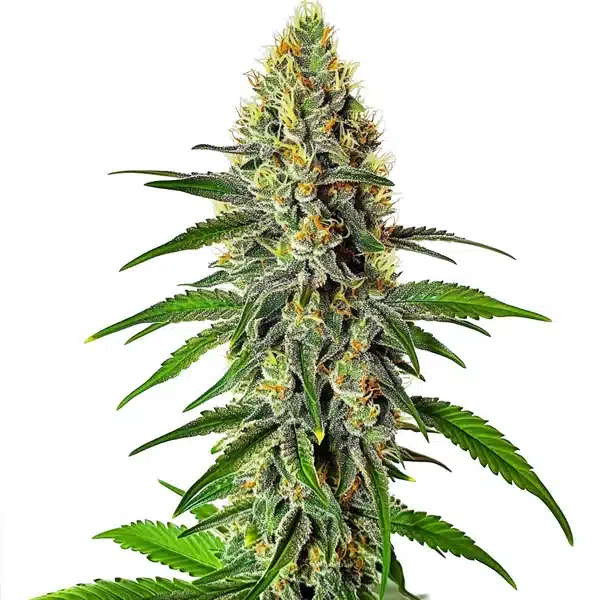
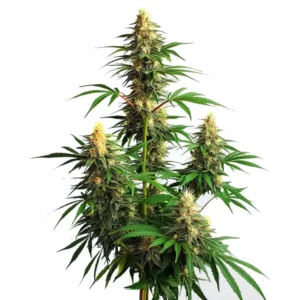
Cherry AK

|
THC | 15% - 25% (High) |

|
Type | Feminized |

|
Yield | Medium |

|
Phenotype | 30% Indica / 70% Sativa |
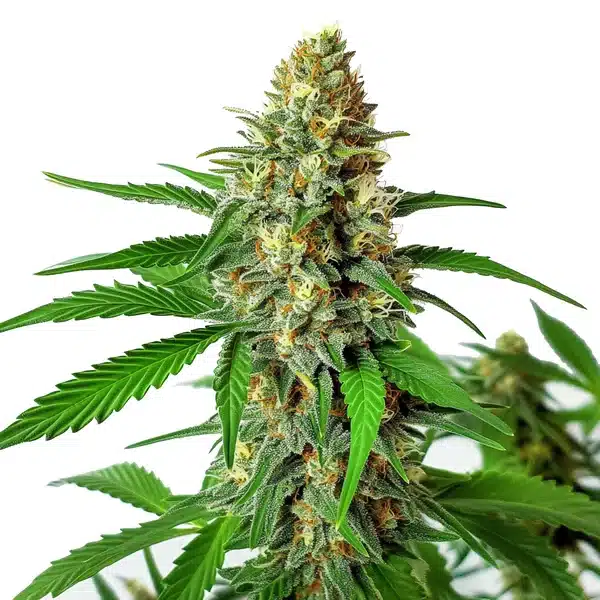
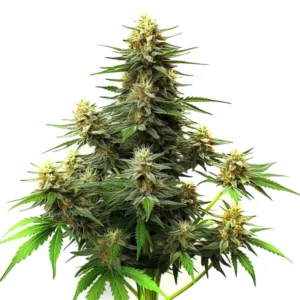
Cherry Ak Auto
|
|
THC | 15% - 22% (Medium) |
|
|
Type | Autoflowering |
|
|
Yield | Medium |
|
|
Phenotype | 50% Indica / 50% Sativa |
Key Stages in the Autoflower Life Cycle
Germination: The Start of Growth
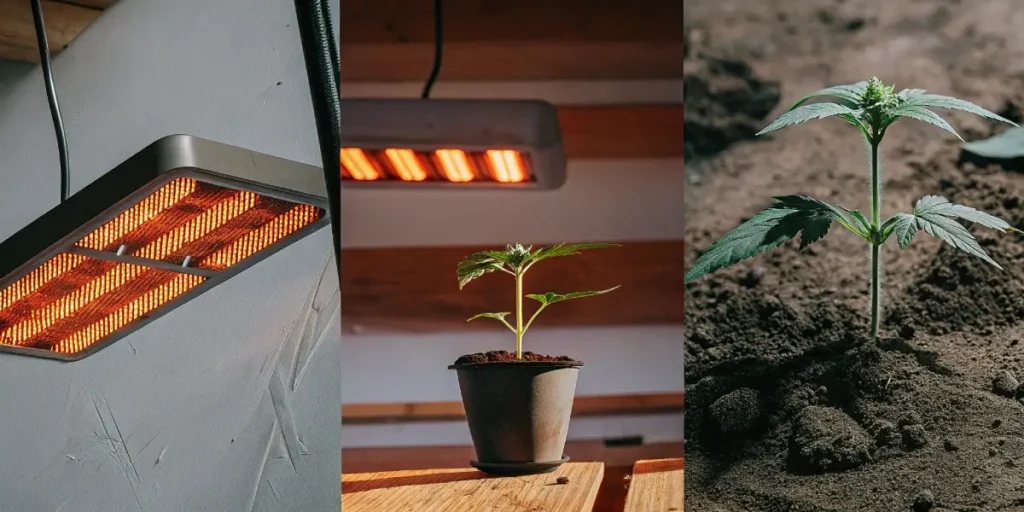
Germination is the first step in the autoflower timeline, lasting 1 to 5 days. During this stage, seeds absorb water, activating enzymes that initiate growth. The emergence of a healthy taproot is crucial for robust plant development. To optimize this stage, maintain temperatures between 70-80°F (21-27°C) and ensure a humid environment, which can expedite the process.
Using the paper towel method or planting seeds directly into moist soil can enhance germination success. Overwatering should be avoided to prevent rot or stunted growth, especially in these early autoflower growth stages where delicate roots are developing.
Seedling Stage: Establishing Roots and Leaves
The seedling stage spans approximately 1 to 2 weeks, during which the plant develops its first set of true leaves and begins building a root system. Adequate lighting, ranging from 16 to 24 hours daily, is crucial to prevent stretching and weak stems. This is particularly important when planning an effective autoflower light schedule to support healthy early growth.
Maintaining humidity levels between 60-70% and watering sparingly ensures optimal growth. This foundational stage sets the tone for the entire autoflower life span, influencing future yield and plant health.
Vegetative Stage: Rapid Growth
The vegetative stage in autoflowers is typically shorter than in photoperiod plants, lasting about 2 to 3 weeks. During this time, the plant focuses on developing a strong structure to support future buds. High-intensity lighting (16-24 hours) and a nutrient-rich environment with high nitrogen levels are essential. This stage is crucial for setting the stage for a successful flowering phase.
Flowering Stage: Bud Development
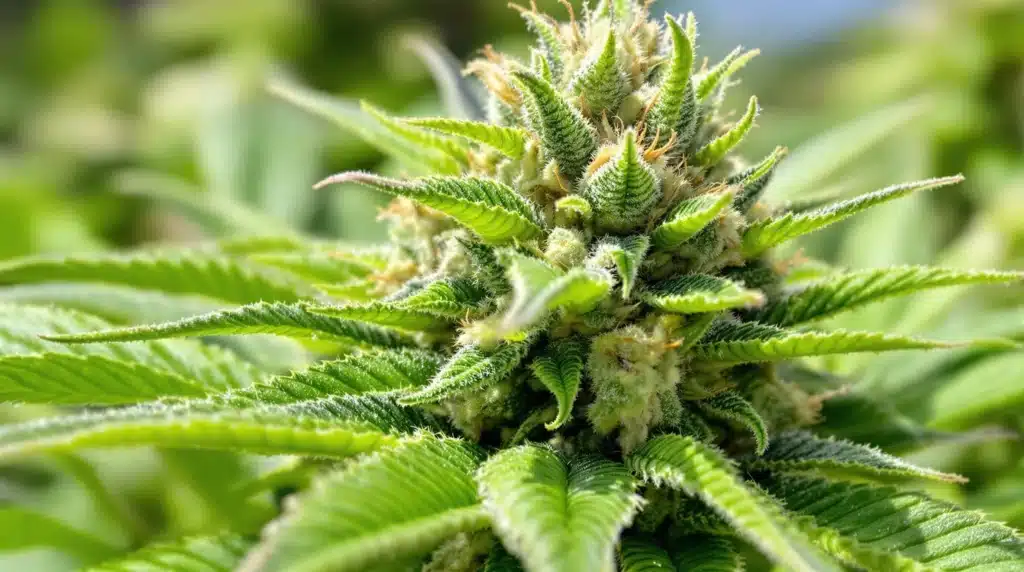
The flowering stage is the final phase of the autoflower life cycle, lasting 5 to 7 weeks. During this period, the plant shifts its energy to producing buds. A strict 12/12 photoperiod isn’t necessary, but maintaining consistent light exposure (18-24 hours) can enhance bud development. A decrease in humidity to 40-50% helps prevent mold and bud rot.
Promos & Deals
Factors Influencing Autoflower Growth
Genetic Differences Among Strains
Not all autoflower strains share the same life span. Some, like Critical X Gorilla G4 Auto, are ready for harvest in as little as 8 weeks, while others, such as Critical Blue, may take up to 12 weeks. Selecting strains that align with your growing goals and timeline is essential for success.
The genetic background also influences the plant’s size, yield potential, and resistance to environmental stressors, making strain selection a critical factor in optimizing the autoflower life span.
Environmental Factors Affecting Growth
Temperature, humidity, and light quality significantly impact the autoflower life span. Maintaining consistent environmental conditions ensures steady growth and development. Fluctuations can lead to stress, which may shorten the life cycle or reduce yields. Outdoor growers should consider planting during seasons with stable weather, while indoor cultivators can use grow lights and climate control to create an ideal environment.
Autoflowers thrive on a well-balanced nutrient regimen tailored to their growth stages. Overfeeding or underfeeding can disrupt their life span and overall health. Light schedules, though not as critical as with photoperiod plants, still play a role in maximizing growth. Providing 18 to 24 hours of light daily supports robust growth and flowering without overstressing the plant.
| Feature | Critical X Gorilla G4 Auto | Critical Blue | Critical Purple Auto |
|---|---|---|---|
| Life Span (Weeks) | 8-9 | 10-12 | 9-11 |
| THC Content (%) | 20-24% | 18-22% | 19-23% |
| Dominant Terpene | Myrcene | Caryophyllene | Limonene |
| Yield (oz/ft²) | 1.5-2.0 | 1.2-1.6 | 1.3-1.7 |
| Flowering Time (Weeks) | 4-5 | 5-6 | 4-6 |
Professional Tips for Autoflower Cultivation
- Maintain 70-80°F (21-27°C) during germination to speed up the process. Avoid temperatures below 65°F (18°C) as they can delay seedling emergence.
- Use a 20/4 light schedule during the seedling stage to prevent stretching. Less than 18 hours can lead to weak growth.
- Apply low-stress training (LST) during the vegetative stage to maximize light exposure without damaging the plant.
- Ensure phosphorus and potassium-rich nutrients during flowering. Neglecting these can result in underdeveloped buds.
- Monitor humidity at 40-60% during flowering to prevent mold. Above 65% can cause bud rot within days.
- Choose strains like Critical X Gorilla G4 Auto for quick harvests. This strain completes its cycle in 8-9 weeks.
FAQs About Autoflower Life Span
How long do autoflower plants last?
Autoflower plants typically last 8 to 12 weeks from seed to harvest. This rapid life cycle allows growers to achieve multiple harvests per year, especially in outdoor settings. The exact duration depends on the strain and environmental conditions, with some strains completing their cycle in as little as 8 weeks.
What is the downside to autoflowering seeds?
The main downside to autoflowering seeds is their fixed life span, which limits the ability to extend the vegetative phase for larger yields. Additionally, autoflowers are less forgiving of stress, as their short cycle doesn’t allow much recovery time. They also tend to have lower yields compared to photoperiod strains.
How to tell when autoflower is finished?
An autoflower is finished when the trichomes turn milky white, and the pistils are mostly amber. This typically occurs 8-12 weeks after germination. Monitoring trichome development with a magnifying glass ensures precise harvest timing, crucial for maximizing potency and flavor.
How long is an autoflower considered a seedling?
An autoflower is considered a seedling for about 1 to 2 weeks. During this period, the plant develops its first true leaves and establishes a root system. Adequate lighting and humidity are essential to support healthy growth and transition to the vegetative stage.
Can autoflowers be grown outdoors year-round?
Autoflowers can be grown outdoors multiple times a year, but not year-round in all climates. They thrive in warm conditions, allowing for two cycles: April to June and June to October. In colder climates, indoor cultivation or greenhouses extend growing opportunities.