Growing Feminized Seeds Indoors: Expert Insights

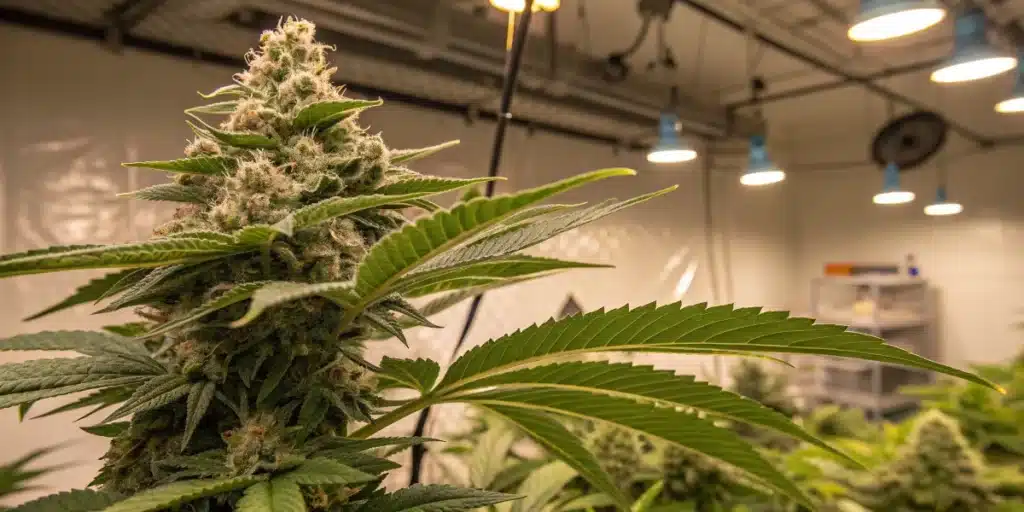
Indoor cultivation advantage: Growing feminized seeds indoors gives you full control over the plant’s lifecycle, ensuring nearly all plants will be female and bud-producing. This process involves four stages: seed germination, seedling care, vegetative growth, and flowering. By choosing the right strains and techniques, you can achieve a consistent, high-quality yield.
Feminized seeds are a game-changer for indoor growers, offering a reliable way to cultivate female plants with high THC levels, often ranging from 18% to 25%. These seeds thrive in controlled environments, where you can optimize light cycles and nutrient delivery. Indoor cultivation allows for precise management of flowering times, typically between 8 to 10 weeks, ensuring a successful harvest.
Recommended Strains
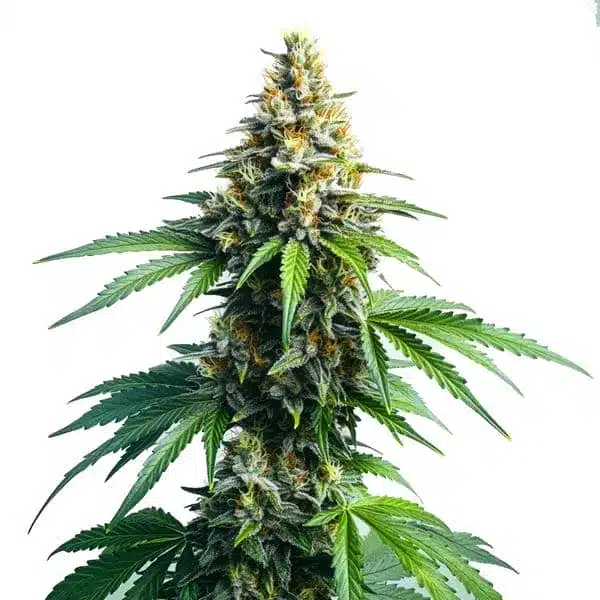
Afghan Kush

|
THC | 16% - 21% (Medium) |

|
Type | Feminized |

|
Yield | High |

|
Phenotype | 90% Indica / 10% Sativa |

Afghan Kush Regular
|
|
THC | 18% - 22% (Medium) |
|
|
Type | Regular |
|
|
Yield | Medium |
|
|
Phenotype | 90% Indica / 10% Sativa |
Benefits of Growing Feminized Seeds Indoors
Elimination of Male Plants
Feminized seeds are engineered to produce only female plants, which means you won’t have to worry about male plants pollinating your crop. This is crucial because male plants can ruin a harvest by turning your buds into seeds. With feminized seeds, you can focus on producing high-quality buds.
In traditional growing, distinguishing between male and female plants can be challenging and time-consuming. Feminized seeds eliminate this step, allowing you to maximize your growing space and resources efficiently.
Consistency and Quality
Growing feminized seeds indoors ensures a consistent and high-quality yield. These seeds are bred to produce female plants with desirable traits such as potency and flavor. This reliability is particularly appealing to growers looking to optimize their indoor setups.
Feminized seeds also offer a uniform growth pattern, making them ideal for techniques like SCROG (Screen of Green) and LST (Low-Stress Training). These methods enhance light exposure and improve yield quality, resulting in dense, resinous buds.
Promos & Deals
How to Grow Feminized Seeds Indoors
Germination and Early Care
To start your feminized seeds, soak them in distilled water for 24 hours to hydrate. Then, place them between damp paper towels in a dark, warm area. Within a few days, a taproot should appear. This is the beginning of your plant’s life, and it’s crucial to handle it with care.
When the taproot is about 0.4 inches (1 cm) long, plant it in a well-aerated, nutrient-rich medium. Ensure the root is not buried too deep, as this can hinder growth. Use a light cover of substrate to protect it.
| Feature | Northern Lights | White Widow | Blue Dream |
|---|---|---|---|
| THC Percentage | 18-22% | 20-25% | 17-24% |
| Flowering Time | 7-9 weeks | 8-10 weeks | 9-10 weeks |
| Yield | 1.5-2 oz/ft² (450-600 g/m²) | 1.6-2.1 oz/ft² (500-650 g/m²) | 1.8-2.2 oz/ft² (550-700 g/m²) |
| Dominant Terpene | Myrcene | Caryophyllene | Pinene |
| Height | Short | Medium | Tall |
Best Practices for Indoor Cultivation
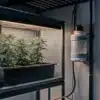
Maintain a temperature range of 20°C to 25°C (68°F to 77°F) during the day, with a drop of 8°C to 11°C at night. This mimics natural conditions and helps regulate plant metabolism. Humidity levels should start at 60-70% during the vegetative stage and gradually decrease to 40-50% during flowering to prevent bud rot.
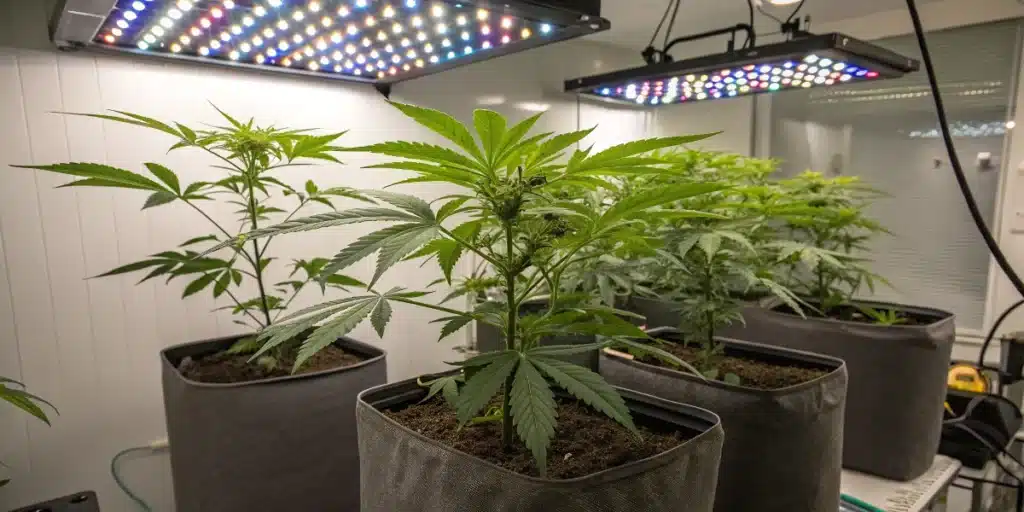
Use a nitrogen-rich fertilizer during the vegetative phase to promote healthy growth. Ensure your lighting setup provides adequate coverage, with cool-spectrum LEDs or fluorescent lights positioned about 24 inches above the seedlings. Switch to a 12/12 light cycle to initiate flowering.
Common Challenges and Solutions
Stress and Hermaphroditism
Stress is a common issue that can lead to hermaphroditism in cannabis plants. Factors such as temperature fluctuations, nutrient imbalances, and inconsistent watering can cause stress. It’s essential to maintain a stable environment to prevent these issues.
Feminized strains, especially indicas, are less prone to hermaphroditism compared to sativas. If you notice male flowers, remove them immediately to prevent pollination. Regular monitoring is key to maintaining a healthy crop.
Pest Management
Pests like spider mites and whiteflies can infiltrate your indoor garden. Use natural solutions such as neem oil or insecticidal soap to manage infestations. Introducing beneficial insects can also help control pest populations without harming your plants.
Ensure your grow space is clean and well-ventilated to reduce the risk of pest infestations. Regularly inspect your plants for signs of pests and take action at the first sign of trouble.
Professional Tips for Growing Feminized Seeds Indoors
- Maintain 58-62% RH during curing to preserve terpenes. Above 65% RH can lead to mold within 48 hours. Use a digital hygrometer for accuracy.
- Use a 18/6 light cycle during the vegetative stage to promote growth. Switching to 12/12 triggers flowering.
- Monitor pH levels, keeping them between 6.5 for soil, and 5.5 to 6.5 for hydroponics, to optimize nutrient uptake.
- Ensure adequate airflow to prevent mold and mildew. Use oscillating fans to maintain air circulation.
- Choose strains like Northern Lights for small spaces due to their compact growth.
- Regularly calibrate your nutrient solution to prevent nutrient lockout, which can stunt growth.
FAQs
How long do feminized seeds take to flower indoors?
Feminized seeds typically take 8 to 10 weeks to flower indoors, depending on the strain and growing conditions. After germination, the vegetative phase usually lasts 4 to 6 weeks before transitioning to flowering. Consistent light cycles and nutrient management are crucial for optimal flowering.
What is the downside to feminized seeds?
The primary downside to feminized seeds is the potential for hermaphroditism under stress. While they eliminate the need to identify male plants, stress factors like temperature swings or nutrient imbalances can cause plants to develop male traits, affecting yield quality.
Do feminized seeds automatically flower?
Feminized seeds do not automatically flower; they require a change in light cycle to initiate flowering. Typically, a 12/12 light cycle (12 hours light, 12 hours dark) is used to trigger the flowering phase in photoperiod strains.
Are feminized seeds easy to grow?
Feminized seeds are generally easier to grow than regular seeds because they eliminate the need to identify and remove male plants. With proper care, including maintaining stable environmental conditions and nutrient management, they can produce high-quality yields.
Can I use feminized seeds for outdoor growing?
Yes, feminized seeds can be used for outdoor growing. They offer the same benefits as indoor cultivation, such as eliminating male plants. However, outdoor growers must consider factors like climate, pests, and light exposure to ensure a successful harvest.