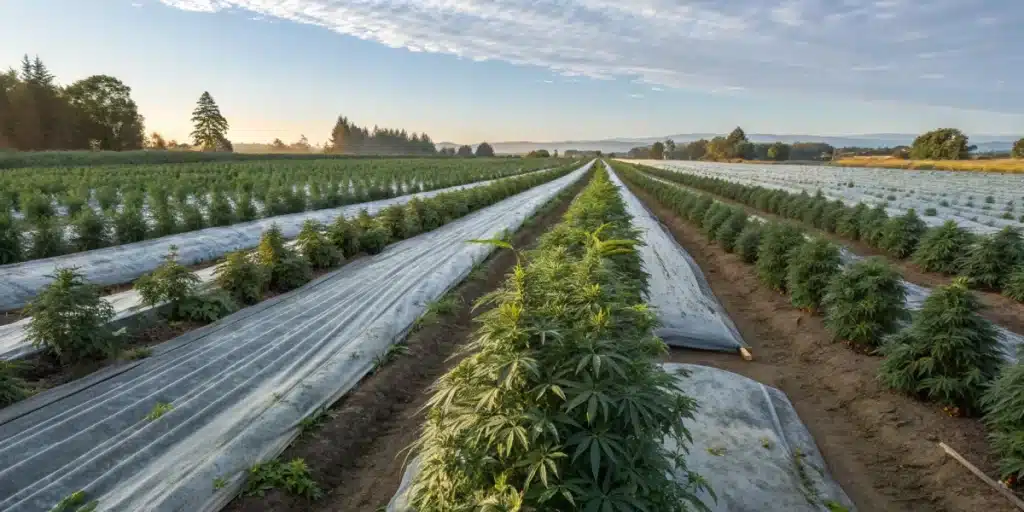
Growing Cannabis Outdoors in Zone 6: Essential Tips

Optimal planting time for Zone 6: Begin seeds indoors in early spring, transitioning them outdoors by mid-May to dodge frost. Select fast-flowering strains or autoflowers, like GG4, that mature by early October to circumvent autumn frosts and rain. This strategy ensures robust yields despite the cooler climate, aligning with the specific needs of Zone 6 growers.
Zone 6 offers unique challenges for cannabis cultivation, demanding careful strain selection and timing. Strains like GG4, with a flowering time of 8-9 weeks, thrive here. Focus on terpene profiles such as Myrcene for its calming effects and Caryophyllene for its peppery aroma. These choices enhance both the sensory experience and resilience of your plants.
Recommended Strains
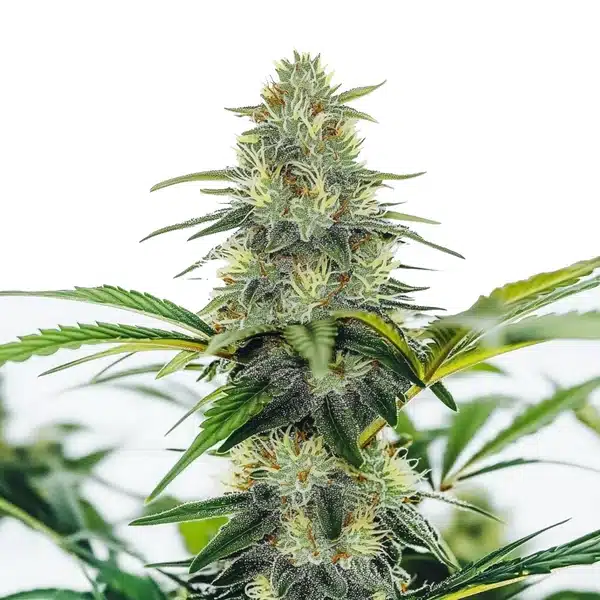
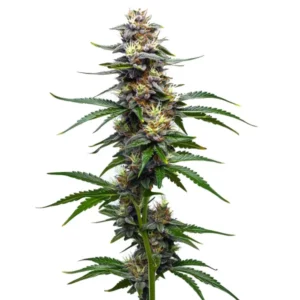
AK x White Widow Auto

|
THC | 18% - 24% (High) |

|
Type | Autoflowering |

|
Yield | Medium |

|
Phenotype | 60% Indica / 40% Sativa |
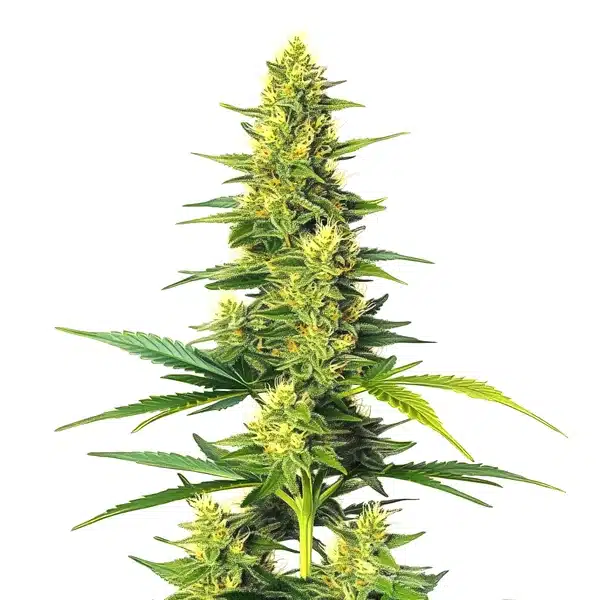
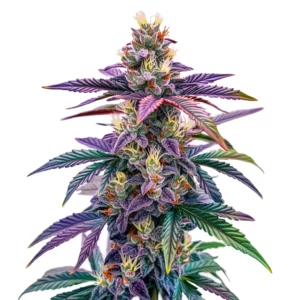
Auto White Widow CBD

|
CBD | 10% – 12% (Medium) |
|
|
Type | CBD Autoflowering |
|
|
Yield | Low |
|
|
Phenotype | 40% Indica / 60% Sativa |
Zone 6 Climate Insights
Temperature Fluctuations
Zone 6’s climate is marked by significant temperature swings, with early spring chills and warm midsummer days. These fluctuations can stress cannabis plants, impacting their growth and yield. Understanding these patterns is crucial for planning your cultivation strategy, ensuring your plants receive the right care at each stage of growth.
Temperature management is vital. During the growing season, temperatures can range from 60°F to 85°F (15°C to 29°C). This variability necessitates strategic site selection, such as placing plants in sunlit areas and using windbreaks to moderate extremes. These practices help maintain a stable environment conducive to healthy plant development.
Seasonal Variability
In Zone 6, the growing season is relatively short, typically spanning from May to October. This limited timeframe requires precise planning for planting and harvesting. Utilizing historical weather data and local insights can help pinpoint the best times for sowing seeds and transplanting seedlings.
Successful growers in Zone 6 often use techniques like starting seeds indoors to extend the growing season. This approach allows plants to mature fully before the onset of cooler autumn temperatures, ensuring a bountiful harvest.
Promos & Deals
Choosing the Right Strains
Fast-Flowering Varieties
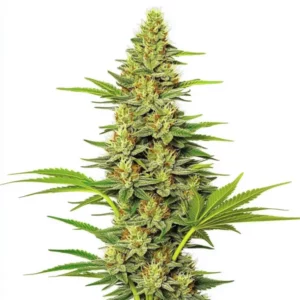
Fast-flowering strains are essential for Zone 6 due to the shorter growing season. These strains transition quickly from vegetative to flowering stages, allowing for full maturation before the first frost. Selecting such strains ensures that your plants can complete their life cycle within the available warm months.
For example, strains like GG4 are ideal, with a flowering time of 8-9 weeks. This rapid development is crucial for maximizing yield and potency in Zone 6’s climate. Fast-flowering genetics also help maintain high THC levels, crucial for both recreational and medicinal use.
Traits of Hardy Strains
Hardy strains are bred to withstand Zone 6’s cooler temperatures and shorter daylight hours. These varieties often have compact structures and robust growth patterns, making them resilient against the unpredictable weather conditions of the region.
Choosing strains with proven resilience, like those available from Blimburn Seeds, ensures your plants not only survive but thrive. These strains are specifically developed to handle the stressors of cooler climates, providing consistent yields and quality.
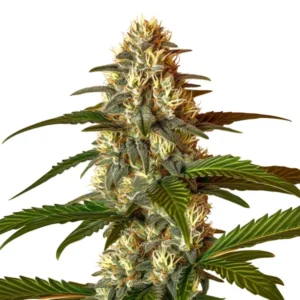
| Feature | GG4 | Blue Cookies | Bruce Banner 2.0 |
|---|---|---|---|
| THC Content | 25-28% | 20-24% | 27-30% |
| Flowering Time | 8-9 weeks | 9-10 weeks | 8-9 weeks |
| Terpene Profile | Caryophyllene: 0.4-0.7% | Myrcene: 0.8-1.2% | Limonene: 0.5-0.8% |
| Yield | 18-21 oz/plant | 16-19 oz/plant | 20-23 oz/plant |
| Climate Suitability | Zone 6 | Zone 6 | Zone 6 |
Planting and Harvesting Strategies
Optimal Planting Period
Timing your planting is crucial in Zone 6. Start seeds indoors around March, allowing for a head start before transplanting outdoors by mid-May. This approach ensures your plants are well-established before the growing season peaks, maximizing sunlight exposure and growth potential.
Monitoring local weather forecasts is essential to avoid late frosts. Planting too early can expose seedlings to cold damage, while planting too late may not provide enough time for full maturation. Aligning planting dates with the gradual warming of the season is key to success.
Timing Your Harvest
Harvest timing in Zone 6 requires precision. Monitor trichome development closely to determine the optimal harvest window, typically around early October. This timing ensures peak potency and flavor, avoiding the risks of frost or heavy rain that can compromise quality.
Delaying harvest slightly can enhance resin production, but be cautious of weather conditions. Use a combination of visual inspection and experience to decide when your crop has reached its peak, ensuring every bud is harvested at the right moment.
Weather Protection Techniques
Frost Mitigation
Frost can severely damage cannabis plants, making mitigation strategies essential. Use frost cloths, temporary greenhouses, or cloches to trap heat and protect plants during cold snaps. Positioning plants near heat-radiating structures can also help mitigate frost exposure.
These techniques create microenvironments that reduce frost severity, safeguarding your crop. Being proactive and prepared can save your entire harvest from premature damage.
Managing Rain and Humidity
Excessive rain and humidity pose challenges for outdoor growers in Zone 6. Implementing proper drainage systems, such as raised beds or well-draining containers, prevents waterlogging and root rot. Monitoring moisture levels and adjusting watering routines is crucial.
Rain shelters or retractable covers can protect plants from sudden downpours, maintaining an optimal growing environment. These strategies help mitigate the impact of excessive moisture, preserving plant health and yield.
Maximizing Plant Size
Techniques for Big Outdoor Weed Plants
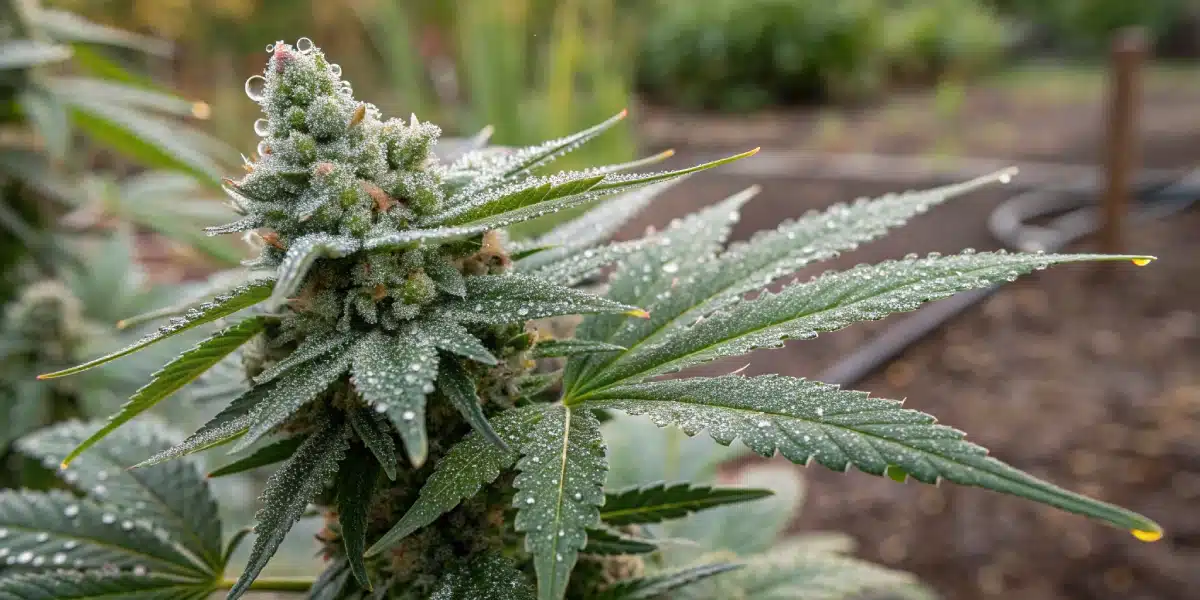
To achieve big outdoor weed plants, focus on optimizing growing conditions. Provide ample space, at least 6-8 feet (1.8-2.4 meters) between plants, to allow for full development. This spacing ensures each plant receives adequate light and air circulation.
Implement training techniques like topping and low-stress training (LST) to encourage lateral growth and maximize canopy exposure. These methods enhance light penetration and increase bud sites, leading to larger yields.
Professional Tips for Zone 6 Cultivation
- Maintain 58-62% RH during flowering. High humidity increases mold risk; low humidity can stunt growth. Use a digital hygrometer for accuracy.
- Apply N:P:K 1:3:2 during flowering to boost bud development. Avoid excessive nitrogen, which can delay flowering.
- Use reflective mulch to increase light absorption. This enhances photosynthesis and boosts plant growth.
- Monitor soil pH, keeping it between 6.0-7.0. Deviations can lock out nutrients, impacting plant health.
- Implement drip irrigation to conserve water and prevent overwatering. This system delivers water directly to the roots, reducing evaporation loss.
- Choose strains like GG4 for their resilience and fast flowering, ensuring a successful harvest in Zone 6.
FAQs from Growers
Can you grow good cannabis outdoors?
Yes, you can grow high-quality cannabis outdoors by selecting suitable strains and optimizing growing conditions. In Zone 6, focus on fast-flowering strains and maintain temperatures between 60°F and 85°F (15°C to 29°C) for optimal growth. Proper planning and care ensure robust yields and potent buds.
Can you put outdoor cannabis seeds in dirt and let it start growing?
While you can plant seeds directly in soil, starting them indoors offers advantages. This method allows for controlled conditions, promoting early growth and better survival rates. In Zone 6, germinate seeds indoors in March to ensure they are ready for transplanting by mid-May.
How much space does an outdoor cannabis plant need?
Outdoor cannabis plants require ample space for full development. Provide at least 6-8 feet (1.8-2.4 meters) between plants to ensure adequate light and air circulation. This spacing helps prevent mold and allows plants to reach their maximum potential size and yield.
In what states can you grow cannabis outdoors?
Outdoor cannabis cultivation is legal in several states, including California, Oregon, and Colorado. Each state has specific regulations regarding plant counts and growing conditions. Always check local laws to ensure compliance with legal requirements for outdoor cultivation.
What are the best strains for outdoor growing in Zone 6?
For Zone 6, choose strains like GG4, Blue Cookies, and Bruce Banner 2.0. These strains are fast-flowering and resilient, thriving in cooler climates. They offer high THC content and robust yields, making them ideal for outdoor cultivation in this region.