How to Grow Weed Outdoors: A Complete Guide

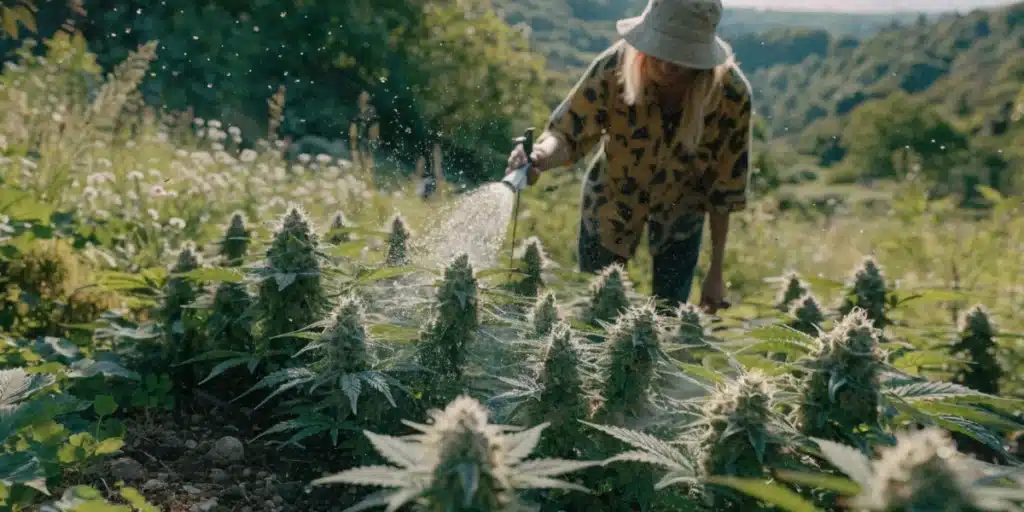
Outdoor Cannabis Cultivation Essentials: Successful outdoor cannabis cultivation requires abundant sunlight, nutrient-dense soil, regular watering, and effective pest management. Utilizing natural sunlight can significantly enhance your harvest size and improve the aromatic terpene profiles of your plants. This method can lead to a more robust flavor and aroma profile, crucial for both personal enjoyment and market value.
Growing weed outdoors offers a unique opportunity to harness the full potential of natural elements. Outdoor cannabis plants can achieve terpene levels up to 20% higher than their indoor counterparts, enhancing flavor and aroma. Additionally, outdoor cultivation can lead to significant cost savings on energy and resources, making it an attractive option for many growers.
Recommended Strains

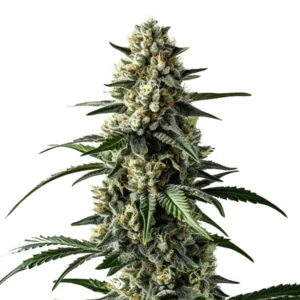
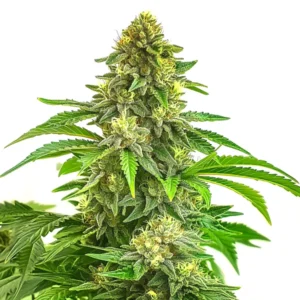
Lemon Skunk Autoflower

|
THC | 18% - 24% (High) |

|
Type | Autoflowering |

|
Yield | High |

|
Phenotype | 20% Indica / 80% Sativa |
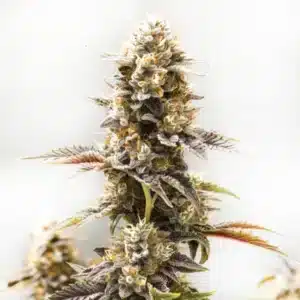
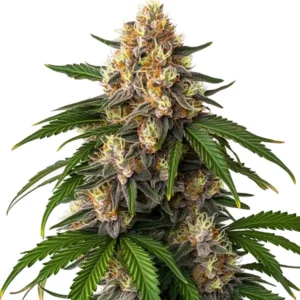
Blueberry Badazz
|
|
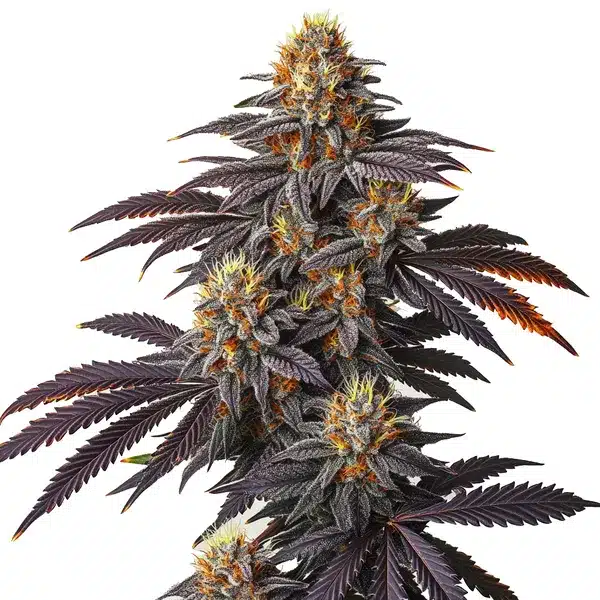
THC | 19% - 24% (High) |
|
|
Type | Feminized |
|
|
Yield | Medium |
|
|
Phenotype | 80% Indica / 20% Sativa |
Choosing the Right Outdoor Location for Growing Weed Outdoors
Sunlight and Climate Considerations
When selecting a location for growing weed outdoors, prioritize areas that receive at least 8-10 hours of direct sunlight daily. This ensures optimal photosynthesis, critical for robust plant growth. The ideal climate for cannabis cultivation is one with temperatures ranging from 68°F to 77°F (20°C to 25°C) and low humidity levels to prevent mold and mildew.
Experienced growers often recommend positioning your garden on a south-facing slope to maximize sun exposure. Avoid areas prone to strong winds or heavy rainfall, as these can damage plants and reduce yield. Monitoring local climate patterns can help you anticipate potential challenges and adjust your cultivation strategy accordingly.
Soil and Environmental Factors
Soil quality plays a pivotal role in the success of your outdoor cannabis garden. Aim for a loamy soil with a pH level between 6.0 and 7.0, which supports nutrient uptake and root development. Incorporate organic matter such as compost or well-rotted manure to enhance soil fertility and structure.
Ensure proper drainage to prevent waterlogging, which can lead to root rot. Raised beds or mounds are effective solutions for areas with poor drainage. Regularly test soil nutrient levels and adjust your fertilization plan to maintain a balanced nutrient profile throughout the growing season.
Promos & Deals
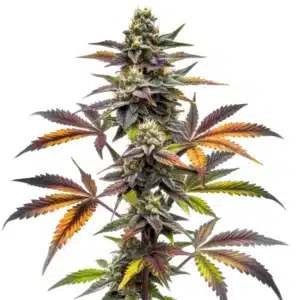
Preparing Your Soil for Cannabis
Nutrient-Rich Soil Mixes
Creating a nutrient-rich soil mix is essential for healthy cannabis growth. A balanced mix might include 40% organic matter, 30% aeration materials like perlite, and 30% local soil. This combination supports root aeration and nutrient retention. Incorporate amendments like bone meal or fish meal to boost phosphorus and nitrogen levels.
Master growers suggest using a soil test kit to determine existing nutrient levels and pH. Adjust the soil composition based on these results to meet the specific needs of cannabis plants. Regularly replenish organic matter to maintain soil fertility throughout the growing cycle.
Composting and Mulching Techniques
Composting is a sustainable way to enrich your soil with nutrients. Start a compost pile with kitchen scraps, yard waste, and other organic materials. Over time, these materials break down into a rich humus that can be mixed into your soil. This process not only enhances soil fertility but also improves its water retention capacity.
Mulching with organic materials like straw or wood chips helps retain soil moisture and suppress weeds. Apply a 2-3 inch layer around the base of your plants, ensuring it does not touch the stems to prevent rot. This practice also moderates soil temperature, protecting roots from extreme heat or cold.
Planting Your Cannabis Seeds
When to Plant for Best Results
The timing of planting cannabis seeds outdoors is crucial for maximizing growth and yield. In most regions, the best time to plant is after the last frost date, typically in late April to early May. This ensures that seedlings are not exposed to freezing temperatures, which can stunt growth or kill young plants.
Monitor local weather forecasts to determine the optimal planting window. Consider using a greenhouse or cold frame to start seeds earlier in the season, providing a head start on growth. Transplant seedlings outdoors once they have developed a strong root system and the risk of frost has passed.
Seed Selection and Germination
Choosing the right seeds is vital for successful outdoor cultivation. Blimburn Seeds offers a variety of strains suited for outdoor growth, such as GG4 and Blueberry Badazz OG. Consider factors like climate compatibility, flowering time, and desired effects when selecting seeds.
Germinate seeds using the paper towel method or directly in soil, ensuring a consistent temperature of 70°F to 75°F (21°C to 24°C). Keep the medium moist but not waterlogged to promote healthy root development. Once seeds sprout, transplant them to larger containers or directly into the ground.
Caring for Your Outdoor Cannabis Plants
Watering and Fertilizing Techniques
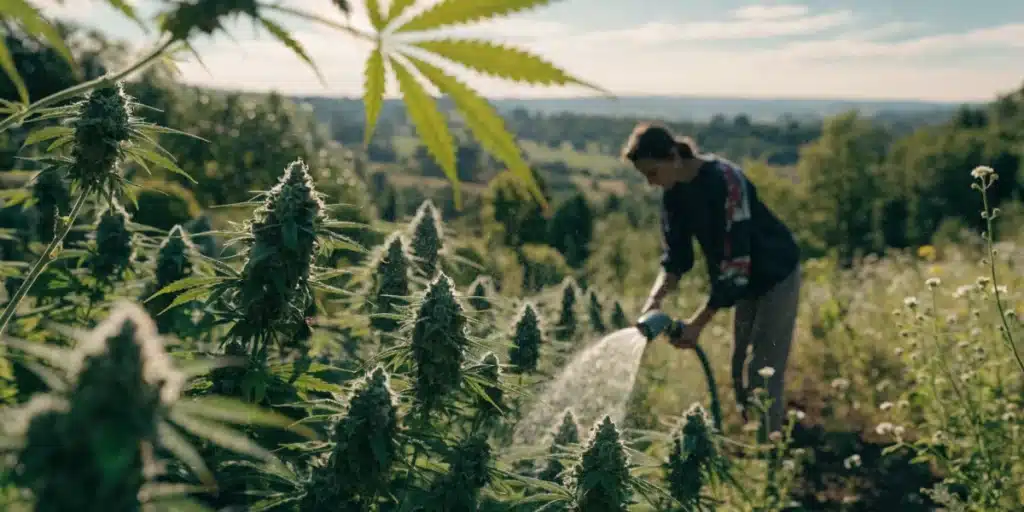
Proper watering is critical for maintaining healthy cannabis plants. Water deeply and infrequently, allowing the soil to dry out slightly between waterings. This encourages deep root growth and prevents overwatering, which can lead to root rot. Aim for a soil moisture level of 10-15%.
Fertilize plants with a balanced NPK ratio, such as 3:1:2 during the vegetative stage and 1:3:2 during flowering. This supports robust growth and enhances bud development. Use organic fertilizers like fish emulsion or compost tea to provide essential nutrients without the risk of chemical buildup.
Pruning and Training Methods
Pruning and training techniques like topping, low-stress training (LST), and super cropping can significantly increase yield and improve plant structure. Topping involves cutting the main stem to encourage bushier growth, while LST uses gentle bending to expose more bud sites to light.
Super cropping involves pinching stems to create stress points that strengthen branches and increase nutrient flow. Implement these techniques during the vegetative stage for best results. Monitor plant response and adjust methods as needed to avoid excessive stress or damage.
| Feature | GG4 | Blueberry Badazz OG | Lemon Skunk Auto |
|---|---|---|---|
| THC Content | 27% | 19-24% | 18-24% |
| Dominant Terpene | Humulene | Myrcene | Limonene |
| Yield (oz/plant) | High | Medium | High |
| Flowering Time (weeks) | 8-10 | 8-10 | 7-8 |
| Aroma | Fruity, Pine, Spicy | Berry, Blueberry | Citrus, Lemon |
Pest and Disease Management
Natural Pest Control Methods
Managing pests is crucial for healthy cannabis plants. Use natural predators like ladybugs and predatory mites to control aphid and spider mite populations. Neem oil and insecticidal soaps are effective against soft-bodied insects without harming beneficial insects.
Companion planting with herbs like basil and marigold can deter pests through natural chemical emissions. Regularly inspect plants for signs of infestation and treat promptly to prevent widespread damage. Rotate pest control methods to prevent resistance buildup.
Disease Prevention Strategies
Preventing diseases such as powdery mildew and botrytis is essential for outdoor cannabis cultivation. Ensure adequate air circulation by spacing plants appropriately and pruning excess foliage. Avoid overhead watering to reduce humidity levels around the plant canopy.
Apply organic fungicides like potassium bicarbonate or sulfur-based products as preventive measures. Monitor weather conditions and adjust your disease management strategy accordingly. Implementing a sanitation routine, including cleaning tools and removing plant debris, can further reduce disease risk.
Harvesting and Curing Your Cannabis
Timing Your Harvest Correctly
Harvest timing is critical for maximizing potency and flavor. Monitor trichome development using a magnifying glass or microscope. Harvest when trichomes are mostly milky with some amber, indicating peak cannabinoid levels. This typically occurs 8-10 weeks after flowering begins.
Weather conditions can also influence harvest timing. Avoid harvesting during rainy periods to prevent mold. If rain is unavoidable, consider using a greenhouse or temporary cover to protect your plants. Proper timing ensures the highest quality and potency of your final product.
Curing for Enhanced Flavor and Potency
Curing is a vital process that enhances the flavor and potency of your cannabis. After drying, place buds in airtight glass jars, maintaining a relative humidity of 58-62%. Open jars daily for the first week to release excess moisture, then gradually reduce the frequency.
Store jars in a cool, dark place at temperatures between 60°F and 70°F (15°C to 21°C). Curing can take 2-4 weeks, during which terpenes and cannabinoids continue to develop. Proper curing enhances the overall quality and shelf life of your cannabis.
Professional Tips for Growing Weed Outdoors
- Maintain 68°F to 77°F (20°C to 25°C) for optimal growth. Deviations can stress plants, reducing yield and potency.
- Ensure soil pH is between 6.0 and 7.0. Outside this range, nutrient uptake is impaired, leading to deficiencies.
- Use organic fertilizers to prevent chemical buildup. Over-fertilization can burn roots and stunt growth.
- Prune regularly to improve air circulation. Dense foliage can trap moisture, increasing mold risk.
- Monitor trichomes to determine harvest time. Premature harvesting results in lower potency and flavor.
- Rotate pest control methods to prevent resistance. Consistent use of one method can lead to ineffective pest management.
FAQs about Growing Weed Outdoors
What is the best time to plant cannabis outdoors?
The optimal time to plant cannabis outdoors is after the last frost date in your area, typically late April to early May. This ensures seedlings are not exposed to freezing temperatures, which can damage or kill young plants. Monitor local weather forecasts to determine the precise planting window.
How do I prepare soil for growing weed outdoors?
Prepare soil by ensuring a pH level between 6.0 and 7.0 and incorporating organic matter like compost. This enhances fertility and structure. Use a soil test kit to adjust nutrient levels and maintain a balanced nutrient profile throughout the growing season for optimal plant health.
What are common pests that affect outdoor cannabis plants?
Common pests include aphids, spider mites, and caterpillars. These can damage leaves and reduce yield. Natural predators like ladybugs and neem oil treatments can effectively manage these pests. Regular inspections and prompt treatment are crucial to prevent widespread infestations.
How much sunlight do cannabis plants need outdoors?
Cannabis plants require 8-10 hours of direct sunlight daily for optimal growth. This supports photosynthesis and robust plant development. Position your garden in a south-facing location to maximize sun exposure. Avoid shaded areas, which can stunt growth and reduce yield.
How can I increase terpene production in outdoor cannabis?
Increase terpene production by ensuring optimal soil conditions, consistent watering, and proper pruning. Stress techniques like low-stress training can also enhance terpene levels. Maintain a balanced nutrient profile and monitor environmental conditions to support terpene development.