Greenhouse Best Outdoor Grow Setup: Optimal Design for Cannabis Cultivation

An outdoor cannabis greenhouse combines the sun and low running costs of outdoor growing with the control and protection of indoor growing, letting you extend the season, shield plants from weather and pests, and even steer flowering. The best setup starts with location (maximum sun, shelter from wind), a suitable greenhouse structure with good ventilation, then climate control (airflow, and heating or shading as needed), healthy soil, pest management and strains suited to greenhouse conditions. Done well, a greenhouse gives bigger, cleaner harvests than open-air growing while costing far less to run than a full indoor room. It is the sweet spot between outdoor and indoor cultivation.
Outdoor Greenhouse Setup Essentials
The key elements of a productive cannabis greenhouse:
Recommended Strains
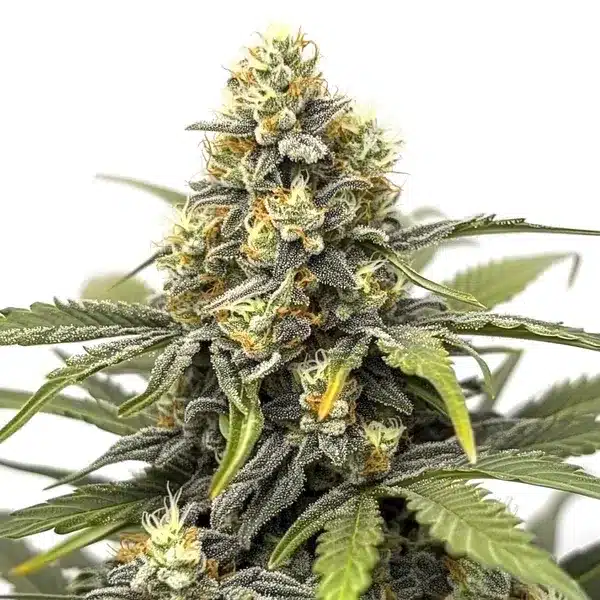
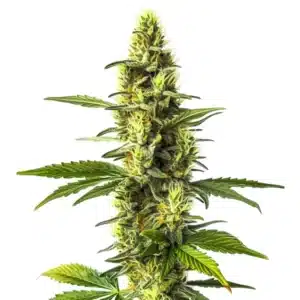
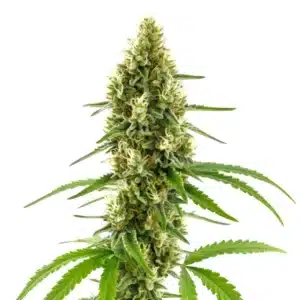
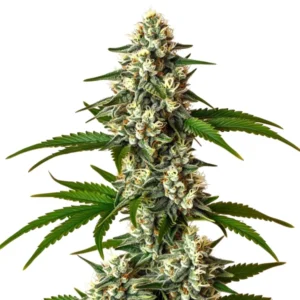
Amnesia

|
THC | 15% - 20% (Medium) |

|
Type | Feminized |

|
Yield | High |

|
Phenotype | 30% Indica / 70% Sativa |

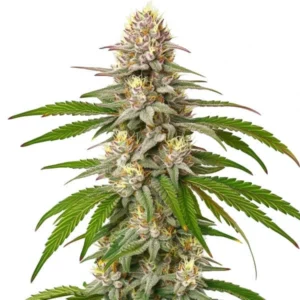
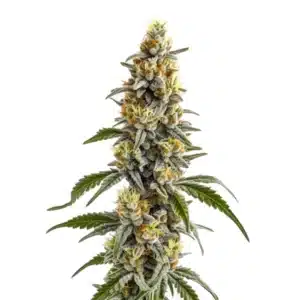
Amnesia Blue Headband
|
|
THC | 10% - 20% (Medium) |
|
|
Type | Feminized |
|
|
Yield | High |
|
|
Phenotype | 50% Indica / 50% Sativa |
| Element | What to look for |
|---|---|
| Location | Maximum daily sun, sheltered from strong wind |
| Structure | Sturdy, well-ventilated, right size for your plants |
| Ventilation | Vents/fans to control heat and humidity |
| Climate control | Shading in heat; optional heating to extend season |
| Soil & feeding | Rich, well-draining soil; bloom-appropriate nutrients |
| Strains | Mold-resistant, climate-suited varieties |
Promos & Deals
Location: Sun and Shelter First
Where you place the greenhouse decides how well everything else works. Cannabis is sun-hungry, so pick a spot that gets strong, direct sunlight for as much of the day as possible, an open, south-facing position (in the Northern Hemisphere) is ideal. At the same time, shelter matters: positioning the greenhouse where it is protected from strong prevailing winds reduces structural stress and heat loss, while still allowing you to open vents for airflow. Consider access to water and power if you plan any climate control, and think about discretion and security depending on your situation and local laws. Watch how sun and shade move across the site through the day and season before committing. Nail the location and you maximise the free energy, sunlight, that makes greenhouse growing so cost-effective.” “
Structure, Ventilation and Climate
The greenhouse itself needs to be sturdy and, crucially, well-ventilated. Heat builds fast under glass or plastic, so vents, louvers and fans that let hot, humid air escape and fresh air in are essential, both to prevent heat stress and to keep humidity down so mold does not take hold on your buds. In hot climates, shading or light-diffusing covers stop the greenhouse from cooking plants in midsummer; in cooler climates or shoulder seasons, simple heating or better insulation lets you start earlier and finish later, extending your season.
Some growers even use light deprivation (blackout covers) to control the flowering time. Match the structure and its climate controls to your local weather, the whole point of a greenhouse is to smooth out the extremes the open air throws at your plants.
Soil, Feeding and Watering
Inside the greenhouse, treat the growing medium much as you would for any quality grow. Use rich, well-draining soil (or large containers of a good mix) so roots get both nutrients and oxygen, and feed appropriately for the stage, more nitrogen in veg, more phosphorus and potassium in flower, without overdoing it. Greenhouse plants can get large and thirsty in summer sun, so plan reliable watering, and consider drip irrigation for consistency.
Growing in large pots rather than the ground gives you more control and makes it easier to move or protect plants, see our guide to growing in containers outdoors. Keep an eye on runoff and pH as you would indoors, since the controlled environment means the medium, not the weather, is doing most of the work.
Strains and Pest Management
Genetics and pest control round out a good setup. Because a greenhouse can hold humidity, favor mold- and mildew-resistant strains and varieties suited to your climate and the greenhouse’s conditions; sturdy, resilient plants reward the semi-protected environment. Pest management is important because a greenhouse can also shelter pests: keep it clean, inspect regularly, use screens on vents, and consider beneficial insects for organic control.
Good airflow again helps by discouraging the damp, still conditions pests and mold love. The enclosed space makes prevention easier than in fully open-air growing, you control who gets in, so a little vigilance keeps problems out. For the trade-offs versus indoor growing, see our comparison of greenhouse vs indoor weed.
The Bottom Line on an Outdoor Cannabis Greenhouse
An outdoor cannabis greenhouse is the best of both worlds: the free sun and low costs of outdoor growing with much of the control and protection of indoor. Start with a sunny, sheltered location and a sturdy, well-ventilated structure, then manage climate (airflow, shading or heating), use rich well-draining soil and sensible feeding, keep pests out, and grow mold-resistant, climate-suited strains.
The result is a longer season and bigger, cleaner harvests than open-air growing, at a fraction of an indoor room’s running cost. Plan the setup around your local weather and the greenhouse rewards you season after season.

FAQs about greenhouse best outdoor grow setup
Is a greenhouse good for growing cannabis?
Yes. A greenhouse combines outdoor sun and low running costs with indoor-style control and protection, extending the season, shielding plants from weather and pests, and even letting you steer flowering. Done well it gives bigger, cleaner harvests than open-air growing for far less than a full indoor room costs to run.
Where should I place a cannabis greenhouse?
Somewhere with maximum daily direct sun (an open, south-facing spot in the Northern Hemisphere) that is also sheltered from strong winds. Consider access to water and power for any climate control, and think about security and local laws. Watch how sun and shade move across the site before committing, sunlight is the free energy that makes greenhouses efficient.
How do I control climate in a greenhouse?
Ventilation is key: vents, louvers and fans release hot, humid air and bring in fresh air, preventing heat stress and keeping mold-causing humidity down. Add shading or diffusing covers in hot climates, and simple heating or insulation in cool ones to extend the season. Favor mold-resistant strains and keep airflow strong.
Is a greenhouse better than outdoor or indoor?
A greenhouse sits between the two: more control and protection than open-air outdoor growing, but far cheaper to run than a full indoor room, while still using free sunlight. It is ideal if you want bigger, cleaner harvests than outdoor with lower costs than indoor. For the detailed trade-offs, see our greenhouse vs indoor comparison.