Greenhouse vs Indoor Potency: A Detailed Comparison

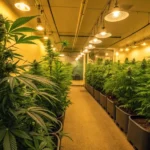
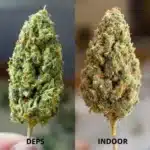
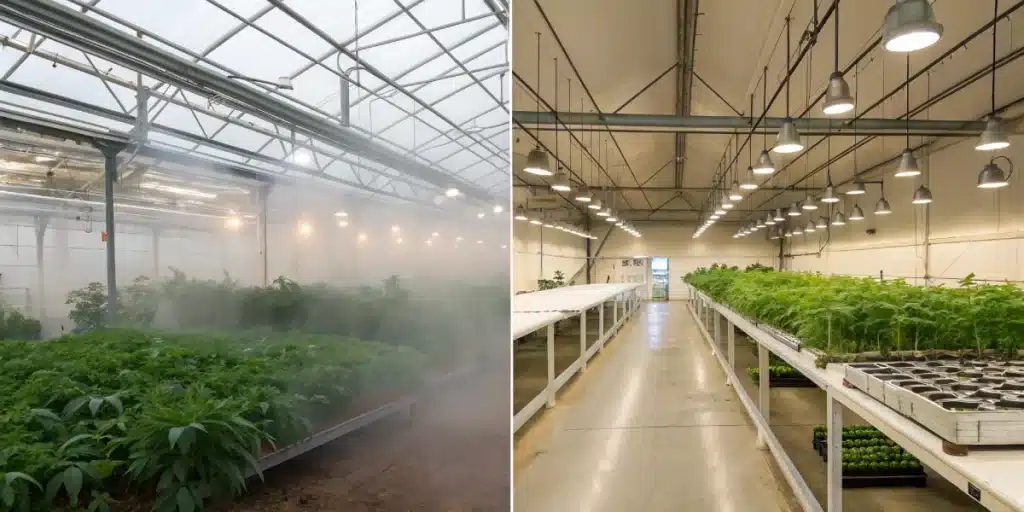
Greenhouse vs Indoor Potency: The potency of cannabis grown in greenhouses versus indoors hinges on light sources and environmental control. Greenhouses utilize natural sunlight, enhancing cannabinoid profiles, while indoor setups allow for precise condition management, often resulting in higher THC levels. Sunlight’s intensity can be up to 10 times greater than artificial lights, significantly influencing cannabis potency.
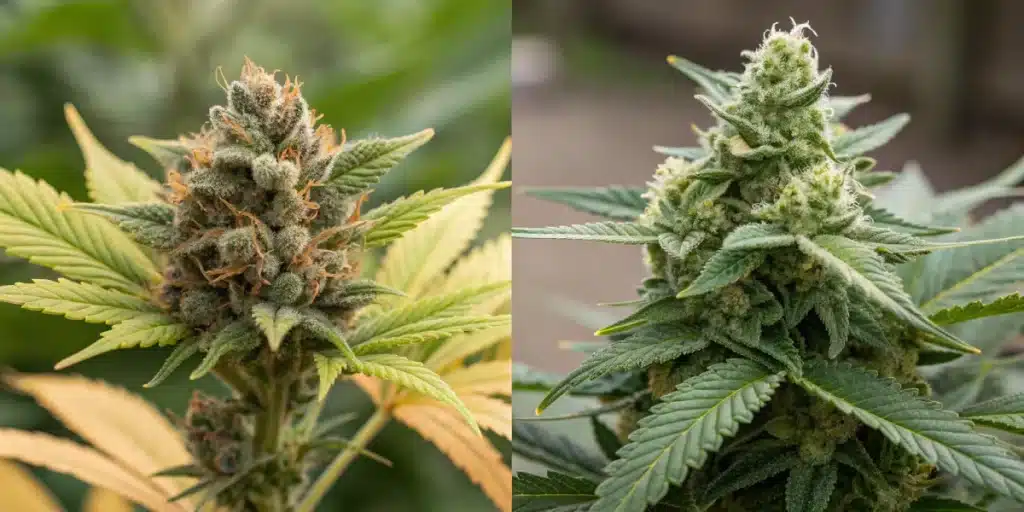
In the debate of greenhouse vs indoor potency, terpenes and flowering time play pivotal roles. Greenhouse environments, with their natural light cycles, can enhance terpene profiles, while indoor grows offer controlled flowering periods. This results in unique aromatic and flavor profiles, with indoor strains often achieving faster flowering times due to precise light schedules.
Recommended Strains
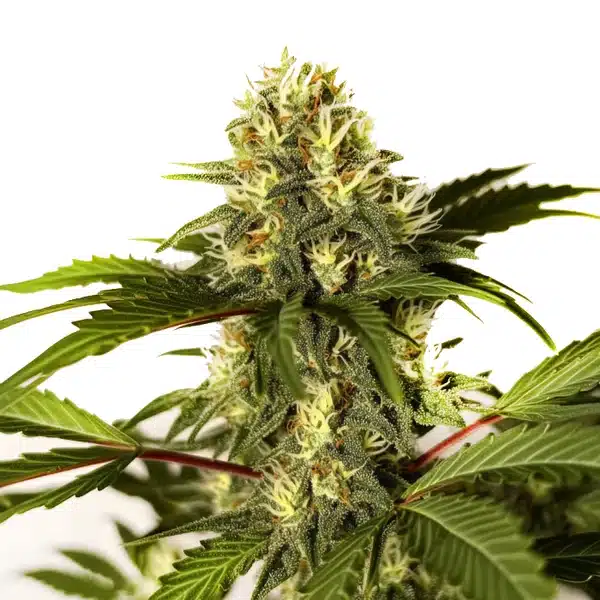
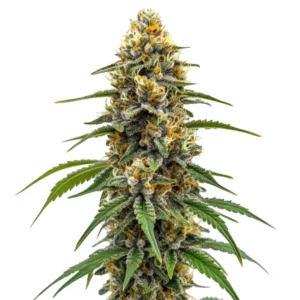
Do-si-Dos F1

|
THC | 26% - 30% (High) |

|
Type | Feminized F1 |

|
Yield | High |

|
Phenotype | 75% Indica / 25% Sativa |
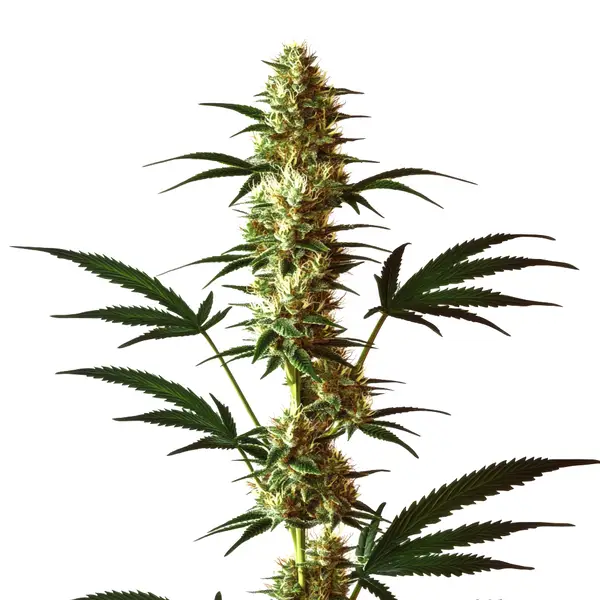
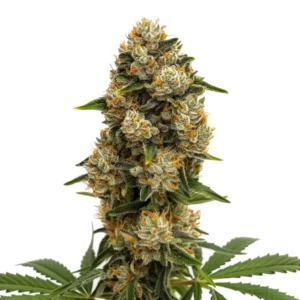
Do-Si-Dos Regular
|
|
THC | 20% - 30% (High) |
|
|
Type | Regular |
|
|
Yield | High |
|
|
Phenotype | 60% Indica / 40% Sativa |
Light Sources and Their Impact
Natural Sunlight in Greenhouses
Greenhouses harness the full spectrum of natural sunlight, which includes UV-A and UV-B rays, crucial for cannabinoid synthesis. This spectrum variation throughout the day promotes a broader terpene and cannabinoid profile. The intensity of sunlight, reaching up to 10,000 foot-candles, significantly influences the plant’s biochemical processes.
Sunlight’s dynamic nature encourages the development of complex terpene profiles, contributing to richer flavors and aromas. For instance, in a greenhouse setup, strains like Alien Gorilla Glue thrive, producing a robust terpene profile with limonene and myrcene, enhancing both citrus notes and relaxation effects.
However, managing heat and humidity is challenging in greenhouses. Excessive heat can reach over 90°F (32°C), stressing plants and potentially reducing potency. Proper ventilation and plant spacing are crucial to mitigate these effects and prevent mold, a common issue due to humidity pockets.
Artificial Lighting Indoors
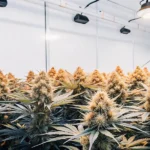
Indoor cultivation relies on artificial lighting systems like LED and HPS, which offer consistent light schedules and intensity. This control allows growers to optimize conditions for each growth stage, enhancing THC production. Light intensity typically ranges from 600 to 1,000 µmol/m²/s during flowering.
Precision in indoor environments means no interruptions from weather, ensuring consistent light exposure. This stability is ideal for strains such as Black Widow, known for its high THC levels, reaching up to 28%. The controlled environment maximizes resin production and cannabinoid concentration.
Despite the advantages, indoor grows face high energy costs and require meticulous monitoring of light schedules and temperatures. Any deviation can affect potency, making it crucial to maintain optimal conditions consistently.
Promos & Deals
Environmental Control and Quality
Temperature and Humidity in Greenhouses
Greenhouses naturally experience temperature and humidity fluctuations, which can enhance the complexity of cannabis profiles. Daytime temperatures can range from 70°F to 85°F (21°C to 29°C), while humidity levels often hover between 50% and 70%. These conditions mimic natural environments, promoting robust terpene and flavonoid production.
However, managing these variables is crucial. High humidity above 70% can lead to mold, while temperatures exceeding 90°F (32°C) may stress plants. Implementing proper ventilation and maintaining plant spacing are essential to prevent these issues and ensure quality.
For example, Black Domina thrives in these conditions, developing rich caryophyllene and myrcene profiles, which contribute to its spicy, earthy aroma and calming effects.
Precision Control in Indoor Grows
Indoor cultivation allows for precise control over temperature and humidity, critical for maximizing potency. Ideal conditions include maintaining temperatures between 68°F and 77°F (20°C to 25°C) and humidity levels at 40% to 50% during flowering. This control helps prevent mold and optimizes resin production.
Such precision is particularly beneficial for strains like Gelato X Gorilla, which requires stable conditions to achieve its high THC potential, often reaching 27%. The controlled environment ensures consistent quality and potency.
However, any equipment failure or miscalculation can significantly impact the crop. Regular monitoring and maintenance of HVAC systems are crucial to avoid these pitfalls.
| Feature / Merkmal | Alien GG | Black Widow | Northern Lights |
|---|---|---|---|
| THC Content | 22-26% | 25-28% | 18-22% |
| Dominant Terpene | Limonene | Myrcene | Caryophyllene |
| Flowering Time | 8-9 weeks | 8-10 weeks | 7-8 weeks |
| Yield | 1.5-2 oz/ft² (450-600 g/m²) | 1.8-2.2 oz/ft² (550-670 g/m²) | 1.2-1.6 oz/ft² (370-490 g/m²) |
| Optimal Environment | Greenhouse | Indoor | Indoor |
Greenhouse vs Indoor: Yield and Quality
When comparing greenhouse vs indoor quality, both methods have distinct advantages. Greenhouses benefit from natural light, which can enhance the overall quality of the buds, resulting in complex terpene profiles. However, indoor cultivation offers more consistent quality due to controlled conditions, often leading to higher THC levels.
In terms of yield, indoor setups can be optimized for maximum output by controlling every aspect of the environment. Greenhouse yields can vary depending on external weather conditions, but they offer a more sustainable approach with lower energy costs.
For growers considering indoor vs outdoor vs greenhouse, the choice often depends on the desired balance between potency, quality, and sustainability. Indoor cultivation is ideal for those seeking high potency and consistency, while greenhouses offer a middle ground with natural light benefits and reduced energy consumption.
Professional Tips for Optimal Potency
- Maintain 58-62% RH during curing. Below 55% arrests terpene development; above 65% promotes mold within 48 hours. Use a digital hygrometer for accuracy.
- Ensure 800-1000 µmol/m²/s light intensity during flowering for indoor grows. This range maximizes photosynthesis and cannabinoid production.
- Keep greenhouse temperatures between 70°F and 85°F (21°C to 29°C) to enhance terpene profiles. Avoid exceeding 90°F (32°C) to prevent plant stress.
- Space plants adequately in greenhouses to improve airflow and reduce humidity pockets, preventing mold and promoting even growth.
- Monitor CO₂ levels in indoor grows, ideally at 800-1200 ppm, to boost photosynthesis and yield. Avoid levels above 1500 ppm to prevent plant stress.
- Use UV-B supplemental lighting in indoor setups to mimic sunlight and enhance THC synthesis, particularly in the final weeks of flowering.
FAQs on Greenhouse vs Indoor Potency
Can you get vitamin D through a greenhouse?
Vitamin D synthesis requires direct UV-B exposure, which is often filtered by greenhouse glass. While greenhouses provide excellent light for plants, they do not typically allow enough UV-B for human vitamin D production. For adequate vitamin D, consider outdoor exposure or supplements.
What are the 5 disadvantages of a greenhouse?
Greenhouses face challenges like heat buildup, humidity pockets, pest intrusion, higher maintenance costs, and limited light control. Temperatures can exceed 90°F (32°C), stressing plants. Humidity above 70% fosters mold, while pests require proactive management. Despite these, they offer sustainable growing conditions.
Is greenhouse THCA good?
Greenhouse-grown THCA is often rich and complex due to natural sunlight exposure, which enhances cannabinoid profiles. However, potency can vary with environmental conditions. Consistent sunlight and proper ventilation are key to achieving high-quality THCA levels, comparable to indoor-grown cannabis.
How does light intensity affect potency?
Light intensity directly influences photosynthesis and cannabinoid synthesis. In indoor grows, maintaining 800-1000 µmol/m²/s during flowering maximizes THC production. In greenhouses, sunlight intensity can exceed 10,000 foot-candles, enhancing natural cannabinoid expression and terpene development.
What is the best strain for greenhouse cultivation?
Strains like Northern Lights excel in greenhouses due to their resilience and ability to thrive under natural light. With THC levels of 18-22%, it offers a balanced high and rich terpene profile, making it ideal for greenhouse environments.