Expert Solutions: Proven Fixes for Low Brix Levels in Cannabis

Low brix levels in cannabis can be a perplexing issue for both new and seasoned growers. When brix levels dip, it signals a drop in plant vitality. Brix levels, which measure the sugar content in plant sap, are a telltale sign of overall plant health. Knowing low brix levels in cannabis causes and solutions helps growers identify underlying stressors affecting their cannabis plants and take corrective action.
Growers need to keep a watchful eye on these levels as they directly impact cannabis quality. High brix levels are associated with more robust flavors and potent effects. This makes it essential to address the causes of low brix in cannabis plants promptly.
Recommended Strains
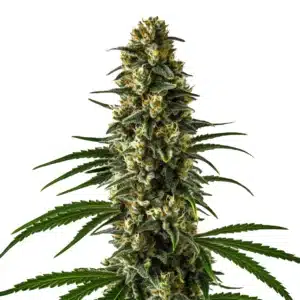
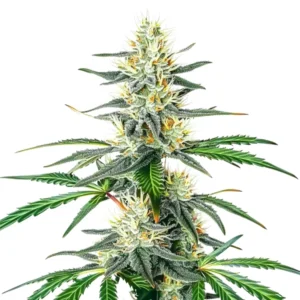
Girl Scout Cookies

|
THC | 18% - 25% (Medium) |

|
Type | Feminized |

|
Yield | High |

|
Phenotype | 60% Indica / 40% Sativa |
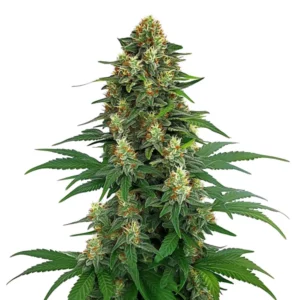
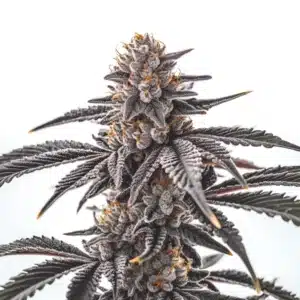
Tangie
|
|
THC | 19% - 22% (Medium) |
|
|
Type | Feminized |
|
|
Yield | High |
|
|
Phenotype | 30% Indica / 70% Sativa |
Several factors contribute to low brix readings. Everything from nutrient deficiencies to environmental stressors can play a role. By identifying these issues and implementing solutions for improving brix levels in cannabis, you can ensure your plants thrive.
Causes of Low Brix in Cannabis Plants
The causes of low brix in cannabis plants are varied. Nutrient deficiencies are a primary culprit, as plants that don’t receive the right balance of nutrients often struggle with sugar production. This is particularly true for essential elements like potassium and phosphorus. Knowing low brix levels in cannabis causes and solutions helps growers identify these imbalances early and apply targeted corrections to restore plant vitality and overall performance.
Another factor is inadequate lighting. Cannabis plants need ample light for photosynthesis, the process that produces sugar. Insufficient light can slow this process, leading to lower brix levels. Additionally, poor soil quality or improper pH levels can also contribute to this problem.
Environmental conditions also play a significant role in determining brix levels. Sudden changes in temperature or humidity can stress plants, directly impacting their ability to produce sugars. It’s crucial to maintain stable growing conditions to prevent these stressors from affecting your plants.
Moreover, pest infestations can lead to low brix levels in cannabis. Pests such as aphids and spider mites can damage plant tissues and sap them of their vital nutrients, further exacerbating the issue. Regular monitoring and pest management are key to preventing this problem.
Nutrient Deficiencies
When diagnosing low brix levels in cannabis plants, nutrient deficiencies should be a top consideration. Potassium and phosphorus are critical for sugar production. Without these, photosynthesis efficiency drops, and so does brix.
Real-life examples show growers often see improvements when they adjust their nutrient mix. Consider strains like Blue Dream from Blimburn Seeds, which thrives with balanced nutrients. Monitoring nutrient levels regularly can prevent deficiencies before they impact brix.
Beyond potassium and phosphorus, micronutrients such as magnesium and calcium also play vital roles in maintaining healthy brix levels. These nutrients support various plant functions that contribute to overall vitality and sugar production.
Besides to nutrient adjustments, soil amendments can help address deficiencies. Incorporating mineral-rich supplements or using organic teas can provide a boost to the nutrient profile of your growing medium, thus supporting higher brix levels.
Environmental Stressors
Environmental stressors are another significant factor affecting plant health. Cannabis plants are sensitive to their surroundings, and knowing low brix levels in cannabis causes and solutions starts with recognizing how factors like temperature fluctuations and inadequate humidity can stress plants and ultimately reduce brix levels.
For growers of Blimburn Seeds Girl Scout Cookies, maintaining stable environmental conditions is vital. This strain, like many others, benefits from a controlled climate. Investing in a good quality environmental control system can help you maintain optimal conditions.
Temperature control is essential, as extreme heat or cold can disrupt plant metabolism. Maintaining a consistent temperature range promotes healthy growth and sugar production, thus preventing low brix levels.
Humidity plays an equally important role. Too much moisture can encourage mold and mildew, while too little can desiccate plants. Monitoring and adjusting humidity levels can help create an ideal environment for your cannabis plants to thrive.
Poor Soil Quality
Poor soil quality is often overlooked but can significantly impact brix levels. Soil that lacks organic matter or has an incorrect pH can impede nutrient uptake. This, in turn, affects sugar production.
Growers of Blimburn Seeds Tangie strain often report excellent results with rich, well-aerated soil. Adding organic matter such as compost can boost soil health. Regularly testing soil pH and adjusting it as needed can prevent brix-related issues.
Soil compaction is another factor that can affect nutrient availability and root health. Regularly aerating your soil can improve drainage and oxygenation, which are crucial for optimal plant growth and sugar production.
Moreover, using cover crops or rotating your cannabis plants with other beneficial plant species can help maintain soil fertility. This practice can enrich the soil, prevent erosion, and support the long-term health of your grow space.
Promos & Deals

Solutions for Improving Brix Levels in Cannabis
How to increase brix in cannabis cultivation involves strategic changes. Begin by addressing nutrient imbalances. Use a complete nutrient solution tailored for cannabis to ensure your plants receive what they need.
Light is another critical factor. Ensure your cannabis plants receive enough light to support photosynthesis. Consider using high-efficiency LED lights, which provide the necessary spectrum for growth without excessive heat.
Improving environmental conditions is a key solution for improving brix levels in cannabis. Consistent temperature and humidity control can reduce plant stress, allowing for improved sugar production and higher brix readings.
Regularly monitoring plant health and making adjustments as needed can prevent issues before they become significant problems. This proactive approach is vital for maintaining the quality and yield of your cannabis crop.
Optimizing Nutrient Feeding
Optimizing your nutrient feeding schedule is essential. Use a balanced fertilizer that includes all necessary macro and micronutrients. Regularly test your nutrient solution to ensure it’s within the ideal range for cannabis growth.
Blimburn Seeds’ Blue Dream strain responds well to consistent feeding schedules. Monitor your plants closely for signs of nutrient deficiencies or excesses, and adjust your feeding schedule accordingly.
Precision in nutrient delivery can make a significant difference in plant health. Consider using a dosing system to ensure your plants receive the exact amount of nutrients they need at each stage of growth.
Additionally, incorporating beneficial microbes into your nutrient regimen can enhance nutrient availability and uptake. These microbes improve soil health and support the plant’s natural processes for sugar production.
Enhancing Lighting Conditions
Enhancing lighting conditions is crucial for boosting brix levels. Ensure your grow lights provide adequate coverage and intensity. LED lights are a popular choice for many growers due to their energy efficiency and full-spectrum light.
Position your lights to cover the entire canopy evenly. This ensures all parts of the plant receive adequate light, promoting uniform growth and higher brix levels. Adjust light height as your plants grow to maintain optimal distance.
Light quality is as important as light quantity. Full-spectrum lights that mimic natural sunlight can enhance photosynthesis, providing a boost to brix levels and overall plant health.
Automating your lighting system with timers can ensure consistent light cycles, reducing stress and promoting stability in your grow environment, which is essential for maintaining high brix levels.
Improving Soil and pH Levels
Improving soil quality and maintaining proper pH levels are vital steps. Use high-quality soil with good drainage properties. Adding organic matter like compost or worm castings can enhance soil health.
Regularly test your soil’s pH to ensure it’s within the optimal range for cannabis growth. Most cannabis strains, including Blimburn Seeds Tangie, prefer a pH between 6.0 and 7.0. Adjust as necessary using pH up or down products.
Soil health is foundational to plant health. Incorporating mycorrhizal fungi into your growing medium can enhance nutrient uptake and root development, contributing to higher brix levels.
Besides, rotating your plants or allowing periods of fallow can rejuvenate soil, preventing nutrient depletion and maintaining the soil’s ability to support robust plant growth.
FAQs about low brix levels in cannabis causes and solutions
What are brix levels in cannabis?
Brix levels in cannabis refer to the sugar content in plant sap. Higher brix levels indicate healthier plants. They often result in better flavor and potency. Measuring brix is a way to gauge plant health indirectly.
Most growers use a refractometer to measure brix levels. This device gives a quick reading of sugar content. Regularly monitoring these levels can help identify issues before they impact your plants significantly.
Knowing the factors that influence brix levels is crucial for growers. These include nutrient availability, environmental conditions, and plant genetics, all of which can affect the overall health and quality of your cannabis.
By maintaining a proactive approach to cultivation, growers can ensure their cannabis plants consistently exhibit high brix levels, leading to superior quality and yield.
How do low brix levels impact cannabis quality?
The impact of low brix on cannabis quality is substantial. Low levels often mean your plants are under stress. This can lead to less flavorful and less potent buds. High brix levels usually mean more resin and better overall quality.
Growers aiming for top-shelf cannabis should prioritize maintaining high brix levels. This not only improves the final product but also supports plant resilience against pests and diseases.
Low brix levels can also affect the plant’s immune response, making it more susceptible to pest infestations and diseases. This can result in poor plant health and reduced yields.
Addressing the causes of low brix in cannabis plants ensures that growers can produce high-quality buds with rich flavors and potent effects, meeting consumer expectations for premium cannabis.
How can I increase brix levels in cannabis cultivation?
There are several strategies for how to increase brix in cannabis cultivation. Adjusting nutrient levels is a primary step. Ensure your plants receive a balanced mix of essential nutrients.
Improving environmental conditions also helps. Adequate lighting, proper humidity, and stable temperatures are crucial. These factors contribute significantly to brix levels and overall plant health.
Consistent monitoring and adjustments to your grow environment can prevent issues related to low brix levels. Utilizing technology such as sensors and automated systems can help maintain optimal conditions for your cannabis plants.
Incorporating organic practices, like compost teas and natural fertilizers, can enhance soil fertility and promote higher brix levels, leading to healthier and more productive plants.
What causes low brix levels in cannabis plants?
The causes of low brix in cannabis plants include nutrient deficiencies, inadequate lighting, and poor soil quality. These factors can stress plants, reducing their ability to produce sugars.
Identifying these issues early allows for timely interventions. Regular monitoring and adjustments can prevent low brix levels from affecting your crop yield and quality.
Other potential causes include improper watering techniques, which can lead to root stress and nutrient lockout. Ensuring your plants have an appropriate watering schedule is essential for maintaining high brix levels.
Genetic factors may also play a role in brix levels. Selecting cannabis strains known for their resilience and productivity can help mitigate the risk of low brix levels, ensuring a successful cultivation experience.
Are some strains more prone to low brix levels?
Some cannabis strains may indeed be more prone to low brix levels. Strains with high nutrient demands, like those from Blimburn Seeds, require more attention to feeding schedules and environmental conditions.
Knowing the specific needs of your chosen strain can help prevent issues. Researching strains like Blue Dream, Girl Scout Cookies, and Tangie can provide insights into their specific requirements.
Strains with particular genetic profiles may require different nutrient balances or environmental conditions to achieve optimal brix levels. Tailoring your approach to the specific needs of each strain can enhance your cultivation success.
Consulting with other growers or industry experts can provide valuable insights into managing specific strains, helping you overcome challenges related to low brix levels in cannabis causes and solutions.