Expert-Proven Insights: Light Exposure Impact on Cannabis Flower Potency

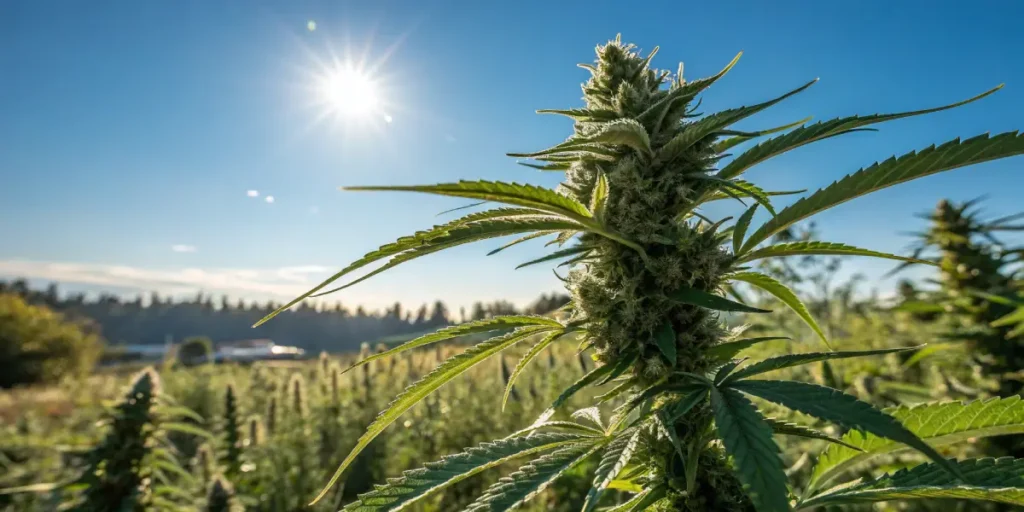
It’s no secret that the light exposure impact on cannabis flower potency plays a crucial role in overall crop quality. Both new and seasoned growers are constantly looking for ways to maximize results, and light exposure is one of the most important factors to consider. Proper lighting conditions directly influence cannabinoid production, making it a key element that cannot be overlooked.
Light exposure impacts the potency of cannabis flowers by affecting the plant’s ability to produce cannabinoids and terpenes. These compounds are responsible for the plant’s effects and flavors. Knowing how to manipulate light conditions can make a notable difference in the final product.
Recommended Strains

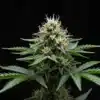
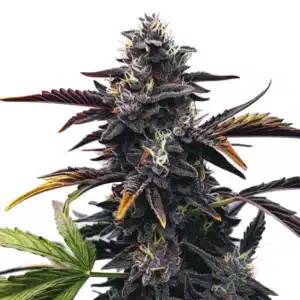
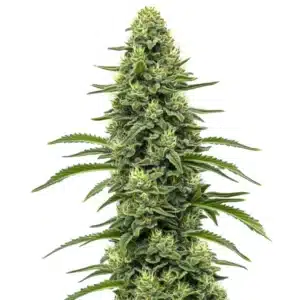
Moby Dick

|
THC | 24% - 27% (High) |

|
Type | Feminized |

|
Yield | High |

|
Phenotype | 40% Indica / 60% Sativa |
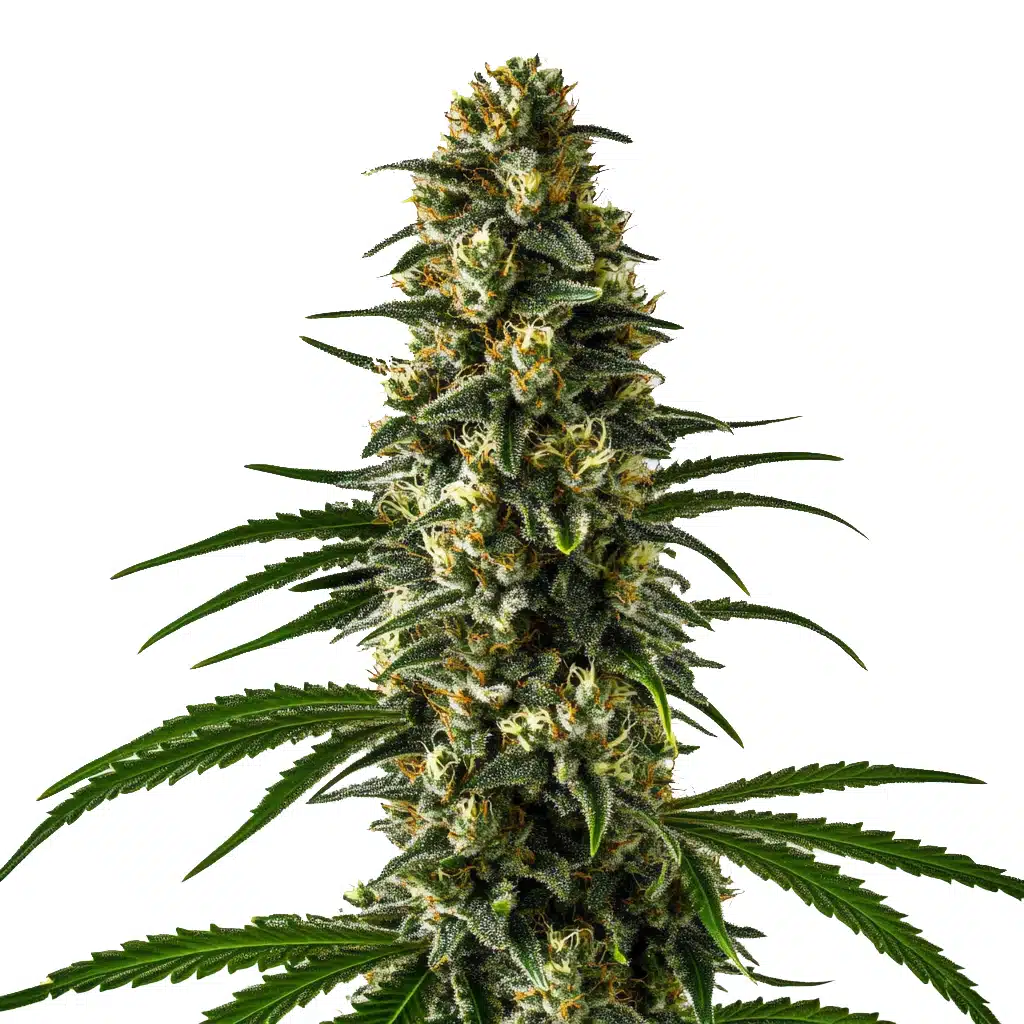
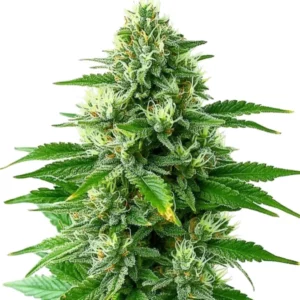
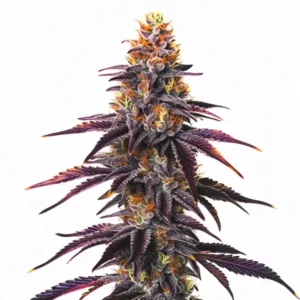
Girl Scout Cookies
|
|
THC | 18% - 25% (High) |
|
|
Type | Feminized |
|
|
Yield | High |
|
|
Phenotype | 60% Indica / 40% Sativa |
Let’s delve into what makes light exposure such a crucial element in growing cannabis flowers with maximum potency. We’ll look at various aspects, including duration, spectrum, and intensity, and provide practical tips for growers.
Optimal Light Exposure for Cannabis Potency
When it comes to growing cannabis, light exposure is crucial for maximizing potency. The right amount of light encourages the plant to produce more cannabinoids like THC and CBD. But how much light is optimal?
For indoor growing, cannabis plants generally thrive under 18 to 24 hours of light during the vegetative stage and 12 hours during the flowering stage. This light exposure duration is essential for achieving high potency in cannabis flowers.
Knowing the balance between light exposure and cannabis flower potency is fundamental for growers. Too little light can stunt growth, while too much can cause stress. Each strain might have its unique optimal light exposure for cannabis potency, making it essential for growers to experiment within recommended parameters.
Moreover, the timing of light exposure plays a key role. Synchronizing light cycles with the plant’s natural rhythms can enhance cannabinoid production. Growers often use automated systems to ensure consistent and optimal light exposure, ultimately boosting the plant’s potency.
Promos & Deals



Effects of Light Spectrum on Cannabis Potency
Light spectrum plays a pivotal role in determining cannabis potency. Different wavelengths of light can affect the plant’s growth and its cannabinoid production. For example, blue light is excellent for the vegetative stage, while red light is beneficial during flowering.
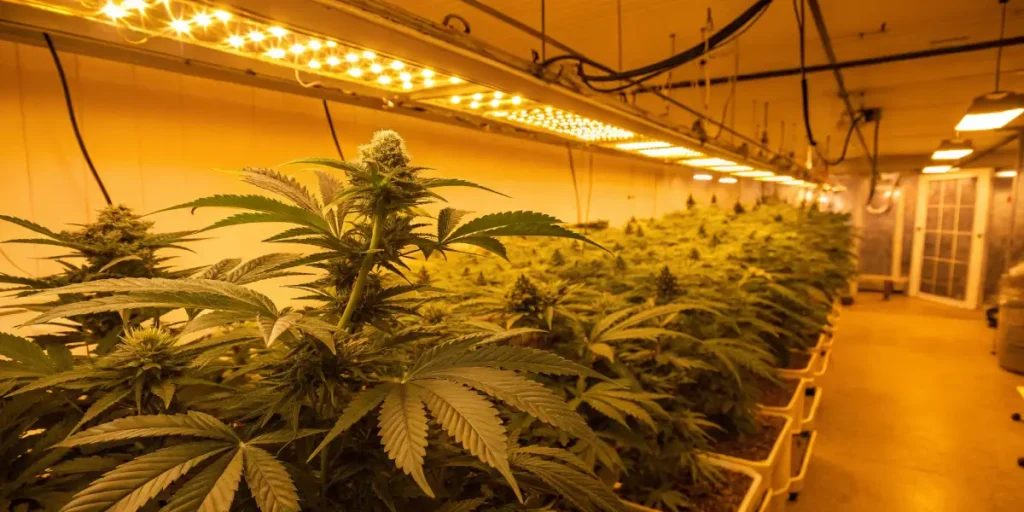
Spectrum manipulation is essential for growers using artificial lighting. LED lights are particularly effective because they can be adjusted to emit specific spectrums. The impact of LED lighting on cannabis potency is significant, as it allows for fine-tuning the light conditions.
The effects of light spectrum on cannabis potency are profound, as the right spectrum can significantly influence the plant’s chemical composition. Blue light supports robust leaf growth, while red light fosters bud development. A balanced spectrum ensures the plant develops both strong foliage and potent flowers.
Advanced LED systems offer growers the flexibility to adjust the light spectrum according to the plant’s stage and specific needs. This adaptability is crucial for achieving the desired cannabinoid and terpene profile, maximizing the light exposure impact on cannabis flower potency.
Impact of LED Lighting on Cannabis Potency
LED lighting has revolutionized indoor cannabis cultivation. These lights offer an efficient way to provide the ideal light spectrum for each growth stage. They are energy-efficient and produce less heat, reducing the risk of excessive light exposure reducing cannabis potency.
Growers using LED lights can create controlled environments that simulate natural sunlight. This control over the light spectrum can lead to increased THC levels and better overall flower quality. Strains like Girl Scout Cookies from Blimburn Seeds thrive under LED lights.
The impact of LED lighting on cannabis potency cannot be overstated. These lights enable precise control over light intensity and spectrum, allowing for customization to match the plant’s developmental stages. This precision helps in achieving high cannabinoid levels without the risk of light burn.
LEDs are not just energy-efficient but also offer a longer lifespan compared to traditional lighting. This longevity makes them a cost-effective option for long-term cultivation. Growers can continuously experiment with spectrum settings to find the optimal conditions for different strains, enhancing the overall cannabis flower potency.
Managing Light Duration for Maximum Potency
Light duration is equally important as the spectrum. During the vegetative phase, cannabis plants need long days with plenty of light to grow robustly. However, once the flowering phase begins, reducing light exposure to 12 hours a day becomes crucial.
Too much light during flowering can stress the plants, leading to lower THC levels. On the other hand, insufficient light can result in underdeveloped flowers. The balance is key, and growers often use timers to maintain consistent light cycles.
Cannabis flower potency and light exposure duration are intimately connected. Properly timing the transition from vegetative to flowering light cycles is essential for optimizing cannabinoid production. A sudden change can shock the plant, affecting its health and potency.
Employing timers and automated lighting systems helps maintain consistent light duration, reducing human error. These tools ensure that plants receive the right amount of light at each growth stage, enhancing both yield and potency, and preventing issues related to excessive light exposure reducing cannabis potency.
Excessive Light Exposure Reducing Cannabis Potency
While light is essential, too much of it can be detrimental. Excessive light exposure can lead to light burn, which damages the leaves and flowers. This not only reduces the plant’s aesthetic appeal but also its potency.
Light burn is often indicated by yellowing leaves and bleached flowers. Growers should be cautious, especially with high-intensity lights. It’s advisable to maintain a safe distance between the plants and the light source to prevent damage.
Excessive light exposure reducing cannabis potency is a common pitfall for growers, especially those new to cultivation. High-intensity lights can create an environment that is too harsh for the plant, leading to stress and reduced cannabinoid production.
By carefully monitoring the distance between the light source and the plants, growers can prevent light burn and ensure optimal conditions. Adjusting the light setup based on the plant’s response can help maintain high potency levels, particularly for sensitive strains like Moby Dick from Blimburn Seeds.
FAQs about light exposure impact on cannabis flower potency
What is the optimal light exposure for cannabis potency?
The optimal light exposure for cannabis potency involves a careful balance of light duration and spectrum. During the vegetative stage, 18 to 24 hours of light is ideal. In the flowering stage, reduce to 12 hours to promote cannabinoid production.
Using lights that allow spectrum adjustment, like LEDs, can further enhance potency. This flexibility allows for fine-tuning the light conditions to meet the specific needs of different cannabis strains.
Knowing the optimal light exposure for cannabis potency is vital for growers aiming to produce high-quality flowers. Each growth stage requires specific light conditions to maximize the plant’s chemical output.
Incorporating timers and spectrum-adjustable lighting can help achieve and maintain these optimal conditions. This approach not only improves potency but also ensures that plants remain healthy and productive throughout their growth cycle.
How does light spectrum affect cannabis potency?
Different light spectrums can significantly influence cannabis potency. Blue light is ideal for vegetative growth, promoting strong and healthy plants. Red light is more suitable for flowering, encouraging high cannabinoid and terpene production.
LED lights offer the ability to adjust the spectrum, making them a popular choice for growers looking to maximize potency. This control allows for optimizing light conditions for different stages of plant growth.
The effects of light spectrum on cannabis potency extend beyond just growth stages. Specific wavelengths can trigger various biological responses, enhancing cannabinoid and terpene synthesis.
By utilizing spectrum-adjustable LEDs, growers can tailor the light conditions to the plant’s needs, improving both potency and yield. This strategic approach ensures that the plants receive the right light at the right time, optimizing the light exposure impact on cannabis flower potency.
Can LED lighting improve cannabis potency?
Yes, LED lighting can improve cannabis potency by providing the ability to customize light conditions. LED lights emit less heat, reducing the risk of light burn, and are energy-efficient, making them a cost-effective option.
Many growers have reported increased potency in their cannabis flowers when using LED lights. This is due to the ability to simulate natural sunlight and adjust to the needs of specific strains, such as those from Blimburn Seeds.
The impact of LED lighting on cannabis potency is profound, offering growers the ability to mimic natural light conditions precisely. This capability leads to enhanced cannabinoid profiles and more potent flowers.
LEDs not only allow for spectrum manipulation but also provide consistent light output throughout their lifespan. This stability is crucial for maintaining optimal light conditions, ultimately leading to a significant improvement in cannabis flower potency.
What happens if cannabis receives too much light?
Excessive light exposure can lead to light burn, damaging the plant’s leaves and flowers. This damage can reduce the plant’s potency and overall quality. Symptoms include yellowing leaves and bleached flowers.
To avoid excessive light exposure reducing cannabis potency, it’s essential to monitor light intensity and maintain a safe distance between the plants and the light source. Using timers can help in maintaining consistent light cycles.
When cannabis receives too much light, the plant may undergo stress, leading to a decline in health and potency. This stress can manifest in various forms, including stunted growth and reduced cannabinoid production.
Preventing excessive light exposure involves careful monitoring and adjustments to the lighting setup. By maintaining the correct light intensity and duration, growers can ensure that their plants remain healthy and potent, avoiding the adverse effects of too much light.
Are there specific cannabis strains that respond well to certain light conditions?
Yes, different cannabis strains respond uniquely to light conditions. For instance, Girl Scout Cookies and Bruce Banner from Blimburn Seeds are known to perform well under specific light cycles and intensities.
Knowing the light preferences of each strain can help in maximizing potency. By providing the right light conditions, growers can enhance the cannabinoid and terpene profiles of their plants, leading to a more potent end product.
Some strains are particularly sensitive to light conditions, requiring precise management to achieve optimal potency. This sensitivity underscores the importance of knowing the light exposure impact on cannabis flower potency for each variety.
Growers can benefit from researching and experimenting with light setups to discover the best conditions for their chosen strains. This knowledge allows them to tailor their growing environments, optimizing both yield and potency for specific cannabis varieties.