When to Stop Cal-Mag in Flowering: Expert Tips

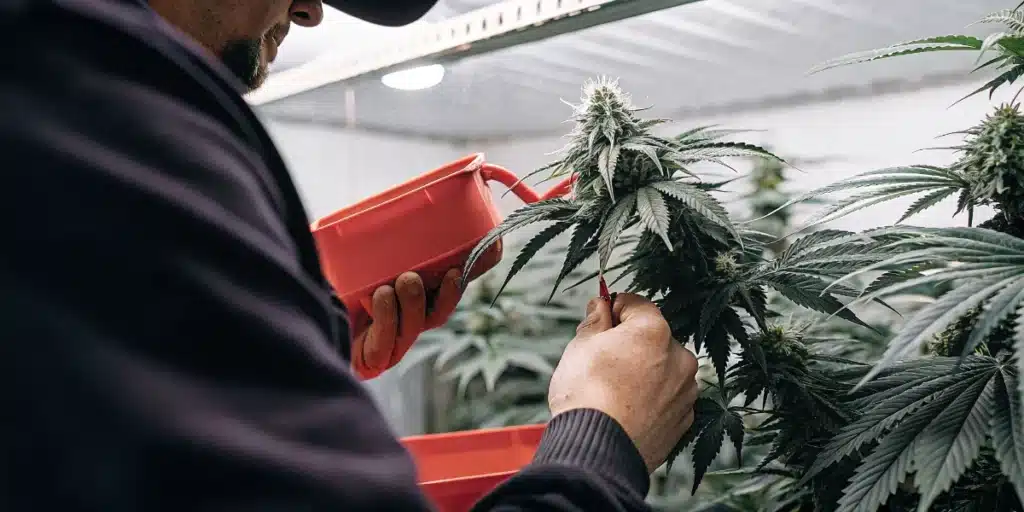
Optimal Timing for Cal-Mag Use: Cease Cal-Mag supplementation approximately 2 to 3 weeks before harvest, gradually reducing the dosage from week 6 of flowering. This helps avoid nutrient accumulation that can lead to harsh smoke and undesirable taste. However, if you are cultivating in coco coir, maintain full strength throughout the flowering phase for best results.
Maximizing the quality of your cannabis buds involves mastering the nuances of nutrient management, particularly Cal-Mag. This supplement is crucial during the flowering stage, but knowing when to taper off is key. Terpene profiles and flowering duration can be significantly impacted by nutrient timing, influencing both aroma and potency.
Recommended Strains
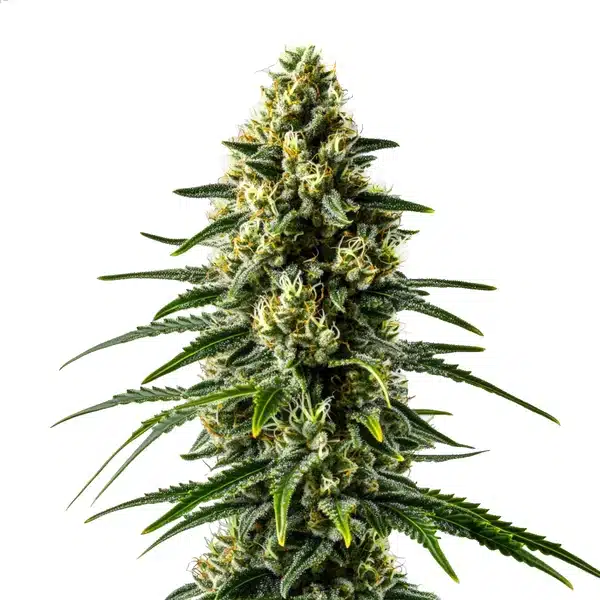
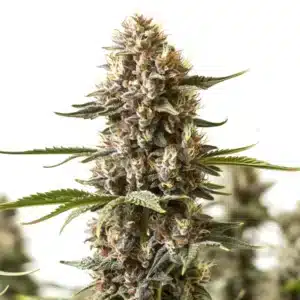
Lemon Haze Fast Version

|
THC | 16% - 20% (Medium) |

|
Type | Fast Flowering |

|
Yield | High |

|
Phenotype | 60% Indica / 40% Sativa |

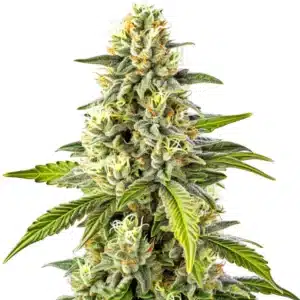
Banana Kush
|
|
THC | 17% - 21% (Medium) |
|
|
Type | Feminized |
|
|
Yield | High |
|
|
Phenotype | 60% Indica / 40% Sativa |
Cal-Mag and Its Role in Flowering
What is Cal-Mag?
Cal-Mag is a nutrient supplement containing calcium and magnesium, essential for cannabis growth. These elements support cell wall structure and chlorophyll production, crucial for photosynthesis. During flowering, cannabis plants demand increased calcium and magnesium to support bud development and prevent deficiencies that can stunt growth.
Calcium deficiencies often manifest as distorted leaves and reduced bud size, while magnesium shortages can lead to interveinal chlorosis. Growers typically maintain a nutrient solution with a calcium concentration of 150-200 ppm and magnesium at 50-70 ppm to ensure healthy plant development.
Importance of Cal-Mag in Flowering
During flowering, the demand for calcium and magnesium increases as plants focus energy on bud production. These nutrients prevent common issues such as blossom end rot and support the plant’s immune system, reducing susceptibility to pests and diseases.
Experienced cultivators note that maintaining a balanced Cal-Mag ratio can enhance resin production, critical for strains like GG4 known for its high resin content. This balance is vital for achieving optimal yields of 1.5-2 oz/ft² (450-600 g/m²) indoors.
Promos & Deals
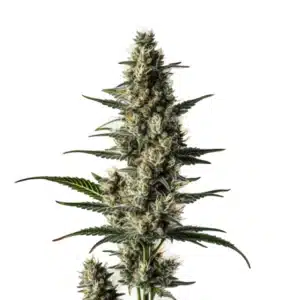
When to Stop Cal-Mag in Flowering
General Guidelines for Stopping Cal-Mag
It’s generally recommended to stop Cal-Mag supplementation 2 to 3 weeks before harvest. This timing helps prevent nutrient buildup, which can compromise the taste and harshness of the final product. Gradually reducing the dosage from week 6 of flowering allows plants to naturally deplete excess nutrients.
Many cultivators share that this reduction helps in achieving smoother smoke and better flavor profiles, particularly in strains with complex terpene profiles like Lemon Haze Fast Version.
When to Stop Cal-Mag in Coco
In coco coir, it’s recommended to taper off Cal-Mag gradually, starting around week 6 of flowering. Coco coir can retain calcium and magnesium, so maintaining full strength until the final weeks ensures plants receive adequate nutrition without deficiencies.
Growers using coco often report needing to adjust pH levels to 5.8-6.0 to optimize nutrient uptake, as coco can alter the availability of calcium and magnesium.
| Feature | GG4 | Lemon Haze Fast Version | Banana Kush |
|---|---|---|---|
| THC Content | 27% | 16-20% | 17-21% |
| Dominant Terpene | Humulene | Limonene | Myrcene |
| Yield (Indoor) | 1.64 – 1.97 oz/ft² | 500 – 600 g/m² | 1.47 – 2.13 oz/ft² | 450 – 650 g/m² | 1.67 oz/ft² | 510 g/m² |
| Flowering Time | 8-10 weeks | 9 weeks | 8-9 weeks |
| Effect | Happy, Relaxed, Talkative | Calming, Relaxed, Sedative | Calming, Happy, Relaxed |
Adjusting Cal-Mag Use Based on Growing Medium
When to Use Cal-Mag in Soil
In soil, Cal-Mag is crucial during early flowering but should be reduced as harvest approaches. Soil retains nutrients longer than coco, so over-supplementation can lead to lockout issues. Monitoring soil pH to remain between 6.0-7.0 is essential for optimal nutrient absorption.
Many cultivators share that adjusting Cal-Mag in soil ensures robust bud development without nutrient burn, particularly in strains like Banana Kush known for its rich terpene profile.
Identifying and Correcting Cal-Mag Deficiency
A deficiency during flowering can result in yellowing leaves and reduced bud quality. While more common in veg, a deficiency can persist into flowering if not addressed. Correcting it involves adjusting nutrient levels and ensuring proper pH balance.
Week 6 is critical for noticing and correcting deficiencies to ensure optimal bud development. Growers often increase Cal-Mag supplementation to 150-200 ppm during this period to counteract any deficiencies.
Professional Tips for Cal-Mag Use
- Maintain 58-62% RH during curing to preserve terpene profiles. Below 55% arrests development; above 65% promotes mold.
- Monitor pH levels closely; coco requires 5.8-6.0, while soil needs 6.0-7.0 for optimal nutrient uptake.
- Gradually reduce Cal-Mag from week 6 to prevent harsh smoke. This helps in achieving smoother flavors.
- Ensure calcium levels are at 150-200 ppm and magnesium at 50-70 ppm during flowering for healthy growth.
- Avoid over-supplementation in soil to prevent nutrient lockout and maintain a balanced nutrient profile.
- Use a calibrated digital hygrometer to monitor humidity levels accurately during the curing process.

FAQs on Cal-Mag Usage in Flowering
What happens if you use too much CalMag?
Excessive Cal-Mag can lead to nutrient lockout, where plants cannot absorb other essential nutrients like potassium and phosphorus. This can cause stunted growth and poor bud development. It’s crucial to maintain balanced nutrient levels, typically with calcium at 150-200 ppm and magnesium at 50-70 ppm during flowering.
What week do buds fatten the most?
Buds typically fatten the most between weeks 6 and 8 of flowering. During this period, plants focus energy on bud production, and ensuring optimal nutrient levels, including Cal-Mag, is crucial. Many growers report that maintaining proper nutrient balance during this time enhances yield and bud density.
How to treat cal mag deficiency in flower?
To treat Cal-Mag deficiency during flowering, increase calcium and magnesium levels to 150-200 ppm and 50-70 ppm, respectively. Adjust pH levels to ensure nutrient uptake, with coco requiring 5.8-6.0 and soil 6.0-7.0. Monitor plants closely for improvement and adjust nutrient solutions as needed.
Should I use CalMag every watering?
Using Cal-Mag at every watering depends on your growing medium. In coco, frequent supplementation is necessary due to its nutrient retention properties. In soil, less frequent use is advised to prevent nutrient buildup. Always monitor plant response and adjust based on specific needs and growth stages.
What are the signs of Cal-Mag deficiency in flowering?
Signs of Cal-Mag deficiency during flowering include yellowing leaves, interveinal chlorosis, and stunted bud growth. Ensuring calcium levels are at 150-200 ppm and magnesium at 50-70 ppm can prevent these issues. Regularly checking pH levels and adjusting nutrient solutions is also crucial for healthy plant development.