How to Manage Nute Burn Late in Flowering

Nute burn late in flowering: This issue can severely affect cannabis yield and quality. Symptoms like yellowing leaves and burnt tips are common indicators. Adjusting nutrient levels promptly is crucial to restore plant health and optimize bud production. Many cultivators report that maintaining balanced nutrient levels during the flowering stage is vital for achieving optimal results.
During the late flowering stage, cannabis plants are at their peak in terms of terpene production, which significantly influences aroma and flavor. This period demands precise nutrient management to prevent issues like nute burn. Flowering times can vary, but most strains complete this phase in 8-10 weeks, making timely interventions crucial for quality harvests.
Recommended Strains

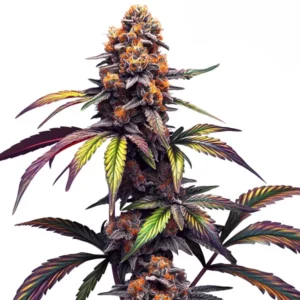
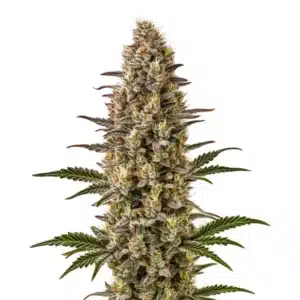
Red Skunk Kush

|
THC | 14% - 18% (Medium) |

|
Type | Feminized |

|
Yield | Low |

|
Phenotype | 70% Indica / 30% Sativa |
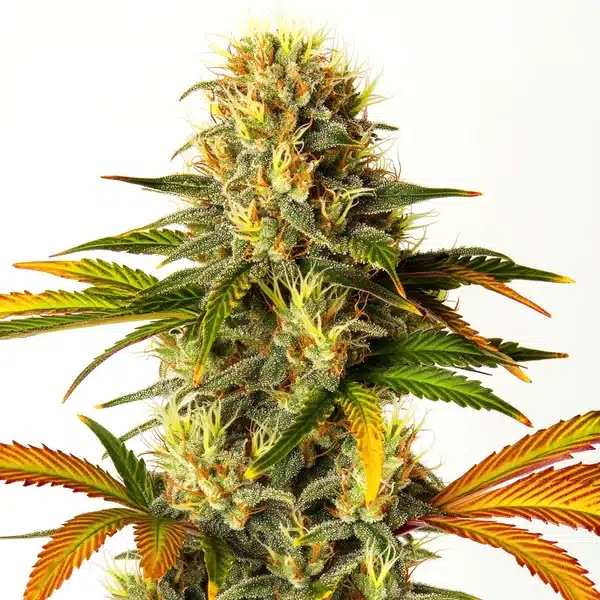
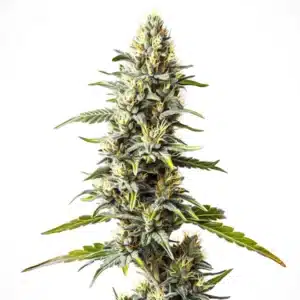
Steve's Hellfire OG
|
|
THC | 20% (Medium) |
|
|
Type | Feminized |
|
|
Yield | Medium |
|
|
Phenotype | 50% Indica / 50% Sativa |
Nute Burn Late in Flowering: Key Insights
Symptoms of Nute Burn on Leaves
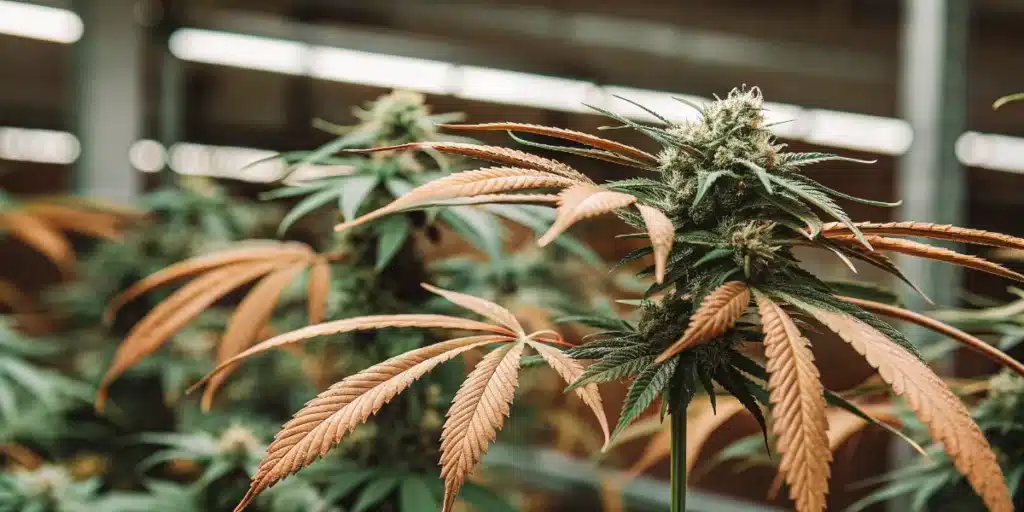
Nute burn on leaves often manifests as yellowing and browning edges, with tips appearing burnt. This is a direct result of excess nutrients, particularly nitrogen, which disrupts normal plant processes. Experienced growers report that this condition can lead to stunted growth and reduced bud quality if not addressed promptly.
In late flowering, nutrient burn pictures often show leaves with crispy edges and a downward curl. These symptoms are more pronounced as the plant focuses energy on bud development. Monitoring nutrient levels is crucial to prevent further damage and ensure healthy growth.
Nutrient Burn on Plants
Nutrient burn impacts the entire plant, not just the leaves. The growing community has communicated that excessive nutrient levels can lead to root damage, affecting water and nutrient uptake. This can cause wilting, reduced bud size, and compromised potency.
To mitigate nutrient burn, many cultivators share the importance of flushing the medium with pH-balanced water. This process helps remove excess nutrients, allowing the plant to recover and focus on bud production during the critical late flowering stage.
Promos & Deals


How to Fix Nute Burn During Flowering
Step-by-Step Guide to Remedy Nute Burn
To fix nutrient burn during flowering, start by flushing the growing medium with water at a pH of 6.0-6.5. This helps remove excess salts and nutrients. Adjust the nutrient solution to a lower concentration, focusing on a balanced N:P:K ratio of 1:3:2 to support flowering.
Monitor the plant’s response over the next 48-72 hours. If symptoms persist, consider adjusting the light intensity to reduce stress. Most growers recommend maintaining an optimal PPFD of 800-1000 µmol/m²/s during this period.
Nutrient Burn Fix
Fixing nutrient burn involves more than just adjusting nutrient levels. It requires a comprehensive approach, including monitoring environmental factors like humidity and temperature. Maintaining a relative humidity of 40-50% and temperatures between 68°F – 77°F (20°C – 25°C) can aid in recovery.
Experienced growers report that using a digital hygrometer and thermometer helps track these parameters accurately. Avoid overwatering, as this can exacerbate root issues and delay recovery.
Nute Burn vs Deficiency: Key Differences
Nutrient Burn Pictures vs Nute Burn
Nutrient burn and deficiencies can appear similar but have distinct differences. Nutrient burn pictures typically show uniform leaf damage, while deficiencies often present as patchy discoloration. Identifying these differences is crucial for effective treatment.
In nutrient deficiencies, specific nutrients like magnesium or calcium are lacking, leading to distinct symptoms like interveinal chlorosis. Knowing these nuances helps in applying the correct remedy, ensuring the plant receives the necessary nutrients for optimal growth.
Practical Application & Impact
Addressing nutrient issues promptly can significantly impact plant health and yield. Master growers have pointed out that adjusting nutrient solutions based on plant response is essential. Regular monitoring and adjustments prevent long-term damage and ensure a successful harvest.
Utilizing tools like EC meters to measure nutrient concentration helps maintain optimal levels. This proactive approach minimizes the risk of nutrient burn and deficiencies, promoting healthy plant development.
| Feature | Mamba Negra CBG | Steves Hellfire Og | Red Skunk Kush |
|---|---|---|---|
| THC Content | 0% | 20% | 14-18% |
| Dominant Terpene | Myrcene | Limonene | Caryophyllene |
| Yield | Low | Medium | Low |
| Flowering Time | 8-10 weeks | 8-10 weeks | 7-8 weeks |
| Effect | Creative, Euphoric, Uplifted | Happy, Relaxed, Talkative | Creative, Energetic, Uplifted |
Preventing Nute Burn in Autoflower Strains
Specific Strategies for Autoflowers
Autoflower strains are particularly sensitive to nutrient levels due to their short lifecycle. To prevent nutrient burn autoflower issues, it’s essential to use a diluted nutrient solution, typically at half the strength of photoperiod strains. This helps avoid overfeeding, which can lead to nutrient burn and stunted growth.
Experienced growers recommend starting with a light feeding schedule, gradually increasing as the plant shows signs of healthy growth. Monitoring leaf color and growth patterns can provide early indicators of nutrient issues, allowing for timely adjustments.
Expert Tips for Autoflower Cultivation
Autoflowers require a unique approach to nutrient management. Master growers have pointed out the importance of using a well-balanced soil mix with organic amendments. This provides a steady supply of nutrients without the risk of overfeeding.
Ensuring proper drainage and aeration in the growing medium is crucial. Many cultivators share that using fabric pots can improve root health and prevent issues like root rot late flowering, which can exacerbate nutrient burn symptoms.
Addressing Root Rot Late in Flowering
Identifying Root Rot Symptoms
Root rot in late flowering is a serious issue that can compound the effects of nutrient burn. Symptoms include yellowing leaves, wilting, and a foul odor from the root zone. These signs indicate poor root health, often caused by overwatering and lack of oxygen.
To prevent root rot, maintain proper watering schedules and ensure adequate drainage. The growing community has communicated that using a soil moisture meter can help avoid overwatering, a common cause of root rot.
Preventative Measures and Solutions
To address root rot, it’s essential to improve root zone conditions. This includes increasing aeration and using beneficial microbes to enhance root health. Experienced growers report that applying a root inoculant can help combat pathogens and promote healthy root development.
Regularly inspecting the root zone for signs of rot and adjusting environmental conditions can prevent further damage. Maintaining a temperature range of 68°F – 75°F (20°C – 24°C) and a humidity level of 50-60% creates an optimal environment for root health.
Professional Tips for Managing Nute Burn
- Maintain a nutrient solution pH of 6.0-6.5 to ensure optimal nutrient uptake and prevent nute burn.
- Use a digital EC meter to monitor nutrient concentration, keeping levels between 1.2-1.8 EC during flowering.
- Flush the growing medium with pH-balanced water if signs of nutrient burn appear, allowing the plant to recover.
- Adjust light intensity to 800-1000 µmol/m²/s to reduce plant stress and promote healthy growth.
- Monitor environmental conditions, maintaining temperatures between 68°F – 77°F (20°C – 25°C) and humidity at 40-50%.
- Utilize fabric pots to improve root aeration and prevent root rot, a common issue in late flowering stages.
FAQ
How can I fix nutrient burn in late flowering stages?
To fix nutrient burn in late flowering, flush the medium with pH-balanced water to remove excess nutrients. Adjust the nutrient solution to a lower concentration, focusing on a balanced N:P:K ratio of 1:3:2. Monitor plant response and environmental conditions to ensure recovery and optimal bud development.
Is it possible to recover quality buds after experiencing nute burn?
Yes, recovery is possible if addressed promptly. By flushing excess nutrients and adjusting feeding schedules, plants can recover. Ensuring optimal environmental conditions and monitoring plant health can lead to quality bud production despite initial nutrient burn symptoms.
Is defoliation advisable during late flowering stages?
Defoliation in late flowering is generally discouraged as it can stress the plant. However, removing dead or severely damaged leaves may be beneficial. Ensure any defoliation is minimal and performed carefully to avoid impacting bud development and overall plant health.
During which week do cannabis buds typically gain the most weight?
Cannabis buds typically gain the most weight during weeks 6-8 of flowering. During this period, the plant focuses energy on bud development, leading to increased size and density. Providing optimal nutrient levels and environmental conditions is crucial for maximizing bud growth.
What are the signs of root rot in late flowering?
Signs of root rot in late flowering include yellowing leaves, wilting, and a foul odor emanating from the root zone. These symptoms indicate poor root health, often caused by overwatering and lack of oxygen. Addressing these issues promptly is essential for plant recovery.