When to Plant Seeds in Michigan: A Complete Guide

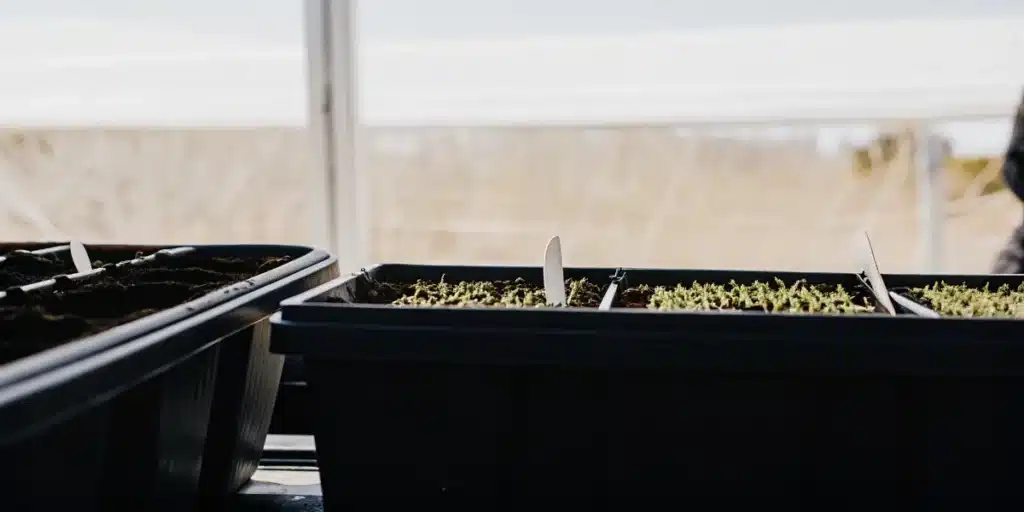
Michigan Planting Zones: In Michigan, the timing for planting seeds is influenced by your hardiness zone, which ranges from 4a in the Upper Peninsula to 6b around Metro Detroit. These zones determine the optimal planting times for various seeds, ensuring they thrive in the local climate conditions. Knowing your specific zone helps in planning a successful garden.
In Michigan, the planting season is shaped by the state’s diverse climate zones, spanning from 4a to 6b. This variance affects when you should start your seeds, particularly considering the last frost dates. Leveraging resources like the Michigan State University Extension can provide tailored guidance for your specific area, ensuring a fruitful garden.
Recommended Strains

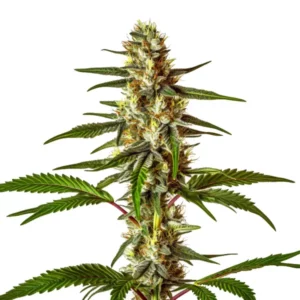
Blueberry Fast Version

|
THC | 15% - 24% (High) |

|
Type | Fast Flowering |

|
Yield | High |

|
Phenotype | 60% Indica / 40% Sativa |
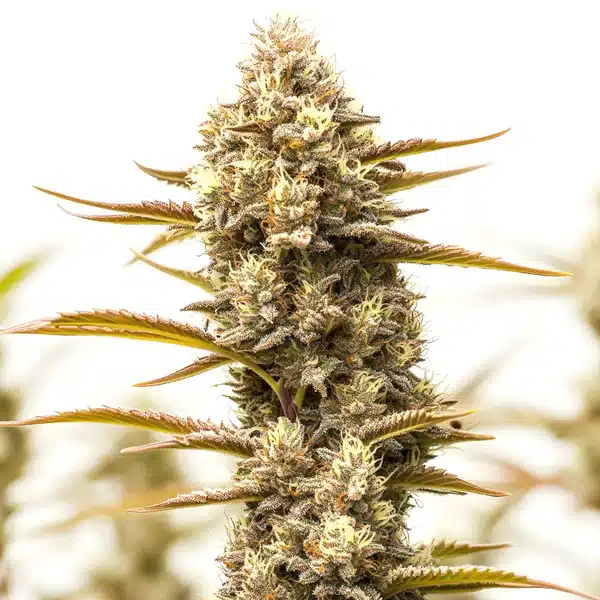
Northern Lights x Blueberry Auto
|
|
THC | 16% - 18% (Medium) |
|
|
Type | Autoflowering |
|
|
Yield | High |
|
|
Phenotype | 75% Indica / 25% Sativa |
Michigan’s Gardening Zones
How Hardiness Zones Affect Planting
Michigan’s gardening zones range from 4a to 6b, each with unique climate characteristics that influence planting schedules. Zone 4a, found in the Upper Peninsula, experiences cooler temperatures with a shorter growing season, while Zone 6b, near Metro Detroit, enjoys a milder climate with a longer growing period. This variation is crucial for determining when to plant seeds in Michigan.
For instance, Zone 4a typically sees the last frost around mid-May, whereas Zone 6b might experience it as early as late April. This difference of approximately two weeks can significantly impact the success of your crops, as planting too early or too late may lead to poor germination or frost damage.
Practical Application & Impact
Knowing your specific zone helps in planning your planting calendar effectively. For example, utilizing a Zone 6a vegetable planting schedule PDF can provide detailed guidance on when to sow different seeds. This ensures that your plants have the best chance to thrive by aligning with the natural climate conditions.
Experienced growers often use this information to time their planting, avoiding common mistakes like planting too early in a colder zone. This strategic planning can lead to healthier plants and higher yields.
Promos & Deals



When to Plant Seeds in Michigan
Factors to Consider
When determining when to plant seeds in Michigan, consider factors such as soil temperature, frost dates, and the type of seed. Soil temperature should be at least 50°F (10°C) for most seeds to germinate effectively. Additionally, knowing the Michigan gardening zone can help you anticipate the last frost date, which is crucial for planning.
Our guide includes a Michigan planting calendar for 2026, which provides specific dates for planting various crops. This calendar is a valuable tool for aligning your planting activities with the local climate, ensuring optimal growth conditions.
Customized Planting Calendar by ZIP Code
To discover what you can plant now, check your specific ZIP code. A vegetable planting calendar by ZIP code offers tailored advice, helping you make informed decisions about what to plant and when. This approach accounts for microclimates and variations within the state.
Using this method, you can avoid planting errors that could lead to poor crop performance. It ensures that your planting schedule is as precise as possible, maximizing your garden’s potential.
Planting Specific Crops in Michigan
When to Plant Potatoes in Michigan
For potatoes, the optimal planting time in Michigan is typically two to four weeks before the last expected frost date. In Zone 5, this means planting around late April to early May. Potatoes require cool weather to establish before the summer heat sets in, ensuring robust growth.
Planting potatoes too late can result in reduced yields, as the plants may not have enough time to mature before the heat of summer. Ensure your soil is well-drained and rich in organic matter to support healthy tuber development.
When to Plant Watermelon in Michigan
Watermelons thrive when planted at the right time in Michigan. Typically, you should plant watermelon seeds after the last frost date, when soil temperatures consistently reach 70°F (21°C). This usually occurs in late May or early June in most parts of Michigan.
Planting watermelons too early can lead to poor germination and weak plants. Ensure your soil is warm and well-drained, as watermelons require ample sunlight and heat to flourish.
Seasonal Planting Guide
What to Plant in October in Michigan
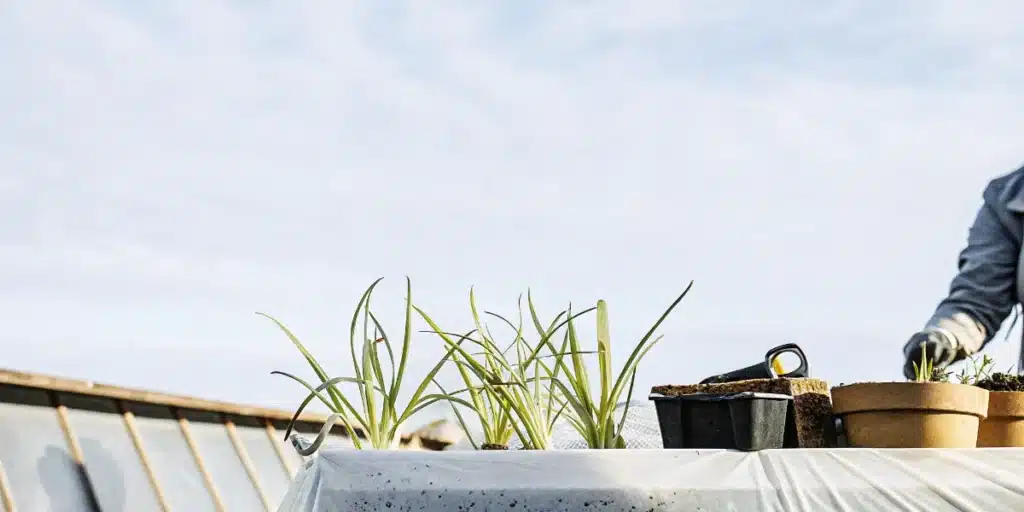
October in Michigan is ideal for planting garlic and cover crops. Garlic should be planted before the ground freezes, allowing it to establish roots before winter. Cover crops, such as clover or rye, can improve soil health and prevent erosion during the off-season.
Planting these crops in October helps prepare your garden for the next growing season, enhancing soil fertility and structure. This proactive approach can lead to better yields in the following year.
Year-Round Planting Tips
For year-round gardening success, maintain a detailed seed planting calendar. This ensures you plant at the right times throughout the year, taking advantage of Michigan’s distinct seasons. Regularly update your calendar to reflect changes in climate and local conditions.
By following a structured planting schedule, you can avoid common pitfalls such as planting too early or late, which can affect crop health and yield. Consistent monitoring and adaptation are key to successful gardening in Michigan.
| Feature | GG4 | Blueberry Fast Version | Northern Lights X Blueberry Auto |
|---|---|---|---|
| THC Content | 27% | 15-24% | 16-18% |
| Flowering Time | 8-10 weeks | 6-7 weeks | 8-10 weeks |
| Yield (Indoor) | 1.64 – 1.97 oz/ft² | 500 – 600 g/m² | 1.97 oz/ft² | 600 g/m² | 1.47 – 1.8 oz/ft² | 450 – 550 g/m² |
| Dominant Terpene | Myrcene | Pinene | Caryophyllene |
| Effect | Happy, Relaxed, Talkative | Calming, Relaxed, Sedative | Aroused, Energetic, Relaxed |
Professional Tips for Planting in Michigan
- Ensure soil temperature is above 50°F (10°C) before planting. Cold soil can hinder seed germination.
- Use a seed planting calendar to track optimal planting times. This prevents planting too early or late.
- Monitor local frost dates closely. Planting after the last frost ensures seedlings aren’t damaged.
- Amend soil with organic matter to improve fertility and drainage. This supports robust plant growth.
- Consider microclimates when planning your garden. They can affect planting times and success.
- Regularly update your planting calendar based on weather patterns. This ensures timely planting adjustments.
Frequently Asked Questions
When should you start your seeds in Michigan?
Start your seeds indoors about six to eight weeks before the last expected frost date. In Michigan, this typically means starting seeds in late February to early March. This timing allows seedlings to be transplanted outdoors when the soil warms up, ensuring a strong start to the growing season.
What is the 70 30 rule for gardening?
The 70 30 rule in gardening suggests that 70% of your garden should be planted with reliable, easy-to-grow crops, while 30% can be experimental or new varieties. This balance helps ensure a successful harvest while allowing for some diversity and experimentation in your garden.
What can you plant in October in Michigan?
In October, you can plant garlic and cover crops like clover or rye in Michigan. Garlic should be planted before the ground freezes, allowing it to establish roots. Cover crops improve soil health and prevent erosion, preparing your garden for the next growing season.
What seeds can I plant in October?
October is ideal for planting garlic and cover crops. Garlic needs time to establish before winter, while cover crops like rye or clover enhance soil health. These crops prepare your garden for spring planting, improving soil fertility and structure over the winter months.
How does the 70 30 rule apply to planting in Michigan?
In Michigan, the 70 30 rule helps balance your garden with 70% reliable crops and 30% experimental varieties. This strategy ensures a stable yield while allowing for some innovation and adaptation to local conditions, optimizing your gardening efforts.