Proven Soil pH Levels That Reduce Cadmium Uptake in Plants

Soil pH plays a critical role in the uptake of cadmium by plants, and maintaining the right pH can be a game-changer. If you’re growing cannabis, knowing what soil pH reduces cadmium uptake in plants can protect your crop and ensure healthy growth. The optimal soil pH to lower cadmium uptake is generally between 6.5 and 7.5. This range can effectively minimize the absorption of cadmium, a heavy metal that can be harmful to plants and humans alike.
For cannabis growers, this means that keeping your soil within this pH range can significantly reduce the risk of cadmium contamination. Cadmium can enter the plant through the roots, and having the right soil pH serves as a barrier, preventing excessive uptake. Adjusting soil pH isn’t just about protecting your plants; it’s about ensuring the safety and quality of your harvest.
Recommended Strains
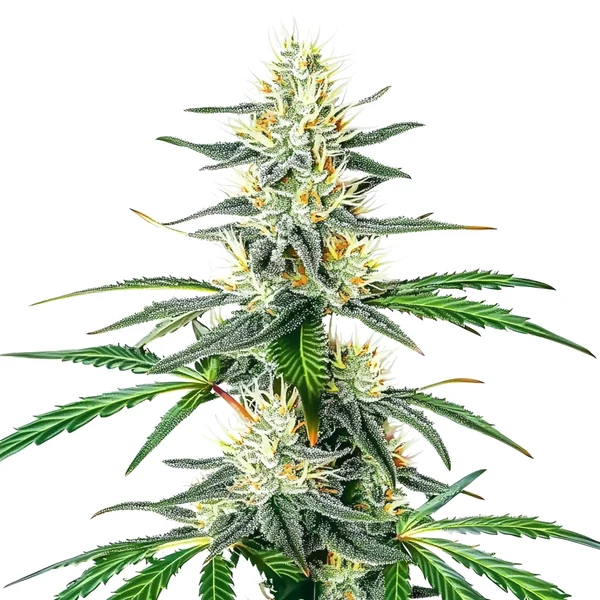
Dama Blanca

|
THC | 18% - 20% (Medium) |

|
Type | Feminized |

|
Yield | Medium |

|
Phenotype | 45% Indica / 55% Sativa |

Moby Dick
|
|
THC | 24% - 27% (High) |
|
|
Type | Feminized |
|
|
Yield | High |
|
|
Phenotype | 40% Indica / 60% Sativa |
Take Dama Blanca by Blimburn Seeds, for example. This strain thrives in a well-maintained pH environment. If you’re aiming for a successful crop, maintaining a soil pH of around 6.8 can make a noticeable difference in cadmium uptake, ensuring your plants stay healthy and potent.
How Soil pH Affects Cadmium Absorption in Plants
Soil pH is a measure of how acidic or alkaline the soil is, and understanding what soil pH reduces cadmium uptake in plants is essential for safe crop production. This factor directly affects how nutrients and metals like cadmium are absorbed by plants. In more acidic soils, cadmium becomes more soluble, which means plants can absorb it more easily. Therefore, knowing how to manage soil conditions and adjust pH levels to minimize cadmium in crops is crucial for improving food safety and soil health.
Raising the soil pH to a more neutral or slightly alkaline level can reduce the solubility of cadmium. This is because cadmium forms insoluble compounds in alkaline conditions, making it less available for plant uptake. For cannabis growers, this means better control over the quality and safety of their plants. Strains such as GG4 from Blimburn Seeds benefit greatly from careful pH management, as it helps in maintaining the plant’s vigor and yield.
The effect of soil pH on cadmium absorption is profound, as the delicate balance of pH levels can alter the bioavailability of nutrients and metals in the soil. This is why knowing how soil pH affects cadmium absorption in plants is essential for any grower aiming to produce a high-quality crop. By keeping the pH within the optimal range, you not only safeguard your plants from harmful metals but also enhance their overall health and productivity.
Moreover, achieving the optimal soil pH to lower cadmium uptake involves regular testing and monitoring. For those serious about their cannabis cultivation, investing in reliable pH meters and testing kits can provide the insights needed to maintain the right conditions. This proactive approach not only helps in reducing cadmium uptake but also ensures that your cannabis plants receive the nutrients they need for growth and development.
Effect of Alkaline Soil pH on Cadmium Uptake
An alkaline soil pH can significantly impact plant cadmium uptake reduction. When the soil pH is above 7.0, cadmium binds with hydroxide ions to form insoluble compounds. This reaction helps in keeping cadmium locked in the soil, rather than being absorbed by the plant roots. This is why many experienced growers focus on maintaining a slightly alkaline environment, especially when growing sensitive crops like cannabis.
For practical application, regular soil testing can help in maintaining the desired pH level. If your soil is too acidic, consider using lime to raise the pH. This not only helps in reducing cadmium uptake but also enhances the overall nutrient availability for your plants. Moby Dick, another popular strain from Blimburn Seeds, showcases improved growth when kept in optimally pH-balanced soil.
Knowing the effect of alkaline soil pH on cadmium uptake is vital for any grower looking to optimize their crop’s health and yield. By maintaining an alkaline environment, you can effectively reduce the mobility of cadmium, thereby minimizing its uptake by the plants. This strategy not only protects the plants from potential toxicity but also ensures that they can thrive in a nutrient-rich environment.
Additionally, maintaining an alkaline soil environment can positively influence the microbial activity in the soil. Beneficial microbes thrive in these conditions, enhancing nutrient cycling and availability for the plants. This holistic approach to managing soil pH can lead to a more resilient and productive crop, particularly for pH-sensitive strains like those offered by Blimburn Seeds.
Promos & Deals

Soil pH Adjustment to Minimize Cadmium in Crops
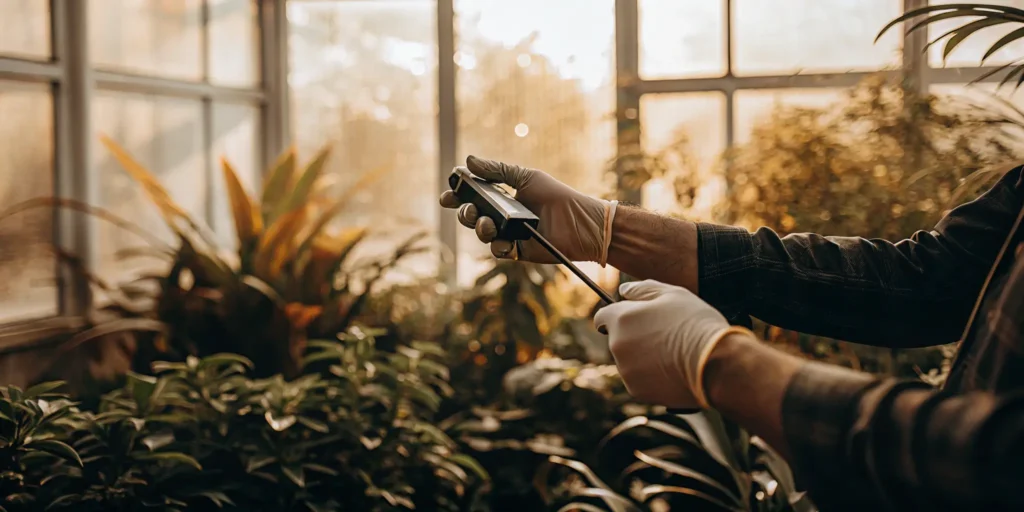
Adjusting soil pH is a practical step that every grower can take to minimize cadmium uptake. Knowing what soil pH reduces cadmium uptake in plants is key to making the right adjustments. The process involves testing your soil pH regularly and applying the necessary amendments. Lime is commonly used to raise pH, while sulfur can help lower it if needed. Keeping your soil within the optimal range not only reduces cadmium uptake but also supports better nutrient absorption, making it a crucial practice for healthy plant development.
For those growing cannabis, this adjustment is even more crucial. Cannabis plants are known to be sensitive to pH levels, and even slight variations can affect growth and yield. With strains like “Sour Diesel” from Blimburn Seeds, maintaining the right pH can lead to a more potent and healthier crop. Remember, the goal is to keep the pH balanced while ensuring your plants have all the nutrients they need.
Implementing soil pH adjustment to minimize cadmium in crops involves a combination of testing, monitoring, and amending the soil. Growers should aim to create a balanced environment where the soil pH remains stable throughout the growing season. This stability not only minimizes cadmium uptake but also ensures that the plants receive a steady supply of essential nutrients.
The benefits of optimizing soil pH extend beyond reducing cadmium levels. By maintaining the optimal pH range, growers can enhance the overall health and vitality of their plants. This approach leads to improved growth rates, higher yields, and better-quality produce, making it an essential practice for any serious cultivator. With the right soil pH, you can unlock the full potential of your cannabis strains and achieve a successful harvest.
- Test soil pH regularly using a reliable pH meter.
- Use lime to raise the pH if your soil is too acidic.
- Consider adding organic matter to improve soil structure and pH balance.
- Monitor the specific needs of your cannabis strains for optimal growth.
- Keep detailed records of your soil pH adjustments and plant responses.
Real-Life Examples of Adjusting Soil pH
Many growers have shared their success stories of how adjusting soil pH has improved their crop quality. By targeting a pH range of 6.5 to 7.5, they noticed a significant reduction in cadmium uptake. This not only made their cannabis safer but also enhanced the overall potency and flavor profile of the strains.
One grower noted that after adjusting the pH for their Dama Blanca crop, they saw more robust growth and less yellowing of leaves, which often indicate nutrient imbalances. Another reported that their GG4 plants were more resilient and produced a higher yield once the soil pH was corrected.
These real-life examples underscore the importance of soil pH management in achieving plant cadmium uptake reduction. By fine-tuning the pH levels, growers have successfully mitigated the risks associated with heavy metal absorption, leading to healthier and more productive plants. This practice not only safeguards the crop but also contributes to a more sustainable and environmentally friendly approach to cultivation.
Furthermore, these success stories highlight the adaptability of different cannabis strains to pH adjustments. With the right management techniques, growers can cater to the specific needs of each strain, ensuring optimal growth conditions. By knowing what soil pH reduces cadmium uptake in plants, cultivators can make informed decisions that enhance the quality and safety of their harvest.
FAQs about what soil pH reduces cadmium uptake in plants
What is the best way to test soil pH?
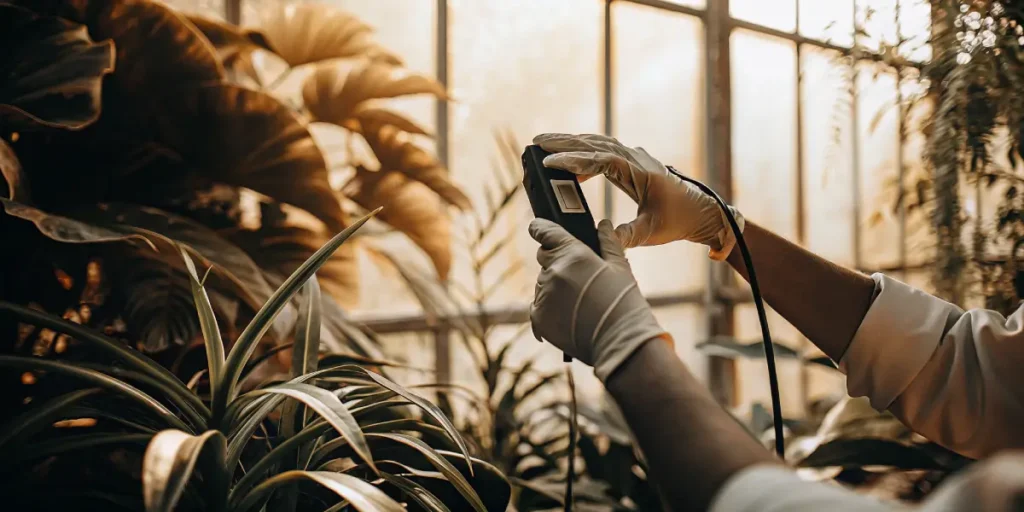
Testing soil pH is straightforward with the right tools. A digital pH meter is a reliable option that provides accurate readings. Simply insert the probe into the soil, and within seconds, you’ll have your soil pH level. For more precision, consider testing multiple areas of your garden to account for any variations.
If you don’t have a digital pH meter, pH testing kits are available at most gardening stores. These kits typically use a color-changing solution that reacts with your soil sample, giving you a visual indication of your soil’s pH. While not as precise as digital meters, they’re a good starting point for those new to soil testing.
For growers seeking precision in their cultivation practices, investing in a high-quality digital pH meter can provide the consistent accuracy needed for optimal soil pH management. Regular calibration of the meter ensures that readings remain reliable, allowing for timely adjustments to maintain the desired pH balance.
Additionally, soil testing should be conducted periodically throughout the growing season. This ongoing monitoring helps in identifying any shifts in soil pH that could impact nutrient availability and cadmium uptake. By staying proactive, growers can maintain a healthy growing environment that supports robust plant development.
How often should I adjust my soil pH?
Regular monitoring is key to maintaining optimal soil pH. It’s recommended to test your soil every few weeks, especially during the growing season. This ensures that any fluctuations are caught early, allowing you to make necessary adjustments before they impact your plants.
For cannabis growers, keeping a close eye on soil pH is crucial. Even minor changes can affect plant growth and cadmium uptake. By staying vigilant, you can maintain a stable environment where your plants can thrive.
The frequency of soil pH adjustment may vary depending on several factors, including the type of soil, weather conditions, and the specific requirements of the cannabis strains being cultivated. It’s important to develop a routine testing schedule that aligns with the unique conditions of your growing environment.
Besides to regular testing, growers should also pay attention to the visual cues provided by their plants. Signs of stress or nutrient deficiencies can indicate a need for pH adjustment. By responding promptly to these signals, you can ensure that your crop remains healthy and productive throughout the growing cycle.
What are the signs of improper soil pH in cannabis plants?
Signs of improper soil pH in cannabis plants can manifest as nutrient deficiencies. Common symptoms include yellowing leaves, stunted growth, and poor yields. These issues often arise because an incorrect pH level can lock out essential nutrients, preventing them from being absorbed by the plant.
If you notice these symptoms, testing your soil pH should be your first step. Once you’ve identified the pH imbalance, you can take corrective measures, such as adding lime or sulfur, to bring your soil back to the optimal range.
Other indicators of improper soil pH may include leaf curling, necrotic spots on the leaves, and an overall lack of vigor in the plants. These symptoms can significantly impact the quality and yield of your cannabis crop if left unaddressed.
By knowing how soil pH affects cadmium absorption in plants and recognizing the signs of imbalance, growers can take timely action to restore the ideal conditions for their plants. Addressing pH issues promptly not only enhances nutrient uptake but also reduces the risk of heavy metal contamination.
Can soil pH affect other heavy metals besides cadmium?
Yes, soil pH can influence the uptake of other heavy metals like lead and nickel. Just as with cadmium, these metals become more soluble in acidic conditions, increasing the risk of plant absorption. By maintaining a neutral to slightly alkaline pH, you can limit the availability of these metals to your plants.
For cannabis growers, this is particularly important as heavy metals can impact the safety and quality of the crop. By managing soil pH effectively, you not only reduce cadmium uptake but also protect your plants from other potential contaminants.
In addition to lead and nickel, other heavy metals such as arsenic and mercury can also be influenced by soil pH levels. These metals pose similar risks to plant health and human safety, making pH management a critical component of sustainable cultivation practices.
By implementing strategies for plant cadmium uptake reduction with soil pH, growers can create a safer and more controlled environment for their crops. This holistic approach not only benefits the plants but also contributes to a cleaner and healthier final product, enhancing consumer confidence and satisfaction.
What are the benefits of using Blimburn Seeds strains for pH-sensitive growing?
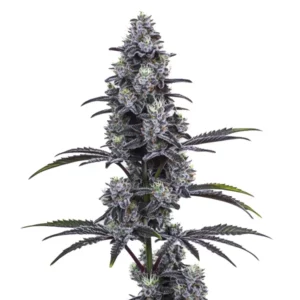
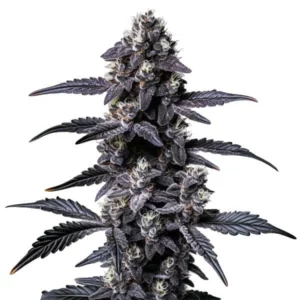
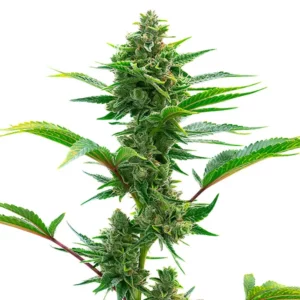
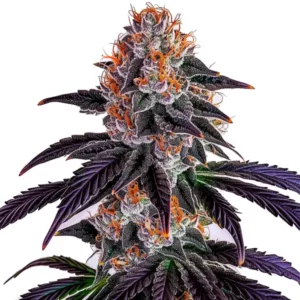
Blimburn Seeds offers a variety of cannabis strains that can thrive in meticulously managed soil conditions. These strains, such as Purple Star Killer HMC Edition, Cap Junky HMC Edition, and Scrambler Haze HMC Edition, are known for their robust growth and high yield when grown in optimal pH environments. This makes them ideal for growers focused on reducing cadmium uptake.
By selecting Blimburn Seeds strains, you’re choosing genetics that have been proven to respond well to pH adjustments. This not only enhances the quality of your harvest but also ensures that your plants remain healthy and resilient under varying conditions.
Choosing Blimburn Seeds strains for pH-sensitive growing provides growers with a reliable foundation for achieving consistent results. These strains have been bred to perform well in a range of environmental conditions, making them adaptable to different pH management strategies.
Moreover, utilizing Blimburn Seeds strains allows growers to focus on fine-tuning their cultivation techniques, knowing that the genetic potential of their plants is optimized for success. This focus on quality and adaptability makes Blimburn Seeds an excellent choice for cultivators aiming to reduce cadmium uptake and maximize their crop’s potential.