Expert Guide: How to Vet Fertilizers and Boosters for Hidden PGRs

Fertilizers and plant boosters are essential for cultivating healthy cannabis plants, but some products may contain hidden Plant Growth Regulators (PGRs) that could harm your crops. Knowing how to vet fertilizers and boosters for hidden PGRs is crucial for both new and experienced growers. PGRs can manipulate plant growth, resulting in denser buds but potentially at the cost of safety and flavor.
To protect your cannabis plants, it’s important to learn how to identify PGRs in fertilizers. These artificial chemicals, often disguised by complex names, may not be listed explicitly on the product label. Growers must be diligent in checking fertilizers for hidden PGRs to ensure a clean and natural harvest.
Recommended Strains

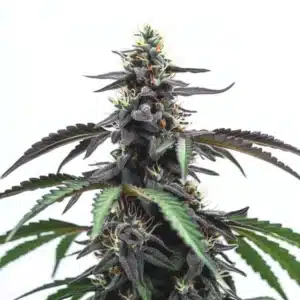
OG Kush

|
THC | 20% - 24% (High) |

|
Type | Feminized |

|
Yield | High |

|
Phenotype | 55% Indica / 45% Sativa |

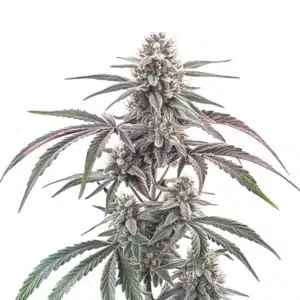
Blue Dream
|
|
THC | 17% - 24% (High) |
|
|
Type | Feminized |
|
|
Yield | High |
|
|
Phenotype | 50% Indica / 50% Sativa |
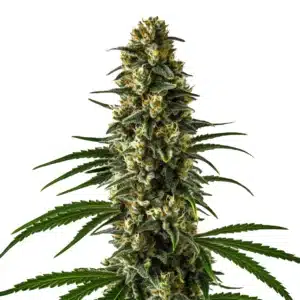
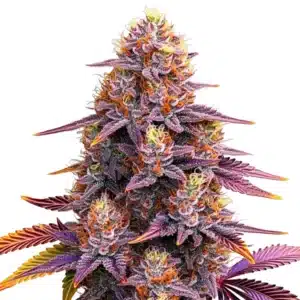
Consider real-life examples such as Blimburn Seeds’ strains like Blue Dream and Bruce Banner, which thrive best with natural growth enhancers. These strains showcase the importance of spotting PGRs in plant boosters to maintain their potent flavors and effects.
Analyzing Product Labels for PGR Content
To start detecting PGRs in gardening products, scrutinize the labels carefully. Manufacturers sometimes list PGRs under chemical names such as paclobutrazol or daminozide. If you come across unfamiliar ingredients, research their safety and effects on cannabis plants.
Always opt for products with transparent labeling. Brands that openly disclose all ingredients are more trustworthy. For instance, when evaluating fertilizers for your Blimburn Seeds OG Kush plants, ensure the components listed are safe and beneficial for cannabis cultivation.
Besides to reading labels, consider reaching out directly to manufacturers for detailed ingredient information. Companies committed to transparency will be willing to provide you with specific details about their products. This proactive approach in analyzing fertilizers for PGR content can prevent potential issues down the line.
Furthermore, stay informed about any regulatory changes regarding PGRs in your region. Regulatory bodies often update their guidelines on acceptable ingredients in fertilizers. Keeping abreast of these changes can aid in checking fertilizers for hidden PGRs, ensuring your cultivation practices remain compliant and safe.
Promos & Deals
Researching Ingredients Online
The internet is a valuable tool for analyzing fertilizers for PGR content. Conduct searches for each ingredient listed on the product label. Reliable sources and forums can offer insights into whether these ingredients are PGRs or benign compounds.
Experienced growers often share their knowledge and experiences online. Engaging in forums can provide you with practical advice and recommendations on safe products. This collective wisdom is a great way to learn how to vet fertilizers and boosters for hidden PGRs effectively.
It’s also beneficial to follow expert blogs and social media accounts dedicated to cannabis cultivation. These platforms often discuss the latest findings and trends in identifying PGRs, providing you with up-to-date information. By staying connected, you can enhance your knowing of how to vet fertilizers and boosters for hidden PGRs.
Moreover, consider subscribing to newsletters from reputable agricultural universities or research institutions. Their publications frequently cover studies on plant growth and the impacts of chemicals like PGRs. This knowledge can support your efforts in detecting PGRs in gardening products and improve your overall cultivation strategy.
Recognizing Signs of PGR Use in Plants
One of the easiest ways of spotting PGRs in plant boosters is by observing your plants for signs of unnatural growth. Cannabis plants exposed to PGRs often exhibit unusually compact or dense bud formations. While these might seem appealing, they can indicate the presence of PGRs.
Another indicator is the plant’s texture. Cannabis affected by PGRs may feel firmer or heavier than plants grown naturally. This is especially noticeable in strains like Blimburn Seeds Girl Scout Cookies, which normally has a more natural bud structure.
Take note of any discrepancies in the plant’s color or leaf structure. PGRs can sometimes cause plants to develop darker or more rigid foliage. These subtle changes can be a clue in how to identify PGRs in fertilizers and boosters used during cultivation.
Besides, monitor the plant’s overall health and resilience. Plants subjected to PGRs may show signs of stress or reduced resistance to pests and diseases. By assessing these growth patterns, you can become more adept at spotting PGRs in plant boosters before they compromise your crop quality.
Consulting with Experienced Growers
Connecting with seasoned cannabis growers can provide invaluable insights. These individuals have likely encountered a range of products and can share firsthand experiences about how to identify PGRs in fertilizers. Their advice can help you make informed decisions.
Attend local cannabis growing workshops or events. These gatherings are perfect for networking and learning from others who have successfully avoided PGRs. You can discuss effective methods for checking fertilizers for hidden PGRs with peers.
Experienced growers can also guide you on how to set up controlled experiments to test for PGR presence in your existing fertilizer stock. By comparing treated and untreated plants, you can detect anomalies that may indicate PGR contamination.
Furthermore, consider reaching out to local agricultural extension services. These organizations often have experts who can assist in analyzing fertilizers for PGR content and provide resources tailored to your specific growing conditions. Their support can be a critical part of your strategy for safe and productive cannabis cultivation.
- Always read the label for chemical names.
- Research unfamiliar ingredients online.
- Observe your plants for unnatural growth patterns.
- Engage with experienced growers for advice.
- Join online forums and communities for more insights.
FAQs about how to vet fertilizers and boosters for hidden PGRs
What are PGRs and why should I avoid them?
PGRs, or Plant Growth Regulators, are chemicals used to alter the growth of plants. While they can increase yield, they often compromise the quality of cannabis by affecting its aroma, taste, and safety. Many growers prefer to avoid PGRs to maintain a natural and flavorful product.
These chemicals can be harmful to human health if consumed over time. Therefore, learning how to vet fertilizers and boosters for hidden PGRs is crucial to ensure the safety of your cannabis plants and the end product.
Besides to health concerns, PGRs can also affect the sustainability of your cultivation practices. By relying on natural growth methods, you contribute to environmentally friendly growing practices. This approach supports not only healthier plants but also a healthier ecosystem.
Furthermore, avoiding PGRs can enhance the market value of your cannabis by appealing to consumers who prioritize organic and natural products. As the demand for clean cannabis continues to rise, growers who focus on natural cultivation methods are likely to find greater success.
How can I tell if my fertilizer has hidden PGRs?
To identify PGRs in fertilizers, start by examining the product label for any suspicious chemical names. Research each ingredient to determine if it is a PGR. Additionally, pay attention to your plant’s growth patterns; unusually dense or compact buds may indicate PGR use.
Consult online resources and communities for additional insights. Experienced growers often share tips on how to spot PGRs in plant boosters, which can be invaluable for vetting your gardening products.
Utilizing laboratory testing services is another effective way to confirm the presence of PGRs in fertilizers. These services can provide precise analyses of your products, offering peace of mind in your cultivation process.
Lastly, consider keeping a detailed journal of your cultivation practices. Documenting changes in plant development and the fertilizers used can help identify any correlations between product use and unexpected growth patterns, aiding in detecting PGRs in gardening products.
Are there natural alternatives to PGRs?
Yes, there are many natural alternatives to PGRs that can promote healthy plant growth without the risks associated with chemical regulators. Organic fertilizers, composts, and natural plant extracts can enhance your cannabis plants’ health and yield safely.
Consider using products that are specifically designed for cannabis plants, such as those that benefit Blimburn Seeds’ varieties. These products often avoid synthetic chemicals and rely on natural ingredients to support robust growth.
Moreover, integrating beneficial microbes into your soil can improve nutrient uptake and plant health. These natural allies promote stronger root systems and enhance the plant’s defense mechanisms against pests and diseases.
Additionally, adopting sustainable gardening practices like crop rotation and companion planting can naturally boost plant vigor. These methods help maintain soil fertility and reduce the need for chemical interventions, supporting a healthier cultivation environment.
How does PGR use affect the taste and aroma of cannabis?
PGRs can significantly impact the taste and aroma of cannabis by reducing its natural terpene levels. Terpenes are responsible for the distinct flavors and scents of cannabis strains. Using PGRs can lead to a bland taste and muted aroma.
Growers who prioritize flavor and aroma should focus on natural cultivation methods. This ensures that strains like those from Blimburn Seeds retain their unique profiles, offering a more enjoyable consumption experience.
Additionally, preserving the full terpene profile of your cannabis not only enhances its sensory attributes but also its therapeutic potential. Many terpenes have been found to contribute to the overall effects of cannabis, including its efficacy in medical applications.
By avoiding PGRs and embracing natural growing techniques, you can cultivate cannabis that stands out in its quality and effectiveness. This commitment to excellence reflects positively on your brand and can attract a loyal customer base seeking premium cannabis products.
What should I do if I suspect my plants have been exposed to PGRs?
If you suspect PGR exposure, consider switching to natural fertilizers and boosters immediately. Monitor your plants for any changes in growth and consult with experienced growers for advice on mitigating potential damage.
It’s also beneficial to document your cultivation process, noting any products used and their effects. This information can help you make better choices in the future and avoid products that may contain hidden PGRs.
Engage with laboratory testing to evaluate the extent of PGR contamination in your plants. These results can guide your remediation efforts and inform your future product selections.
Moreover, implementing a rigorous quality control protocol in your growing operations can prevent future incidents. Regularly reviewing and updating your cultivation practices with the latest research can safeguard your crops against PGR exposure.