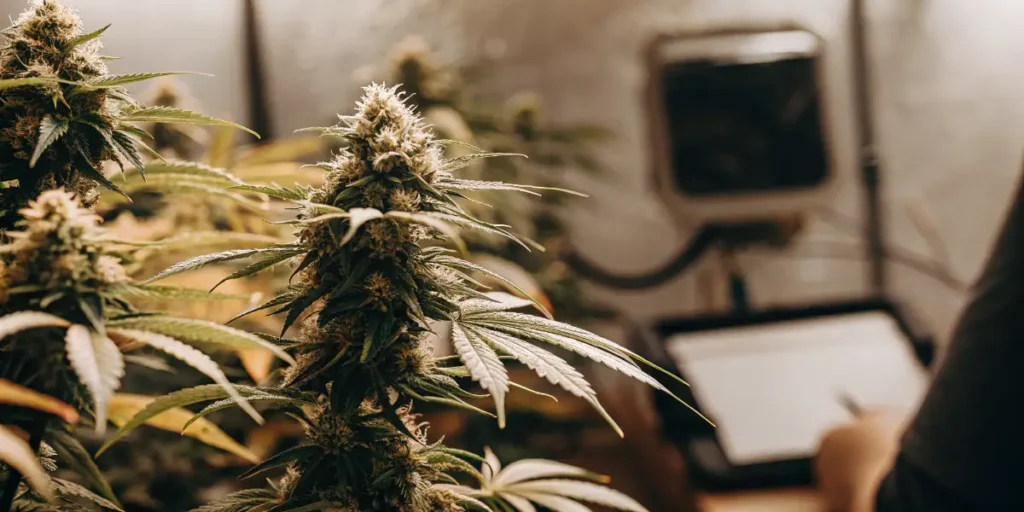
Glossary of Cannabis Growing Terms: Your Essential Guide

Essential Cannabis Cultivation Terms: This glossary provides a detailed overview of cannabis growing terms, offering insights into over 100 key concepts. From twisted new growth to optimizing grow setups, this guide equips you with the knowledge to tackle common cannabis issues and enhance your cultivation efforts. Perfect for both novices and seasoned growers looking to refine their techniques.
Delve into the intricate world of cannabis cultivation with our comprehensive glossary. Discover the nuances of terpene profiles and their impact on flavor and aroma. Learn about optimal flowering times and how they influence potency. This guide is your go-to resource for mastering the art of cannabis growing, ensuring you achieve bountiful harvests.
Recommended Strains
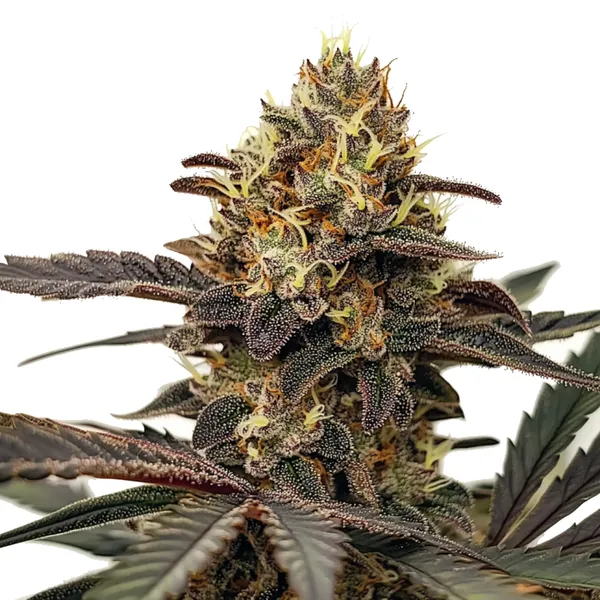
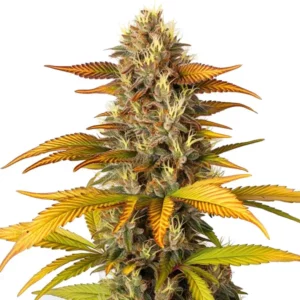
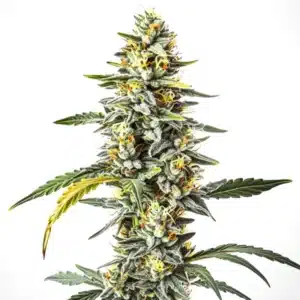
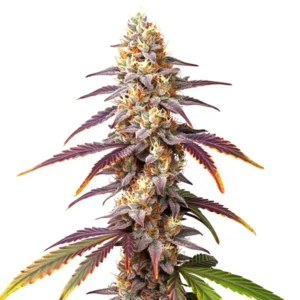
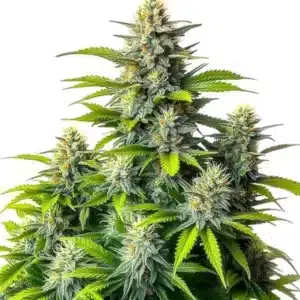
Zlushie

|
THC | 24% - 29% (High) |

|
Type | Feminized |

|
Yield | High |

|
Phenotype | 60% Indica / 40% Sativa |

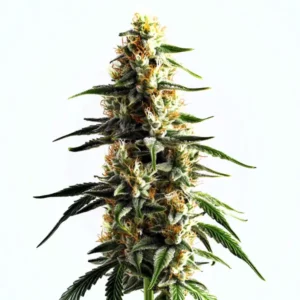
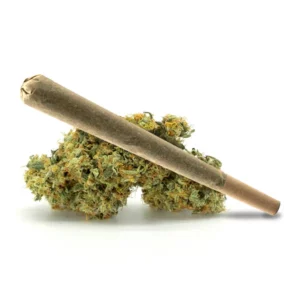
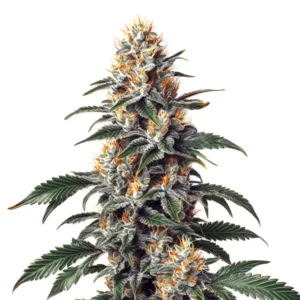
CBD Cheese Auto

|
CBD | 12% – 15% (Medium) |
|
|
Type | CBD Autoflowering |
|
|
Yield | High |
|
|
Phenotype | 75% Indica / 25% Sativa |
Introduction to Cannabis Growing Terms
Why Cannabis Terms Matter
Familiarizing yourself with cannabis terms is crucial for successful cultivation. Master growers emphasize that knowing the language of cannabis helps in diagnosing issues like twisted new growth, which can hinder plant development. Understanding these terms also aids in selecting the best cannabis nutrients to enhance growth.
By grasping these terms, you can better navigate cannabis issues, ensuring healthier plants and higher yields. For instance, recognizing the importance of an indoor grow timeline allows you to optimize every stage of the plant’s life cycle, from seedling to harvest.
Promos & Deals
Glossary of Cannabis Growing Terms
A – C
In the realm of cannabis cultivation, terms like “Aeroponics” and “Cannabinoids” are foundational. Aeroponics refers to a growing technique where roots are suspended in air and misted with nutrient solutions, promoting rapid growth. Cannabinoids, such as THC and CBD, are the active compounds in cannabis that influence its effects and therapeutic benefits.
Master growers report that understanding these terms can significantly impact your grow setups. For example, choosing the right cannabis fertilizer is essential for providing plants with the necessary nutrients to thrive. A balanced N:P:K ratio of 3:1:2 during the vegetative stage can boost growth.
D – F
Terms like “Decarboxylation” and “Flushing” are pivotal in cannabis cultivation. Decarboxylation is the process of heating cannabis to activate THC, enhancing its psychoactive effects. Flushing involves watering plants with plain water to remove excess nutrients, ensuring a clean and smooth smoke.
Experienced growers highlight the importance of these techniques in addressing common cannabis issues. For instance, improper flushing can lead to harsh-tasting buds, while effective decarboxylation is crucial for maximizing potency.
Common Cannabis Issues and Solutions
Twisted New Growth Cannabis
Twisted new growth in cannabis plants often indicates nutrient imbalances or environmental stress. This issue can manifest as distorted leaves or stunted growth, affecting overall plant health. To remedy this, ensure your grow environment maintains a stable temperature of 68°F – 77°F (20°C – 25°C) and a humidity level of 50-60%.
Many cultivators share that adjusting nutrient levels can resolve this problem. A common mistake is over-fertilizing, which can exacerbate the issue. Instead, use a balanced nutrient solution tailored to your plant’s growth stage.
Addressing Common Cannabis Issues
Common cannabis issues such as nutrient burn, pest infestations, and mold can significantly impact yields. Nutrient burn occurs when plants receive excessive nutrients, leading to leaf discoloration. To prevent this, maintain an EC level of 1.2-1.8 during the vegetative stage and 1.8-2.2 during flowering.
Master growers have pointed out that using integrated pest management (IPM) strategies can effectively combat pest issues. Regularly inspect plants for signs of pests and use organic solutions like neem oil to keep infestations at bay.
Cannabis Cultivation Guides
Indoor Grow Timeline
Creating an indoor grow timeline is essential for optimizing your cannabis cultivation. This timeline should outline each growth stage, from seedling to harvest, ensuring plants receive the right care at the right time. Typically, a vegetative phase lasts 4-6 weeks, followed by an 8-10 week flowering period.
To maximize yields, maintain a light schedule of 18/6 during the vegetative stage and switch to 12/12 during flowering. This encourages robust growth and maximizes resin production, crucial for strains like GG4.
Effective Grow Setups
Designing effective grow setups involves choosing the right equipment and optimizing environmental conditions. Many cultivators recommend using LED lights with a PPFD of 600-900 µmol/m²/s for optimal growth. Additionally, maintaining a temperature range of 70°F – 85°F (21°C – 29°C) ensures healthy plant development.
Experienced growers report that proper ventilation is key to preventing mold and mildew. Ensure your grow space has adequate airflow, with fans and exhaust systems to maintain air circulation and humidity levels.
| Feature | Gorilla Lemon Fire | Zlushie | Auto CBD Cheese |
|---|---|---|---|
| THC Content | 21-25% | 24-29% | 3-5% |
| Dominant Terpene | Limonene | Caryophyllene | Camphene |
| Flavor Profile | Fruity, Hashish, Lemon, Pine | Berry, Citrus, Fruity, Sweet, Vanilla, Woody | Cheese, Citrus |
| Effects | Aroused, Energetic, Euphoric | Euphoric, Happy, Relaxed | Calming, Relaxed, Sedative |
| Yield Indoor | 1.64 oz/ft² | 500 g/m² | 1.47 – 1.97 oz/ft² | 450 – 600 g/m² | 1.47 – 1.64 oz/ft² | 450 – 500 g/m² |
Cannabis Nutrients and Fertilizers
Best Cannabis Nutrients
Choosing the best cannabis nutrients is vital for healthy plant growth. Many cultivators recommend using a nutrient solution with an N:P:K ratio of 3:1:2 during the vegetative stage and 1:3:2 during flowering. This ensures plants receive the essential elements needed for robust growth and high yields.
Master growers emphasize the importance of monitoring pH levels, keeping them between 5.5 and 6.5 for optimal nutrient uptake. A common mistake is neglecting pH adjustments, which can lead to nutrient lockout and stunted growth.
Choosing the Right Cannabis Fertilizer
Selecting the right cannabis fertilizer depends on your plant’s growth stage and specific needs. During the vegetative phase, a high-nitrogen fertilizer promotes leafy growth, while a phosphorus-rich formula supports flowering. Consider using organic fertilizers to enhance soil health and microbial activity.
Many cultivators share that over-fertilizing is a common mistake, leading to nutrient burn and reduced yields. Always follow the manufacturer’s guidelines and adjust based on your plant’s response.
Outdoor Cannabis Training Techniques
Outdoor cannabis training techniques like topping, LST (Low-Stress Training), and super cropping can significantly enhance yields and plant structure. These methods encourage bushier growth and more bud sites, maximizing sunlight exposure and improving overall plant health.
Experienced growers report that timing is crucial when applying these techniques. Perform topping during the early vegetative stage and LST throughout the growth cycle to shape plants effectively. Avoid training during flowering, as it can stress plants and reduce yields.
Professional Tips for Cannabis Cultivation
- Maintain 58-62% RH during cure. Below 55% arrests terpene development; above 65% promotes Botrytis within 48h. Check with a calibrated digital hygrometer, never analog.
- Use a light schedule of 18/6 for vegetative growth and switch to 12/12 for flowering to maximize resin production.
- Keep pH levels between 5.5 and 6.5 for optimal nutrient uptake, preventing nutrient lockout and stunted growth.
- Monitor EC levels, maintaining 1.2-1.8 during vegetative and 1.8-2.2 during flowering to prevent nutrient burn.
- Apply LST during the vegetative stage to encourage bushier growth and more bud sites, enhancing yields.
- Choose LED lights with a PPFD of 600-900 µmol/m²/s for optimal growth and energy efficiency.
Frequently Asked Questions
What is twisted new growth in cannabis?
Twisted new growth in cannabis indicates nutrient imbalances or environmental stress, manifesting as distorted leaves or stunted growth. Maintain a stable temperature of 68°F – 77°F (20°C – 25°C) and humidity of 50-60% to prevent this issue. Adjust nutrient levels to suit the growth stage.
How can I prevent nutrient burn in cannabis plants?
Prevent nutrient burn by maintaining EC levels of 1.2-1.8 during vegetative growth and 1.8-2.2 during flowering. Over-fertilizing is a common mistake, leading to leaf discoloration and reduced yields. Follow manufacturer guidelines and adjust based on plant response.
What are the best cannabis nutrients for flowering?
For flowering, use nutrients with an N:P:K ratio of 1:3:2 to support bud development. Monitor pH levels between 5.5 and 6.5 for optimal nutrient uptake. Many cultivators recommend organic options to enhance soil health and microbial activity.
How do I create an effective indoor grow timeline?
Develop an indoor grow timeline by outlining each growth stage, from seedling to harvest. Typically, a vegetative phase lasts 4-6 weeks, followed by an 8-10 week flowering period. Adjust light schedules to 18/6 for vegetative and 12/12 for flowering to optimize growth.
What techniques enhance outdoor cannabis yields?
Enhance outdoor cannabis yields with training techniques like topping, LST, and super cropping. These methods encourage bushier growth and more bud sites. Timing is crucial; perform topping early in the vegetative stage and LST throughout the growth cycle.