Essential Guide: Using Refractometers in Organic Cannabis Cultivation

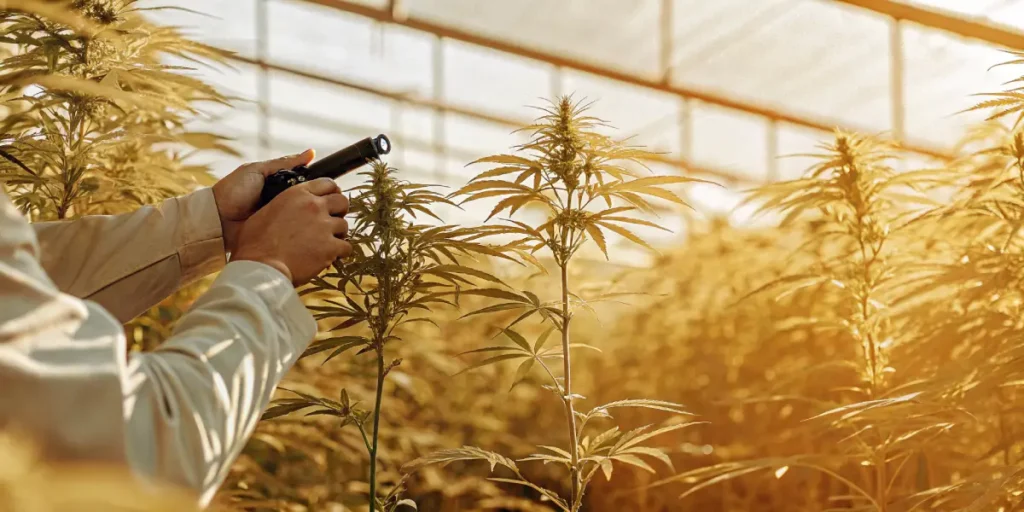
Using refractometers in organic cannabis cultivation can be a game-changer for both beginners and seasoned growers. These small, handy devices help measure the sugar content in plant sap, which is crucial for knowing plant health. By measuring brix levels in cannabis plants, cultivators can gauge the efficiency of their growing techniques. This insight can lead to healthier plants and potentially higher yields.
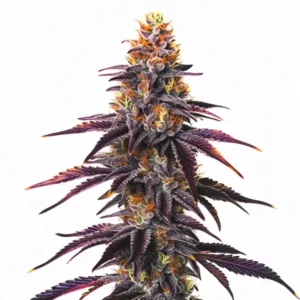
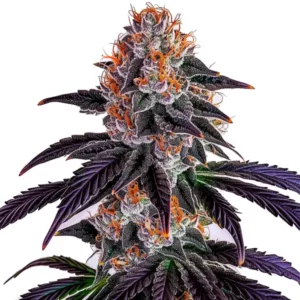
Refractometers are particularly useful in organic cannabis refractometer usage because they provide a non-invasive way to assess plant vitality. For instance, if the brix levels are low, it may indicate that the plant is stressed or lacking nutrients. On the other hand, high brix levels often suggest robust, healthy growth. For strains like the potent “Blackberry Moonrocks” from Blimburn Seeds, maintaining optimal brix levels is key to unlocking their full potential.
Recommended Strains
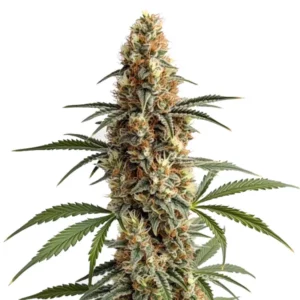
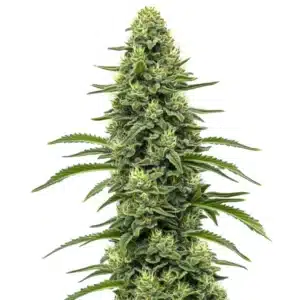
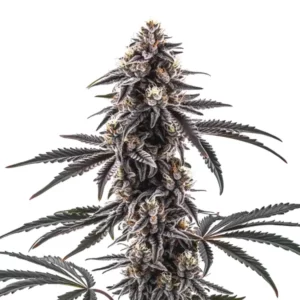
Mamba Negra

|
THC | 18% (Medium) |

|
Type | Feminized |

|
Yield | High |

|
Phenotype | 55% Indica / 45% Sativa |

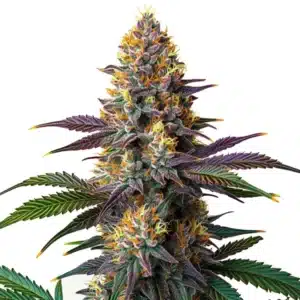
Blackberry Moonrocks
|
|
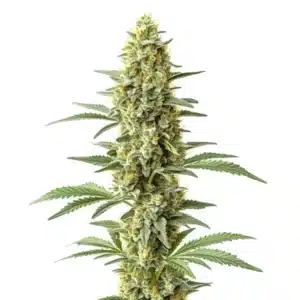
THC | 26% - 33% (High) |
|
|
Type | Feminized |
|
|
Yield | High |
|
|
Phenotype | 80% Indica / 20% Sativa |
Incorporating refractometers into your organic cannabis farming routine is straightforward. They are user-friendly and provide instant results. By consistently measuring brix levels, you can make informed decisions on how to adjust your cultivation practices. This not only helps in optimizing cannabis yield with refractometers but also ensures that each harvest is of the highest quality.
What is a Refractometer?
A refractometer is a simple tool used to measure the sugar content in the sap of plants. It works on the principle of light refraction. When light passes through a liquid, it bends. The amount it bends is related to the liquid’s sugar concentration. In organic cannabis cultivation, this tool helps in assessing plant health and determining the right time to harvest.
There are different types of refractometers for organic cannabis growth. The most common ones are analog and digital refractometers. Analog refractometers require you to look through a lens to read the brix level, while digital ones display the reading on a screen. Both types are effective, but digital refractometers are often preferred for their ease of use.
Using refractometers in organic cannabis cultivation extends beyond just measuring brix levels. These instruments are pivotal for making strategic decisions during critical growth stages. By knowing the nuances of brix readings, cultivators can precisely tailor their nutrient delivery and watering schedules, ensuring plants receive what they need exactly when they need it. This precision fosters an environment where cannabis plants can thrive, resulting in superior quality and yield.
Besides to their practical benefits, refractometers play a vital role in sustainable farming practices. By providing accurate insights into plant health, they empower growers to minimize unnecessary interventions. This approach not only conserves resources but also supports the ecological balance of the cultivation environment. As more cultivators adopt these tools, the impact of refractometer applications in organic marijuana farming will continue to grow, promoting both environmental responsibility and high-yield harvests.
Promos & Deals
How to Use a Refractometer in Cannabis Cultivation
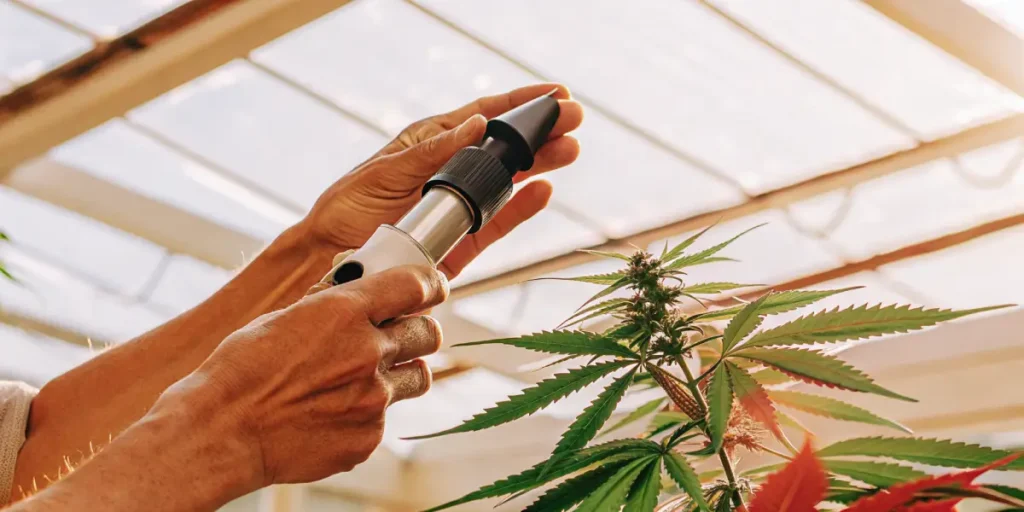
Using refractometers in organic cannabis cultivation is a straightforward process. First, you need to extract a small sample of sap from your cannabis plant. This can be done by gently squeezing a leaf or stem. Once you have the sap, place a drop on the refractometer’s glass surface.
Next, close the refractometer’s cover and peer through the lens if you’re using an analog model. For digital models, simply press a button to get a reading. The device will display a number that represents the brix level, which is the percentage of sugar content in the sap.
It’s essential to ensure that the refractometer is properly calibrated before use. Calibration ensures that the readings are accurate and reliable, which is crucial for making informed decisions. Most refractometers come with instructions on how to calibrate them using distilled water or a calibration solution, ensuring that your measurements are precise and consistent.
Once calibrated, regular monitoring is key. By establishing a routine for measuring brix levels in cannabis plants, growers can monitor fluctuations and address potential issues promptly. This proactive approach can significantly enhance the health and productivity of cannabis plants, leading to bountiful harvests and superior quality, especially for premium strains like those from Blimburn Seeds.
Interpreting Brix Levels
When measuring brix levels in cannabis plants, it’s important to know what the numbers mean. Generally, a brix level of 12 or higher is considered excellent in cannabis cultivation. This indicates that the plant is healthy and receiving adequate nutrients. Strains like “Mamba Negra” from Blimburn Seeds thrive with such high brix readings.
On the contrary, a brix level below 8 can suggest issues. It may indicate nutrient deficiency or stress factors like pests or inadequate watering. By regularly measuring brix levels, you can quickly identify and address these problems, ensuring your cannabis plants remain healthy.
The interpretation of brix levels offers a window into the plant’s metabolic processes. High brix readings often correlate with vigorous photosynthesis and nutrient uptake, indicating that the plant is efficiently converting sunlight into energy and building strong cellular structures. This level of detail is invaluable for optimizing cannabis yield with refractometers, as it allows growers to finetune their approach based on real-time data.
Low brix levels, on the other hand, can be a red flag that prompts immediate action. By swiftly identifying these signs, growers can adjust their strategies to mitigate stressors and restore balance. This might involve enhancing soil quality, adjusting water pH, or implementing pest control measures. Ultimately, the goal is to maintain an optimal growing environment that supports the plant’s natural resilience and productivity.
Optimizing Cannabis Yield with Refractometers
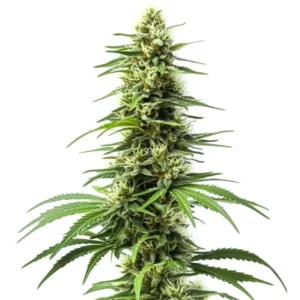
Refractometers can significantly contribute to optimizing cannabis yield with refractometers. By consistently monitoring brix levels, you can fine-tune your cultivation practices to maximize plant health and productivity. High brix levels often correlate with higher yields and better quality buds, especially for premium strains like “Tropicanna Poison” from Blimburn Seeds.
Besides to nutrient management, refractometers can help you determine the best time to harvest. Plants with optimal brix levels are usually ready for harvest, ensuring you capture the peak potency and flavor of your cannabis. This is particularly important for organic growers who rely on natural methods to enhance plant growth.
Strategically using refractometers in organic cannabis cultivation can lead to a more efficient use of resources. By knowing the specific needs of your plants through brix level analysis, you can apply nutrients and water more judiciously, avoiding waste and ensuring that your plants receive exactly what they need to thrive. This thoughtful management is key to achieving exceptional results in both yield and quality.
Moreover, refractometers for organic cannabis growth support a cycle of continuous improvement. By analyzing results and adjusting practices accordingly, growers can refine their techniques over time. This iterative process not only boosts the immediate crop but also enhances future growing cycles, contributing to the long-term success and sustainability of organic cannabis cultivation.
FAQs about using refractometers in organic cannabis cultivation
What is the ideal brix level for cannabis plants?
In organic cannabis cultivation, the ideal brix level is typically above 12. This indicates that the plant is healthy and receiving adequate nutrients. High brix levels are generally associated with robust growth and high-quality yields. It’s important to regularly check the brix levels to ensure your plants are thriving.
If your cannabis plants consistently show high brix levels, it suggests effective nutrient management and healthy soil conditions. For premium strains like “Blackberry Moonrocks”, achieving and maintaining high brix levels can result in exceptional potency and flavor, making your harvest truly rewarding.
Achieving the ideal brix level is a dynamic process that reflects the overall health of the plant. Regular monitoring allows growers to establish a baseline and track changes over time. This data-driven approach enables cultivators to identify emerging trends and make precise adjustments, ensuring that plants remain within the optimal range for growth and development.
For organic cultivators, maintaining high brix levels is particularly crucial. It signifies that the plant is thriving in its natural environment, supported by organic nutrients and sustainable practices. This not only enhances the quality of the final product but also aligns with the principles of organic farming, emphasizing eco-friendly and health-conscious cultivation methods.
How often should I use a refractometer on my cannabis plants?
The frequency of using refractometers in organic cannabis cultivation can vary based on your growing conditions and goals. However, many growers find it beneficial to check brix levels once a week. This regular monitoring helps in quickly identifying any changes in plant health.
By tracking brix levels over time, you can observe trends and make informed decisions about your cultivation practices. This proactive approach ensures you can optimize your growing techniques and improve the overall yield and quality of your cannabis plants.
Weekly measurements provide a comprehensive overview of the plant’s status, allowing for timely interventions when necessary. This routine establishes a rhythm that not only supports immediate plant health but also facilitates a deeper understanding of the plant’s lifecycle and environmental interactions.
For those aiming for precision in their cultivation efforts, more frequent readings may be warranted during critical growth phases. This can include the vegetative stage, flowering, and pre-harvest periods, where nutrient uptake and environmental conditions play a pivotal role in determining the final outcome. Tailoring the frequency of refractometer use to these stages can maximize the effectiveness of organic cannabis refractometer usage.
Can I use a refractometer to detect nutrient deficiencies?
Yes, refractometers can help detect potential nutrient deficiencies. Low brix levels often indicate that a plant is stressed or not receiving the necessary nutrients. By regularly measuring brix levels, you can identify these issues early and adjust your nutrient regimen accordingly.
For example, if you notice a drop in brix levels, you might consider evaluating your soil’s nutrient content or adjusting your fertilization schedule. Addressing these issues promptly can help restore plant health and improve brix levels, ensuring optimal growth and yield.
Detecting nutrient deficiencies early on can prevent more severe problems down the line, such as stunted growth or poor bud development. By using refractometers in organic cannabis cultivation, growers can take a proactive stance in maintaining plant health, ensuring that nutrient imbalances are corrected before they impact the overall harvest.
In addition to nutrient deficiencies, refractometer applications in organic marijuana farming can also reveal other stress factors, such as water issues or pest pressures. By integrating refractometer data with other observations, growers can develop a holistic understanding of plant health and implement comprehensive strategies to foster a thriving cultivation environment.
Are digital refractometers better than analog ones?
Both digital and analog refractometers have their advantages. Digital refractometers are often preferred for their ease of use and quick readings. They display the brix level on a digital screen, which can be more convenient for some growers.
Analog refractometers, on the other hand, are typically more affordable and don’t require batteries. They provide accurate readings, but you need to look through a lens to interpret the results. The choice between digital and analog ultimately depends on your personal preference and budget.
Digital refractometers often come with additional features such as automatic temperature compensation, which can enhance accuracy in varying environmental conditions. This makes them particularly useful in dynamic growing environments where temperature fluctuations are common.
Analog refractometers, despite their simplicity, offer a tactile experience that some growers prefer. The process of manually reading and interpreting the results fosters a closer connection with the cultivation process. Ultimately, the decision between digital and analog refractometers for organic cannabis growth should consider the specific needs and preferences of the grower, as well as the scale of the cultivation operation.
How do refractometers contribute to sustainable cannabis cultivation?
Refractometers contribute to sustainable cannabis cultivation by providing precise information about plant health. By accurately measuring brix levels, growers can make informed decisions about nutrient management and watering practices, reducing waste and optimizing resource use.
This precision aligns with organic farming principles, allowing growers to minimize chemical inputs and focus on natural methods to enhance plant growth. As a result, using refractometers in organic cannabis cultivation supports both high-quality yields and environmentally friendly practices.
By fostering a more efficient use of resources, refractometers help in reducing the environmental footprint of cannabis cultivation. This is especially relevant in organic farming, where the emphasis is on sustainability and ecological balance. By ensuring that each plant receives exactly what it needs, refractometers aid in conserving water and nutrients, leading to more sustainable agricultural practices.
Furthermore, the insights gained from refractometer applications in organic marijuana farming can inspire innovation in cultivation techniques. By continuously refining approaches based on brix data, growers can develop more resilient and productive systems. This not only enhances the viability of organic cannabis farming but also sets a benchmark for sustainable practices in the broader agricultural industry.